
5 Tech Stories to Watch in 2024
w/ Adam Daniells of Influx Marketing
45 minute view/listen


May, 2024
Available everywhere you podcast



In the latest episode of Next Level Practices, our very own Chief Growth Officer Max is joined by our CEO Adam to discuss 5 key stories to follow in the tech marketing world.
With so much happening in tech, it's important to keep an eye on these topics as they unfold, as there may be some major changes on the horizon for the online marketing space.
Key stories covered:
- OpenAI Spring Event: ChatGPT 4o
- The TikTok Ban: Legal Challenges and Potential Solutions
- Instagram's Prioritization of Smaller Creators
- Meta Verified for Business: Paid Verification Service
- OpenAI and Apple Partnership
Full Transcript
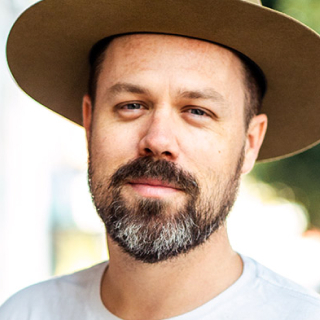
Max Baybak
All right, we're back with another episode of Next Level Practices. Now last week, Adam and I sat down kind of impromptu to discuss marketing news, because there's a lot happening in the world of tech that impacts marketing for small businesses and entrepreneurs. We thought it would be an interesting topic to explore. We got a lot of great feedback, so we're here back with another episode for you to kind of fast follow on some of these storylines. And I'm going to give you a quick overview of the — I think it's about five storylines that we want to cover today.
First of all, we've got the OpenAI spring event that happened just this past Monday — we'll give you an update on what you need to know from that. We'll do a quick recap on the TikTok ban. And then I want to get into — there was a, it's a few weeks ago now, but I think it's still worth talking about — there was an announcement from the Instagram CEO that I think is very important for small businesses. That was about prioritizing smaller creators. And then also under the Meta umbrella, there was an announcement just recently about Meta Verified for Business that is important for you to know about.
And then the last major headline we're going to cover is still in the rumor stages, but it's Apple and OpenAI, and a potential partnership that is forming there that could be very significant. Then we'll dive into a couple mentionable storylines that are a little less significant but we think are worth watching, and we'll unpack some of these storylines a little bit more in depth. So let's get into it.
All right, Adam, so the first thing up here I have, as mentioned, is the OpenAI spring event, which happened on Monday. First — we're going to unpack that a little bit later in this episode, but to start, will you give me just kind of your key takeaways? What was significant about this?
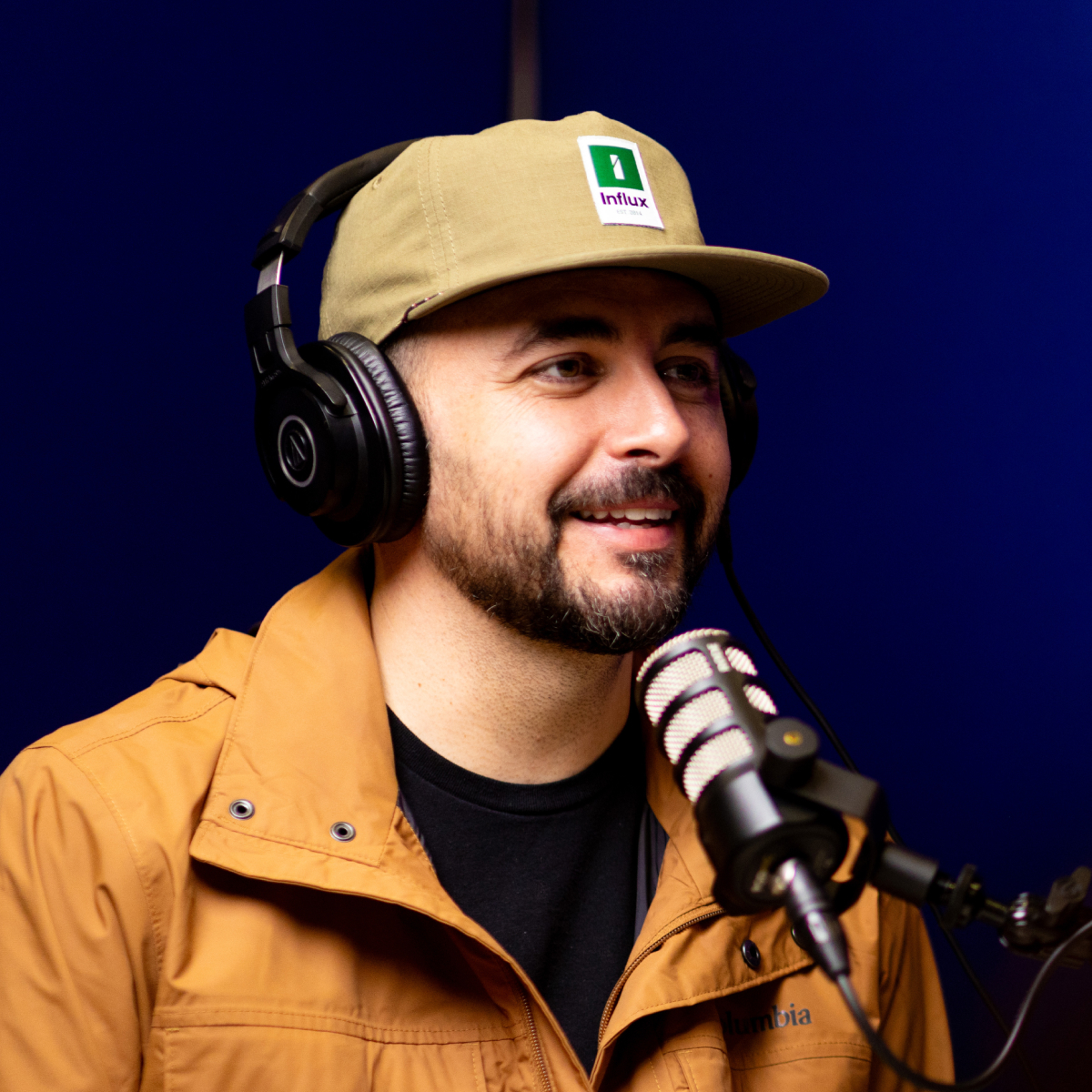
Adam Daniells
So I think a lot of people thought that there was going to be a search engine released, an AI-based search engine. I know that that's certainly what we talked about last week when we discussed this. What they announced was short and sweet but really powerful. It was about a 25-minute event, and they basically announced their next major leap forward in their product, their ChatGPT product, which is basically what I would call a native multimodal AI — meaning it can see, has vision, text, and audio, and all of those — the entire model is built around that. And it's super fast — it's two times faster than the last version.
So they covered that in a few use cases, and that's like the 5-sec of what was released. We can go into it more, but the new product is called ChatGPT 4o — for Omni.
Max Baybak
The O stands for Omni, and I think what we're getting out here is this thing that you mentioned, where it's multimodal, and it's natively multimodal. So just to explain that a little bit — what we think about ChatGPT, we think about text — text input, text outputs. Now they've had the ability for you to feed photos into it, or visual inputs, or audio into it, but not necessarily — that's kind of like a bolt-on and afterthought. Whereas this new version is completely made — this is what we mean when we say native — made to think and, um, correspond, so to speak, in all of these different mediums. Is that right?
Adam Daniells
That's correct, yeah. So it is, for all intents and purposes — if you think of an artificial intelligence as if you were to put it right into the head of a robot, where it can see, it can move around, it can hear things and respond to you in real time — that is the closest thing to what this is. The found — one of the founders, uh, Sam Altman, the well-known founder of OpenAI — his favorite movie is the movie Her, which is about an AI — a man who has a relationship with an AI. And I think a lot of this product was modeled off of that — in fact, he directly said that. So it's the closest thing to that that I've ever seen.
I think that some would argue that it's very nearly close to what would be like an artificial general intelligence, or an AGI — like, we're getting there pretty quick. So anyway, yeah, that's what it was.
Max Baybak
Awesome. Well, I am, like I said, gonna ask you more questions about this. We're testing a little bit of a new format here, what we — where — what we want to do is kind of hit these headlines, give you some key takeaways. You can listen to just the beginning of this and kind of feel like you heard the week, or the last few weeks, in marketing tech news, and then if you want to keep listening, we're going to go a little deeper. But I think the key takeaway there on the OpenAI event: they did not release anything explicitly speaking about search. We're going to talk about why we still think what they did release was relevant to a new way of searching, and kind of a change in search marketing that may still be on the horizon. But ultimately, what we saw was a little bit of a different way of interacting with AI, and the very beginnings of a very different interface from what you see with chat today — and that's what we mean about the multimodal.
So let's jump into topic number two, which is the TikTok ban. There's not a ton to talk about here, but I do want to say, first of all, I think it's worth just a quick update. Adam, you mentioned — when we were talking just recently, I guess it's been more over a week now — that TikTok has sued to block, right? Will you tell us about that?
Adam Daniells
Yeah, so they filed a lawsuit with the Court of Appeals in the District of Columbia — so Washington, DC District Court — uh, appeals court, sorry. And that is basically that the law that was just recently passed and signed into law, they feel is unlawful, and they're challenging it based on the First Amendment and a few other things of the Constitution. So now that's essentially tied up in the judicial system until it — it will probably have a determination, be appealed to a higher court, have a determination, be appealed to a higher court, until it ultimately reaches the Supreme Court. How slow or fast that happens — essentially, a termination and an enforcement action of that law is not going to happen until we get through this whole process.
Max Baybak
Right. So our stance is this is going to be held up legally for some time. But you know, always, I like to kind of dig around on the internet for context — and we're certainly not lawyers — I'm looking at this one article here from TheWeek.com, and it did give me some context that I think is interesting. Where it says — first of all, it says it will be at least April 2025 before the American ban on TikTok goes into effect. That's, of course, if it's not held up legally, or if TikTok's parent company doesn't divest it. Again, we've said this before, but I think it's important for people to understand — it's not an outright ban and with no recourse for the parent company, ByteDance. They can divest the company so that it's entirely held by an American company, instead of within an American subsidiary of their own, and then TikTok could persist and could stay around.
But it says here in this article: however, court challenges will likely prove to be a tricky legal case for TikTok. It is almost certain that these legal challenges would focus on alleged violations of First Amendment free speech rights, but this won't be an easy fight, since judges often hesitate to make decisions of national security importance where the legislature has so forcefully weighed in. It also mentions that even if ByteDance were to find a buyer for TikTok, it would need the Chinese government's permission to sell the brand — this could throw another wrench into the ongoing saga.
So here's what I think is important about that. First of all, it will be held up legally. I think it's interesting to note that legislature has very forcefully weighed in, so it is — I think it's a very solid point that it's going to be hard, I think, for — as it says here — for the judges to just kind of come in with their own ruling that's so diametrically opposed to what the legislature is obviously putting forward.
One path forward that we've talked about, Adam — Adam, and I think you said you found something on this, looking around — that people are talking about potentially the algorithms staying within the Chinese parent company, but the American version of the app being sold off to an American company, essentially.
Adam Daniells
Yeah, there's been a few ideas floated about maybe like a hybrid approach, where user data and storage of that data, like you just said, is kept domestically within the US. I think ByteDance — I think the Chinese government, I believe, has officially stated that they would not allow it to be sold off — like, they'd rather just shut it down. Like, there's been statements along those lines before; of course, then they sued to block it. But yeah, the idea would be that that algorithm is incredibly valuable intellectual property to them. A lot of people would argue that that's what made TikTok so big, is that their algorithm is so good at being able to provide meaningful content that's almost like it reads your mind, is what people have said.
So I think wanting to protect that — if there's some way that they could figure out how to keep that intellectual property within their control in some way, where there's not data transfer, maybe that's a solution. But those are just guesses of, exactly, a highly complex solution to a problem that I'm sure many, many smart people are trying to figure out right now. So yeah.
Max Baybak
Yeah, I think that just highlights the fact that there's multiple paths forward. I do think, at the end of the day, we have at least a year, I think, before anything takes effect. But I think it is important to think about building up other platforms in case — for yourself, for your business, for your online creator efforts. But I still do think it's unlikely — but we need to prepare for the worst.
Adam Daniells
Speaking about the likelihood of it, I think you have to think about — even if the Chinese government wanted to block the divestiture, let's say they have the most nefarious motives that are being put forth by legislature here. Because the concern — just to back up for a second, for anyone who doesn't know — what's being put forth is the concern that a foreign entity has — that this app is giving them sway over information, and potentially the ability to impact the behaviors and ideals and thoughts and ideas of the American people through this app — to manipulate, essentially. Let's say that's actually the case. I don't know what any bad actor benefits from having it just go out of the US entirely, so I think they will still try to find some sort of a hybrid way of going forward.
The question about the algorithm — the algorithm sold separately sort of concept — is, would that still — sure, as you brought about, I'm sure the data wouldn't be then going out of the US over to a Chinese entity, let's say. But they are still effectively being able to retain some control by sort of black-boxing the algorithm, if that were to be the case, and giving it to a US entity, and the US entity not really knowing what that does. I would say, if you truly buy into the concerns that are there about a national security concern, then that doesn't really solve it, probably.
Max Baybak
Yeah, may not work. But I think the point is, there's a lot of ways to move forward on that. Okay, so that's kind of our key quick takeaways on the TikTok ban. There probably won't be a real good update on that for a while, but we'll keep you posted as we see things unfold.
The next thing I brought up was that we have the CEO of Instagram, Adam Mosseri — now, this was back in the very beginning of May, so it's a couple weeks old now, but I still think it's worth reading. And he put out a post here where he says: ranking update — smaller creators historically haven't gotten their fair share of reach on Instagram, and we want to change that. So we're making some changes to how we rank recommendations to give smaller creators a better chance of breaking through. We are rolling this out slowly, but hope smaller creators start to see the benefits over the coming months.
So I think this is really important, and I think we have to actually see how this comes out, how this turns out, because he says it's going to take a few months. But I think this prioritization of smaller creators is interesting. He also mentions — there's a video that goes along with this post, which you can go and find — I think he's just at Mosseri, M-O-S-S-E-R-I. He mentions also attribution to the original creator.
So, Adam, you know, there's a lot of — there's obviously — social media has become very much about repurposing. Twitter initially did a great job of this, because you could repost, you could retweet. And I remember on Instagram, when there wasn't that ability, and you had kind of some controversy with early creators, especially the big meme creators, that were repurposing other people's content and were catching some heat for not giving credit. I don't totally understand how they're going to do it, but what he highlights in here is that the attribution, the view counts, the engagement will actually go to the original creator. So it'll be interesting to see how that goes, but I think that's a good effort on their part. I don't know how easy of a problem that is to solve, but I think it's a laudable effort to say, we want to make sure that not just the smaller creators, but the original creators, get proper credit.
Adam Daniells
Yeah, I completely agree. I mean, I think there's so much considerable effort that goes into the content — that, you know, so many individual artistic and creative people put so much time and effort into making something that is a beloved piece of content, and then unfortunately, without having that really carefully considered in an algorithm, you can just be — you ultimately stop doing it, because you get blunted and it goes nowhere after that. So I think that's a smart effort.
It kind of runs right into the next one, though, I will say, that I think you're going to cover — and I'll let you cover that in a second — but making sure that that creator is not listing themselves as a business. Because I think there's also maybe some confusion that can occur sometimes between a creator who has a business account, who — anyway, so —
Max Baybak
Absolutely correct, because that's — yes, you know exactly where I was going to go next, which was story headline number four, which is Meta Verified for Business. And when we create this content, I think of — there's — I think of it as there being two kind of key audiences on the other side of this podcast, where we have business owners and we have creators. And sometimes business owners have their own kind of creator account and their own business account. Sometimes, you know, a lot of times, if you're listening to this show, you're in medical — you're in medical aesthetics, but you might also be someone who has a business that inherently is sort of a creator business — maybe you — you know, a good example would be any kind of craftsman who's making something, and that kind of makes great creator content and business content. I think we're gonna — as we see these things, these storylines, unfold with Instagram, we're going to see a bigger delineation between business and creator. They're going to force it, they're going to make it — they're gonna force you to sort of make that clear.
So again, what Adam is talking about is Meta Verified for Business. They've had Meta personal verification for a while now, where you can now pay to get the blue check mark, and it comes with some benefits. It's been also somewhat controversial — some people are really upset about it. They have specifically a creator verified program, and now they've just come out with Meta Verified for Business, which has three new tiers of paid verification service for businesses.
I'll read something here — this is from TechTimes.com — where it says: Meta has introduced three new tiers as part of its expanded paid verification service for businesses, offering additional benefits to companies willing to subscribe to the tech giant's monthly plans. So it says it's known as Meta Verified and was initially tested last year with businesses in Australia, New Zealand, and Canada. As far as I know, it is not anywhere out of those countries yet — we do not have it here in the US. And they bill it as a subscription bundle to help you establish and grow your presence on Instagram and Facebook, and is only for — see — accounts, qualified businesses; we don't 100% know what that means. And we have plans here from Business Standard at $14.99 a month. Adam, do you have that in front of you?
Adam Daniells
Yeah, hang on one second. I've got it here too.
Max Baybak
Here we have — I just pulled it up — so we got Business Standard, $14.99 a month, all the way up to — I forget what the top tier is, I'm still trying to get it to come up. I think it's $350.
Adam Daniells
Yeah, $349.99 is Business Max — so 350 bucks. Looks like it's marked down from 500 to $349.99 right now.
Max Baybak
Oh, I didn't even see — you're right, it's $499 with a slash through it. So, okay, interesting. It's a wild thought, and there has been some controversy when this first came out, which was just about a week ago, with a lot of people on Instagram saying, you're going to actually pay — businesses — to get reach. And then some conflicting things, like some people saying, okay, Instagram has come out and clarified — Meta has come out and clarified — and said this isn't going to affect reach. But if you read it, it very clearly is going to help affect certain things — maybe not reach specifically, in the sense of, hey, when I post something it'll get shown, that exact video will get shown, or post will get shown to more people because I'm paying for one of these plans.
But some of these plans include things like featured account. And if you're at the $44-a-month plan — $45, effectively — you get featured account, and it says you'll have the opportunity to be featured in feed and introduce your business to new audiences, and it shows sort of recommended Meta Verified businesses as a little carousel that you can see. That's at 45. At 120, it says featured account, more featured — this is the small print — and at 350, it says featured account, most featured. So you are going to see your account get more featured.
And there's also an SEO benefit, where it says when you're searching, you'll show up higher. So that — Adam, I think what that would look like is, if you have businesses that have similar names, and you have a higher level of verification, or just verification at all, and they don't, yours will show up in search results. That's kind of what they're calling search optimization.
Adam Daniells
Yeah, that's my understanding of it as well. They show a little image of that, which shows, you know, when you're using the search function, you appear higher.
Max Baybak
Exactly, yeah. And then there's other things — you get links in your Reels, which I have not fully seen how that looks. I've obviously seen — it was maybe like two years ago, they released links in Stories, where they didn't have that at all. I guess they're allowing you to do that in a Reel, which would be a link out of Instagram, which is cool, and obviously makes sense for a business to need or want that. And at the lowest level, I think you get no links in Reels, and then it goes to two, four, and all the way up — at 350, you get six links in Reels. Now, this is per month. That's a really interesting approach to me — so you have to kind of choose how many things you want to do that promotes something off Instagram in a Reel.
Super interesting. And I — well, I won't say it's necessarily — some people came out and said, hey, Meta is kind of sending mixed signals, because on one hand they're saying, we're going to prioritize small creators; on the other hand, they're going to say, we're paying for reach — they're going to force you to pay for reach. I don't see them as sending mixed signals. I see them very clearly saying, we're going to create a lot more delineation between creators and businesses.
Adam Daniells
Yeah, I think that's true. Also, one other thing that I want to add to that is, a number of the people who listen to this show, who are plastic surgeons or physicians who have put a lot of time in, effort — I've heard from, myself, a number express concern about the ability to have a good support system — to be able to have a person that they can directly speak to. Sometimes they have, sometimes they haven't. One of the things that this supposedly gives you the ability to do, like at the highest levels, it says — verifi — uh, Meta Verified support: chat or email with agents, get issues resolved more quickly, request a call from an agent, receive active case monitoring — that's the highest level.
So I know, for people who have had issues with not understanding why certain things were banned — certain content, or in some cases whole accounts that they have — this, once this rolls out to the US, possibly will help have a higher tier of support. I think that's also a key offering that they're trying to provide with this, in addition to all those other things. We haven't done this ourselves — it hasn't rolled out to the US — so I don't truly know if you're going to just get a support rep who will simply say, yeah, sorry, that's our policy, and it's not really helpful than you just happen to speak to a person. But it seems maybe promising for people who have really been pretty frustrated with Meta support in the past.
Max Baybak
So a huge point — I meant to mention the support factor. And again, that is something that businesses need — that I'm sure individuals and creators would want too — but businesses maybe have a little bit more of a valid reason to have support. And yeah, with our clients, we've heard unending frustration about not being able to reach someone, or get help, or appeal some kind of suspension that they felt was unfair, or something like that. So maybe that will alone be valuable enough.
But I will say that — my quick takeaway here is that it is going to impact the visibility of your business, even if it's not specific reach on a per-post basis. I think it's probably going to, unfortunately, be worth paying for this to just get more visibility to your business's Meta profiles. This is also on a per-profile basis — so if I understand this correctly, that means you're paying for this — Adam, are you clear on whether or not you're paying for it on Meta and then again on Facebook?
Adam Daniells
That is correct. The top — it says, get 20% off the total monthly subscription when you verify both Facebook and Instagram. So they do give you a 20% cut — but they consider — like a reduction in price — but they consider Instagram is one and Facebook is another. So for probably most of the people who will listen to this, they probably mostly just do Instagram, but in theory, if you want to do it on Facebook too, it's a whole other subscription.
Max Baybak
Man, that's interesting to think about — when it'll be worth on Facebook, I think. I think it's interesting — that might even start to make Facebook more worth marketing on again — but especially if you're trying to reach certain demographics, maybe worth doing on Facebook. We're going to keep you posted on this as it unfolds, and also what we're seeing with our clients who are doing it, and if they're actually seeing any tangible differences. So I think that's enough on that one for now, Adam — we unpacked that a little more than I even thought, but it's actually quite interesting.
And the last kind of major headline that I have is this rumor about a partnership between Apple and OpenAI. Will you tell us about it?
Adam Daniells
Yeah, so just before the event on Monday — the OpenAI event that they had, their spring update event — there was several articles that came out that day that — OpenAI — Apple has their big release event coming in about a month from now. It's called Worldwide Developer Conference — they do it every summer, where they release all their new software, they announce what the new iPhone will be, all of that. That's happening in about a month from now. So there's been rumors for the last several weeks that Apple's been talking to Google about their AI product, Gemini, and they've been talking to OpenAI about their AI product, ChatGPT, because it's pretty clear that Apple is behind on this subject, and they're looking to bring a partner in who will help elevate their AI offering.
And what that will be — a lot of people are assuming, although Apple, of course, has confirmed nothing, that this is to make Siri — their audio chat product, you know, that you talk with — with their AI, or their assistant product — substantially better, because, as we all know, Siri is very far behind all of these products. So the rumor, as of Monday, before their event happened, was that Apple and OpenAI have inked the deal — they haven't officially announced it yet, but they have put something together and it's happening — and that nothing has been inked with Google, but they might even have that as a secondary partner as well. We'll see what happens.
Which is interesting, considering that OpenAI's announcement, when it happened — it was all done on Mac computers, and it's native — the first app that they — the desktop app that they released was with a Mac computer, and it's clearly very functional with Apple products. So I think that there's a number of things that will result from this, if this is confirmed to actually be the case. But it's pretty interesting, especially considering that OpenAI already has a $10 billion investment from Microsoft and has a huge partnership with them already as well. So yeah.
Max Baybak
Amazing how much kind of intertwining we're seeing between these companies that have different strengths and leverage to bear between each other, and kind of the fact that they're all talking to each other in these interesting ways — be very interesting to see how it plays out. I want to give you my quick takeaway on this, but to clarify one thing — when Adam was saying OpenAI's apps that they're releasing, he's talking about the event which was just this week, that spring update. That's kind of their keynote, where they give news — calling it — they called it the spring update, so they'll probably do a quarterly one with each season, so to speak. And yes, it's true that all the new — they showed a new desktop app, and they showed several demos, all on Apple products — very interesting to note.
We've been talking a lot about search and the potential for OpenAI. There's been a lot of rumors, and again, as Adam brought up at the top of this episode, we thought this past Monday event we'd hear about an OpenAI search product that would directly compete with Google. We didn't hear that. I don't think that that means that it's not in the works. And I think that the marriage of OpenAI and Apple, if it really does happen — seems kind of wild to me. I don't know if I'm even a believer, because there are a lot of rumors out there and you have to watch out — but if it really did happen, that would really be the switch, the change-up, in search that would, I think, upend Google — quite disastrously for Google.
Here's why. We've been talking for years about Apple's efforts to move into search. They've hired a big team — they hired away people from Google that were very strong in Google's search talent, uh, search engine — you know, essentially their top talent in building their search engine — and it's not a secret. They've also had — they've been making lots of efforts to crawl the entire internet. These are things that are known. And if they then power that with a — so, Siri's notoriously never been — Siri, sorry — Siri has notoriously never been very good — and if we were to power it with OpenAI, and Apple's search efforts that they've been making for the last few years, and now we have it in everybody's pockets, more or less — I think it could spell very seriously ominous things for Google, in the way that we find knowledge, products, services, and businesses. So we're going to be watching that one really closely. Unless you have anything else to add to that, Adam, I'm going to jump on to the next kind of segment here.
Adam Daniells
Perfect.
Max Baybak
As mentioned, we're trying a little bit of a different format, because what we want you to do is kind of be able to follow along — hey, I want to hear the top stories — good, we've covered them. And then next, I'm going to cover just some things that we think are mentionables, but I'm going to kind of do this in a speed round, just to go through it really fast.
So, OpenAI has released a deepfake detection tool. There's something here that I pulled up, which was on the New York Times. I think it's interesting to note — as we thought, as we think about AI, we're all a little worried, like, oh, when is it going — how are we going to know if things are made with AI? Are we going to get into a situation where there's a lot of misinformation being spread with AI? OpenAI — in this New York Times article, it basically says they are releasing a tool designed to detect content created by its own popular image generator, which is called DALL-E. They're doing this ahead of the election, which — for obvious reasons. I think what's interesting is, we'll see more and more of these image generation platforms releasing their own tools, because they should be able to detect their own images that are generated on their own platforms. So I think that's cool — we'll keep following that, we'll see if there's more there.
Speaking of Apple and AI, Adam — there was the Apple keynote, which happened last week, and it was mostly just about the new iPad — kind of a nothing burger. But as you mentioned, they're behind on AI, and they managed to work in AI a lot. Anything else from the keynote that I should know?
Adam Daniells
No, it was just the new iPad, and their new — they, of course, always announce their new compute — their new processors, that kind of stuff, which I'm sure will be talked about next month in the new, uh, the Worldwide Developer Conference. When that happens, it'll be in the new iPhone and all that — the new M4 chip. But other than that, yeah, they clearly made a strong effort to say the word AI, like, 50 times, because I think, before, they have avoided that in all previous talks. So yeah, that's the only real change in weather that I'm seeing at Apple right now.
Max Baybak
I think it's an interesting sign, again, going back to the potential partnership with OpenAI, because I think it signals that they know they're weak there, and they've been trying to not say that. They try not to kind — they want to be the creators of trends, not the followers of trends — they won't even use VR with their new goggles, they call spatial computing — or AR — I mean, VR or AR — so they called spatial computing. They're kind of being forced into being a follower, so that's interesting to see.
They also received some pretty big blowback from the creative community on that new ad that they released for the iPad, where it shows an industrial crusher just smashing a ton of musical instruments and creative tools and cans of paint and pianos — smashing it down into a new iPad, to showcase how thin the iPad is. But I think it was a little tone-deaf, especially as a lot of creators are going kind of quaking their boots about what AI will mean for their professions. So I think that's worth noting.
Another bit of — another little storyline out of that keynote — Google I/O is their own keynote, which is happening starting today, right? Are you kind of watching what's happening with that?
Adam Daniells
Yeah, I've been watching it throughout the day — I believe it's done for the day as of right now, when we're recording this. And there's — we could do a whole unpack on that particular one, but the long and the short is, there's a clear reason why OpenAI did their event yesterday, right before this. And I will say that I think that they got what they were trying to achieve out of it, which is — I think that they overshadowed anything that I've seen from Google I/O so far, which is kind of their big annual event where they release new innovations. All that I've really seen so far is them talking about their AI product, which is called Gemini, and new innovations on it, which seem interesting, but nothing particularly that overshadowed new innovations that were just talked about yesterday — which seem ahead. I would still say OpenAI is ahead of everyone else when it comes to generative AI and that sort of a product.
So other than that, there's just other mentions about Google search, and other efforts to kind of — how they're going to integrate that into Google search. And there's more to unpack, and I need to dive into that more, so I'll have a chance to do that, and we can talk about that more at some point soon. Still happening in real time, so we'll keep you posted on that. But definitely interesting to note that OpenAI timed their event one day before, to kind of play the trump card one day in advance — take the — maybe take the wind out of Google's sail — because it is definitely a big game between Google and OpenAI as it relates to AI specifically.
Max Baybak
Yep. Cool, we'll keep you posted on that. A couple other quick storylines that I thought were interesting — just a few weeks ago, Elon put up another poll about possibly bringing back Vine.
Adam Daniells
Yes. So this is the second time, actually, that he's put this poll up — he must have forgot he did it the first time, because he did it, I think, in '22 or '23, and then he just did it again, like, three weeks ago. I mean, the poll is the same every time — yes, please bring it back — like, you know, 70, 80% of the people want it to be brought back. He's also mentioned Vine a few times. I think there's no question, based on the fact that it keeps resurfacing, that we will probably see Vine in some iteration again at some point in the near future. But just interesting that that was a recent subject again from him.
And I'm sure, in his mind, he's probably thinking of opportunities to drive X more towards a video platform — a video-driven content platform — especially with everything we just talked about with TikTok, and who knows what's going to happen with that. So that's my guess of where that's going, and that topic.
Max Baybak
Uh, I think, again, it's just a quick mentionable — not much to say about it yet — but X, Twitter, has announced that they are going to be putting out a TV app, which we'll see on Apple TV, but probably other TV devices, like Roku and so forth. And I did pull up a quick article where the CEO, Linda Yaccarino, says, we're launching a dedicated video app, bringing real-time, engaging content to your smart TVs. And she also says, this will be your go-to companion for high-quality, immersive entertainment experience on a larger screen. Last thing I thought was interesting — she says the app is still being built, and she asked for X users to share their ideas.
So why I think this is interesting is, like you just said, possibly bringing back Vine — that's obviously, or was, short-term — short-form content, very short-form content — Vine was six seconds. I don't know if that will still be the case if he brings back Vine, but they're just pushing into video in general, short and long form. What's the takeaway here for us as small business owners, or anyone listening that's a small business owner? I think that we are going to see advertising on TV applications become extremely prevalent over the next five years. I think it's going to be a huge channel for advertising for small business. Many platforms are pushing towards your TV, to put their messaging and their advertising in your home, and in the home of your potential market. So I think this is something we really want to watch.
Last story on my mentionables is — uh, Elon also — Elon and X related — where he mentions what they're doing to — there's an ongoing saga for them to battle bots on the platform. That was his big commitment when he bought it, because Twitter has been historically known for being kind of a wasteland of bot activity. Two storylines that are happening on that right now. One that he brought up — let's see, in a recent tweet here — he said they're going to start charging some small fee, that is temporary, for all new accounts to have write access. So what we mean by write access is the ability to actually post something versus just read. This is to try to raise the gate, so to speak — to raise the bar on anyone creating a new account with only spam intent. If you have to pay, you're not going to do that at a large scale.
It used to be that you had to do it just to be verified — now, if you're gonna — if you're not already on the platform, it looks like they're going to implement a fee. He says, unfortunately, a small fee for new user write access is the only way to curb the relentless onslaught of bots. This last part is very interesting — he says, current AI and troll farms can pass the, quote, "are you a bot," unquote, with ease. So, obviously, charging is not going to change that, except for it will change the scale at which these people, these troll farms, would do it, because it would just become cost-prohibitive.
There's another tweet, which is not directly related to bots — and then I'll let you share any thoughts on this — but it is still the same — it is bots, but it's a little bit different, it's a different angle of bots. Says, any accounts doing engagement farming will be suspended and traced to source. I think this is interesting, because we've had an era where a lot of businesses have paid, in small ways and in big ways, for a little bit of fake engagement — fake followers, likes, comments. I think Twitter, I think, has been one of the bigger platforms where that activity has happened. I think we're definitely seeing an end for it there, if he comes through on this promise. I think we're going to see that everywhere on social.
Where we've had clients — the ask is like, hey, should I do a little fake engagement, should I buy — and we would never recommend that you do that, but I think the era where that paid off in any way is over. And I think it's just like the early days of Google and SEO — some black hat stuff paid off, but it later came back to bite you. That's going to be the case here, and I think we're seeing the end of any kind of black hat social media paying off in any way, and it's just going to hurt you. And I think we really — that's the message in my takeaway here for small business owners. Any other thoughts before we jump into our final segment here, Adam?
Adam Daniells
Just a quick one, which is, I just echo that sentiment. I think that — there's been all kinds of criticisms hurled at Elon for everything that's happened since he bought X — and Twitter, and rebranded it as X — and with those criticisms — charging, and how come he's doing this, charging for verified, and all kinds. However, it's interesting to note — if you think that that's not coming to every other platform — it's actually — we just talked about it in this — Google — or, sorry, Meta — Facebook and Instagram now charges to be verified, and they have a whole — so, as much as you might think, well, it's just X — if you think this doesn't apply because you're mostly focused on Instagram, I have zero doubt in my mind that everyone's watching what's happening on that platform, and they're seeing what ends up being successful, and they're looking at how it's going to be implemented on their social platform.
So the fact that engagement farming is being nuked out, and there's being systems to figure out how to handle that on X — we should all be thinking with the fact that it's going to be everywhere, and it's going to be standard in the very near future.
Max Baybak
So, yes, it's a really solid point. Zuck and company over at Meta are obviously infamous for just copying and stealing the great ideas. They had however long — de — a decade plus — to implement some kind of a paid solution; it took about a month after Elon announced that he was doing it with X, and Meta announced that they were doing it too. So I'm not surprised to see that out of Meta, because they've kind of done that — they did Stories, they stole that from Snapchat. If they couldn't buy you, they would just nuke you and — or steal your idea and clobber you — is basically the way they always behaved.
But it's interesting — you bring up a really good point that this is basically like a testing ground for everybody, because when you have a huge platform, it can be harder and maybe scarier to make big changes and do tests. So everyone gets to just observe what Elon and X is doing right now, and kind of go, okay, that seems to be working. So I do think he's kind of — he's kind of just smashing through it like a bull in a china shop — just that, like, you know, things will go good or go bad, and he'll just pivot. So people are using their learnings with — it's helpful to them. I think it's a really solid point.
Okay, so again, in this new format — and we've gone a little longer than I wanted to, but I still want to do this — I wanted to take one storyline and unpack it a little bit further, and I think the clear one is this OpenAI event. How we want to make sure that this information — well, you might find it interesting just to hear about what's going on, but we want to put it through the lens of, hey, I've got a small business, I'm trying to stay ahead of marketing curves. We thought, as we mentioned now several times, that this event was going to have big implications for search — it didn't — and potentially launch an entire new search platform to compete with Google — that didn't happen. But, Adam, will you fill us in a little bit on why this event was maybe more significant than some people might notice at first blush?
Adam Daniells
Sure, yeah. So one of the things that I personally found most interesting — I know a number of other people did as well — it might seem like a small detail, but OpenAI has had a product, ChatGPT, that you can download on your iPhone — it's the app that you can download on your iPhone or your iPad. It has never been available for desktop. So one of the things that they released — which Max mentioned earlier in this, when we were talking about this — is they just released an app for your desktop. And I think that that is a bigger thing than people realize, because you used to only be able to access ChatGPT via a browser. So you were on Chrome, let's say, which is the most prevalent browser on a desktop computer — you would log in and you would use ChatGPT there.
There are certain, uh, platform limits and constraints that Chrome has that OpenAI is not able to get past. So the fact that they now provide a native app for Mac — and I'm sure they're releasing one for Windows as well — they will then have the ability to access at an OS level. You can easily click a button, screenshot something — it can see everything that you have, all screens open on your desktop. So you can show it a document that you have open and say, summarize this for me. All of those things you weren't able to entirely do from a browser — all you could do is upload a picture, that's it.
So now, now that it has that, there — that is the first step to having it replace having to go to a browser to search, browse, and find something — you can just immediately use it. They also have a hotkey for it, so you can just hit Option-Space Bar, and, just like your search on your computer, you can pull up ChatGPT and just use it right away. So that's a pretty interesting move, and I think is the next big move for them, to do away with using a browser so much.
Max Baybak
Exactly. And so we know that — that's why I still think that this is super significant for competition with Google. This was one of Google's first moves — was — or not first, but long ago, they created Chrome to, again, be natively on your device. So when we talk about native, there's the web, but then there's actually having something installed on your device. So right now, you go to ChatGPT through going to a website; now it's installed on your device, and, as Adam said, it is the first step in really overtaking the way that we explore the internet, the way that we search the internet. There's a lot more we could say about it, but I think that's the key takeaway here.
I also think that people did allude to the movie Her — the Joaquin Phoenix, uh, Spike — Spike Jonze movie — and I think the person — the kind of AI assistant — is really interesting. They showed examples of kind of working with ChatGPT in a multimodal way — so it's not just with text, they were talking with it. The demos showcase the female voice, so, yes, it did conjure images of that film, and the voice is extremely emotive and feels very personal. That's all pretty interesting.
But I think what's most interesting is, again, as it relates to search and SEO and how people find businesses and products and services — it's very clear that you're going to start asking your AI assistant questions, and that assistant will pull from the internet, and will start to learn your personality, and will help you find choices that make the most sense for you. And there may be not any kind of visual interface — you can simply ask it, it can give you an answer, you can say, great, set an appointment for me, call them right now, whatever it may be — and we've completely moved the interface to an audio-only interaction that feels very human, actually. So I still think it heralds big things for search and the way the businesses are discovered.
Adam Daniells
It absolutely does. One other key thing — second thing that I was going to say, related to, and exactly on, the point you're making — they made a huge effort with this model to make it two times faster. So, to explain what that means — the latency, the response time, of when you ask it a question to when you get a response. Think about Siri or something, where it's very notably — you ask it a question, there might be, like, a delay of a couple of seconds — you're very clearly talking to a computer, it's noticeably that experience. With this model, they made a very clear point to show that it is no delay — it's near instantaneously, like — like it was milliseconds. It seemed like a human interaction with the response that you were getting.
And then, along with the emotive element to it — that is the next sort of phase, to move it so that it's — so it sounds so human in the interaction. And it's emotive enough that they — I've seen clear examples provided online, following the update event yesterday, where a person told the AI exactly what he wanted it to do — he wanted it to call and get his phone returned — and it put them on the phone with a support person, and the support that it interacted with — it gave him his email that he wanted, the order number — that happened — gave him everything, and it did the entire thing all on its own. It was just a video of it getting a return-to-sender, uh, UPS label sent to him, and getting it all set up to get it returned — and the AI did all of it on its own. So that was something that was not previously possible until yesterday.
I'll also add to that — all of the features that they showed yesterday — they didn't make it clear in the event — they're not entirely rolled out yet. I think, based on everything I've seen, it will be over the next few weeks that it will officially come to 4o, which is accessible, but it doesn't yet have all those features added into it yet. So that's — so you know.
Max Baybak
Yeah, pretty incredible. The latency factor is huge; the ability to kind of give it a task is also huge. I'll take an AI assistant — help me with my returns, because I'm notoriously terrible, and I always miss the return deadline, and then I'm stuck with the item.
Anyway, I think that's all the time for today. I hope you guys like this format — if you like it, let us know. You know, drop a comment, let us know when you see us in person at a conference, write us through the website — you can go to influxmarketing.com. Subscribe to get notified about future episodes, and we will have more of this kind of content coming your way soon — and we'd love to hear your feedback. See you next time.
Subscribe to Next Level Practices
Next Level Practices is the show where we discuss the ever-changing world of digital marketing and patient acquisition and bring you the latest ideas, strategies, and tactics to help you take your practice to the next level.