

Live at The Aesthetic Meeting 2024
w/ Dr. Brad Bengston of Grand Rapids
42 minute view/listen


Dec 2024
Available everywhere you podcast



Doctor, doctor! In this exclusive series, available only on Next Level Practices, we're taking you beyond the forceps and curettes for a deep dive inside the minds of seven eminent plastic surgeons. Our hope is to give you insights pertinent to the various phases of a plastic surgery career.
From prodigies and veterans to legends of the craft, join us as they sit down with Influx Chief Growth Officer Max Baybak to provide a fascinating overview of aesthetic marketing insights at every stage of the game.
In this episode, we welcome Dr. Brad Bengston of Grand Rapids, Michigan, who has been in practice for 29 years. Stay tuned for the next episodes!
Full Transcript
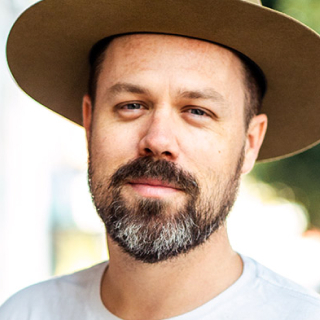
Max Baybak
All right, all right, we're back at it, and this time we're here in beautiful Vancouver, Canada, where we're bringing you Next Level Practices podcast episodes live from the floor of The Aesthetic Meeting 2024. This is the annual meeting of the Aesthetic Society, or the American Society for Aesthetic Plastic Surgery. It's a meeting we never miss. Over these next few days I'm going to be interviewing our clients and friends from around the industry to bring you up to the minute insights on what's working and what's not when it comes to patient acquisition and practice growth.
Here at Influx we're very serious about keeping up with technological trends and studying how these changes impact the way that our clients grow their businesses, but I for one, I'm a big believer that truly setting yourself apart comes down to the nuances. So let's take some time over these next few days to interview people on the ground floor of aesthetic medicine and see what we can learn from them to help you take your practice to the next level.
Okay, I'm back, and I'm very proud to be joined by our good friend and client, Dr. Bradley Bengston of the Bengston Center for Aesthetic and Plastic Surgery in Grand Rapids, Michigan. Dr. Bengston, thanks so much for sitting down with me.
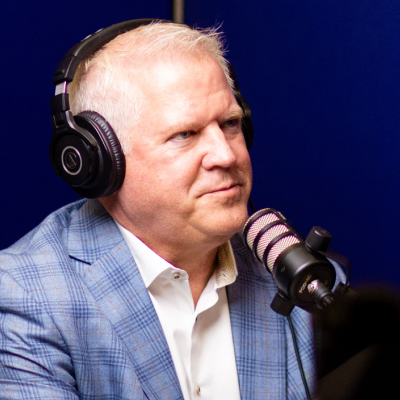
Dr. Brad Bengston
Yeah, thanks for having me.
Max Baybak
I'm very excited to get to pick your brain again, and this has been really fun, because we did this for the first time at The Aesthetic Meeting last year.
Dr. Brad Bengston
Yeah, down in Miami.
Max Baybak
Down in Miami. A little bit of a different, um, scenery here, but absolutely gorgeous in Vancouver.
Dr. Brad Bengston
Love it here. I did a seaplane ride yesterday and kind of went up to the glacial lakes and up toward Whistler, and oh my gosh. It was really funny — when I was young, I worked in Lake of the Ozarks at a seaplane port, so kind of helping people on and off the plane, and if we were a passenger short, I got to ride a lot, so probably 1,500 trips or whatever in a couple years. And so when I saw they were giving, you know, seaplane rides out my, you know, hotel window, I'm like, got to go check that out. So, um, took a ride yesterday. It was absolutely spectacular, unbelievable.
Max Baybak
It sounds magical. I used to come here a lot as a kid — my dad did a lot of work up here and we'd always talk about it — but I've never done those seaplane rides, but I've stayed right there at the Pacific Rim and watch them just coming in.
Dr. Brad Bengston
Yeah, or the Pan Pacific and the Pacific Rim — both of them, there's two different hotels — and you can just see them coming in all day. Really cool. It's beautiful.
Max Baybak
I've never done it, but I have been up in northern BC, and it's some of the most beautiful country you can ever imagine, so I'm sure just even where you got to is majestic natural beauty. So beautiful. Well, so this year I've got to interview a few new docs, but I'm also really interested in, you know, sitting back down again with our clients.
Dr. Brad Bengston
To an old doc?
Max Baybak
No, I didn't — I meant that I haven't interviewed new in that sense, but that's funny. No, to do a kind of a catch-up interview, meaning those are my first time interviewing some doctors, but now, we interviewed last year, and then to kind of go, what's the up — what are you seeing, what's different? And you've had some big changes.
Dr. Brad Bengston
Yeah. I, uh, am part of this really cool new Bible study in Grand Rapids, and one of the guys in the study said something — he was talking more about spiritual growth, but, you know, it just has application to everything — and he basically, um, told me that all growth is change, but not all change is growth. It's really powerful, and I'm still unpacking that, man. I mean, it is like really wild. But when I think about that from a practice standpoint, the amount of growth that we have undergone and the amount of change that's accompanied that, that we've had to translate, like, to our staff, and that, to the public — people don't know anything's any different.
I mean, the great things about, um, private equity that I think we need to spend a little bit of time about — there are a lot of misconceptions about it, so I'd like to share a little bit about that. Um, but, you know, the ideal situation is that to the public and your patients, they shouldn't notice a difference, and, you know, it's still the same name, still the same buildings, still the same people, you know. Um, so from that standpoint, it's not really changed to them, but the internal change and growth and things that are happening — it's very dramatic, kind of behind the scenes, behind the curtain. So that's really the exciting stuff for me.
Max Baybak
I would love to unpack all of that. That quote — that's really cool. I'm going to give that some thought too; it's got my gears turning. But, um, so yeah, obviously for our listeners back home, what you're referring to is that you partnered with a private equity backed platform within this last year, last 12 months, since we last sat down here. And obviously, you know, what we talk about on this podcast is roughly speaking practice marketing, but it's practice growth, and all of this fits in, right? And this is potentially maybe not for everyone, and that's what I want to pick your brain on, but for some practices it is the next logical evolution in practice growth.
It's here, it's happening, we're seeing it. You know, we come across it in different ways with our various clients, um — some of these platforms reaching out to us for assistance with marketing, some of these platforms acquiring our clients, and they have some of their own marketing systems in place, or sometimes they want us to continue or help. So many different versions of it. But, uh, I think the main thing is it's here, it's here to stay. There's different opinions about it. We should just be talking about it openly and transparently, and I hope that what we can talk about today will help people who maybe are grappling with this or have questions about it.
Dr. Brad Bengston
Yeah, I hope so too. So I think just to start out, I think that, uh, surgeons need to have a very open mind about it. Um, like we were just speaking offline, um, you know, we ask patients to give an informed consent, you know, sign an informed consent, which is really — informed consent is telling a patient about a procedure, about all the options, including non-surgery, um, what it's like, um, what, uh, the risk and complications are — a lot of people kind of go directly to that — but it's also like, what's the follow-up, what should I expect, and those sorts of things, when do I kind of get back to normal activity, all those things. It really is impossible to give 100% informed consent, but the important thing is you need to be open, honest, and transparent to the patient in order to help them make the right choice for them. And the same thing applies to this.
So there's so many people with just closed minds that I talk to about it, or talk to me about it, and they're like, I'm not going to sell out, you know, or, um, you know, I don't want to lose control. Well, those are just things that are just statements that are based out of ignorance. I mean, they're not honest, you know, realistic sort of things, right? Because obviously I don't want to do either of those either, right? So there must be something to it that is beyond that. And so, um, I think that surgeons have to keep an open mind and an open heart. I think actually we do kind of what is in our heart, um, ultimately, and you can't sell something if you don't believe in it, and those sorts of things, so I think things kind of initiate from the heart.
The first two misconceptions I think that are out there are the first two that I mentioned — that I don't want to sell out, you know, my practice, and those sorts of things, I work too hard to build it, blah blah blah. Well, actually, when you get into it, you're not selling anything — you're actually buying. And the way that private equity works is — we interviewed, um — and first of all, just a plug for Skytale, this investment banking group. I talked to Brad Calobrace, uh, right before ASAPS last year, and I basically said — so how I started on our journey is, you know, I'm getting, you know, probably 10 calls a week from these private equity groups and stuff, and, you know, what are you doing with that? And so we had a long discussion. He was a little bit ahead on the path before us, but he put me in touch with Ben Hernandez at Skytale, and you just can't navigate this process if you're going to do it on your own without a group like that. And they have been a long time — uh, we had an amazing experience with Ben and his team, um, kind of navigating this whole process. Um, so they developed the CIM, which is a 70 to 95 page document about your practice, and it —
Max Baybak
What does that stand for, do you know, CIM? But it's essentially a kind of a prospectus of the practice.
Dr. Brad Bengston
Yes, exactly, and includes all the financial aspects of things. Um, it's just a really deep dive with your practice — has outlines of all your employees, all your providers, and it's just a really, really, you know, in-depth, you know, kind of practice profile, basically. Okay — they send it out, they interview us, and they send it out to their 187 private equity groups looking at aesthetic medicine right now, and they all have different personalities. In that, we got about 60, uh, hits or interest in it, and we ended up getting about 35 letters of intent — these initial offers, they call them IOIs, these initial offers — hey, we're interested in your practice and all that.
We basically wound that down to about 15, and then we had seven that we interviewed online — like, we kind of put them in different tiers with help with Skytale, and, uh, so not quite as strong of an offer — and so they give you what's called an enterprise value. So they work off your EBITDA, um, which is just like, uh, the value of your practice, kind of a standardized value of your practice, and then current valuations run from about 6 to 10x of that EBITDA. They give you a percent of that in cash and a percent in equity — so pretty common across the board, like 35% equity to 40% equity, and, you know, 60%, 65% cash for that enterprise value.
Max Baybak
I know those equity deals can be structured in different ways. In this case, do you still retain that portion of equity in the Bengston Center, or the Bengston Center is wholly owned by a larger TopCo that you own then a percentage?
Dr. Brad Bengston
That's right — the latter, yeah. So there are — every private group has a little bit of a different setup or format. What I think you want — you want to invest into a platform of this new entity. You don't want to keep the money in your own practice, because that's limited to your own growth, and the major growth is going to happen at the platform. So you own a piece — so we own equity into —
Max Baybak
Of everybody else, everybody else's that they partner with as well — practice in the platform.
Dr. Brad Bengston
Yeah. And the key thing is you want to link yourself to a group that, um, has a large backing in investors. So Varsity is the group we ended up going with. They're like a $2.7 billion, you know, company, so — and all they do is health care, so they have a health care background. They've had the number one derm, uh, ortho, uh, platforms that have sold, so they have a history of selling. Um, you know, one of the misconceptions is, well, nobody has sold an aesthetic platform yet, and so nobody has a track record.
Max Baybak
Resold it, right? Because the goal is they'll recapitalize.
Dr. Brad Bengston
Recapitalize and sell, yeah.
Max Baybak
They bundle groups together, create operational efficiencies, and then sell that to a bigger player. So that's what you're saying has yet to occur?
Dr. Brad Bengston
Yet to occur in aesthetics. I'm like — because it's just started. I mean, you know, we're like in the top of the first inning, right, with aesthetic medicine. Dermatology, uh, dentistry, you know, some of those — we're either in the bottom of the ninth inning or the game's over, right? So, yeah, so that's not a really realistic, you know, way. So anyway, we got it down — we actually interviewed, um, eight private equity groups in two weeks, so we had a different group come in every other day. We had them into our practice in person, their leadership. We had a meeting and gave a tour of our practice and then went out to dinner. So, um, it was like speed dating or something. It was really weird.
Max Baybak
It's a lot of dinner.
Dr. Brad Bengston
Very, very exhausting. Uh, but the good part about that, I feel that we got exposed to all the top private equity platforms and stuff, and so I thought we could really make a really good decision. So the group we ended up going with, Varsity — that just really — they're a favorite to be in with. We really clicked. Um, you know, I think life's about fit and timing. You want to find a group that you really, you know, can mesh with well, the goals are the same, uh, very synergistic. Um, you want to go with a group that's very revenue focused, and when it comes to aesthetics, um, all the groups are going to be pretty revenue focused, at least the top ones. Um, they're not really coming in and cutting things, or, you know, making money by cutting people or staff, or trying to make you do more surgery in a shorter period of time and all that. They're really there — hey, you know, you're at the top of the field, very sophisticated brand practice, how can we, you know, invest in you to make you grow more? So that's the group that you kind of want to get involved with.
But the interesting thing about it is the equity portion that they're giving you. It's like — to me it's kind of strange, because the first thing is you have no idea what the value of your practice is. I mean, it's like so extraordinarily higher. You know, my wife and I, Anna, have just been working with our heads down, and, you know, we've helped build this amazing practice, but we had no idea what the value of that is.
Max Baybak
And so that's where Skytale comes in to help you clarify that.
Dr. Brad Bengston
Yep, they help you clarify that, and then the private equity groups that they go and present to with you give you an enterprise value. And so that equity is going in at the same level of all their other investors, and how private equity works, um — it's really more like a joint venture than classic PE. Um, you know, they're investing all same level, and they would need a return of at least 3x in 3 to 5 years, so that's kind of what their expectations are. So you're kind of given that equity part of your practice and you're investing into and buying into this platform. And then what really makes sense for the practice is when it does recapitalize — so that second bite, third bite, you know, those sorts of things — that's where it's kind of generational wealth. It's like crazy money. Unless you're a national, uh, professional, you know, athlete or something, I'm not sure you can burn through that much money, you know.
So, um, and for me, money doesn't drive me. I mean, I want to get the best value of my practice, but that's not the most significant thing. The most significant, exciting thing to me is, as soon as we signed last December, I contacted three or four practices that are like me, like us, and I'm like, I want to practice with you, I want you on our platform. So I went out and really lobbied to get Varsity to interview them. Um, fortunately, at least three are going to be coming online, you know, in the next 3 to 4 months, and so it's super exciting.
So the coolest thing to me is that now I'm going to be able to practice with, um, my colleagues that already were doing best practices with. Um, you know, I have a number of these guys on speed dial, you know, and, you know, we do things in practice at a level that's different, um, just by the way our practice is, and it's very concierge focused, very unique. And so now it's just going to, uh, incorporate all that together, and so we're going to have the ability for, you know, probably 40 or more of the top plastic surgeons on the same team, in the same practice, and integrating together educationally and patient focused and all that. And then you have integration with the CEO, CFO. We'll have probably 60 injectors, aesthetic experts, so they're interacting and learning, aestheticians. Um, that to me, that's like the most exciting thing to me.
Um, and then the third thing, I think the biggest advantage is, um — I cannot tell you how many soccer games, basketball games I wa— it's not wasted, but, you know, spent time in our office after hours talking about which 401k program we should go with, and what health care program should we go with, and high-level HR issues or legal issues, those sorts of things. Within six weeks, those were all gone, and we've joined now the synergies that you gain with such a bigger group. Our health care is the best health care plan we've ever had, um, and it's immediate. And our 401k investment — 100% matching, 4%, you know, matching — so much better level for our staff than we could ever achieve on our own. And it allows the surgeons to not have to worry about that anymore.
So now our focus is all on strategy. Like, okay, how are we going to do this buildout upstairs? We're going to get seven new treatment rooms, and our hair restoration center is moving upstairs. You know, we need to go out and hire more providers to fill those rooms. So it allows us to really focus, and it gives us revenue to possibly accomplish what we could have done on our own, but just more efficiently. And, uh, again, the ability just to do best practices with all my friends, but all these really top quality plastic surgery practices out there — you know, it's just going to be incredible. And so those are the most exciting, you know, aspects of it. And I think at the essence, if you can find a private equity group that can accomplish all those things for you, that's revenue growth driven and not kind of going in to mess with your mojo a little bit, cut staff or anything like that, um, you know, I think you'll really see the value.
Max Baybak
So those are all at least similar or common themes that I've heard talking to people who've partnered — with clients of ours and people around the industry who partnered and are happy with that partnership. But one that I've been recently hearing a little bit more, with the platforms that are focused on putting together surgical practices, is that thing about being able to partner with your colleagues. So I was just talking to someone else who was very excited about this fact. They had a colleague across the country, and they feel like they have this, you know, one plus one equals ten effect. And that's why we're here at the Aesthetic Society meeting in the first place, right? It's supporting each other. But you can do it in a whole another way, and they were just really fired up about the synergies and the educational programs they're going to put together and the sharing and the cross-pollination — I mean, of the collective years in practice between all of them. So that's a really — I think it's a little bit overlooked as a value proposition.
Dr. Brad Bengston
It's really going to be, I think, at the end of the day, the main value, right? You do get cost savings and, you know, things like that, just by the number, the size of the group — you get of course better pricing for different toxins and all that stuff. But to actually have a summit, you know — I mean, we'll have a meeting like a — it'll be probably larger than a lot of national, you know, or, you know, uh, regional meetings or state meetings. I mean, we'll have potentially 10 plastic surgery practices with maybe 60 doctors and, you know, probably 4 or 500 employees, right? So —
Max Baybak
Wow.
Dr. Brad Bengston
It's, you know — and when you have that, the Allergans and Galdermas — I mean, they're sending everybody in. We were already talking to Chris Surek about doing a cadaver lab and bringing in the, uh, national, international trainers, and, you know, just all those things that — I think they're just really — it's just kind of a picture, a vision for me, for like plastic surgery 2.0. I mean, like this, and from where I am in my practice now, you know, um, five, six years to go — I mean, one of my best friends is a pastor, and he always tells me, if you want to hear God laugh, make plans. So everything is God willing. But, um, you know, but just the next five years of my career I think could be the most exciting, just with teaching, you know, just leaving a legacy for, you know, for plastic surgery, the things that I do well, and learning from people that do other things well. Um, to me, that's the most exciting.
Max Baybak
It does sound exciting, and the plastic surgery 2.0 — uh, I like that framing, that's cool. I think it's kind of a merging of the minds, and it's maybe more of a talent, um, pooling play than — then of course it is talent acquisition, you know, you and your group and everything you built, but I didn't really think about kind of the mind share or the brain trust that's created, is what I'm trying to say — that's created, and, um, that's really interesting. Yeah, again, there's these various society meetings — I know that you all and your colleagues come here to learn from each other, but I think there's inherently a little bit, at a certain point, like walls that go up in sharing, and it's funny that that could be the weakness that gets broken down by grouping together. Not entirely — there'll be different walls that are built, but in terms of people will then be cooking up their own secret sauce of how to do things better, right, but within a larger group sharing together. It's really interesting.
Yeah, will you share what you mean when you say rev— just a little bit more, when you say revenue focus? It sounds like you're saying topline revenue focus rather than meddling. I mean, obviously the group you're partnered with — you said it's Varsity, and the platform is — it's called, uh —
Dr. Brad Bengston
United Aesthetics Alliance, UAA.
Max Baybak
Yes. So, um, obviously they care about what comes out the bottom, but is it that they're more topline growth right now focused, or what do you mean when you say revenue focused?
Dr. Brad Bengston
Yeah. So I think, for instance, um, you know, there's a couple ways that you can increase revenue for a company, right? And I think the cool thing about aesthetics is it's typically cash pay, so there's very little of any insurance-based. If you're an insurance-based physician, really the only way you can make money — you can try and charge more, but the insurance companies and the hospitals are going to limit and dampen that down, so you don't have that option. So you can, um, see more patients in the same time, but now you have all these paperwork initiatives, things that you have to do and comply to, and they're going to give you only a limited number of staff to help you accomplish that. So it's really hard to drive more patients through, um, to become more efficient or to make more revenue, so you're really limited. You can grow, you can add physicians and stuff, you know, and that way is probably the most effective way, but there are limits on who you can acquire and bring in, right, because their salaries are capped or limited and stuff. So when you're in an insurance-based practice, you have all these different limitations.
When you're a cash pay, you know, practice — and, um, every PE group, as I said before, has a personality. Some are very med spa focused. Um, the one that we're on is high-end, sophisticated plastic surgery practices with med spas. I think that actually is a better practice model. I personally think that med spas own — um, are going to be, um, kind of winding down and not quite as valuable as they have been, because medical-legally there's all these new lawsuits and stuff happening, um, where these things are happening at med spas that are not controlled and are not associated with a doctor, right? So you're not really sure what product you're getting, how much the dilution is. If there's a complication — I mean, the majority of aesthetic medicine goes really well, right, but if you put the filler in an artery, that's going to be a disaster, and there's a lot of high-profile cases and stuff.
In our practice, we have two, soon to be three, physicians there 24/7. Every patient that's there is coming in and there's a plastic surgeon there, multiple, you know. So if there is a complication, we have protocols and processes where it starts immediately, and most of the time you can mitigate against those complications, so it's not as bad as it's going to be. Well, these med spas — some states, California, they're basically passing laws where you don't even need to have a medical director. Well, I mean, I think that just from a safety standpoint, um, is not the best for patients.
And then the other thing with med spas — they really don't develop a brand, a sophisticated brand. The main thing they compete upon is cost, and so that's where it's all going — commoditization of things. And, uh, and that — so, you know, I just don't think that's the best model. I think our model is a little bit better, and, um, I think with that, the value of high-end aesthetic, uh, surgery practices that have a surgical component and a med spa component are going to have the greatest value. And I think that is yet to be seen — I think that multiple actually is going to be more 8 to 10, you know, versus some of the other, like derm, you know, and other med derm and stuff, dentistry, you know, insurance-based practices being more in the 3 to 5, you know, sort of range. So we'll see.
Max Baybak
I've come across a lot of the challenges with some of these platforms — and I would agree — that they're experiencing, and they're talking to us from a marketing perspective, and I would agree that the only-surgery and the only-med spa, um, has some inherent weaknesses. And I would say the strongest — but you have to be built for it, right, and some platforms are and some aren't — would be the dual component of non-surgical and surgical, for all kinds of reasons that I could unpack. But the short statement I'll make now is, from my perspective — not that I'm super qualified, but I am qualified to have an opinion, and I have strong opinions about all of this — and I see that that does seem to be — I believe that's who will win. I do believe that's who will win in the recapitalization phase.
So when we talk about revenue focus, I guess what you're saying is more thinking about being growth-minded, is maybe the term I would use, and not to say that they don't want to be smart about the balance sheet, but it's cause we do see some — and I have seen them, and I believe it is a mistake — that are thinking the best way for us to affect the bottom line is to come in and slash and tweak and optimize — and there are optimizations to be made, don't get me wrong — but also, what are we doing to grow at the top line while optimizing, instead of seeing the only opportunity be in the optimization of that balance sheet? Which is where maybe some of your colleagues have said, I don't want to — you know, it's going to turn into a disaster — is they've heard those stories, that people too focused on cuts as the only way to rise.
Dr. Brad Bengston
And I think the other — focus on cuts, and even the focus on growth — you can't lose the focus being on the patient. You're focused on the patient, you know, and trying to provide top-tier technologies and ultimately experiences and outcomes. That's what it's all about, and then I think everything else comes. If your focus is on a dollar, or, you know, or cutting to make money or whatever, you're going to miss it, you're going to lose it. But saying that, you know, if your focus is on really high quality education and outcomes and technologies — and that, we found that.
When you open up — we're getting ready to open up seven treatment rooms in 3 months, because we've had to reformat our practice to allow for nargas to come in to see patients. So we're going to be seeing dual patients, you know, at the same time, that we've never done before, because Dr. Alonso and I have opposite schedules — so I'm in surgery, he's in clinic, right? So now we're going to have more double OR days, which is going to dramatically increase our revenues, right? We have a new surgeon — that's the best way to increase your revenue. And now in clinic we need to see patients, um, you know, at the same time, and so now we have to move our current, uh, non-surgical rooms to another space. So fortunately a space opened upstairs — uh, my wife's not too happy we're sticking her in the basement, you know, instead of her beautiful marketing office and stuff like that — but we're converting and gaining seven treatment rooms and moving our hair restoration upstairs.
Max Baybak
Wow.
Dr. Brad Bengston
You know, it's probably — once those rooms get going, lasers — it's probably a million dollars per room annually. So that's the growth that they're talking about. And bringing in med spas, you know — the concept is not having a med spa, buying another med spa, buying another med spa. Our, uh, model is we have the hub of the Bengston Center, and our main current med spa is in our space, cause we have space — we have 26,000 feet or whatever.
Max Baybak
Wow.
Dr. Brad Bengston
So — but we're looking at other med spas in the region, you know, on the lakeshore, stuff like that, that can be, you know, feeders and hubs for med spas for our practice, that's going to have the same quality of education and quality of, uh, aesthetic providers, injectors, and stuff out there.
Max Baybak
So you're building revenue by de novo and acquisition of different med spas in your region, so you're extending your reach.
Dr. Brad Bengston
So that I think is the best way to grow revenue, and, you know, patients, and happy patients and all that.
Max Baybak
So first, your focus on making sure that you don't get too caught up, either which way, in the almighty dollar, such that — because of course, at the end of the day, there is a financial transaction and exchange happening here — but not getting so caught up such that you're forgetting the patient. I think that that's strong. It's been a strong theme with each of the surgeons that I've sat here with here at the meeting, is that we just need to always come back to that, and it's overly simplistic maybe, but it's just — it cannot be — it isn't, it cannot be forgotten. Has to be the focus. And I think that that's always the foundation for successful businesses and practices that I see, is that they truly, genuinely keep that in focus. Yeah, so I think that's a great point. Um, that was a perfect illustration of strategic, growth-minded, uh, planning versus only sort of thinking about how can we corral and keep in what we got, versus how do we put it back in for strategic growth. So that's very cool.
I had a few other things I wanted to pick your brain on — we're running long, so I'll keep it to one last thing here, um, but it still relates to this PE part, because I think we delved into this a bit, but I think it's fantastic, because I think this is what people are thinking about and wanting to hear about, and you're obviously, uh, someone whose point of view I think has a lot of weight to it, and I think it'll be very helpful for your colleagues to hear all this. I have a theory and a thought about all this that I want to ask you. So we talked at the beginning about some of the sour taste that people have — I don't want to lose control, I don't want to sell out. There are some groups that I think have done it wrong, and I've come across their paths in the PE rollup, or whatever you want to call it, the PE-backed groups, platforms. However, I think to some degree, some of the disappointment that people have had has more to do with not partnering with the right group for them.
Um, and I'm curious — I don't know what percentage that accounts for, but I think it's a higher degree than most people really take into view, and it goes back to what you said in the beginning of really understanding, and the due diligence you did back the other way. I just heard someone on stage — oh, we were at AIS, the Aesthetic Innovation, a few days ago, just before this meeting started — and someone on the M&A panel said, you know, you don't do enough due diligence back the other way. Sometimes they don't see the potential — the practice who is potentially, um, going to be acquired doing their own due diligence back enough. They're just looking at the dollar amount. And I think you might have even told me — you know, we had a conversation — I don't want to misquote you, so I'll let you tell me — that, you know, the dollar amount of the offer was not your ultimate decision. It was about finding the right group. So I think that that's what leads to a lot of this disappointment. Would you agree, now that you've gone through this?
Dr. Brad Bengston
I totally agree. I think that — and one of the coolest things about Skytale, and why I think they're so highly ethical in their approach to things, right, is they're like, we're not going to dictate or encourage you to go with a certain group, and certainly not the group maybe that's the best financial offer for you. We want to find the best fit for you, and so we spent a lot of time with you, getting to know you, and trying to match you up with those best fits. So it just worked out that the group that we liked the best was the highest valuation, so there was a double winner.
But, um, you know, I think it's so important, because you need to really be focused, and you really have to almost be up in the corner looking at yourself really honestly. Uh, I tell patients this sometimes, you know, where you can get lost if you're trying to decide between a mini and a full abdominoplasty. You have to be open and honest with yourself — what really bothers me, right? So if it is just a little bit of skin underneath your belly button, then we do a mini and you'll be happy. But if it really is more skin and fat above the belly button and we just do a mini, you're not going to be happy. So you have to be super honest with yourself and transparent — what do I really want, what's really important to me — um, because otherwise you can really get lost. And, um, so I do think that's really, really important.
I think the whole control thing, though, um — you do become an employee again, which is kind of weird, but things really haven't changed, and the only change really is, instead of me coming to David and say, hey, I just got back from Vancouver, I want to buy a new laser — I think we can — I think we need a new laser, our aestheticians and providers need something else in their toolbox — um, I met with the guys, this is the ROI on it, we should have it paid off in 3 to 4 months, you know, we do some other due diligence and we make a decision — now the only difference is we bring Varsity into it. We have to present it to them to say, hey, there's this brand new laser out, it's like so fast, this new Sciton BBL, it's like amazing, right? So we have to get it, you know, because we have the bandwidth for it, you know, the speed up, you know, more ROIs, shorter times, all that. And so we have to get them to sign off on it, because ultimately it's their practice now.
But as we grow, it's a lot easier, because it's like, hey, a plastic surgery — the other group on our thing, on our platform — has that, does this, you know, and so it's a lot easier, you know, because they can look at that. So, um, it's a fascinating process. My big takeaways are you can't do this alone — unless — uh, there's some groups that are coming to me saying, okay, you've done all the due diligence, I really trust you and your evaluations and stuff, I kind of want to miss all that, skip that level, and so just let me talk to Varsity and, you know, go that route. So that is one option, but if you're really, you know, wanting to go through the process for yourself, you really need to get a great, um, you know, IB team, you know, together with you to do it.
Max Baybak
So, well, sounds like you did it right, yeah, and you found the right group for you. And you said earlier, fit and timing, and I know from talking to a few other clients who've entertained this or gone forward with a partnership, the timing was also important. So at a different point in your — a different group might be the right fit, you know, depends on where you're —
Dr. Brad Bengston
Just one real quick comment — I know we're running over a little bit — but the timing thing is really important, because I'm talking to a lot of people now that are finding out, hey, you know, understand you did this, you know, and those things. Um, so a lot of people are saying, you know, I'm going to build my practice more, I need to hire another surgeon, I want to build my med spa, um, so I'll build my EBITDA, and then I'll be ready to do it. The counter to that is, I personally believe PE is gaining so much strength and momentum that the top 200 plastic surgery practices are going to be on a PE platform in the next 18 to 24 months.
Max Baybak
Wow.
Dr. Brad Bengston
That's what I believe — maybe a little bit longer than that. But the counter to, okay, I need to get my house in order to maximize, you know, my EBITDA and the money offer, is that as time goes on, you kind of want to get on board as you're reaching the apex of things, not on the downside, because the valuations are going to start going down at some point. And so you have to counter that a little bit, and there's some ways to do that with earn-outs and those sorts of things — that if maybe you're not quite ready yet, but hey, you know, a year from now I think my practice will have a higher EBITDA, so why don't you give me an earn-out for that next year.
Max Baybak
So in other words, you can calculate in those expectations, or give yourself ways to hit certain marks and be rewarded for the growth you're already intending, so you don't have to wait.
Dr. Brad Bengston
Right. So you have to think about that — it's a little bit of a double-edged sword — so you got to think about that.
Max Baybak
So, well, there's some great thoughts. We could pick your brain for hours, but if any of your colleagues are kind of considering this sort of thing, should they reach out to you? Would you be open?
Dr. Brad Bengston
Absolutely, absolutely. Happy to, happy to chat any time.
Max Baybak
Maybe just go to the Bengston Center website and they can find you, just reach out to you, call you?
Dr. Brad Bengston
Yeah, sure, sure, call us.
Max Baybak
My cell phone.
Dr. Brad Bengston
My cell phone, yeah.
Max Baybak
And would you mind if I ask you, how many years have you been in private practice?
Dr. Brad Bengston
So, 29 years.
Max Baybak
Wow, 29 years.
Dr. Brad Bengston
So, uh, pretty crazy. Um, wow, just learned unbelievable things. Um, unbelievable ride, from totally divesting our 401ks, my wife and I, to keep our practice going in 2008, and —
Max Baybak
Oh, wow.
Dr. Brad Bengston
Then our practice continuing to grow. It's just been an amazing, amazing ride, and just God's grace and an unbelievable amount of hard work. So it's been wonderful.
Max Baybak
I appreciate you sharing insights from those 29 years of hard work with us here. I wanted to ask you some other things about, you know, this event you do every year, but we did talk about it last year, and I think — I've seen a few other practices do this event — this kind of annual patient — you call it All That Glows — this patient appreciation event. If you don't know about it, you should listen to the episode we did with Dr. Bengston last year and hear what he does. I think it's really unique, and you said it's some large percentage of your annual revenue made in one week, right?
Dr. Brad Bengston
Yeah, it's pretty crazy. So September — or September 19th, I think, this year — uh, All That Glows. Um, yeah, we have all the vendors, we do a lot of demonstrations, um, you know, best deals, you know, and all that stuff for patients, but it's really turned out to be — I think we had 1,500 people there last year in about 6 hours. So it's just a lot of fun, a lot of energy, and just a really fun day.
Max Baybak
I want to come. I need to check my calendar and consult my wife before — before I commit on air. No, I really, really want to come. I love that it's so focused on education, and from education — and if you listen to last year's interview, that's what I took away from it, is that from education, the sales and the patients will come in, but you focus on education. People bring their friends who have been considering for a long time. It's so cool, and as a marketer I just go — that's such a unique idea, and it's a lot of work in a condensed period of time, and you must put on — you must put in so much work, you and your wife.
Dr. Brad Bengston
Yeah, uh, like seven weddings, my wife —
Max Baybak
Absolutely, I believe that. So, uh, I want to come, and I encourage people to go back and listen to that.
Dr. Brad Bengston
Can make it, yes.
Max Baybak
But Dr. Bengston, I don't want to keep you from the meeting any longer. We went a little longer than I thought, but really valuable insights. Thank you so much for sharing that.
Dr. Brad Bengston
My pleasure. Take care now.
Max Baybak
All right, thanks.
Dr. Brad Bengston
Thank you.
Subscribe to Next Level Practices
Next Level Practices is the show where we discuss the ever-changing world of digital marketing and patient acquisition and bring you the latest ideas, strategies, and tactics to help you take your practice to the next level.