

Authentic Marketing and the Future of Aesthetic Surgery
w/ Dr. Brent Robinson of Salt Lake City
26 minute view/listen


Nov 2025
Available everywhere you podcast



We sat down with Dr. Brent Robinson for our now annual catch-up at The Aesthetic Meet 2025.
A lot has changed for him this year — including a transition into a larger, growth-minded practice — and we dig into what that shift has meant for his work and the patient experience. Dr. Robinson shares how joining a team with a strong social media presence opened his eyes to the real power of digital content. From educational videos that answer patients' biggest pre-op questions, to organically generated “patient journey” videos, he talks about why authenticity wins and why he avoids incentivized influencer content. His stance: social media works best when it's educational, honest, and rooted in real patient stories — not gimmicks or forced trends.
We also get into what patients are actually watching before they walk into the consult room, how user-generated content impacts trust, and why even low-view videos can convert exceptionally well. Plus, Dr. Robinson shares his thoughts on where surgical trends are heading, and what the coming wave of AI-driven search might mean for surgeons in competitive markets.
Full Transcript
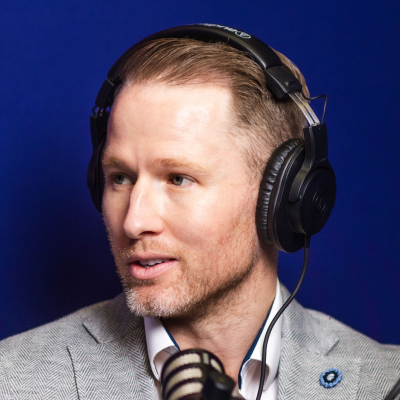
Dr. Brent Robinson
I've found that there are people that are really good at editing. There's people that really understand social media, like what's trending or what is kind of, uh, culturally relevant. You find there are people that can get, you know, great, uh, video content. Um, but trying to find somebody that can do all of those things well is difficult.
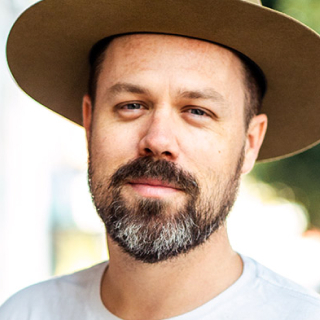
Max Baybak
It's actually quite a multidisciplinary function.
Dr. Brent Robinson
It's more than just shooting something on an iPhone and posting it.
Max Baybak
We're here at The Aesthetic Meeting 2025, and I'm sitting down with Dr. Brent Robinson of Salt Lake City. Dr. Robinson, thank you so much for being here.
Dr. Brent Robinson
Great to be here. Good to see you.
Max Baybak
Yes. It's good to have you back. You were in this very podcast booth with us last year.
Dr. Brent Robinson
Yeah.
Max Baybak
And I'm sort of building a tradition, um, which I think is fun, sitting down with some of our clients and kind of just getting like an annual update.
Dr. Brent Robinson
Yeah.
Max Baybak
And so I'd love to do that with you. And what I find so fun about it is I get to kind of hear from different perspectives what's happening in the industry, what's happening in this phase or this year of practice. So I'd love to hear about that from you. Let's start off by just kind of talking about what you're up to these days. What's changed for you since last year?
Dr. Brent Robinson
Yeah. So actually a lot has changed. Um, uh, I'm still in the same place. So I'm still in Salt Lake City. Um, but, uh, I have transitioned practices. So I was in a, uh, a smaller practice, one other provider, uh, and have since kind of transitioned to a larger practice. There's four of us, um, now they're in practice, and, uh, it's been a great transition. It's been awesome. A lot of learning along the way. Um, but overall it's been great.
Max Baybak
That's awesome. Yeah. You mentioned to me when we were— I mean, I knew that you did change practices. Was there anything that drove that change? Was it more about the practice that you were going to be able to be a part of and what was offered there? Or kind of curious, what was the motivation behind that?
Dr. Brent Robinson
Yeah, it was, you know, I've always, uh, wanted to be somebody that was in a larger practice. You know, it's great to kind of bounce ideas, you know, off each other. Um, we're all kind of on the younger, uh, spectrum. So we're all within about five years of each other. Um, and all kind of have a very similar, uh, kind of growth mindset. Uh, kind of all have similar kind of goals, I think. Um, so it's been great from that perspective, just to, you know, be with kind of like-minded individuals that, uh, kind of share a common goal.
Max Baybak
Yeah, there's nothing like having alignment among partners on the overall vision.
Dr. Brent Robinson
Yep.
Max Baybak
I definitely understand that. So I can feel you on that. This podcast, we try to focus on the marketing side. That's obviously, you know, the thing that we think about day in and day out. So when I sit down here with docs, I like to hear from their perspective about marketing, what's working, what's not.
You mentioned something to me earlier when I bumped into you at the coffee shop about how the practice you joined— the main surgeon, uh, really has totally gotten the social media thing locked down and is booked out, and then he kind of grew from there.
Dr. Brent Robinson
Yeah.
Max Baybak
Would you tell us a little bit about that?
Dr. Brent Robinson
Yeah. So, uh, you know, the partner that kind of initially started everything was, um, Dr. Chidester, and, uh, he, you know, has become very well known in terms of, um, you know, surgical outcomes, but having this really strong, you know, social media presence. Really, you know, kind of one of— what I look at as one of the first kind of, you know, really strong, you know, influencers kind of within, uh, social media. And so that has leveraged, uh, a large kind of patient following, and, um, you know, taught me a lot about kind of marketing.
And, uh, how to approach marketing from, you know, an informational perspective, in terms of, you know, talking about, you know, different questions that— you know, addressing different questions that, uh, patients might have. You know, post-op recovery questions, um, procedural questions, you know— you know, why do we do— what's the difference between an abdominoplasty versus a mini tummy tuck, and kind of trying to put that content out there so that people are informed.
Um, so I think that's kind of the power of social media, is being able to kind of, uh, provide that platform. And it's interesting, everybody kind of has their own flavor of what they do. You know, he's got these, uh, great dancing videos and everything, and, um, you know, everybody has a little bit of a different style.
Max Baybak
Yeah.
Dr. Brent Robinson
Um, so it's been great to be able to kind of see how that works and how you can, you know, kind of use that as a marketing.
Max Baybak
For sure. I mean, I think everyone has to find their own—
Dr. Brent Robinson
Yeah.
Max Baybak
—uh, their own style and tone and content format and what sort of stuff they want to do. But certainly, I've been in this business now about 13 years marketing for plastic surgery, and I have seen one constant— or there are several things, but one that I certainly observed— is there are definitely people who have been pioneers in certain marketing channels who've won and who've ended up coming out ahead. And almost in every case, there's been some skepticism, maybe even criticism of, you know, uh, early days.
We have had clients that were the first to put out websites, and that was, uh, you know, there was ethical concern over posting before and after photos online. And, um, you know, you run into these things where someone pushes the boundaries a little bit and is a pioneer and ends up, um, doing really well. So it sounds like in your case, your partner there, uh, was an early adopter in social media, and that's obviously played out really well for the practice.
Dr. Brent Robinson
Yeah, absolutely. And it's— there, I think I've seen, um, an interesting shift where there's a lot of patients that— there's a number of patients that come in and they want to kind of share their story.
Max Baybak
Mm.
Dr. Brent Robinson
So a lot of, um, a lot of what we do are termed— I don't know if I love this term— but the mommy makeover procedures, which basically consists of, right, some abdominal procedure, abdominoplasty, extended abdominoplasty, you know, whatever, and then, uh, some breast procedure. So breast lift, breast lift with augmentation. And there's a lot of patients now that are wanting to kind of provide that content, um, about their, you know, experience, about how they, you know, seek out a board-certified plastic surgeon, the vetting process, the consultation process, uh, whether or not, uh, that's a good fit in terms of, you know, kind of who they're looking for.
And I think that the content that patients generate— I think it's very organic and it gives a very real-life perspective, because I can talk about different procedures and, uh, from a technical standpoint I can explain, you know, kind of what we're doing and what our goal is. But, uh, when patients see somebody that kind of looks like them, that is kind of from, you know, kind of a similar, um, background, and that person goes through and said, you know, "I had this tummy tuck, and this is what my recovery was like, and this is what I expect."
And, um, you know, they even go into in depth about their post-operative protocol. And I had a patient recently that was, you know, sharing things that I never would have thought about— that she, uh, bought a tray that helped her in bed hold her things, and, you know, different compression socks. And so it's cool to see, uh, patients kind of coming alongside you and providing that, uh, informational content at kind of a different level and a different perspective.
Max Baybak
I think that stuff is highly engaging, highly relatable, obviously, if you're a patient considering surgery and really wanting to hear it from a patient. So are you focusing on trying to partner with your patients to make content more of that variety?
Dr. Brent Robinson
Yeah, they usually want to do it on their own. Um, you know, I never offer free surgery at all for influencers and stuff, like our PR— I just don't do that. Like, but it's— and, you know, I think they just want to share kind of their experience.
It's inevitably a lot of patients that have been thinking about, you know, doing something for themselves for a number of years, and then they, you know, some— in some cases get the courage up to kind of come in for a consultation, and there's a lot of kind of anxiety about that whole process and kind of breaking down that barrier to be evaluated, um, for, you know, surgical procedure. And it's a vulnerable, uh, position that we, you know, understand. And so for them to then kind of go through it and, you know, "It wasn't as bad as they thought it was going to be," or, you know, "This was hard, but, you know, this wasn't"— you know, so it's great to kind of validate a lot of those concerns that people might have upfront.
Max Baybak
Yeah. So when they make that kind of content, you end up in some of it as their surgeon.
Dr. Brent Robinson
Yeah. It's really— I mean, I never ask people to make videos for me, um, or content or anything, but, uh, they just kind of do it on their own, you know, own volition.
Max Baybak
I mean, that's the best endorsement you can get, right?
Dr. Brent Robinson
Yeah. I think, you know, I think there are places that, uh, try to incentivize patients to do that, and, uh, I just think it's not as genuine. And, uh, again, just the kind of organic content that comes out of it when the patient's just kind of sharing their journey.
Max Baybak
That's awesome. I mean, yeah, you can't ask for better than that, if they do it on their own and then you're hearing about it from a patient. This is a marketing podcast usually, you know, and we go off in different directions, but I like to keep it focused around marketing. So we're talking about content. Do you have— have you had patients actually come in from those other types of videos? Is that another—
Dr. Brent Robinson
Absolutely. Absolutely. And a lot of, you know, uh, kind of one of my goals with, uh, some of the content that, you know, I try to put out is to be, uh, really educational. And a lot of patients, you know, I'll talk about— like one thing our practice does a lot, right, is we do a lot of breast augmentation, and we do something called internal bra, where we, you know, use mesh to kind of support, uh, the breast implant. I've done a kind of number of posts on that.
And a lot of times we'll have patients, uh, that'll come in and they'll say, "Oh, you don't have to even really kind of"— tell them, go in depth into your spiel about what that is— "because I've seen your video. I know, you know what I mean?" Or I'll start talking, they'll say, "Yeah, I saw, you know, you already kind of talked about that in your last post," or whatever. And so, like, that's great. So then now we're— it's kind of that, uh, reinforcing of, you know, kind of something that they already know about, right? It's like studying for a class before you get to class, right? So you kind of are reinforcing, um, a concept.
And that's— I think that is really the power for me of social media, is just kind of, uh, educating, informing, um, trying to give clear, um, you know, evidence-based recommendations, and then letting patients make their own informed, uh, decision. Like another one is, you know, difference between, uh, submuscular and subfascial breast augmentation. That's another really hot topic. And you can talk to a lot of plastic surgeons that are here and they'll, you know, argue, you know, one plane versus another. And there are certain circumstances when, you know, one plane is better than the other, but, you know, just making sure that patients understand, you know, what are the limitations of submuscular, what are the limitations of subfascial, and, you know, kind of addressing those.
Max Baybak
That's awesome. So you haven't danced in any videos yet. You're focusing mostly on the education stuff. Or have you done any— have you done any dancing videos?
Dr. Brent Robinson
I did. Uh, I'm a terrible dancer, but, uh, I did, uh, I did very, very, uh, short-form dancing. So, uh, but not many. The social media ladies are always trying to get it out of me. But, uh, I'm getting a little more comfortable with it day by day.
Max Baybak
But do you feel like it helps patients kind of like endear, you know, kind of get to know your personality?
Dr. Brent Robinson
Yeah. Because if you're— I think, uh, you know, what I've seen is if you're just posting before and after photos on whatever it is, you know, Instagram or your page, uh, it's a little bit distant. And I think, um, part of Dr. Chidester's, uh, success has been that patients come in and they kind of understand, uh, you know, his personality and a little bit of his, you know, personal life.
And that's, you know— there's— everybody does that a little bit differently, but, uh, I think it makes the consultation a little bit more comfortable, because people kind of feel like they know you. Um, and, uh, you know, that's great. I mean, just kind of you making it a little bit more comfortable instead of this very kind of sterile, like, "I'm the physician, you're the patient." There's like this, uh, hierarchy that, uh, we really try to kind of break down at our practice, trying to be very, you know, conversational, and, um, just inform and make sure people kind of make the best, most informed decision.
Max Baybak
I love that. I agree. And I think you don't have to spend that much, you don't have to be so concerned. I mean, obviously having a big following is nice, getting a lot of engagement and views on videos is nice, but even if it's not at that huge volume, there's a lot of value in some of those views you don't realize. You could get a low amount of views, but some percentage of them are patients that later come to you and say, "Yeah, I watched it, I already know what you were going to say," or, "I've gotten to connect with you." So I think we also have to think about it not only from the, "Oh, this didn't get a lot of views. This wasn't good."
Dr. Brent Robinson
Right.
Max Baybak
Right. There's a ton more value.
Dr. Brent Robinson
Yep. And I think, you know, uh, one thing I've really tried to focus on for, you know, content-wise is try to think of, like, what question do most patients have before they, you know, come into surgery. So, like, what's the average question or unknown part of this whole process, and trying to not make content for yourself but for the patient. Like, how can I inform or kind of clarify, um, things?
And I think that that's— you know, I think if you focus on that, then that's, you know, that's really, really helpful and provides value to the patient, even though it might not be something that you necessarily would— be at the top of your list. Um, you know, keeping things just kind of basic and understandable. And because, you know, what we do, there's a lot of variability, um, and there's a lot of nuance, and there's— I mean, this is why we're at this conference, and there's, you know, so many different techniques and so many different post-operative protocols and—
Max Baybak
Yeah, forces you to put yourself in the patient's shoes a little bit, I suppose.
Dr. Brent Robinson
Exactly. Yeah.
Max Baybak
Yeah. How do you shoot that content? Is it just iPhone, or do you have a whole elaborate setup, or keep it simple?
Dr. Brent Robinson
Yeah. So we, uh, at the newer practice, we have, um, somebody that, uh, is basically in-house that helps us with some of the content. Um, some— I've done some editing myself. It's always better when somebody else does it, but, uh, yeah.
Max Baybak
Well, I mean, it's a lifesaver. We've gotten to the point of Influx where we do have internal team to do that now, but, you know, we didn't for the longest time. And yeah, but it's very hard to be consistent on social without those resources, I would say.
Dr. Brent Robinson
It is. And I think, you know, I've talked to certainly Erica about this, that, um, you lose a little bit of, uh, the kind of organic, uh, feel of content if you try, I think, to have somebody across the country, you know, do your social media, and it's like these, uh, stock photos, like, you know, that just— it just feels like an ad, you know. So, um, trying to balance that with somebody that can be there and kind of collect that content for you, I think, is really helpful.
Max Baybak
We've always recommended people do it in-house, or if they— we are actually doing more of a service now where we'll fly out to practices, but if they have a local option, they should really consider that, as long as that person really understands the trends, understands their industry. By far, that's the— work with a local person. But we're kind of developing, because it's really hard to outsource, as you've mentioned. So, yeah, we have to come to you and we'll shoot a couple months' worth of content. You still need to augment in between, because there's other things going on. It's not going to be the full solution, but there are, you know, there's a spectrum of solutions. But agreed, they got to be inside those walls. They got to be helping you produce that content.
Dr. Brent Robinson
Yeah, it's hard, because I've found that there are people that are really good at editing. There's people that really understand social media, like what's trending or what is kind of, uh, culturally relevant. You find there are people that can get, you know, great, uh, video content. Um, but trying to find somebody that can do all of those things well is difficult.
Max Baybak
It's actually quite a multidisciplinary function.
Dr. Brent Robinson
It's more than just shooting something on an iPhone and posting it.
Max Baybak
Totally agree. It's true. Totally agree.
All right. Well, we've gotten talking longer than I expected, because I was just— I was loving to hear from you about these things. But there's a couple quick questions and then I promise I'll let you get on your way. I've been asking each of the docs who sit with me some consistent questions, because I kind of want to hear from their different points of view.
Dr. Brent Robinson
Yeah.
Max Baybak
So again, we're a marketing podcast. I'm curious, from your perspective, what are the top, you know, two or three marketing channels on which you're getting new patients coming in your door, would you say?
Dr. Brent Robinson
Uh, for us, and my understanding of kind of what patients give in terms of feedback— uh, because we always ask patients, like, "How did you hear about Dr. Robinson?"— Instagram, like, by far. Like, not even close.
Max Baybak
Cool.
Dr. Brent Robinson
Um, TikTok, but unfortunately TikTok, uh, takes pretty much every video down, um, once you kind of put that label of plastic surgeon, uh, or plastic surgery. Um, so website would probably be number two, then.
Max Baybak
Awesome. And, um, okay, then my next question here is, are there any major industry trends you're seeing kind of in 2025 or over these last 12 months, good or bad, that you would comment on?
Dr. Brent Robinson
Yeah. So, you know, we were talking about this in terms of, like, where is social media content going? And I think it's, um— you know, it's hard to say, but I think a more artistic, uh, approach to, like, videography, where it's not just this, like, these kind of over-, uh, you know, these before and after photos that, uh, are just like, that's it. Um, more where it has this kind of emotional component to, like, the, uh, the way that photos are taken, lighting, all that. So I think that's maybe the next, but it's hard to say. Um, yeah.
Max Baybak
No, I agree with you. There's— I mean, that's kind of the foundation of our company, in a sense, if this is what you're saying. I mean, we tried to bring in designers, graphic designers, from other industries into aesthetics, you know, 12 years ago, when every website was very medical. And we've only seen more and more aesthetics come into aesthetics, if you will— refinement of the creative, and people selling, creating brands, and, you know, of themselves and of their practice, versus just a medical practice. And all of that requires a creative agency, or more and more doctors are becoming creatives themselves, right?
Dr. Brent Robinson
Yeah. Yeah. So it's one of the parts of, uh, of private practice that I really like, because it's like a puzzle, you know. You're just trying to, like, figure out, you know, what works well. And I think— I mean, the biggest thing is just trying to be genuine and just be who you are. Like, I'm just not, uh, you know, the guy that's going to dance as much as some other people. Um, and but you just have to stay true to, I think, who you are and kind of, you know, what works with your personality.
Max Baybak
100% agreed. In all marketing, got to find your— what you're comfortable with, your voice, but— and really let that come through organically.
Dr. Brent Robinson
Yeah.
Max Baybak
Uh, how has AI impacted your practice, if at all, so far? How are you seeing it start to come in?
Dr. Brent Robinson
Yeah, I don't know how to quantify that. Um, I don't know how to quantify that, because I, you know, every once in a while I will query AI for, you know, best plastic surgeon in Salt Lake City, just to see, out of curiosity, like, who it generates. It always generates, like, different random people, and it will generate somebody I've never even heard of. And so, you know, it's, uh— uh, I don't know. Um, I mean, that's probably a better question for you, in terms of, like, where, you know, where is AI going to take us? I mean, I know that's the next thing, that people are not going to Google search, you know, plastic surgeon. They're going to do that very thing.
Max Baybak
Yeah.
Dr. Brent Robinson
Best plastic surgeon, Salt Lake City, uh, abdominoplasty, and then it's like, how, you know, how do you position yourself there?
Max Baybak
It's a fascinating subject. Well, I ask about AI because people talk about it's going to change everything. So I kind of know it hasn't yet, like, dramatically altered the life of, you know, inside the walls of a practice. Marketing is where it's first touched, for sure, but even then we're still very early days.
But I like to hear from people if they're like, you know, "I actually have seen it show up here where I didn't expect," or we are seeing some device companies work it into their hand pieces and, you know, that technology, or they're talking about it, and some are early stage on it. Um, from a marketing perspective, one of the things I care about, for sure, the most, is when does the switch flip from search engine to an AI model? Uh, something like a chat.
Dr. Brent Robinson
We're kind of getting there, right? I mean, like, a— now Google search results, that, you know, it's integrated, but it hasn't— it's like this kind of—
Max Baybak
You know, dual model, where you have a little bit of AI, but also traditional—
Dr. Brent Robinson
—and then the traditional Google search.
Max Baybak
Here's the distinction that— like, I talk with my business partners about this, and we talk about a commercial search versus an informational search. It is 100% the superior product, any AI result, when you're looking for information. You know, I asked it recently something— I basically asked to do some research on someone that I was going to be interviewing, I think it was. So, what was their title? You know. And it just found a bunch of stuff on the internet. They don't have a Wikipedia page about them, so it wasn't as easy as that.
Dr. Brent Robinson
Yeah.
Max Baybak
And so instead of searching through multiple search results, it just summarized it all for me, and it said they recently switched positions from this company to this company, and it figured all that out. So I— it is 100% the superior product when it comes to informational. When we talk about a commercial search, which is anything where I'm looking for the best option or place to spend my money, a product or a service, and certainly a surgeon— the engine that drives that is random, it seems, at best.
Dr. Brent Robinson
Yeah.
Max Baybak
And I think it's going to eventually have to weigh in review data that is verified. That's what I think.
Dr. Brent Robinson
Oh, that's interesting.
Max Baybak
AI is data. AI is just taking the data that it has. And right now— I mean, it's actually been the game with Google for so long, is you put "best" in front of the doctor's name, and Google might say they're the best in that city, but it's not. But that's not credentialed in any way. That's not, um— I think Google has stayed away from trying to attach any kind of other resource or third-party validation of quality, any kind of a qualitative validation, because then they're appending their name to that, they're endorsing.
Dr. Brent Robinson
Yep.
Max Baybak
It'll be very interesting to me to see how AI decides to take something qualitative like "the best." I think answers will become highly personalized too, right? What's best for me? But so far, that part is extremely primitive compared to the informational search. So I think that— but the first thing is the migration, people using it more and more, and more of my friends just pick up the ChatGPT app or tap on that app versus going to Google. And the more that happens and the more they capture the audience there, then they're going to have more opportunities to say, "Okay, yeah, you should definitely be— you're in Salt Lake, you should definitely be going to see Dr. Robinson."
Dr. Brent Robinson
Yep.
Max Baybak
So we'll see when that switch flips. But since you turned it back on me, that's my thoughts about it. My last question is, where do you feel kind of the industry is heading? Like, if you look ahead, what do you see for the industry? That's a very open-ended question, but curious to hear your thoughts.
Dr. Brent Robinson
Well, I mean, I think we're just getting— in terms of, you know, aesthetic plastic surgery, I think we are— technology is coming to the point to where we are kind of bridging the gap, uh, between— so, you know, in kind of body-based aesthetic plastic surgery, kind of two general options, right? So you've got, you know, kind of liposuction, removal of fat; you have, uh, skin excisional procedures plus removal of fat, so that'd be like an abdominoplasty with liposuction. And then you have these patients that are kind of like in between, that they don't want the incision of a tummy tuck, but they might have too much excess loose skin and, uh, areas of localized lipodystrophy to just do liposuction.
So I think, you know, we're seeing already with Renuvion, um, here we're seeing Quantum— so radiofrequency, uh, helium plasma, you know, skin tightening. So we're going to see, I think, more expansion of less invasive, um, options for patients.
I think that what we're going to see a lot more of is endoscopic procedures. So, um, you know, transaxillary breast augmentation, incision that's in the axilla. We're going to go in, we're going to place a breast implant under endoscopic visualization, and, uh, there'll be no external incisions on the breast. Um, and so I think, you know, that was done a while ago, and I think it's coming back in, but there's more technology that we can kind of implement.
Um, so I think, you know, and we're seeing that with facelifts too— endoscopic facelifts, um, are going up. And so I think that's, you know, the more minimally invasive approach. Um, but, you know, again, the gold standard kind of always is, you know, skin excision plus removal of fat with some mechanism. Um, but, uh, I think that as the technology improves, we're going to kind of maybe bridge that gap and kind of narrow it— kind of more, I'm using a big word, liminal, liminal aesthetics, like in between, as a— you know, like in-between aesthetics. Kind of interesting concept.
Max Baybak
Yeah, I do think you're— I mean, not my area of expertise particularly, but obviously we spend a lot of time thinking about this, talking to people. And I've seen someone else answered that people are starting— consumers becoming more sophisticated and essentially seeing what really needs to be surgery, instead of having like a wrong expectation from something surgical, non-surgical.
Dr. Brent Robinson
Totally agree.
Max Baybak
But then those two things actually, what you said and what this other doc said, definitely I think go together quite nicely. So that sounds spot on. Well, Dr. Robinson, thank you so much. I promised you it'd be short, and look, we actually kept you for almost a half hour, so I apologize.
Dr. Brent Robinson
I just love kind of chit-chatting about all this. So thank you for the time.
Max Baybak
It's always good to see you.
Dr. Brent Robinson
Yes, you too. Appreciate you sitting down with me.
Max Baybak
Awesome. Thank you.
Dr. Brent Robinson
Thank you.
Subscribe to Next Level Practices
Next Level Practices is the show where we discuss the ever-changing world of digital marketing and patient acquisition and bring you the latest ideas, strategies, and tactics to help you take your practice to the next level.