

Live at The Aesthetic Meeting 2024
w/ Dr. Brent Robinson of Salt Lake City
30 minute view/listen


Oct 2024
Available everywhere you podcast



Doctor, doctor! In this exclusive series, available only on Next Level Practices, we're taking you beyond the forceps and curettes for a deep dive inside the minds of seven eminent plastic surgeons. Our hope is to give you insights pertinent to the various phases of a plastic surgery career.
From prodigies and veterans to legends of the craft, join us as they sit down with Influx Chief Growth Officer Max Baybak to provide a fascinating overview of aesthetic marketing insights at every stage of the game.
In this episode, we welcome Dr. Brent Robinson of Salt Lake City, who has been in practice for one year. Stay tuned for the next episodes, all of which will be rolling out in rapid succession.
Full Transcript
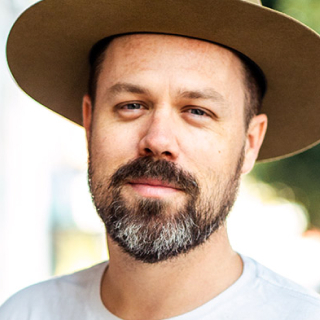
Max Baybak
All right, all right, we're back at it, and this time we're here in beautiful Vancouver, Canada, where we're bringing you Next Level Practices podcast episodes live from the floor of The Aesthetic Meeting 2024. This is the annual meeting of the Aesthetic Society, for the American Society for Aesthetic Plastic Surgery. It's a meeting we never miss. Over these next few days I'm going to be interviewing our clients and friends from around the industry to bring you up to the minute insights on what's working and what's not when it comes to patient acquisition and practice growth.
Here at Influx we're very serious about keeping up with technological trends and studying how these changes impact the way that our clients grow their businesses, but I for one, I'm a big believer that truly setting yourself apart comes down to the nuances. So let's take some time over these next few days to interview people on the ground floor of aesthetic medicine and see what we can learn from them to help you take your practice to the next level.
All right, I'm here with our client, Dr. Brent Robinson from Salt Lake City, Utah. Thank you so much for joining us, Dr. Robinson.
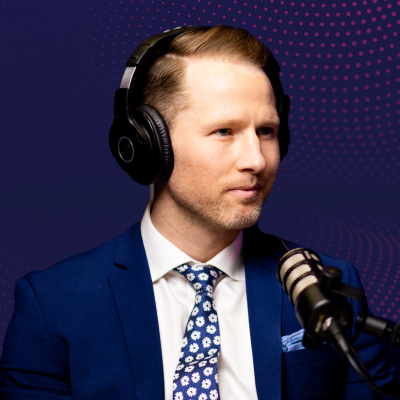
Dr. Brent Robinson
Absolutely, thank you for having me.
Max Baybak
Yeah, I'm super excited to sit down and have this talk, 'cause one thing I know from chatting with you a little bit — and, um, we were just talking about this — is your philosophy of sort of not — and you'll do a better job of explaining it, maybe I'll let you do that, but we — I forget how you worded it, but sort of a non-competitive point of view or attitude about your — about other surgeons, and sort of helping lift each other up. And I think that that's what this whole podcast is about, is let's talk, and that's what the Aesthetic Society is about, right? Let's all get together. And so that's what I want to do here today. But did I word it right? Do you feel like I did your philosophy justice?
Dr. Brent Robinson
You know, I think so. Salt Lake City is a pretty, um, saturated, uh, cosmetic market, but, uh, I don't think it's competitive in terms of, you know, us kind of looking at each other as competitors. Um, you know, especially with the younger kind of generation of plastic surgeons, it's pretty collaborative. I think we complement each other well. Um, you know, everybody seems to be really busy, and so I think, uh, that kind of traditional, you know, us against them kind of mantra is definitely, uh, not something that I've experienced.
Max Baybak
I think that's so beautiful. Uh, I very much subscribe to that as it relates to, you know — there's a lot of other marketing companies have booths here, you know. We've been coming to this meeting for years and we're friends with all of them, or, you know, I at least — I'm attempting to be, that's my goal. Some people may have different feelings about — you maybe a little bit more, their guard goes up a little bit more when another marketing company comes around, but I just believe in that firmly.
I just came back from another meeting, and a marketing — another marketer I ran into text me after: hey, it was cool to meet someone who just had that abundance mindset and wasn't closed off. And I was like, oh, that was a nice text to get. I think that's the right way to go forward. The rising tide lifts all ships.
Dr. Brent Robinson
100%.
Max Baybak
But at one point — am I correct? I don't know now, since there's been so much migration around the country in the last few years, but Salt Lake, or maybe it was Utah, I heard had the most plastic surgeons per capita. Is that true, or do you know if that's—
Dr. Brent Robinson
That's what I've been told, yeah. So, uh, when I was talking to Adam about this last night — uh, per capita, Salt Lake City has the most plastic surgeons in the country, which is crazy. Um, but, uh, you know, it is what it is.
Max Baybak
So yeah. Well, so you would think it'd be more competitive, but it's cool that you have a community where you're not running into that. So okay, now let's dive into some of that sharing. And what I'm — so this podcast is about marketing, and whether you're a marketing expert or not, you have a perspective. Every surgeon and our clients who we interview have a perspective from their personal journey of starting practice, going into private practice, growing a practice. And I want to hear from them the nuances of what they found was right for them, and it's not the same thing for everybody, right? There's a different mix. But love to kind of hear — you've been in practice now, what is it, ni—
Dr. Brent Robinson
Uh, nine to ten months, so yeah. It's been relatively new, um, but I would say that the growth has, uh, been interesting. So I would say that my kind of focus on marketing and, uh, just my overall kind of approach to my practice is just really trying to deliver, you know, great patient outcomes and, uh, really providing excellent level of care.
And what I mean by that, uh, is, you know, I think there's a lot of really talented surgeons in Salt Lake City, but it goes to the level of — I call every patient after surgery, the night of surgery, say hey, how you doing, anything you're worried about, any concerns, any questions that I can answer? Um, I have generally pretty much an open door policy, uh, with my patients. If they have any concerns after surgery, you know, just call the front desk, let them know you're coming in, uh, you know, we'll get you on the schedule, uh, if you have any concerns.
So it just is kind of that level of service, and I think that that's paid dividends in terms of, you know, patients that are happy with their outcomes, and then they talk to their friends and their friends talk to their friends, and so it's kind of this web of patients, um, that has gone out. And I have just noticed, like, you know, recently just kind of exponential growth in terms of how busy I've gotten, and, uh, it's been great to see.
And, you know, a lot of that comes through social media, and just trying to post, uh, informative, uh, you know, information about kind of, you know, what's the difference between submuscular breast augmentation, what's the difference between subfascial, why do we choose submuscular versus subfascial — and using social media as an outlet to educate. Um, and then also show, you know, results and kind of what is possible, and trying to show all kind of body types and all patient populations, and, you know, all of that kind of diversity of what plastic surgery, you know, can achieve.
Max Baybak
That's — you brought up some really, I think, important points in on that educational, uh, content that you're doing, and I want to ask you a few questions. But first I just want to say, you know, I think the whole goal of the society here and all of your fellow members would say they're striving for those great outcomes, they're striving for a high level of care. But it's interesting to me that you answered that in answer to the question of what's working for you marketing-wise.
Dr. Brent Robinson
Yeah.
Max Baybak
And there are some who I think absolutely understand this, but I think it's just interesting to understand, like, the number one policy in marketing is a great service, great results, great product, great outcome, whatever it is that you do. Um, so that's really interesting, and obviously that brings about the word of mouth. Um, but you still have to, at all times, even if your word of mouth reaches even a critical mass, you still need to have some source of new, right?
Dr. Brent Robinson
Yeah, right.
Max Baybak
So yeah, and it sounds like social media is one of those. I know we work with you on the website of things. What I want to ask you on the social media, though — is curious to get your take. So you're a younger doc coming in, and it's really cool to see this new generation coming in. We've talked to people who — even still, it's far less these days, but even still say, you know, I never had to do marketing, I'm still hesitant on it, from kind of the last generation of surgeons. They never had to market, and so it's just not native to them. Yeah. So social media, I mean, you basically almost grew up with it, right? What would you say?
Dr. Brent Robinson
Uh, I mean, to some degree, we have this, uh — I've heard this term—
Max Baybak
I don't mean grew up with it from birth, but you know, most of your formative years it's around. There's a saying where, uh, certain — maybe it's sort of the millennial, zennial, like, right? They say zennial, sort of in between Gen X and millennial, where analog childhood, digital adulthood.
Dr. Brent Robinson
Yeah, and we do have an advantage. I'm about to be 41, and I do think, you know, we have an advantage.
Max Baybak
The same — we're the same age, right? Are you 41?
Dr. Brent Robinson
I'm going to be 41 this month.
Max Baybak
Okay, I'm 41 in, uh, two weeks. There you go. So look at that. Um, and I think there's a nice advantage to kind of not being so far away from these things that they're totally foreign to us, but we also kind of understand, right? We're grounded in some more digital — or analog things growing up. But so, you know, it sounds like you really understand social media, but something that I think a lot of people struggle with is the effort that goes in and the reward that comes out, in terms of how they should measure it. I think a lot of people are looking at views and followers.
Dr. Brent Robinson
Yes.
Max Baybak
And I definitely — obviously those matter, but I'm curious to get your insights on what you get out of a post that maybe only gets a couple hundred views. Or, you know, let's talk about that a little bit.
Dr. Brent Robinson
So I will, uh — full disclosure, my social media following is very low, but the interesting thing that I find is when patients come in in consultation, even though they don't follow me, they have seen all of my work. And so I think one point, uh, that's really important, especially to the younger generation that are, you know, coming out of training into private practice, is that it doesn't matter if you have 100,000 followers. It is your CV to the world of what you can do, and you can't look at it critically in terms of like, oh, I only got, you know, so many views on this or that. Um, it is something that is critically important in terms of just showing patients, you know, what you can achieve, uh, in terms of your surgical outcomes.
And then I think the educational component that we kind of talked about, uh, is, you know, can you educate patients, uh, about, you know, procedures? Can you educate surgeons the difference between, you know, a board certified or board eligible plastic surgeon and a cosmetic surgeon, and the difference in training? And that's critical, because there's a lot of infringement that's occurring in plastic surgery. There's a lot of providers that are not formally trained in plastic surgery that are kind of slowly coming into the game.
And, um, you know, I take care of a lot of complications from other states, unfortunately, and, uh, you know, we all have — you know, everybody has complications, but you know, the issue is that sometimes they're not, uh, appropriately taken care of afterwards and, uh, kind of pacified, you know, by some of these other practices. And so, you know, I think that that all kind of stems back to this new avenue of social media — I mean, you know, this new format that we're seeing. Um, and I think it really helps, you know, inform the general public about some of these really nuanced procedures, some of the — like, what's the difference between a deep plane facelift versus SMAS plication, and all these kind of really complex things that are hard for a lot of people, uh, even some plastic surgeons, to fully, you know, comprehend.
Max Baybak
It's interesting, you said this new avenue, and obviously social is not all that new to you, for anyone — it's been a long time. But I would actually say that what we're seeing today on social media is actually still only a few years old, 'cause it's not pictures of your food anymore, right? And yeah, you do want to maybe pepper in some of that personal stuff — I actually think that goes a long way — but we moved to short form video content, and we're not that deep into that era. We're seeing practices now really understand — and they have for a while, the kind of early birds have understood that they need to invest in this — but more and more we're seeing the dominoes falling, people hiring full-time people just to help produce short form educational content. So that is kind of new still.
Dr. Brent Robinson
Yeah.
Max Baybak
And, uh, something that I've observed, and I think every conversation I have with a client or a surgeon I think continues to prove this, is that almost no matter how the patient first discovers you, they will go through your social in part of the process of vetting you. And the worst thing you can have is nothing, right? The second worst thing — or actually, it may be debatable as even worse — is to have something where you haven't posted in a very long time. So it's like kind of crickets, and you're like, what happened, did they go away? And then, yeah, you might — and then having educational content to vet you, even if it's not hundreds of thousands of followers and views, is really important to that conversion.
Dr. Brent Robinson
Yeah.
Max Baybak
And I would be curious to get your take on this: when you're answering a question, as you start to ideate on what sort of subject matter you're going to create content-wise, it's sort of funny, because you're going, well, these are nuanced questions that maybe people aren't — where do you enter in on their sort of knowledge? But I wonder if it — and you're sort of like trying to answer common questions, you're trying to answer questions that maybe people are frequently asked questions — but how much of it is the exact question, or maybe them just seeing that you're knowledgeable and seeing your sort of demeanor, right? And the nuances of it, they'll get — they're going to have to understand, they're going to have to see you and talk about questions that are personal to them. But is it — it's mostly just probably about demonstrating your expertise and your personality a little bit, right?
Dr. Brent Robinson
Totally, yeah. And I, uh, I had the ability to work with, uh, a patient that was, you know, kind of a local influencer, and, um, I did some procedures on her, and, uh, she's a great patient. And one of the most telling things that we did was that — she's got a pretty big following, and, uh, we did some go-lives on TikTok. And so, to answer your question in terms of how to kind of generate content and how to have that filter — because you have to remember that sometimes, you know, these meetings we come to, like, the technical understanding of the level that we kind of go to in terms of the nuances between, you know, deep plane facelift and, uh, extended SMAS plication and all these, like, really kind of complex things — like, sometimes it's just too much depth.
And so the questions that come up on this go-live TikTok, when we'll do these sessions, are really profound, elemental, kind of foundational questions. You know, it's like, you know, what are my options, uh, you know, for a breast lift versus implants? And just kind of like giving men and women, uh, just kind of those answers in terms of — it's like, well, you know, we can look at doing a breast implant with a breast lift, we can look at doing just a breast lift, we can look at doing one of my favorite procedures, a breast lift with fat grafting. And so there's, like, you know — and then it's like, well, what is fat grafting? We've heard that, you know, the fat all gets reabsorbed, you know, what is that? And it's like, well, we can go back to some of the research and kind of break down, you know, kind of what the research says about that.
And so when you go through these TikTok lives, or, um, even patient comments on Instagram, in terms of, like, asking these kind of foundational questions, I think it helps to kind of reorient, uh, you know, what your patients are looking for and some of the questions that they might have. And that, to me, you know, has been really helpful in trying to kind of navigate, you know, which direction to kind of take that educational component with social media.
Max Baybak
I think that is such a valuable insight, uh, as it pertains to how you decide what content you should create. The stuff that comes up live is maybe the most telling, because it's right in the moment. It's that urgent, most pressing curiosity that they have.
Dr. Brent Robinson
Visceral, like, yes.
Max Baybak
And I think when you're expert in anything, you have the tendency to overshoot the mark and get into so much complexity and forget that you're talking to someone who's, you know, way behind you in terms of the level of knowledge you have in the subject that we're talking about here, plastic surgery. So that's, uh, that's fascinating.
Uh, how do you feel as a — as a surgeon, I'm going to say young, 'cause I want to believe that I'm young too, 41 — do you feel like younger patients are looking for a younger surgeon?
Dr. Brent Robinson
Good question. Um, I was expecting that to be the case, and, uh, you know, when I first came into practice, like, when the first month or two, um, I had a lot of patients that would come in and they're like, how long you been doing this for? And I was like, well, I did almost 10 years of training, 10 years of residency with general surgery and plastic surgery. Um, and I don't know if I've just become more confident or my delivery has changed, but I've had very few, you know, patients ask, you know, like, have you done this a lot? And that came up a lot early on, but it almost never comes up at all anymore.
Uh, whether or not the patient demographics — because my partner is, you know, is older than me, my senior partner — I would say that I have a slightly younger clientele, but I do have patients that are a little bit older as well. Um, I also really try to push innovation, because I'm really kind of — so I have this really interest in regenerative medicine and trying to, uh, implement that into practice. Uh, I have this interest in really trying to go to these meetings, you know, watch videos, talk to, you know, people at University of Pittsburgh, where I trained, and trying to, like, always add something to make my outcomes better.
And so I always have this kind of, like, this growth mindset to try to, you know, be really self-critical of my results, and it's like, what could I — what can I do better, you know, each and every surgery? Like, and there's things that I change constantly, minute, tweak a little bit here and there. And, uh, so I think that that maybe resonates with sometimes a little bit of a younger demographic. Um, but you know, I see a little bit of both.
Max Baybak
So okay, I was going to say, it sounds like that hunger and passion you have to always be better comes through a little bit, versus sort of like, I'm in the little later half of my career, I kind of know how I do things, I'm set in my ways. And I would be looking for that — I would be interested in the person who still feels that they're a student and that they need to be on top of the changes that are happening, versus, I have what I do, it's down, I'm not changing it.
But also, you know, I put myself in the shoes particularly, I feel like, of a female looking to do a body procedure, and I would think I would want to be with a surgeon that really understands kind of present modern day body aesthetic, because it changes. So I don't know, but I would think if I was in those shoes, I would be looking for that.
But you brought up another point, which was coming into practice. And we have talked to a lot of docs who are starting out, and they have to get over that first hurdle of, how long you been doing this? And but it sounds like the confidence just sort of overrides that when it comes into place, right? And then they don't even ask you.
Dr. Brent Robinson
Right, right. And I'm not sure what has changed, but, uh, I was talking to our patient coordinator, and, you know, we were just recently talking about how interesting it was that kind of early on there was that kind of, like, you know, have you done this quite a bit? And it's like, well, almost 10 years. But that rarely hasn't come up for probably months, to be honest.
Max Baybak
I think that's fascinating, because I think in anything, if you come in with enough confidence and it's genuine and it comes through, then people just — they don't even think to ask. And it's almost like you don't need to pre-address it, if it — and if you're—
Dr. Brent Robinson
Yeah, the confidence goes a long way.
Max Baybak
I think that's good advice for—
Dr. Brent Robinson
And maybe some of that is, you know, secondary to social media. Um, my Influx website — in terms of, now the website that you guys, uh, did has before and afters on it, so patients can actually kind of validate your work and kind of validate, you know, what your surgical skills can achieve. Um, so maybe that's part of it too, 'cause I would imagine that most patients, uh, you know — certainly I would look at the surgeon's work before, you know, coming for—
Max Baybak
It's the most frequently visited pages on all of the websites that we do. But you hit on exactly what I was trying to articulate, uh, when you talked about the website. Your photos being the most important, your results, here, before and afters — but the website itself, that's kind of where I was trying to go.
I have a philosophy myself. I'm one of the co-founders of Influx, and my business partners and I decided to start Influx a long time ago, and it was founded on the idea that a website that has a certain appearance will instill trust tacitly. And if you have to say it, you lost it. If they just feel it and they don't even think to think, like, you know — there's no room for doubt, let's put it that way. If you're a luxury brand and you say we're a luxury brand, you're no longer a luxury brand. So they just have to come, and the trust is instilled, and the first impression matters a lot, just the first seconds.
And then right after that, you can guarantee, like you said, they're going to be looking at your gallery, your photo gallery, and those have to follow through with great results. And then if they see you on social media, they get your personality. And if all of what they think they saw turns out to be true upon walking in the practice, then you pretty much strike gold.
And that leads me to the last thing I wanted to ask you — or I have two more questions, is that all right? You got a few more minutes? I appreciate you spending this time with us. Um, which is the consult itself. So we talked a little bit earlier about this. I want to talk marketing here on this podcast, but an extension of the marketing is that, okay, now you've got the lead, now you got the consult appointment booked, the next step in the sequence is that they walk in the door for that consult. And you told me something staggering about your consult, we'll call it, conversion rate, from consult to actual surgery.
Dr. Brent Robinson
Yeah, yeah.
Max Baybak
What did you — would you — I just want to make sure I don't get it wrong. What would you say?
Dr. Brent Robinson
It's been, you know, relatively pretty high. So, uh, you know, last couple clinics we're close to about 100%. So it's been, um — and I don't ever try to, you know, basically get somebody to book based upon, you know, trying to get them to convert. But, you know, I think we provide excellent services, and so I think a lot of that comes down to just meeting, you know, a patient kind of where they are and, uh, having reasonable expectations, and basically kind of seeing what they want to kind of get out of proceeding with aesthetic surgery. You know, it's the most, um, kind of elective thing that you can do, and so, you know, we are basically kind of meeting them where they are, and we just want to, you know, kind of deliver on what they want, um, assuming that those expectations are something that we can achieve.
Max Baybak
When you say meet them where they are — I think I know what you mean, but I want to unpack that, because it sounds like you're taking the time to actually understand them, is what you're saying by meet them where they are, right?
Dr. Brent Robinson
Right, right. 100%, 100%.
Max Baybak
But this is not something — I think it's something that can be worked on, I think anyone can work on, but there's also some natural ability to being empathetic, right?
Dr. Brent Robinson
Big time.
Max Baybak
I think some people don't pick up on the cues and clues, but some people, if you kind of have that social knack, you kind of go, okay, I can kind of get what this person is trying to achieve, what makes them nervous, what makes them scared, what is their emotional—
Dr. Brent Robinson
Yeah.
Max Baybak
—motivators, right?
Dr. Brent Robinson
Exactly.
Max Baybak
Truly understanding those.
Dr. Brent Robinson
Yeah, exactly. I mean, just kind of, uh, seeing, you know, what the patient's motivation is for the procedure, um, seeing, you know, what their concerns are in terms of, you know, moving forward, and, uh, trying to fit them with the correct procedure for what they're trying to obtain.
Sometimes — so for instance, we'll have a patient that will come in, um, maybe that's, you know, mildly overweight, um, and the common one would be coming in for liposuction of the abdomen. And I have to explain that, you know, if we do liposuction — I always kind of use this analogy that liposuction, if this your abdominal wall will shrink down, basically the fat component of your abdominal wall, right? So we can actually remove — we physically remove fat, but it does not address the overlying skin. So we can fix one problem, but then we create a redundant kind of skin laxity issue.
And so, for you, I know what your goal is, is to kind of reduce, you know, this fatty area, but essentially it might be a better, you know, procedure for you to proceed with, like, an abdominoplasty or tummy tuck, where we actually address both that region with liposuction but also with excision of skin. Um, and so it's kind of trying to redirect patients in the right area and just kind of inform them. I never tell patients that come in for an abdominoplasty, like, well, you might want to do a rhinoplasty as well, or something completely unrelated, right? Like, I think that's completely inappropriate.
The other thing that I see all the time that I think is crazy is that patients will come in and they've been to three other consults, and they said, oh yeah, the last consult that I was at, the plastic surgeon said he would only put in 600 cc implants. And I'm like, you've got to be kidding me, right? Like, this is the most elective procedure that you can proceed with. So it's like, you know, we can talk, and if you tell me, like, you want something crazy like 600 cc implants, I'm going to talk to you about, you know, there's problems with bottoming out, skin stretch—
Max Baybak
Oh, they would only put in 600? They would tell the patient what size implants they would put in, and it was, like, non-negotiable? And this is common, this is not, you know—
Dr. Brent Robinson
And, uh, it might be a little bit generational. Um, they want to be the — they're sort of saying, this is my decision. My approach is, you know, completely shared decision-making. Like, you know, let's talk, let's try on sizers. You know, I can tell you what the most common — to kind of give you, like, a benchmark. You know, our most common size is 355 cc's, which is — you know, most patients now are coming in and they say, I just want to look natural, like, you know, maybe I had, um, a couple kids and I have some breast drooping and I want to look natural. And it's, you know, it's kind of meeting them there.
But, you know, so it's — to get back, it's always shared decision-making, kind of discussing with the patient what their goals are. And I think if you meet the patient kind of where they are, and you try to understand what their motivation are, and you set, uh, appropriate expectations, then I think everything works very harmoniously, and, um, it's a very nice relationship.
Max Baybak
So I would agree, in my own experiences in different worlds, but that same taking the time, caring, empathizing goes a tremendous way. Uh, you know, we have worked and talked to some doctors who maybe don't have the time or have set themselves up to not spend that time with the patient, and they're maybe looking for something just a little bit of a quicker, maybe more templated, more formatted consult. But I really always try to stress the importance of that, uh, because if you think about it from the perspective of just marketing cost — the one of the best ways that you can save and bring down your marketing cost is convert more of who comes in the door. And if you can convert anywhere close to 100%, 90%, 80%, um, it actually pays back in spades to spend that extra time. But it isn't just time, it's actually caring, is what you're saying.
Dr. Brent Robinson
Yep. And then the value of, uh, patient retention, you know. And I think that that component is really — you know, patients can come in for a consult, get surgery, and, you know, be gone. But I think it goes that extra step, calling the patient after surgery, how are you doing, you know, and having the patient know that they were well taken care of and that somebody really cared about their outcome, really cared, you know, how they're doing on a day-to-day basis. And, um, just providing that — you know, I mean, it's just something that I feel like is kind of intrinsic to my philosophy and my approach. Um, you know, I think that that, you know, ultimately will kind of pay dividends in patient retention.
Max Baybak
Well, clearly you already know you're right, because you're on the right path and you're seeing the results. But also, from my experience — I have been in, you know, marketing for aesthetic medicine, plastic surgery for about 12 years, and I can tell you, and honestly it's my experience in other business verticals too, that that's a common thread with people who have success. As they just set up a foundation of just doing great work, caring about the outcomes, and they always have a successful career by building on that foundation.
So in the spirit of, uh — on that note of a successful career, and I'll kind of leave it here so I can let you get on about the meeting — you know, you've been in practice nine months, you joined an established practice with an established sort of partner, as you said. And I'm curious what advice you would give to young surgeons going into practice. What made you decide to go with the practice that you went with, uh, to join that practice, and also just what advice you would give for young surgeons just going out on their own.
Dr. Brent Robinson
So I, uh, originally from Colorado, uh, trained at University of Pittsburgh. Uh, my wife is a pediatric rheumatologist, which is, like, a crazy super, super specialized, like, the most specialized you can get. And, uh, I wanted to be back in, you know, the mountain kind of setting, and so, you know, Colorado, Utah, they were all kind of great fits. There happened to be a job in Salt Lake City, and so it was just a great fit. And then, um, I was fortunate to get connected to my kind of current partner, um, just through people that I knew, and, you know, that transition, um, it's been great.
You know, I would say that, um, trying to find somebody that, uh, can offer some level of mentorship — and what I mean by that is not so much on the technical aspects of surgery, but almost the business and the workflow and the marketing of how a private practice runs. Because that transition from residency and fellowship into private practice is something that is very different from academia. I mean, I've been in academia for so long, um, you start to get into things like marketing and, uh, overhead and scheduling and all these unique things that are not taken care of by this large hospital system, uh, that just kind of, like, you know, does all that for you.
And so, um, just — yeah, I would say, you know, joining, uh, somebody that can offer some level of mentorship, uh, is important. Uh, creating a footprint in social media. Um, and, uh, just — I think it all gets back to just taking care of patients well, just being honorable, and just trying to really just do the right thing and take care of patients, you know, like you were trained to do, you know.
Max Baybak
It's all great advice, and the last bit is, I think, like I said, a timeless pattern that I've seen win again and again. So, and yeah, I know — I appreciate you spending this time. Thank you so much.
Dr. Brent Robinson
Absolutely.
Max Baybak
And I hope you enjoy the rest of the meeting.
Dr. Brent Robinson
Yeah, sounds good. Thank you.
Max Baybak
Doctor, appreciate it.
Subscribe to Next Level Practices
Next Level Practices is the show where we discuss the ever-changing world of digital marketing and patient acquisition and bring you the latest ideas, strategies, and tactics to help you take your practice to the next level.