

Live at The Aesthetic Meeting 2024
w/ Dr. David Turer of Pittsburgh
33 minute view/listen


Oct 2024
Available everywhere you podcast



Doctor, doctor! In this exclusive series, available only on Next Level Practices, we're taking you beyond the forceps and curettes for a deep dive inside the minds of seven eminent plastic surgeons. Our hope is to give you insights pertinent to the various phases of a plastic surgery career.
From prodigies and veterans to legends of the craft, join us as they sit down with Influx Chief Growth Officer Max Baybak to provide a fascinating overview of aesthetic marketing insights at every stage of the game.
In this episode, we welcome Dr. David Turer of Pittsburgh, who has been in practice for three years. Stay tuned for the next episodes!
Full Transcript
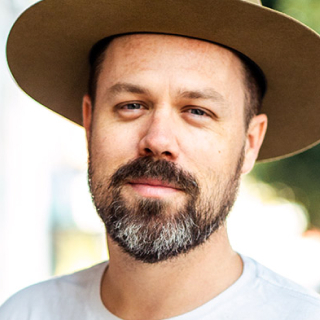
Max Baybak
All right, all right, we're back at it, and this time we're here in beautiful Vancouver, Canada, where we're bringing you Next Level Practices podcast episodes live from the floor of The Aesthetic Meeting 2024. This is the annual meeting of the Aesthetic Society, or the American Society for Aesthetic Plastic Surgery. It's a meeting we never miss. Over these next few days, I'm going to be interviewing our clients and friends from around the industry to bring you up-to-the-minute insights on what's working and what's not when it comes to patient acquisition and practice growth.
Here at Influx, we're very serious about keeping up with technological trends and studying how these changes impact the way that our clients grow their businesses. But I, for one, I'm a big believer that truly setting yourself apart comes down to the nuances. So let's take some time over these next few days to interview people on the ground floor of aesthetic medicine and see what we can learn from them to help you take your practice to the next level.
Okay, we're back, and this time I'm joined by our client Dr. David Turer out of Pittsburgh, Pennsylvania. Dr. Turer, thank you so much for joining us.
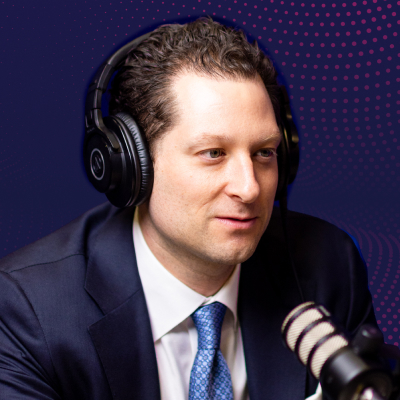
Dr. David Turer
Yeah, it's great to be here.
Max Baybak
So we did this one year ago.
Dr. David Turer
That's right. It's been fun.
Max Baybak
Um, to — again, that was down in Miami. Now we're in British Columbia, in Vancouver. It's beautiful. Have you been here before?
Dr. David Turer
I've never been to Vancouver before. It is beautiful. It's a little hard to get here.
Max Baybak
Yeah.
Dr. David Turer
Um, but once you're here, it is a beautiful city. I think it's worth it.
Max Baybak
Um, I didn't know how it would be, how the attendance would be here, being — you know, to me especially — I grew up in LA, to get up to Vancouver was a quick trip. I used to come up here for work a lot, actually. Um, but so it's not that big of a deal, but I think it's been worth it. It's been a really cool, kind of a different backdrop to the whole show. But how has it been? Has it been any different to you? How's the attendance feel? We felt like it's been great.
Dr. David Turer
I think it's been pretty good. Uh, most of the sessions, the bigger sessions I was in, were well attended, and um, you know, I saw a lot of the same faces that I see at all the other meetings.
Max Baybak
So, okay, cool. Yeah, that's kind of our experience, and honestly, we get to see our clients. We do meet some new people, which is great too, but even if we just came to get to sit down with our clients, right, create some cool content with our clients, get some — pick their brains, which is what I want to do here with you.
Dr. David Turer
I think I had a beer with Erica, and she — uh, it might have been her first hockey game ever.
Max Baybak
Oh, you — that was on the first night, when the Canucks were playing, right, in the playoffs or whatever. I don't really follow hockey. Are you a hockey fan?
Dr. David Turer
Uh, I do — I don't follow the NHL that closely, but uh, my boys play hockey, and I'm helping coach one of my kids too.
Max Baybak
Oh, cool. So that's pretty —
Dr. David Turer
I'm following different hockey.
Max Baybak
Yeah, that's the more important team to follow, one of the bigger stars in your life. Uh, well, so what I was going to say was, you know, we got to do this interview with you last year, and I appreciate you're going to sit down and do it again. I kind of am liking the tradition of — we do this podcast remote from, you know, from anywhere, but to bring it every year to one meeting, in — ASAPS, cuz just to — or excuse me, The Aesthetic Meeting, the Aesthetic Society.
Dr. David Turer
It's going to be The Aesthetic Meet next year.
Max Baybak
Oh, it's — we're getting even shorter with it.
Dr. David Turer
That's right. The Aesthetic Meet.
Max Baybak
The Aesthetic M — soon it's just going to be The Aesthetic M.
Dr. David Turer
No — uh, okay.
Max Baybak
The Aesthetic Meet — I'll have to get the branding down right. Um, Dr. Stevens, when he was the president, I think had a lot to do with the rebrand, so if I say ASAPS, he corrects me —
Dr. David Turer
Sure.
Max Baybak
— and it's the Aesthetic Society. So, uh, I really like doing this here, where we can kind of focus on the core, you know, and that's very important to us, to pick the brains of our clients who are in this very important group, which is where we started today. We know we have some med spas, um, but plastic surgery is really where we begin, and I want to continue to stay tapped into that, and the way we do that is by talking to the people who live on the ground floor of this industry, who are seeing patients every day.
And I got to interview some surgeons this year that I didn't interview last year, but it's also kind of fun to interview, like yourself, do kind of the follow-up, where we add later what's happening. And we're starting to develop a little bit of a through line here, where we're hearing about different surgeons at different points in their career, which I hope can be a good resource for surgeons also at different stages of their career, but primarily in the earlier stages, who want to follow in your footsteps, or maybe they're not even in practice yet, but they're still in academia.
Dr. David Turer
Mhm.
Max Baybak
So I kind of wanted to get that update from you, and I know you've had a big change since the last time we talked. You actually moved — you moved states.
Dr. David Turer
Yeah.
Max Baybak
And you've joined a new practice there.
Dr. David Turer
Yeah, so I, uh, I've been in my new practice about five months. Um, I started — uh, I moved from New Jersey to Pittsburgh, and um, just — I'm kind of getting things up and running again. So even though I'm almost three years into practice, I feel like, uh, I'm kind of back in my first year again.
Max Baybak
Yes, you mentioned that when we were talking earlier, that it's kind of, uh, starting over. But you did mention — and this makes sense to me — that you're kind of bringing with some — you're coming this time with some insights you didn't have maybe in your true year one.
Dr. David Turer
Yeah, absolutely. I mean, I think, um — I mean, obviously from a surgical perspective, I'm a lot more mature now than I was two years ago. That's not to say I don't have a ton to learn, but certainly more comfortable than I was when I first started. Um, you know, I got my cases, I got — you know, I'm board certified now, so that really helps, I think. Um, but from a marketing perspective, I am kind of starting from scratch, so that's been certainly one of the more challenging things, to start over again.
Max Baybak
Okay. And so, yeah — because what did you kind of walk into, marketing-wise, with the practice that you joined?
Dr. David Turer
So the practice that I joined — I joined a mentor of mine from residency, who, um, you know, has been in practice for decades, is very well respected and well known in the area, and um, he's really not done much marketing. Uh, you know, a lot of his practice is by word of mouth and reputation. Um, and so, uh, it's been a little challenging to, you know, transition some of those patients over, even if we would want them to, uh, because if someone's directly referred to a particular physician, particular doctor, those patients are probably going to want to see that person. So, um, yeah, so we've been working on a number of strategies to bring in more new patients.
Max Baybak
And — okay, so yeah, the transitioning thing is interesting, and obviously one of the solutions is to market yourself right up front, so that they actually know about you in advance, and they're not finding out afterward and trying to be diverted, right? Are there any strategies for diverting that do seem to work, even if not consistently? Because this is something we do give thought to with multi-doc practices.
Dr. David Turer
I think it depends on the patient. Some of them are happy to see me. Um, you know, the office staff has been really supportive and really good in credentialing me — um, you know, saying my training, my experience — um, and so that's been very helpful. But it just depends — it's, you know, patient dependent. Um, the personal introduction from, you know, from my partner has been very helpful oftentimes, but it just depends on the patient. Some of them, you know, if they've had surgery with him in the past, they're very comfortable with him, and I get it, cuz I have patients from, you know, my last practice that are willing to come to Pittsburgh to have surgery with me again. I've had several virtual consults already.
Max Baybak
Wow.
Dr. David Turer
So I think that speaks to that kind of power of that relationship.
Max Baybak
Definitely.
Dr. David Turer
Um, so it really — it just depends on the patient and the situation. Um, but so far I've been a lot more successful with bringing in new patients that weren't directly referred to him.
Max Baybak
Okay, I want to get into that, but one question I want to ask — not to harp on this point about, uh, diverting patients, as we put it — but I was working with a practice some years ago that had kind of a senior doctor, maybe — sort of one that had been in practice eight or nine years, and then one was a few years in — and they tried to devise a system of sort of three different price points, which in theory makes a lot of sense, but it's very hard to message that. And how do you then say, well, we have three price points — which doc do you want to see, what's your budget? Do you think that there's a strategy in that, or that just isn't going to work?
Dr. David Turer
I don't love that strategy, because, you know, if that strategy was going to work, I feel like, um, luxury goods wouldn't exist, right? You're paying for essentially the same pair of shoes, but you're paying 10 times as much and feeling good about it. And so with something as boutique as plastic surgery, I feel like there's a perceived value. And so if you showed up and you said, you know, do you want someone that's going to cut you up into pieces and put you back together — do you want the bargain, do you want the okay, or do you want the top of the line — like, what are you going to pick?
Max Baybak
It's a really good analogy you give, and obviously in all consumer goods there are different tiers, and for better or for worse, there are different competing prices in surgery, but it doesn't work under one roof, because it sort of devalues the overall brand.
Dr. David Turer
That's right. Yeah, I think, um — you know, I mean, not to say that I think that this is a good thing, but if you go down to Miami, there's budget BBL clinics, right? And so certainly there's a consumer that's looking for that. But I think you're exactly right, that putting it all under one roof makes for a very awkward dynamic.
Max Baybak
That's what I found. And let me correct myself, because it can work under one roof, but it's the sequence — it's how you sequence it. So if they come in to the brand and then you say, which one do you want, that doesn't really work. They can be under one roof, but you actually need to lead with the doctor brand up front. They connect with you, and then you go over your pricing, and you're not going over the other pricing, right? You've established the initial connection, and now you're talking your pricing, which could be different than your partner's, right? And that's fine. They can be under one roof in that sense, but not from a menu perspective.
Dr. David Turer
Yeah, exactly. Did you want, you know, the cheap version of this same-ish thing? Like — to the luxury brand perspective, right?
Max Baybak
It just — and probably who it hurts most is the doctor who has a lower price point, because they're earlier in their career.
Dr. David Turer
Sure.
Max Baybak
That doesn't look very good. So I don't — yeah, I don't — I've never really seen it work well.
Dr. David Turer
Plus, I mean, you know, the reality is, I don't feel like those patients are getting a lesser product.
Max Baybak
Right. No, they're not. They're — you know, so we know they're not. In fact, you're coming —
Dr. David Turer
So I feel like even though it may be more painful initially, I think in the long run it's better to just kind of stick it out, you know, share the same price point, because if you feel like you're delivering the same quality, then that word will get out.
Max Baybak
I totally agree. Cool. So what are you focused on? You know, obviously we work with you on the website. Um, will you kind of walk us through the things that you're doing to bring new patients? And since you are having — it sounds like you're kind of being tasked with your own — I mean, you know, and obviously everything's being run through the practice, but —
Dr. David Turer
And to — uh, you know, I really appreciate the support I've gotten from the practice. Um, you know, before I got there, like I said, the practice was largely built on word of mouth and reputation, and so, um, you know, over the last six months we developed and launched a new website with you guys — and they didn't really — they had barely a website; it was something that was homegrown, no SEO. Um, and even since the website is launched, we've seen a pretty big increase in organic traffic and organic leads that are starting to convert to consults. Um, so that has been — I think that's been the biggest thing, um, just getting that digital presence out there.
Because, I mean, the reality is, people — not just patients — anybody that wants something is going to search for it on Google, right? And whoever comes up at the top is most likely to get that first hit. Um, now, the reputation of the practice — we have exceptionally good Google reviews and things like that, and so when people find us, they see that, and, you know, it's like 100 reviews, 4.9 stars — obviously this organization is pretty good. So that has been incredibly helpful.
Max Baybak
So that's like one way that you could leverage the reputation for kind of the new guy, is that halo effect.
Dr. David Turer
Um, yeah, good point. And so, uh, you know — I mean, in my last practice, the website was certainly where we got most of the new traffic coming into the practice. But on top of that, I mean, I have mixed feelings about social media. Uh, you know, I'm not the kind of guy you're going to see dancing or doing an overdub or whatever — like, that's not my style. So I try and be a little more, I guess, genuine to me. So it's more educational, it's a little more matter-of-fact. I do put some personal stuff on there, like, you know, to improve engagement — I've got, you know, me barbecuing on the weekends with my kids. Which is funny — you wouldn't believe how many patients come in and want to know, oh man, how are those ribs, or, you know, like, what kind of smoker is that, my husband wants one. Like, it's amazing how much that boosts engagement.
Max Baybak
It's cool.
Dr. David Turer
And then, you know, thankfully — I'm grateful that I could take some of my before and afters from my last practice. So I posted that, so people get on there and see that, and it's like, okay — this, you know, the guy's posting every day, he's posting, like, educational content. It could be — it needs to get better, it needs to be higher quality, you know, but we're still, I think, focusing on getting anything out there.
Max Baybak
It's — I think people make the mistake — I certainly do — that I want it to be the highest quality, so then what do I get? Crickets, in terms of what I put on my own social media.
Dr. David Turer
Exactly. And then, um, you know, so between, like, some good before and afters, some good educational content, and some personal stuff — at least that way, if people find us, or they find me on the website — I feel like where a lot of people do is they want to validate you by going to your social media. So they see that — you don't need to have 200,000 followers, um, but at least that's validated, and then they're like, okay, this guy is legit. Which is — I don't know, a weird — it's how the world is these days.
Max Baybak
It is how the world works. Um, it is what it is, but I think it works that way because of — you know, you brought up this great example of the barbecue stuff — like, personality. They're trying to understand who you are and connect, and will they, or would they, connect with your personality? Does that personality resonate with them? I was just talking to another surgeon here about this exact effect of the impact of social media, regardless of how many followers or how many views you get. Because I believe that there's almost no patient — maybe this varies by demographic, but in certain demographics there are no patients — every one of those patients in that demographic will make their way through your social media at some point.
Whether it's how they discover you, right, is not necessarily even relevant. It may be how they discover you, and that's awesome, right? But also, they'll find you on Google, a friend will tell them, a referral — whatever the initial source of contact is, or reference. Uh, and then they're going to go vet you there. And it's not the final vetting ground — it shouldn't be; they need to meet you and do a consult with you — but it's the next step, to go, okay, I like this personality, I feel like I'm going to connect well with him, I like his work, cuz you see that on Instagram and social. Uh, so I think it's essential, and you should always work to put out more content and see what you can do to scale your reach. But that's not the only way I would measure it.
Dr. David Turer
Well, you know, and the other thing — it's like, if I was in Beverly Hills, everybody's got an active social media, right? Like, I'm in a market where I feel like there isn't someone that's doing a lot of social media, and so I'm trying to use that as a differentiator, so that when they look, it's like, okay, this guy's personable, he's out there, you see, like, what I'm about. And that — you know, I may not be for everybody, right? But if, you know, you want someone who's a little more matter-of-fact and is going to be a little bit more in depth and take a little bit more time, then, like, you know, maybe I'm the right guy for you. But they're not going to know that if they don't see you.
Max Baybak
I believe in that very much, and it's okay if they go — this is specifically — I can tell from this that this is not the person for me. Nothing personal. You just — if you wear your personality on your sleeve, then people can just kind of align or say, nah, not for me. And it's better to just be — it saves both parties a lot of heartache further down the road. It's like, don't, you know, don't waste each other's time.
Dr. David Turer
A hundred percent.
Max Baybak
And I personally would definitely be, like, the in-depth — like, hey, I'm going to be detail-oriented, and I know what I'm talking about here — would definitely be my choice. And so you could put up some educational content — it might not even address something specific that I'm curious about, or a procedure that I'm even considering, but it just shows kind of the way your mind works, right? The level of depth you'll get into things, on your educational — your focus on educating patients.
Dr. David Turer
Right. Uh, you know, I'm the first person, when I go to see a physician, if they feel sort of brushed off — yeah, my wife will tell you, I'm just complaining about it, like, they didn't listen to me, I have, you know, I have questions. And, yeah, I mean — well, I mean, we were talking about this the other day — I mean, like, these poor primary care guys, they've got a few minutes to see you, they're in and out, they don't even sit down, you know? I mean, it's become totally impersonal. So what we do, like I said, it's very boutique. People are spending a lot of money, and they have a lot of choices.
And so, do you want to go to someone — I mean, I've heard stories of guys in town where — or patients in town who have had virtual consults for, like, a breast augmentation, show up the morning of surgery, they're like, oh, we'll do something like this — they wake up, they have no idea what size implants they're going to have, and, like, most of them aren't happy. And it's like, is this really what we should be doing? No, you know? So, I mean, not that you want to put anyone else down, but, like, you know, let me put out there that we're going to see you two or three times at least before surgery, and, you know, we're going to sit down, and we're going to take an hour, and we're going to go through everything. I think people miss that with most of their docs at this point, and this is one of the last, um, you know, kind of bastions of, like, more traditional medicine, in a way, where you actually sit down and make relationships with people.
Max Baybak
That's really cool. I hadn't really given that much thought, but it's really true, and I think the great surgeons really are spending that time. And, yeah, time is money, and it is a commitment and investment. But what I try to enlighten surgeons on is: the number one thing you can do to decrease your marketing cost is convert more people who come in for consult, right? Like — I mean, you know, I've looked at this. Let's say if your conversion rate is 10 percent — you know, if you convert one more patient out of a hundred, that's a 10 percent increase in your — if you convert 10 more patients out of 100, that's a 100 percent increase. It's, you know, it's these little things that make huge differences, right? If you're crushing it already, if you're converting everybody, yeah — but, like, you know, if you're still early on and you've got room to grow, then, like, that makes a big difference.
Dr. David Turer
Absolutely. And it can be little things that you implement into your consultation process that can make a big difference. Plus, you know — I mean, we were talking kind of about the luxury brand thing, right? Um, you know, if you're selling a premium product, it takes time. Like, you need to take that time with people. And then if you're taking that time, and you're, you know — like, in what we do, if you're spending a lot of time with the patient, and you're giving a good product and a good result, um, you know, you're going to be able to charge more for that.
Max Baybak
Absolutely. Absolutely.
Dr. David Turer
And that's how you — you know, that's how you build your brand. Like, do you want to be, you know, like a Walmart, like a volume practice, or do you want to be more boutique?
Max Baybak
Yeah. I also will say — which is — and, you know, both models are fine. They are. You have to just make a decision, and obviously I don't think anyone, you know, here is a Walmart of any kind, but there are different tiers in — right?
Dr. David Turer
Do you want to be a Target, do you want to be a Nordstrom, do you want to be a, you know, Saks, do you want to be a Bergdorf? Like, right? You know — like, I don't know that I'm a Bergdorf, but I'm definitely not a Target, you know what I mean? So, like, you're right — you got to kind of find your vibe and your personality, and find the patients that are looking for that.
Max Baybak
Yeah, you do have to find that. You do have to decide who you want to serve, and there's different reasons. I think on the surface it seems like everyone wants to be — what was at the top? Bergdorf?
Dr. David Turer
I think so, or something like that, you know.
Max Baybak
Yeah. Barneys — they're out of business, so maybe you don't want to be Barneys. Um, on the surface, everyone wants to be that, but it's actually okay to be somewhere in the middle. Um, I will also say that when you spend that extra time with those clients, I think you get more sophisticated clients, right? It's been a long time, actually — we don't have clients that really complain about their patients very much, but occasionally you do get a surgeon who's complaining about patients, and I feel like you kind of get what you put out, right? And I think that, um, spending that time with that patient — they're willing to pay more, because you get the savvier patient, who understands that they get what they pay for, right? And so it kind of creates a — well, you know —
Dr. David Turer
Plus, I mean, like we were talking about earlier in our conversation, right — like, my partner, who's built a practice purely on reputation — like, if you're just in and out, you're not going to get referrals. People are not going to send their friends to you, right? But if you spend a lot of time, then those marketing dollars go a lot further, because every patient you bring in that you convert, that tells someone else — that's like two conversions for the same marketing dollar.
Max Baybak
It's interesting you're saying this, cuz I've been thinking about this today. I was reading some quote about social media content, and the guy was talking about, give it time — allow time for the compounding effect to kick in, right? And I thought about that with business, and I'm — my gosh, that's so true. I just was sitting here at the conference — because we come to this conference all the time, and I do not measure conferences based off of, like, oh, what do we get today, what do we get tomorrow, or when we get home. I don't really care, especially certain ones. My business partners and I are like, we want to represent, we want to be part of ASAPS no matter what, every year — the Aesthetic Society, forgive me.
And it's just the compound effect of doing business the right way. And there's a lot of things that don't feel like they pay off right in the exact moment — spending, you know, however long it takes with a particular patient to answer their questions — but I think over time, doing things the right way has a compound effect. And you brought a perfect example: how many more patients did you get out of that one patient by putting in that time? And there's an inertia that begins to happen in business.
Dr. David Turer
And I think that, you know — like, those patients are going to be higher yield, because if someone has been happy enough to, you know, trust — put their reputation out there to send them to you — that person is much more likely to convert than someone off the street.
Max Baybak
Oh, no question. Cheapest marketing you can get. Best patients — probably — actually, I don't have that from my own experience, but I've kind of heard that, and it seems right — like, the referral patient.
Dr. David Turer
Absolutely, it is. You know — and, you know, as a relatively young plastic surgeon, it also makes you feel good to know that, you know, if people are sending their friends and their family to you, they have to be happy enough. And so it's validating. There's no better validation that what I'm doing is working.
Max Baybak
And, yeah, that's cool. You know, so it's good feedback on kind of every level, because if any step of that process was totally broken, then that person would not have made that referral.
Dr. David Turer
Very good point. Right — now, not to say the process is perfect, but it's at least making people happy enough that they're sending their friends. I'm somewhat of a perfectionist, so I think that there's always improvement to be made.
Max Baybak
But I think that, um — I saw another quote — not to go, like, quote-happy on you — about people who are perfectionists basically kind of always feel like they're behind, and it kind of resonated with me. And maybe it seems a little bit self-centered, but I went, oh — because I'm usually — I'm like, ah, nothing — it's just not perfect, right? And I'm like, oh — but if you step back, it's actually really good. And there's a difference — there's a line, there's a threshold between bad and good, and being able to improve something more does not make it bad.
Dr. David Turer
Well, you're never going to get to perfect, right? Right — I mean, there is no such thing as perfect, so you just always have to be striving to get there, yeah, and know that you're never going to get there, but you're going to keep getting better.
Max Baybak
That's right. So when a person is referring someone to you — you said, okay, maybe it's not perfect, but it is well past the threshold for what is high quality, what is making people happy, what is getting the result, which is what you really have to measure. Perfectionism, really, I've had to learn, can be actually quite your big enemy. So being past the threshold that accomplishes a great result for whatever you're trying to accomplish is kind of the — well —
Dr. David Turer
I think a lot of physicians, and particularly a lot of plastic surgeons, kind of suffer from that, right? I know that's true. I think a lot of us have, you know, some degree of impostor syndrome, where, um, you know, it's like, man, like, this case wasn't perfect — like, am I really — like, should I be doing this, you know? But then you look, and you're like, well, but most of these patients are happy, and, you know, yeah, it's not perfect, but it's pretty darn good. Um, so it's weird, you know. Uh, I'm sure everyone has some degree of that psychology, but, yeah, I feel like maybe it's magnified in — especially people that are, you know, really trying to be at the top, to be the best, to be perfect.
Max Baybak
I've been doing this long enough to know that there's definitely a high correlation there. I've been doing this for about 12 years — marketing in plastic surgery, aesthetic medicine — there's a high correlation, and you see it show up in different ways. Um, but you guys are detail-oriented, you put in a lot of work, right, obviously wicked smart, and then working to be the best at your game and get great results. So I can imagine — I don't know exactly what it's like to be in your shoes, but I can only imagine.
Dr. David Turer
Sure.
Max Baybak
I know it's been a long day, and you just got off the stage, and, um, I want to let you go. Can I ask you two more questions before I set you free for the evening? So we talked about social media — I think we were talking primarily about Instagram. Are you doing anything on TikTok?
Dr. David Turer
I have started using TikTok. Um, you know, I kind of have just started doing it in the last couple months, but I've been amazed how quickly people are following, and likes — you know, how many views and likes I'm getting. Although it sounds like TikTok may not be a thing for much longer, but that remains to be determined.
Max Baybak
Adam and I did a little podcast this morning here that we're going to publish, talking about our thoughts on that. The reality, though, is that while it was signed into law, and they have nine months to essentially divest or be banned, I personally think — and obviously I don't know this for sure — that it'll be tied up in legal battles for longer, right? Um, right now in Montana, they tried to block it — this already happened — and then, um, a federal judge basically sort of said, you can't — they blocked the block, and now Montana is appealing that. So it's just going to be tied up for a long time. Sure, what happens, I don't know, but I don't think nine months. I mean, the nice thing about TikTok is that it's almost easier to make better content on TikTok and then just use it on the other platforms. So is that kind of how you're thinking about it now — start there and move it over?
Dr. David Turer
That's usually what I do, you know. And I use CapCut, which is another TikTok product. So, but, um, you know, the captions and things on TikTok — I mean, it's interesting — things like that, like putting captions on a video, I get, like, five times as many views.
Max Baybak
Yeah, so little things, and experimenting with different things too, cuz it changes over time.
Dr. David Turer
But yeah, you know, and I'm still working on improving my video quality and sound quality, and it's a process, you know. I see these guys that look like everything is professional and firing on all cylinders.
Max Baybak
And so, actually, I have a theory that one of the biggest things that makes social media hard is the presumption that it's easy in the first place. So then the expectation is that it's going to be easy, and then when it's not, you fail. So you actually have to almost just know that it's going to actually be really challenging. It's almost like — in a weird way, it's almost like quitting smoking, because it's really hard, and it gets easier over time, and you have to stick at it. I noticed — cuz I quit smoking 11 years ago; I used to smoke a pack a day, okay, and I just stopped — and the longer I forced myself to abstain, the easier it became.
It's similar, in a weird way, with content. Force yourself every day to put out something, right? Don't try to be perfect. Just know that you'll get better and better and better with the process, and eventually, one day you look back and go, ah, this is becoming very easy. And that's what it was for smoking — I just went, oh, I don't crave it anymore at all. I know it's a very weird analogy.
Dr. David Turer
No, but I mean, I get it.
Max Baybak
I was thinking about this — these are, like, shower thoughts, you know.
Dr. David Turer
Well, it's more like, um, forming habits, right? Like — or breaking them, in this case, right?
Max Baybak
And we were drawing the corollaries and the parallels to those, but, you know, what you said — it's a much more articulate way to put it than I did.
Dr. David Turer
Yeah, you know, forming habits — it is. And, um, you know, the more I do it, the more comfortable I get, you know, shooting even just video of myself.
Max Baybak
Oh, that alone, right?
Dr. David Turer
Um, but yeah, I mean, it's just something that you have to kind of force yourself to do until it becomes habit, and then it gets easier. And then you introduce little improvements at a time — like, oh, let me get this little microphone, or let me get this tripod or this light — instead of just — it's kind of hard to do all at once, right?
Max Baybak
Um, so, okay, this was my last question —
Dr. David Turer
Sure.
Max Baybak
I might make it into one and a half questions, but then I promise I'm going to let you go.
Dr. David Turer
It's all good, it's all good.
Max Baybak
Two and a half-ish years — you're in your third year?
Dr. David Turer
Yep.
Max Baybak
I was talking to a client yesterday who's just gone into practice — partnered with another practice in Salt Lake, nine months in. But he said somewhere just in the first nine months, there was kind of a switch that was flipped, in terms of people asking how old he was, or how much experience he had — and all of a sudden, he said, people just don't ask it. And he was kind of attributing it to just confidence, maybe.
Dr. David Turer
Oh, that's huge.
Max Baybak
So I'm curious what your experience has been on that.
Dr. David Turer
Sure. I mean, I can tell you from my own experience that when you first come out of training, I mean, you're not super confident — especially, you know, not because your training isn't good enough or anything like that, but you've just never done it on your own, where it's totally under your control. Um, so I would say it probably took me at least six months or a year. Um, and I kind of feel like I went through the same thing — like, now when I see patients, um, I've been doing it long enough that my conversion rate is much higher, because I feel like people can sense that. Um, I don't know that there's a way to get over that, other than to just kind of fake it till you make it. Um, you know, we're all well trained, and, uh, you know, we all really care, and that's the best that you can hope for. So you got to just kind of keep doing it until some of that nervousness goes away.
Max Baybak
Yeah, I was just wondering if your experience was the same — that as soon as you start to kind of come into your own, and the confidence is there — is it the patients definitely respond to that?
Dr. David Turer
Yeah. So — and I don't know, other than just taking a little bit of time, and expecting — maybe, you know, maybe some of those first patients that you see are not going to convert, because they're like, well, I don't know, you know. But as you build more and more experience, then, um, you know, then you'll convert more patients.
Max Baybak
Well, and let's be fair, too — we can say the expression "fake it till you make it," but you're not faking it, right? Because you are very highly experienced.
Dr. David Turer
Not faking it in a sense of, like, you don't know what to do, but faking the confidence.
Max Baybak
Yeah. And I knew what you meant — I was just — I wasn't correcting you, but I was just saying — you brought up earlier this impostor syndrome, right?
Dr. David Turer
Right.
Max Baybak
By the way, usually when you have impostor syndrome, it does mean that you care, as you said earlier, and usually a lack of impostor syndrome can correlate with a lack of introspection and care.
Dr. David Turer
I've heard the same thing, yeah.
Max Baybak
So, so the fact is, you care a great deal, and all — you're, like you said, you're faking the confidence — you're faking because you feel like maybe you're not the real deal. So essentially, it's just saying, assume — assume the right — the position of confidence until you get there.
Dr. David Turer
I've heard a lot of physicians say, even outside of plastic surgery, that it takes five years to kind of feel like, you know, you're settled in and you really know what you're doing. Um, sure — you know, I mean, everyone — a lot of people say, you know, that you're going to learn more your first five years of being an attending than you are during your five years of training — so, um, or six, or whatever. So, you know, I think that a lot of people feel that way.
Max Baybak
Makes sense. And there's kind of this chicken and egg — you brought up the good fortune of being able to bring over some of your before and after photos, right? But we've seen a lot, with a lot of our docs that we help right out of the gates, opening their first practice — they have this chicken and egg with, uh, before and after photos, right? You have any advice for doctors early in their career, surgeons early in their career, for that?
Dr. David Turer
Yeah, I mean, it's a great question, and there's certain things that I did. You know, like, for example, I use a lot of 3D imaging. So when I'm doing consults, uh, we're not speaking generically — like, I'm not showing them pictures of somebody else; like, I'm using that to show them pictures of themselves, of what they might look like. Um, you know, I can't show them — early on, I couldn't show them examples of patients that I had operated on to say, like, see how this simulation is going to look like the real deal, but people responded pretty well to that. Um, you know, I tended to do more comprehensive consults, spend a lot of time explaining what I was going to do, and by the end of the consult, I think people felt pretty comfortable with me, so they weren't like, well, let me see some before and afters. I mean, certainly that happens sometimes, I'm sure.
Max Baybak
You know, it's akin to me, like, when we very, very first started an agency, right, uh, 10 years ago, and I focused more on what I could show versus on what I didn't have, right? And it was confidence as well, cuz if they can kind of feel that you're feeling that you don't have something to show in your portfolio — but I just — I would focus on what I could show, right? And nine times out of 10, if you were exuding enough confidence, they didn't even ask, and then someone would say, hey, we need to see a portfolio of this kind of work.
Dr. David Turer
I mean, I've heard plenty of older surgeons say that, you know — like, that they're very grateful to the patients that put trust in them early in their career, because otherwise they wouldn't have had a career.
Max Baybak
Same for us, you know. We started doing aesthetic websites for plastic surgeons, and the first ones had to do it off of, hey, we think — we have faith in you, right? And now we can show a very robust portfolio of websites.
Dr. David Turer
But I mean, that's probably true of anything, right?
Max Baybak
It is. So, um —
Dr. David Turer
I mean, obviously, like, I wouldn't say we take it more seriously, but sometimes ramifications of what we do are irreversible, or, like, you know, affect people in a more personal way.
Max Baybak
But be clear, I'm not likening websites to plastic surgery, because we can go in there and just modify some code if it doesn't come out the way you wanted it, right?
Dr. David Turer
Right, right. So, um, yeah — but, I mean, you just have to kind of have a — take a leap of faith with yourself that you're going to be okay, and do what you know how to do.
Max Baybak
So, yeah — I love that. Well, again, I keep promising I'm going to let you go, and now I'm really going to let you go. Thank you so much for taking the time to share. I'm thinking that we're going to have to make this a tradition every year.
Dr. David Turer
I'm so here — let's do it.
Max Baybak
Where's the next one in — do you know?
Dr. David Turer
Austin.
Max Baybak
Austin. It's the Aesthetic Meet — that's right. And, you know, if you have to have a city to have "aesthetic meat," it's probably awesome, cuz —
Dr. David Turer
Yeah, I was just going to say — in the aesthetic core, barbecue there.
Max Baybak
Oh, yeah — yeah, that's a joke. That's a joke, I get — no, I got it now. It's a good dad joke. Let's get some barbecue in Austin. I hope to see you before then, but let's get some barbecue in Austin.
Dr. David Turer
I'll bring my cowboy hat. We'll have a great time.
Max Baybak
We'll do it again. Love it. Thanks, Doc. Appreciate it.
Dr. David Turer
Thank you. Thank you.
Subscribe to Next Level Practices
Next Level Practices is the show where we discuss the ever-changing world of digital marketing and patient acquisition and bring you the latest ideas, strategies, and tactics to help you take your practice to the next level.