

Live at The Aesthetic Meeting 2024
w/ Dr. Grady Core of Birmingham
33 minute view/listen


Nov 2024
Available everywhere you podcast



Doctor, doctor! In this exclusive series, available only on Next Level Practices, we're taking you beyond the forceps and curettes for a deep dive inside the minds of seven eminent plastic surgeons. Our hope is to give you insights pertinent to the various phases of a plastic surgery career.
From prodigies and veterans to legends of the craft, join us as they sit down with Influx Chief Growth Officer Max Baybak to provide a fascinating overview of aesthetic marketing insights at every stage of the game.
In this episode, we welcome Dr. Grady Core of Birmingham, who has been in practice for 30 years. Stay tuned for the next episodes!
Full Transcript
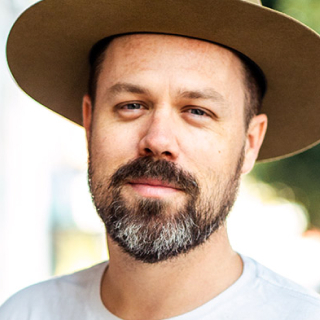
Max Baybak
All right, all right, we're back at it, and this time we're here in beautiful Vancouver, Canada, where we're bringing you Next Level Practices podcast episodes live from the floor of The Aesthetic Meeting 2024. This is the annual meeting of the Aesthetic Society, the American Society for Aesthetic Plastic Surgery. It's a meeting we never miss. Over these next few days I'm going to be interviewing our clients and friends from around the industry to bring you up-to-the-minute insights on what's working and what's not when it comes to patient acquisition and practice growth.
Here at Influx we're very serious about keeping up with technological trends and studying how these changes impact the way that our clients grow their businesses, but I for one, I'm a big believer that truly setting yourself apart comes down to the nuances. So let's take some time over these next few days to interview people on the ground floor of aesthetic medicine and see what we can learn from them to help you take your practice to the next level.
Okay, I'm back, and I'm joined today by our client Dr. Grady Core, who is based in Birmingham, Alabama. Dr. Core, thank you so much for joining us on the podcast.

Dr. Grady Core
Thank you for having me.
Max Baybak
Yeah, I'm honored to have you here. The meeting is a wonderful chance to get to meet with our great clients and then to kind of sit down and learn a little bit, which is what the podcast is all about. And I really want to pick your brain on a few things.
Dr. Grady Core
Sure.
Max Baybak
First, I'd love to ask you how you're enjoying the meeting so far.
Dr. Grady Core
It's great. I think this is one of the best we've ever had. Of course, Vancouver is beautiful, so it's wonderful to come to a city like this. I think the content's great. I think the people that put it together, program directors and everything, it's really interesting. I always learn more here than I do anywhere.
Max Baybak
Yeah, I hear that feedback consistently from our clients. It's a meeting that we have always wanted to support and be a part of, and we intend to continue doing so.
Dr. Grady Core
Plus, we have much, much more of an international representation now, so it's good, because it used to, you know, 10 or 15 years ago, it's pretty much what was going on here in the United States, but with some international participation. But now there's so much, we really get to see what's going on literally all over the world.
Max Baybak
That's great. It only enriches the talks.
Dr. Grady Core
Absolutely.
Max Baybak
And the various educational tracks, I'm sure, right? To get all those points of view.
Dr. Grady Core
Yeah, absolutely. And in fact, now we have a big push this year for, um, a lot of people around the world can now be members of the society, including some people who are ancillary people that work with practices. So we're having all types of new membership categories open up.
Max Baybak
That's exciting. I guess that also sort of explains why we're here, as you mention, in beautiful Vancouver, British Columbia. Is that Canadian, can—
Dr. Grady Core
Oh, sure.
Max Baybak
People from all over the world can be not just part of ISAPS, but the Aesthetic Society, right?
Dr. Grady Core
Oh sure, that's correct.
Max Baybak
Yeah, yeah. Well, I do feel fortunate that we got to come and visit Vancouver. It is gorgeous here.
Dr. Grady Core
It's beautiful, yes.
Max Baybak
Yeah. And I guess you have a lot to do with this. You mentioned the society and these new memberships and so forth, and you are on the board of the Aesthetic Society, is that correct?
Dr. Grady Core
Yes, I'm on the board. I'm one of the more senior people on the board, not so much in official status but experience, I guess you'd say. But, you know, I wanted to be a part of it and help see what's going on and what we can do to help the society and for the direction it chooses. And we have great leadership. Our next president is Kiya Movassaghi from Oregon, and he's absolutely going to get a lot of things done. We're excited about the direction he's headed.
Max Baybak
Yes, I've had the pleasure of meeting Kiya a few years ago. He seems like a very dynamic fellow.
Dr. Grady Core
That's right.
Max Baybak
And I'm sure he has big plans. When you're on the board — I have some friends who are on the board and they've had a specific role or function — or is it more, do you have a title as a board member?
Dr. Grady Core
So there's the executive board, and then there are what we call members at large. And members at large are people out of the membership who are selected to be on there sort of as the voice of reason and perhaps skepticism sometimes. And we're on there just to help out and to sort of help make plans and oversee things, and so that way everybody gets a lot of input. And a lot of the members at large are from various places around the country, so we all have a vote in what goes on on the board, not just the executive board, but everybody works well together, and it helps to have a dialogue of sometimes differences of opinion.
Max Baybak
Yeah.
Dr. Grady Core
Because that way we sort of arrive at the right thing most of the time.
Max Baybak
Yeah, you can evolve the right solutions. So you represent kind of the larger membership base in a sense. You attempt to, through having a diverse, in a way, member—
Dr. Grady Core
Yeah, I guess so, you could say that. So a member at large is somebody who, you know, we talk to a lot of other members and get feedback and things like that, of course, sort of as the executive committee. But again, when issues come up, we have these meetings once a month where we all sit down and basically just discuss a lot of things, hash them out. The executive board puts together the direction, the plans, they make a lot of decisions among themselves, and then they present it all to the board in general, and that's where we come in.
Max Baybak
Awesome. Well, that must be very nice to be able to be part of the larger community.
Dr. Grady Core
Well, it's been a great experience. It's given me an opportunity to kind of be a part of the direction of the society and see how things go and get to know a lot of the leadership. The commitment is unbelievable. Some of these people, I think Dr. Walden, who was president this last year, traveled something like to 26 meetings around the world during this year. She was doing an average of like 12 Zoom meetings a month. So this is somebody who's in private practice, so it takes a tremendous amount of time and commitment to do that.
Max Baybak
Absolutely it does. Well, I feel like the general spirit of the society is to kind of weave together all of your colleagues into a network of support and lifting each other up, educating, cross-pollination. That's kind of what I want to do a little bit, borrow a little bit from that concept here on the podcast, where we can pick your brain, gain some insights that we can share with our clients and other people who might listen to this podcast. And I know you have a lot of wisdom to share.
Dr. Grady Core
I've been around a while, I guess.
Max Baybak
It means you're — we were talking about it — it means seasoned. Established is the word for it.
Dr. Grady Core
That's right.
Max Baybak
Yeah, but I know a lot of surgeons do look up to you and want to kind of learn from you. So we talk about marketing on this podcast, obviously. We leave the clinical to where it belongs, and our domain of expertise is in marketing, and that does extend into any and all things practice growth. And I want to learn from those who've grown successful practices on what were the key things that they did.
I'd love to hear from you a little bit about kind of how you got started and what's changed since then materially. Just some of your insights, but how you got started and how you kind of started acquiring your first patients.
Dr. Grady Core
Well, so I sort of transitioned through the internet phase, because, you know, when I first went in it didn't exist. And I was actually in a practice in New Orleans, the Ochsner Clinic, which is more of an academic type setting. I was invited to come to Birmingham and join a practice there, and when we did, over time it morphed into various things, eventually where I was sort of on my own. I'm practicing solo, and the marketing issue was huge because I'd always relied on word of mouth. And when you move cities, you know, several years into your career, it's just like starting all over.
It used to be — now it's not, now you've got the internet — so now people can come out of residency and develop their website, call Influx, and, you know, actually develop a presence much quicker. And for us older people, it means that, you know, we really need to play the game, we need to be involved. And for a while I didn't. I thought, well, I'll just rely on the fact that, you know, I've got a practice here. And I started having people come in and say, well, you know, you're the third or fourth guy I've seen, and the other people they had seen were people I'd taught. So I said, well, we need to get involved here. So that's when we got more involved in internet marketing, things like that. I've learned a lot, and I've realized that, you know, it's a huge area that obviously y'all are very expert at and are helping us with.
Max Baybak
We do aim to really be focused so that we can be expert in not only marketing but specifically patient acquisition for aesthetic medicine. That's been a focus of ours, because I believe, like all things, as it gets more and more specialized, and as there's more and more competition, you have to just be the best at one thing and really know the ins and outs of that. You can't be a generalist.
Dr. Grady Core
In fact, did you know how I found Influx?
Max Baybak
I don't think I do know the story.
Dr. Grady Core
So we had a fairly decent company, and it wasn't that they were doing a bad job. We actually ranked number one in a lot of things in our area.
Max Baybak
Okay.
Dr. Grady Core
But I wanted to go bigger. I wanted to go more national, international. And so what we did was we did a survey of every major city in the United States, and we went to every one of those cities and Googled who's the top plastic surgeons in town, and we looked at what companies were representing those surgeons. And it really came down to two companies, and you were one of them, and we chose you. So we went with a big time.
Max Baybak
Well, I appreciate that, and I'm glad that our results shone through. Yeah, that makes me happy to hear. Well, and I'm very glad that we get to be working together.
A little bit before we started rolling the recording here, we were talking about just kind of key takeaways in your career in marketing that you would say are — so there's been a lot of change, but there's maybe been some constant through lines, right?
Dr. Grady Core
Right.
Max Baybak
Would you share a little bit about that?
Dr. Grady Core
Yeah. So, you know, all the internet stuff, social media and everything's great, but if you're not turning out really good results, it eventually catches up with you. So people that come out and focus more on that than on doing their patients are going to really, in the end, it's going to come back to bite them. So the foundation of everything, in my opinion, is that you have to turn out really the best results. It has to be outstanding, such that not only people will go talk about you with their friends, but they'll get on social media and talk about you and they'll substantiate what you're doing. And you'll know pretty quick if what you're doing isn't correct, because they'll make comments about it.
Now, having said that, I will say one thing. One of the dangers of social media, especially for patients, is when they start reading somebody, they see a bad review. If you go look at a bad review, you see what it's about. Well, if it's about, you know, something like, well, I got into a disagreement with the office staff, or, you know, somebody offended me or something like that, that really has no bearing on your surgical result, and you have to remember that.
So for example, when I decided to choose an orthopedic surgeon for my wife, I looked for the oldest guy, and he was a real crabby guy, and he wouldn't do very well on social media, but by golly, he was a really good surgeon, and that's who I wanted for her. So there are those things that people need to look at and sometimes filter through in terms of when they look at social media and things like that. And so to me it's all about the result, and that's the major issue. And then obviously that's not enough, because we have to get the message out, and that's where y'all come in.
Max Baybak
Right. So the result, and then you've got to make that result, you've got to publish that result in the right way, right? And then hopefully consumers can become sophisticated enough to separate the wheat from the chaff in terms of what actually matters in their decision-making process. And maybe it may mean there's nothing wrong with them wanting to get a review that the experience was nice as well.
Dr. Grady Core
True, but that is not — it doesn't carry the same weight as the result. Yeah, and we obviously focus on that. You know, we have weekly meetings where we sit the whole staff down and we tell them, you know, you have to act like this is the Ritz-Carlton. You have to — people like that — it's got to be red carpet. It's service oriented, everything.
In fact, one of the things we've noticed here in Vancouver, just in general, much of the service industry here is much more sophisticated than what we see in the United States. Everything from Uber drivers to people that work in the hotel. A lot of people make comments about it. And I think in some places in the States people have sort of gotten lackadaisical in some of those areas, and so we want to make sure in our practice that we don't, and we treat everybody when they come in there, total VIP experience.
Max Baybak
I totally agree. I've been coming to Vancouver for many years for conferences, starting back when I worked with my dad in my 20s in our family business, and a lot of it was based here in Vancouver. So this is a city that's very nostalgic for me.
Dr. Grady Core
Okay.
Max Baybak
And I've been coming here since I was in my mid-20s, and I always noticed the difference, this sophistication, the friendliness. Kind of just, it is palpable. So it's interesting you noted that as well.
Yeah, we do want to bring those experiences. I think it's important. Patients do want that, and it is a differentiator for them.
Dr. Grady Core
They do, and they deserve it. You know, if you're going to come into somebody's office and trust them with your face or your body, and then pay an amount of money where insurance doesn't cover it, then you deserve to be treated in a way like that, you know, you're special. And every person's a VIP.
Max Baybak
That's right. But the results are still paramount. And if you're conflating, let's say, how many followers you have on social media with results, that's maybe even more poignant example of the differentiations that patients need to be able to make.
Dr. Grady Core
Yeah. We had a case a few years ago where a young surgeon from our region, who had only been on a short period of time but had accumulated 50,000 followers on TikTok, she was selected for some international symposium in Mexico, and, you know, she didn't even have enough time to be expert in what it was she was going to talk about. So people really need to be able to filter through a lot of that.
Max Baybak
Very definitely. In interviewing surgeons here over the last few days and in the past, a constant that I hear as a successful bedrock of a great career is just caring about the outcomes, caring about the results. And I think it is actually a marketing strategy. People don't realize it, but it is a marketing strategy. It's something we talk about at Influx: let's just do great work, right? You do need to make the work, you do need to publicize it, but you need to start with great work.
But let's talk about a different angle of that. What is it that leads — is it, so the opposite of that is obviously not caring enough about results, and what leads to that? Is it, or not putting enough time into those results? Maybe it's prioritization, not getting the education that you need.
Dr. Grady Core
Yeah, so I think the main issue is, you know, people become complacent. And in order to turn out great results and to continue to compete, you've got to continually be, you know, changing all the time. I go to multiple meetings a year, I try to interact with the brightest people in the world, and we're always instituting the latest newest things. So by staying on the cutting edge you can continue to push your result and make it better.
But, you know, I see people who they learned to do a facelift 15 years ago and they get an okay result, and they're safe, but, you know, they're doing things like putting incisions in front of the hairline. That's old school, you know. So you've got to keep up, you've got to push things. In fact, you yourself should be an innovator and somebody that's trying to continuously advance the science of what we're doing.
Max Baybak
Makes sense. So there's a sort of hunger and determination and dedication that is required to do that.
Dr. Grady Core
Yeah, you've got to love it, you know. And some people unfortunately see it as a job, you know, they don't really love it. To me it's a privilege. It's so wonderful to be able to work with people and see their lives elevated, you know, they feel so much better. I have had people tell me, you know, their surgery changed their life, and that's just so rewarding. That's why most people who go into medicine, if they do it for the right reason, that's really what they're looking for. It's really not, you know, finances, it's more the reward of helping people's lives improve.
Max Baybak
I agree with you. I've seen that to be true. Do you feel like a person can put in all the time that is necessary to do the social media thing these days and put in all the time that's necessary to stay educated and get great results and take care of their patients? Or are there tradeoffs that have to be made?
Dr. Grady Core
And take care of their family.
Max Baybak
Well, that too.
Dr. Grady Core
So, no. You know, I think some people are able to do that, but what I see is it takes so much time to do that, something's got to give. And my priority has been my family first and my, you know, my patients are second. Actually, I have to say more that my first priority has been God, my family, and then my patients, and then after that, you know, other things: social media, writing papers, things like that.
And so it just gets to a point where you really just have to hire people like you to come in and handle all this other stuff. Because also, you know, like I said, I started before the internet even developed, and I've learned a lot, but I've got a son that's a computer scientist, and it's just amazing what y'all can do and what he can do. And so I just, like, I'm just going to hire people to do that.
Max Baybak
Yeah, well, delegation is important, and if it takes finding the right people, it takes finding the right team members in your own practice that you can really delegate and trust.
Dr. Grady Core
Yeah.
Max Baybak
Okay, so we talked about a number of things that have changed over the years that you've been in practice. How about in just these last few years, are you seeing any trends or changes with patients in your area?
Dr. Grady Core
Oh yeah. So frankly, we've seen problems with social media. And while social media has a lot of benefits, it's got a lot of negative things too. One of the major changes we see is young people coming in, they have a distorted self-image because of things that are happening on social media. They'll come in and say, I need this or I need that, and they just don't.
And, like for example, I had one girl come in and she said she needed a brow lift, and I happened to know this young lady, and I happened to know the family, and I felt, I knew that there were issues there. She was absolutely beautiful girl. She also interestingly resembled very closely Paulina Porizkova, who was a famous model back in the '90s and was the cover, Sports Illustrated. And so the best way I knew to get across to her that she did not need surgery was we just hit the internet and I pulled up Paulina Porizkova. I said, so what do you think about her? Don't you think she kind of looks like you? She goes, yeah, she does, she looks a lot like me. I said, do you think she needs a brow lift? Oh no, she's beautiful. I said, yeah, and she looks like you. Do you know who that is? No. I said, that's the most famous model in the world from the early 1990s. And she went out, you know, feeling a whole lot better, and she never had surgery.
But I can tell you, a lot of people like that will go into an office and they'll operate on them anyway. And it's not just facial issues, it's all sorts of issues: genital issues, gender issues. And so we see a lot of young people being negatively influenced with social media, and I think it's up to people like us to help get the word out. And not just one-on-one and a patient thing like that, a patient meeting, but we need to get the word out, you know, what is really necessary aesthetically and what's not, and try to keep people from seeking surgery unnecessarily. So that's one of the big changes I've seen.
Max Baybak
Sure, in the recent years. At what point do you feel like, in a case like the brow lift, at what point do you feel like — so, you know, one could take the view that the patient should decide whatever they want to do, but also you may know that they have an unrealistic idea of how that's going to come out and they're actually going to be quite unhappy with it. So where do we—
Dr. Grady Core
We see that all the time. And, you know, the Kardashians drove a lot of stuff, and somehow it was completely unnecessary. And I refused to do a lot of those things, you know, create people with huge buttocks and things like that. And lips, we see the same problem there. And I just, you know, when people come in like that, I just say, look, you know, you don't want to look bizarre just because you're following a trend and you want to look like this person in that photograph. They might not really look like that, that's a photograph.
And so I have a lot of these discussions with patients. I say no a lot, and if they continue to push it, then want to go to somebody else, that's fine, because I'm not going to do a procedure that's going to make people look unusual, because it's a reflection on me too. And in fact, sometimes I'll have these patients come see me. My nurse, when the Botched show first came out, you know, she called me and she said, did you see that TV show? I'm like, yeah, I did. She goes, they're seeing the same kind of stuff we're seeing. Yeah, I see it too.
And so we have people come to us that have been botched or have these real unusual looks or whatever, and we try to treat them very compassionately, but at the same time we're careful about how we schedule them. Because, you know, if they're in our waiting area and this person looks very unusual, they're going to think I did it. And so I don't want a person that I've done being seen in public, because they're basically like my billboard. And I don't, you know, so I just say no to that kind of stuff, and I think you have to be careful with that.
Max Baybak
Absolutely. So you mentioned that you've been in Birmingham since about '96, is that right? And a few years before that in New Orleans.
Dr. Grady Core
Right.
Max Baybak
So, you know, for me I feel like I've been in the game of plastic surgery marketing for a minute, but I certainly don't have the experience you have. I've been doing it for about 12 years.
Dr. Grady Core
Yeah.
Max Baybak
And, you know, my perception of it prior to getting involved in plastic surgery marketing, even back 12 years ago, was that it was a little bit more for people in entertainment, for the rich and the famous. There was more acceptance, but certainly not to the degree now, right? One of the things that I love is seeing a lot of people who are just normal everyday people, you know, especially as you get kind of into Middle America, right, you know, a place where it maybe would have been thought of quite differently just a few years back, a decade ago, who are just, you know, finding themselves in little tweaks and increasing their confidence. So how has that changed where you're practicing over the last decade?
Dr. Grady Core
Well, so it's, I'm in Birmingham, Alabama.
Max Baybak
Okay.
Dr. Grady Core
And so I've always sort of joked around with my friends who practice in Hollywood, said, you know, you think your patients are difficult, you ought to try meeting the Southern belle who wants to look, you know, like she's ready for the red carpet but wants nobody to know, wants no evidence of it or anything like that, you know. It's just a more challenging situation.
But, you know, when my wife designed our office — my wife's actually a real certified interior designer who does commercial healthcare — and when she designed our office, she put all over the walls photographs from a photographer in Beaumont, Texas, of just average, normal, everyday people doing all sorts of different things. And all these people are from Beaumont, Texas, and they all, you know, had their photographs made, and all different walks of life, you know, whether it's a bride or a soccer player, or there's a guy on the wall there I think he runs some type of a just retail hardware store.
So these people are the most common patient in aesthetic practice, because everybody has aesthetic issues. Everybody does. I always said you could put Raquel Welch at her peak in front of a mirror and she'd find something wrong. And so it's our job when people come to help them with it. And like I say, these are most of our patients. Occasionally we'll have the celebrity come through, but in Birmingham it's not that common. We have people who are, you know, big-time business people and all that kind of stuff, but most of the time it's teachers and people like that. And we try to treat them just like they were, you know, from Hollywood. But at the same time, to me it's all about serving those people, making them feel better, you know, giving them a reasonable path to go down and then giving them a great result where it makes them lift their lives up, so to speak.
Max Baybak
I love that. I guess what you're telling me is that it's never really been any different, but they were just a little more discreet about it, with the Southern belle, like you said. Maybe it's always—
Dr. Grady Core
It's become less so because of social media, right? Especially with the younger people, they get on there and they start sharing stuff, oh I had this done and everything like that. But, you know, patients over 40 or so still are, you know, they want to look good but they don't want everybody knowing they had help, most of the time.
Max Baybak
Yeah, but you're right, the younger generation is honestly most of the time proud of it.
Dr. Grady Core
Oh yeah. In fact, you know, with the younger generation — I'm talking people in their 20s — they don't see Botox as a luxury, they see it as a necessity. And we start seeing around 19 or 20 they're doing preventive Botox, they're doing lasers. And the great thing about that generation is that we now have such great technology, especially in regards to lasers and skin care and things like that, that a lot of that generation is not going to see the same issues that the older generation saw. They're not going to have all the basal cell carcinomas, they're not going to have as many wrinkles and all that kind of stuff as they get into an older age, due to the prejuvenation. It's going to be a much better looking generation.
Max Baybak
Hey, it's looking up for us. Well, I'm not in that younger generation, but I'm somewhere in between.
Dr. Grady Core
You can be.
Max Baybak
Okay, yeah. I really might need to start thinking about some of that rejuvenation, or a little bit of rejuvenation as well. How much are you seeing that younger generation? What kind of percentage of your patient population does that comprise?
Dr. Grady Core
Yeah, I'm, you know, it's surprising, it's really growing pretty rapidly. I'd say right now we're looking about 20% of the patients are, you know, young, you know, under 35, don't need surgery, and we're really just doing skin care and volume and things like that. It may be more than that, because we have a huge injectable clinic, so I never looked at it, but my estimate would be around 20, 30%, somewhere in there.
Max Baybak
That's good, for just, you know, growth, turn it over in the next generation. So that's wonderful. I think the answer to this is, is like I think — my question is this: the way that the older patients, your older patient demographic, finds you versus the young, do you see a big difference? I mean, obviously what I was trying to say was, I think clearly you're going to get a lot more people finding you online in the younger generation.
Dr. Grady Core
Yeah, but, yeah, and you probably know more about it than I do, but sort of the middle group tends to be all sort of an Instagram group. The older group is, I'd say, mostly word of mouth, a little bit of Facebook, and then the younger generations like TikTok, Instagram, all that stuff.
In fact, in the younger generation, you know, they're the ones that really won't research who they're going to. They just, like, oh, that looks cool, I'm going there, you know, and they don't really look at things. Whereas if someone comes in and they're 40, 50 years old, they'll sit down and they say, I've looked at every plastic surgeon in this area and I've looked at their credentials and yada yada yada, I'm choosing you. And that's the kind of patient I can really connect with and I feel good about. And the younger ones that come in, they just came in because they, I don't know, heard a radio thing or saw it on social media or whatever, those are patients that I think they're somewhat itinerant, and they kind of, you know, like changing hairdressers sometimes.
Max Baybak
Mhm. Yeah, that's interesting. Certainly something nice about knowing that the patient has done their homework and has made a deliberate decision. But you really just broke down all the social media channels by demographic perfectly, and it's, I mean, that's how we see it.
Dr. Grady Core
Yeah.
Max Baybak
And what we perceive from our perspective. But for you to just, you know, confirm that it's echoed exactly like that in practice—
Dr. Grady Core
Yeah, well, I kind of ask them when they come in, you know, say, how'd you hear about me? And so I try to keep up with all that.
Max Baybak
It's good, you're doing — you're doing good. I think that's a perfect slice and breakdown. How much at this point in your career do patients come to you just from kind of your community life and knowing you in your neighborhood?
Dr. Grady Core
Yeah, so that's surprising. It kind of splits into, you know, two. For example, we've had people in my church who don't want to come to me because, you know, they are embarrassed.
Max Baybak
Sure.
Dr. Grady Core
Okay, you know, so we sort of get that group. But then we get other people that are friends. Usually the face patients will come to me, you know, if I know them well. And, you know, I used to kind of get me bothered if a friend didn't come, but it doesn't bother me anymore, because I know there's — in fact, one guy came up to me, was in my Sunday school class, he goes, Grady, I just can't have you seeing my wife, you know. I'm like, yeah, I understand, no problem, you know.
So anyway, you know, I'd say that's a minority as far as that goes. One of the issues with us is that we offer an extremely high-end experience, and by that I mean we spend a lot of time with people. And we do so much, that by the fact that I've been around a long time, that there's a reputation involved, and that we spend a lot of time with people, we're more expensive than most of the people in our market, if not all of them. And so a lot of times people won't come to me because of that, and I understand that. But on the other hand, you know, it's like you get what you pay for, and so we try to make sure that we meet people's expectations in that regard.
Max Baybak
You absolutely do get what you pay for, and the savvy patient understands that, and those are likely the ones you get when you are a little kind of not the cheapest person on the block.
Dr. Grady Core
Right.
Max Baybak
Maybe this is a good place for us to kind of put a cap on it. You shared a lot of wonderful insights, but I like to kind of put a question in here at the end for advice to the next generation of plastic surgeons. But let me couch it with this: if I was a young surgeon going into private practice and I want to figure out how to get to the status that you just mentioned, where you're not, you know, you get what you pay for, you're not trying to be the cheapest, you're trying to create a higher expectation and results in alignment with that expectation — of course I can always kind of try to compete on price, and I could probably set up a decently successful practice trying to be very competitive. How do you make that leap to that next level?
Dr. Grady Core
So we teach fellows, and so I go through this every year as they start to leave and go into practice. And one of the things I tell them is, if you make a priority in your practice to just really make integrity the number one issue — integrity in how you do your surgery, that you're going to deliver the very best result, that you're not going to be engaged in anything that's illegal, you're not going to say anything dishonest to patients or online, and you're not going to make anybody else mad, so, you know, you don't want to make your colleagues mad and be somebody hard to get along with — but if you just really practice with integrity, then I believe that things just will come, and it's not something you have to go out and flail around about. You may have to hire Influx, but, you know, I think it's all about that, that you just maintain that. Because I've seen so many really good surgeons who have lost their practice because of issues with integrity, and that's the number one thing that I think keeps people from achieving their goals and where they want to be.
Max Baybak
Well, sage advice. Thank you very much, I appreciate you sharing all that. Pleasure to have you.
Dr. Grady Core
Thank you. I — it's been nice.
Max Baybak
Yeah, enjoyed it. I loved getting to pick your brain. Thank you so much for spending time, and I hope you enjoy the rest of the meeting.
Dr. Grady Core
Thank you so much.
Max Baybak
Thank you so much, Dr. Core, appreciate it.
Subscribe to Next Level Practices
Next Level Practices is the show where we discuss the ever-changing world of digital marketing and patient acquisition and bring you the latest ideas, strategies, and tactics to help you take your practice to the next level.