

Live at The Aesthetic Meeting 2024
w/ Dr. Gregory Albert of Boca Raton
41 minute view/listen


Dec 2024
Available everywhere you podcast



Doctor, doctor! In this exclusive series, available only on Next Level Practices, we're taking you beyond the forceps and curettes for a deep dive inside the minds of seven eminent plastic surgeons. Our hope is to give you insights pertinent to the various phases of a plastic surgery career.
From prodigies and veterans to legends of the craft, join us as they sit down with Influx Chief Growth Officer Max Baybak to provide a fascinating overview of aesthetic marketing insights at every stage of the game.
In this episode, we welcome Dr. Gregory Albert of Boca Raton, Florida, who has been in practice for 25 years. Stay tuned for the next episodes!
Full Transcript
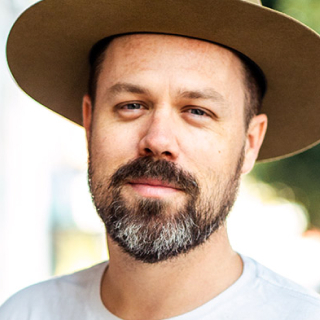
Max Baybak
All right, all right, we're back at it, and this time we're here in beautiful Vancouver, Canada, where we're bringing you Next Level Practices podcast episodes live from the floor of The Aesthetic Meeting 2024. This is the annual meeting of The Aesthetic Society, or the American Society for Aesthetic Plastic Surgery. It's a meeting we never miss.
Over these next few days I'm going to be interviewing our clients and friends from around the industry to bring you up-to-the-minute insights on what's working and what's not when it comes to patient acquisition and practice growth. Here at Influx we're very serious about keeping up with technological trends and studying how these changes impact the way that our clients grow their businesses. But I for one, I'm a big believer that truly setting yourself apart comes down to the nuances. So let's take some time over these next few days to interview people on the ground floor of aesthetic medicine and see what we can learn from them to help you take your practice to the next level.
Okay, I'm back, and this time I'm joined by our great client Dr. Gregory Albert from Boca Raton. Dr. Albert, thanks so much for joining me.
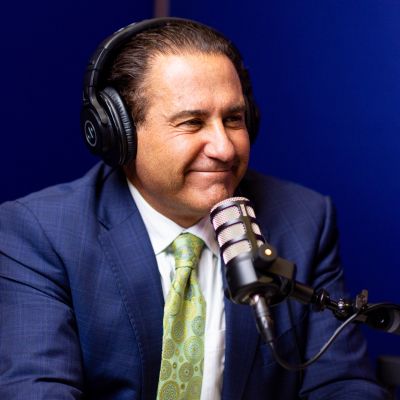
Dr. Gregory Albert
Thank you.
Max Baybak
I'm looking forward to kind of picking your brain here. We were just chatting for a few minutes and you were telling me you've been in practice now, in private practice now, for — you said since the 20th century. So about coming on— 99?
Dr. Gregory Albert
So, 99. Right out of residency. I was one of the youngest ones to finish, was 29 years old.
Max Baybak
Wow.
Dr. Gregory Albert
I started in Florida, where I actually got a job that was paying. I didn't have to borrow money and join someone else and follow what they did. So I started from scratch, went to the emergency rooms to get patients, I would do a little advertising, available all the time. And it was fun running around, but that's back then.
Max Baybak
Yeah, that was back then. But I'm curious to hear, because — you know, I got into— I want to pick your brain about this, because I got into marketing for plastic surgery practices about 12 years ago, and obviously by then the rush, the gold rush was on for everyone to put a website up and to rank on Google and so forth. But what I was enlightened on over time was that not that many years before — I didn't know it at the time, I was a kid, I was in my early 30s. No, no, I was in my late 20s. Yeah, if I can do— if I can do math. Just tell me next time, I'll do it faster.
But I didn't know that not that long before, really, the way it— the internet seemed pretty, pretty, you know— it just wasn't given to me, it seemed. But it wasn't, obviously. And it wasn't— not only was it not there when you were— not prevalent at all, but it was maybe when it started to first become— it wasn't— also it was kind of frowned upon, you know, to do any kind of internet marketing, right?
Dr. Gregory Albert
Well, marketing was— was taboo in the '80s and '90s, and then still even at the turn of the century, 2000 to 2005. Still kind of a— it changed, and then it's kind of like now anything goes, you know. When— it doesn't matter. I mean, there's TV, there's whatever, whatever it takes, right?
Max Baybak
Yeah.
Dr. Gregory Albert
There's no credibility, I mean there's no checking of disclosures. There's social media influencers that can say the greatest thing about someone and get paid for it and not, you know, not know a thing about it. So back then when I came out, I mean, not only was the internet not there, but these type of things weren't happening — that these societies would have sanctioned someone.
Max Baybak
That's right.
Dr. Gregory Albert
And I'll tell you a story about how— so my marketing, um, for a— is really pretty— since I've gone through that era where there was no internet, there was no website, then there's websites, and then social media, and now who knows what is next. Maybe it's back to TV again.
Max Baybak
Yeah, maybe something AI-based. I do think it will be back to TV actually, by the way, but I'm not giving up hope — but through streaming services.
Dr. Gregory Albert
So right.
Max Baybak
Netflix just moved to an ad model, right? And you know, they're going to go hyper-local with that ad model eventually.
Dr. Gregory Albert
That's what— that's right, that's right. But the PRs, the PRs now are so much worse than they were, because marketing is limitless. Like, like you said, AI. Okay, so you buy a billboard now — what, 10 years, they're going to be like virtual billboards everywhere?
Max Baybak
Absolutely, where the— where the ones that are static are blocked out and the virtual ones are—
Dr. Gregory Albert
Yeah, I don't know.
Max Baybak
Yeah.
Dr. Gregory Albert
But yeah, I mean really, we really— we had change every several years, and now it's like every three, six months change what we did. Because— so I started out by running around and doing some little advertising here and there, but going to, you know, local meetings, meeting with the doctors. And then I would say four to five years in, I brought my wife into the practice, who was a director of rehab. I met her on my job doing wound care.
And we started— we started doing advertising on radio. Then after a few months I hit it off with the DJs. The DJs would have me on, they would interview me. Make a long story short, we did an Extreme Makeover. And I think this was— it wasn't when Extreme Makeover on the TV was on, but it was when some of those shows like, I guess, The Swan— I don't exactly remember, but at the time we were one of the first ones to do it in Florida. I don't know what was going on in the rest of the country.
Max Baybak
But this was on TV, not radio?
Dr. Gregory Albert
No, this was radio.
Max Baybak
Oh, okay. It was radio. Cool.
Dr. Gregory Albert
That's why I'm so good right now, I know. When— kind of— I know, not—
Max Baybak
Well, we're also video though too, so you can't nod it, because they can't hear nodding.
Dr. Gregory Albert
That's right. But they— but so we did— so I was interviewed a lot there, and then we did Extreme Makeover, where we did hardship cases. We did gynecomastia, otoplasty, laser, breast implants for the women who were really embarrassed about having small breasts, and then gyn— I think I may have mentioned that twice. But it was all— it was all needs-based, story-based, and, you know, doing good for society. Great promotion. I mean, that carried us for a few years, so much that we really didn't do a lot more advertising. So that was 2004, five, let's say.
And just another side note — of course, the first day we did it, it broke, the people heard us, there were two or three other companies that we did have— we must have had a website, because it got hacked.
Max Baybak
Oh, is that right? Got hacked.
Dr. Gregory Albert
Yeah, by my competitor. So anyway. So yeah, where were you going with that? I want to hear.
Max Baybak
Yeah, no, no. So that's— that's how competitive it was in the crazy landscape.
Dr. Gregory Albert
Because— but I mean radio, and then so that— we went from radio to doing that, but at the same time we're doing a little bit of TV, but not a lot of TV because it was so expensive back then, right? And every four years with politics it was— it was always pol— you know, you get the wayside for politics in advertising. So then— I mean, to be honest with you, until we— I'm not just saying it, but till we found Influx, I mean, we've just been two, three years with website developers and companies and talking to us about stuff we don't understand it. We rely on industry to tell us to do— well.
Max Baybak
I'm glad we've been able to be a good partner.
Dr. Gregory Albert
Yeah, so it's been great, you know. But there's so much more than just a website, you know. I also work for the Florida Panthers and the Miami Dolphins.
Max Baybak
Is that right?
Dr. Gregory Albert
Yes. We're winning this year, by the way.
Max Baybak
I believe it. Cup's coming to Florida again.
Dr. Gregory Albert
But on the— yeah.
Max Baybak
Yeah, it's been Tampa Bay, but all right, we'll let you have it.
Dr. Gregory Albert
Thank you.
Max Baybak
Yeah, that's right, Tampa. Yeah, sorry.
Dr. Gregory Albert
Yeah, no, it's right. So was it— was what, five—
Max Baybak
I— you know, I've only been there three years, I don't even remember. But I just know that the one thing Tampa had going on was sports, man, when I arrived back in 2011, 20—
Dr. Gregory Albert
Tom Brady too.
Max Baybak
Yeah, and we— well, I missed my chance to see him. But you and I are both initially LA boys, you just mentioned to me before we started recording. But then yeah, I've been in Tampa and that's one good thing that's got going on. I miss LA though terribly, but I love getting down to Boca. I do occasionally. And so, but tell me about the work you said you do with the Panthers and the Jack— no, what— who did you say?
Dr. Gregory Albert
Uh, the— the Dolphins.
Max Baybak
Dolphins.
Dr. Gregory Albert
So, the doctors for the Florida Panthers. I got the position basically 20 years ago. The CEO called the office and my wife Lena answered the phone and said— well, doctor— "I would be interested in being the plastic surgeon for the Florida Panthers." And she said, "What type of team is that?" "Hockey." "Well, he doesn't know anything about hockey, but we'll— I guess we'll talk to you."
Max Baybak
Yeah, why not? I mean, that's such a cool offer.
Dr. Gregory Albert
And so I got offer— I got referred by a couple doctors, the, you know, the primary and the ortho, and I said, sure, let's give it a go. I mean, I was one to work on professional athletes. Professionals, you know, professional athletes are the pinnacle, because not only they have to look good, feel good, but also it has to work.
Max Baybak
Yeah, because they have to be optimally shaped and performing.
Dr. Gregory Albert
So, been doing that for 25 years — well, 20, excuse me, 20 years. And learned a lot doing that.
Max Baybak
I can only imagine. A lot.
Dr. Gregory Albert
So I do my— I'm all cosmetic surgery, but then I fix the boys and fix sports injuries, so that's fun.
Max Baybak
Cool.
Dr. Gregory Albert
So where was it going— you started that asking—
Max Baybak
I was asking about different marketing methods and you—
Dr. Gregory Albert
So yeah, so the— so, believe it or not, that the Florida Panther thing, we did advertise in the beginning. We put these, you know, that what they recommended. They had great, great advertising. I mean—
Max Baybak
Yeah, millions of dollars behind it, right?
Dr. Gregory Albert
They— so we, you know, for gynecomastia we did things in the men's room, things in the— "Dr. Albert's plastic surgery for the team."
Max Baybak
So you mean you had your own advertisements in the men's room, like, practice?
Dr. Gregory Albert
Okay, yeah.
Max Baybak
Smart, right?
Dr. Gregory Albert
And then— but also in the arena.
Max Baybak
Oh, okay.
Dr. Gregory Albert
Yeah, so I was a presence at the arena. And you know, I got to tell you, it wasn't just that. It's always— at least back then, I don't— I'm not— you could tell me, because I'm not really sure. Back then it was not— it was not just the Florida Panthers doctor, but I was also the guy that happened to do this, and I happened to be on the news segment for arm lifts. So there was always like two or three places they had to— they would see you. And it hit. So now I don't know, is it— is it three different web hits that someone sees that could be the same thing?
Max Baybak
I don't know that there's any study that really defines it down to a science, but you hear a lot of times— I've heard seven touch points, I've heard 12 touch points. Some of these things may rely more— maybe it would probably be different from vertical to vertical. So in plastic surgery it's hard to say. But it's also not just on the web: they might drive by and see a sign, they might see that you work with the sports team, they might go to your website when they start to research it. But it definitely is this cumulative effect that I think—
Dr. Gregory Albert
They might see on social media.
Max Baybak
Very definitely, definitely these days. And that is something that— the decision-making process is not a one-and-done, that's for sure. It's a lot of signals before the patient comes to the conclusion, okay, I'm going to go with this surgeon.
Dr. Gregory Albert
I don't know about that. I mean, it seems like it's kind of like you got a mix. There's some that are— I think now are just, let's do it, because there's so much out there. They think they've researched— crazy, you know. When they come, they're kind of fatigued and they know everything, and they either gel or they don't. So I think a lot go with the first one.
Max Baybak
Well, what I really enjoy about sitting down with our clients and friends here to do these interviews is to hear what they're seeing on the ground floor. I'm hearing in some cases that there's a lot more shopping happening now, going to multiple surgeons, but that doesn't mean that it's the majority — it's just more than it was before.
I do know that a lot of people — this is more anecdotal, from my own life experience, friends and family who've thought about or have gone forward with aesthetic surgery — have done a lot of research, looked at a number of providers, been back on that same website multiple times. But I'm very curious to get your insights into how many people you're finding— maybe it's just the confidence that you're able to instill in them that just— good, I'm done, I don't want to even go with anyone else. But are you seeing— are you seeing a little bit more immediate decision-making like that?
Dr. Gregory Albert
I think before there wasn't as much information, so they relied on the doctor possibly, and without a doubt a direct referral, you know. Now a lot of consults are not direct referrals, unfortunate. I mean, COVID was a terrible thing, but the fortunate thing for me was that a lot of patients I had seen for years — 10, 12 years, from my radio days — were coming back for the second, third procedures. So it was gratifying that they were satisfied with the first one.
Max Baybak
Absolutely.
Dr. Gregory Albert
Now, I'll tell you, not all came directly to me, right? So they did one procedure, some came directly to me for the second one, but I saw some for the third. And I would ask them, what— you know, you went somewhere else instead of here, I tried to get, you know— and said, well, I liked you better, or you weren't— you weren't quite as bad as the other guy. But it didn't matter. I mean, a lot of my patients are like family.
Max Baybak
That's cool.
Dr. Gregory Albert
It's always nice to see them after a decade. And I tell almost every patient, I mean, I don't want you just for this procedure or whatever it is, this interaction — I want to have you as a patient for life.
Max Baybak
Love that.
Dr. Gregory Albert
And your kids and the family.
Max Baybak
Yeah, I think a lot of times people overlook the loyalty factor in surgery. They think it's one and done, and loyalty and membership is only relegated to med spa.
Dr. Gregory Albert
I did too when I first came out. I— she was another surgery, I just did— talk—
Max Baybak
Wow, that's pretty cool.
Dr. Gregory Albert
But then I realized that after a few years it's like— you— that's what you have to do, because that means they're happy.
Max Baybak
That does mean that, yeah. Are you— is there anything you're doing now to be more deliberate about bringing them back for that second one instead of letting them kind of stray to somebody else and then maybe find their way back to you for a third?
Dr. Gregory Albert
You know, it's really tough. The way we communicate, the way they find information. So in the day, I mean, we were talking to patients three or four times a week on phone.
Max Baybak
Wow.
Dr. Gregory Albert
Because they answer the phone.
Max Baybak
Yeah, to completely engaged.
Dr. Gregory Albert
Now my staff tells me I can't get them on the phone. They answer a text, right? Text is it. Forget— forget the email. So it's more difficult, and that's— it's changing so fast.
Max Baybak
Yeah. Something that we are seeing — and I see it a little bit less, it's kind of waning since COVID — during COVID a lot of people are doing essentially webinars, but they would call it more of just like an online educ— an online event, a virtual event is what they would call. And it was great, because people were stuck at home and they would educate them on a procedure, they'd get a bunch of leads, and some degree of those would convert, and then you'd have all the emails anyway to continue to communicate with them.
And yes, email rates— I think email inboxes are more glutted than ever, but it's still okay to send them something and you'll get some people back. Some people continue to do these types of things even after, and some in person, and it's almost full circle back to— meaning not only virtual events, sometimes they even do in-person events. We've seen a lot of success with that in terms of patient loyalty and retention in surgical practices. It's almost full circle back to what I would hear about plastic surgery events.
Yeah, Dr. Grant Stevens was telling me about a slideshow that he used to do with slides and a carousel with a projector at hotels, where he would educate—
Dr. Gregory Albert
Yeah, I didn't even mention that. I love that. I loved— I mean, I didn't like the bill, but I loved going to the Ritz having a, you know, a whole auditorium of 100 patients, prospective patients, and, you know, a couple old ladies were haggling me and asking me questions but coming for the food, and then several good candidates.
Max Baybak
So this was a strategy that you deployed as well.
Dr. Gregory Albert
Yeah, it was great, it was great. But then went down financial crisis. I mean, financial crisis was kind of like the Roaring Twenties, I say. I mean, people just come and they wouldn't even ask a price, which is very similar to now, which is kind of concerning to me.
Max Baybak
But interesting.
Dr. Gregory Albert
But yeah, they, in 2— what was it, 2006, 7? — they were just coming in and they didn't ask and they were just doing—
Max Baybak
Interesting.
Dr. Gregory Albert
And that's about the time where we kind of decreased the amount of— it was just kind of a coincidence — decreased the amount of, you know, seminars.
Max Baybak
Okay.
Dr. Gregory Albert
We did get some— you get a lot of seminars for no charge if you have a, you know, good relationship, and they want content. But I think it's coming back, but not quite yet.
Max Baybak
So yeah, I think kind of like we talked about, there's a return to TV, but maybe it's a little bit different with streaming services. I think there's a return to live events. I don't know if it's at hotels — a lot of people are doing it in their own practice, they have a patient appreciation event, and it's a great way to kind of keep people connected. There might be a while till they're considering that next surgery, but they remember you, you're top of mind, they have a personal connection to you and your team, and I think that's a cool way to do it.
How did you get people to those events back then? Was it direct mail, or—
Dr. Gregory Albert
Direct mail, phone campaigns.
Max Baybak
Campaigns, yeah. Direct mail. I love direct mailers.
Dr. Gregory Albert
You know, I know they still work because I get them at my house. I just haven't done them.
Max Baybak
I agree with you. Again, as a marketer, it's very smart to think about when a channel gets oversaturated. A marketing channel, you go, okay, just broadly speaking, anywhere you reach people as a channel — channel. So we say, okay, that channel is getting glutted, which kind of like email, a little glutted. Doesn't mean you can't do it.
Dr. Gregory Albert
But I'm three weeks behind.
Max Baybak
Yeah, right. Yeah, I've been at this conference and trust me, my inbox is— it usually is anyway, if I'm being honest. Like, it's hard to keep up. I skim it for the important things, and man, it's hard.
Dr. Gregory Albert
They're not getting rid of the spam at all, right?
Max Baybak
Yeah, you block them and then they're just a different name, they find a way around it. So it's getting crowded. When another channel — that was one glutted — starts to get quiet, you go, you know what, let me try this. And I actually do give the advice, especially for practices just opening, to just send out a direct mail to everyone. Just start off by saying, I'm here. Touch point, right? Just— just plaster your whole community that we're here. Make sure it's on brand for you, it doesn't feel cheap, it doesn't even have to have an offer in it. It doesn't mean that you're going to— doors are going to— you know, they're going to come knocking on the door in spades, but tell them that you're there. And I think we overlook some of these older modalities.
Dr. Gregory Albert
One advice is that if you do that, you get a list or whatever, you just qualify it, because they'll give you names that are not even there and you get 60% returned, and it's more costly than it should be.
Max Baybak
Yeah, a lot to— there are some good companies to get your email list from, or your physical mailing list if you're going to do that. We haven't done it in a long time, but I occasionally have still helped the client with it. We used to do it a lot a long time ago, and I still think it's not— I think it's something people shouldn't overlook.
Dr. Gregory Albert
Yeah, I haven't talked to this— this dentist, which is a related field, you know. I mean, I get one every three months, and I say to myself, I'm not using her, but she's got to be doing it for a reason. It's not because she wants just my business, it's got to work.
Max Baybak
So yeah, and it doesn't need to be a high percentage of return, of conversion rate of households, if you will, to make sense. It really doesn't have to be that many to make sense.
Dr. Gregory Albert
So to magnify what you're saying, yes. We actually— we've been going back to TV a little bit, we're going back a little bit to radio, but we still haven't finalized those deals. But I do believe it still is some— you know, it's more expensive now because there's more avenues to it, but we're going back to it because the visuality, and people see on TV, you know, something about it. But it's just been diluted, as you said, with the streaming and everything.
Max Baybak
Right, and there's so many channels to choose where to allocate your dollars, you have to make decisions. One constant that I'm kind of hearing in what you're saying — and I was also talking to Erica a little bit before you came over to sit down with me, and she was telling me about, you know, from her perspective and her chats with you, you've— Erica's our president, Erica Crawford, Influx Marketing.
Dr. Gregory Albert
And Lena's my wife, she's my president and CEO.
Max Baybak
Well, I think the two presidents are sitting over there chatting in our booth. I think they're right over behind this wall probably.
Dr. Gregory Albert
Well, she should come in here and tell me what I'm saying wrong, but I guess she's restraining herself.
Max Baybak
She's going to have full editorial rights, I'll send her this beforehand. She was talking about kind of your involvement in community, and I feel like that sounds like — even in our discussion here — a constant for the full 25 years: the local. Even when you're doing TV, it's obviously local and it's probably on, you know, local networks. And whether you're— she mentioned something to me, I forget what Erica said, will you— but tell me if this resonates and is true to you, like just sort of community involvement, whether that's partnerships with other local businesses. And I think that that's a foundation of marketing that even in this digital era you can't stray away from.
Dr. Gregory Albert
Yeah, you have to do it because you love it, because if you don't love it then it's a real waste of time, you know. Lena and I have— we have two daughters, one's autistic severely, and so we got involved in autistic fundraising. And we got involved with lung cancer — my mother had lung cancer. So, you know, charity events are— and charity connections are certainly a great way to show, you know, you're out there, but also, you know, mingle with people of the same concerns that you have. And I think people realize that you're more of a person when you're— when you're in that type of setting.
Max Baybak
No question.
Dr. Gregory Albert
And so I think— yeah, I think it's really important that plastic [surgeons] now do it to be legitimate. I think, as far as, I really care about things, because there's— I think we're in an area where there's not a lot of caring.
Max Baybak
I agree.
Dr. Gregory Albert
Unfortunately.
Max Baybak
But these are issues you're passionate about. You're not doing it to have a foothold in the community, but by virtue of the fact that you're passionate, involved in these things, it also then gives you a foothold within, like, a real like-minded community of people. And like you said, humanizes you. I think that that is a common thread I hear.
Dr. Gregory Albert
That, you know— I guess the social media is probably a shortcut to doing that, but I mean, it's also acting to some degree. It's not— I mean, it's— what is it, it's just someone's time, basically.
Max Baybak
Yeah.
Dr. Gregory Albert
So I don't think— I think it's good, but you got to go deeper than that. If they say, as therapists always say, go deeper than that.
Max Baybak
I agree. You said something earlier which I think is interesting: we had to change every few years, now we got to change every six months. But even every few years, this has been an exhausting field, I feel like, because already you have to do so much in academia to get to where you can even start your career, you've got to then keep up with, you know, CME and so forth, and then, you know, the marketing and the practice growth and all this stuff is constantly changing, kind of being rugged out from under your feet all the time. So it requires a person who's really agile and can kind of keep up.
Dr. Gregory Albert
Patience. And I mean, certainly you have to keep focused with what you're doing and be ethical and true to your patients and yourself. Hopefully that's going to, you know, succeed in the long run, because there's a lot of competition that, you know, they're just one and done, if you will.
Max Baybak
Yeah.
Dr. Gregory Albert
You know, they're doing the social media, they're coming in, they're doing half-rate surgery. I think there's a level of patients— they don't— aren't as invested, because, you know, they aren't invested as far as money, so maybe they don't have a great outcome, but they say, oh well, embarrassed, I got what I paid for. It's not always the case, you know, there's some that are. But I think we're dealing with that too, that problem.
And there's a lot of different specialties that could do almost as good as we can, and we need better education from— from what we do compared to the patient— educated patient.
Max Baybak
Yeah, absolutely.
Dr. Gregory Albert
And compared to what the other providers do. As far as— I mean, I think ethics and caring, and what— what do you really want from this interaction, you know. You call me up, you want a tummy tuck. Well, how— you know, you need a tummy tuck? Maybe you need liposuction, or maybe you need to lose weight first. So we try to practice on situational as opposed to procedural things. So we're not just to list the menu items, where you go, okay, I'll take that, I'll take this, I'll take that. No, it's like, what's the issue, what's your concern, and then we marry the procedure or whatever you want to call it to that, as opposed to the procedure that might be wrong for them.
Max Baybak
Of course. But I think that integrity point will carry you a long way, and it's a common thread I've heard as I'm interviewing surgeons here these last few days, and in the past as well, when I asked them for advice for younger surgeons starting out or in the middle of their career, wherever they may be. Kind of just comes back to like that found— successful career is built on a foundation of integrity, of outcomes, of focus on great outcomes. And I think people overlook that it's actually your best marketing that you could possibly do.
Dr. Gregory Albert
Yes, but it's a compounding effect that takes a lot of patience and a long-term vision, right?
Max Baybak
It does.
Dr. Gregory Albert
But now with social media you can get there quicker.
Max Baybak
You can get there quicker. We see it, we see it all the time. I'm glad you're— and you're embracing that, and I think it needs to be embraced, because that non-core that you talked about will be embracing it if we aren't, right?
Dr. Gregory Albert
I— no, I acknowledge it completely, the social media doctors that— they do a great job, they engage the clients, and they even do good work, right? But you get too— usually, usually when you get too big too fast, there's something breaks down.
Max Baybak
Yeah, that's a factor.
Dr. Gregory Albert
Because you don't have the same patient care, you don't have the same knowledge.
Max Baybak
Yeah.
Dr. Gregory Albert
You don't know how to treat certain things, so those— you know, one problem you might have in three months is compounded fourfold, because you're doing more things for less money, less staff, less care. And so we'll see. I mean, but a lot of those— a lot of them will do well just by the fact that they have more resources because they're growing that much faster, right? I mean, I didn't have the money to, you know, take loans out to do advertising or whatnot.
Max Baybak
It's interesting, that does give some advantage, huh?
Dr. Gregory Albert
You have to say no. Really? Okay. Daughter's in first place.
Max Baybak
Oh, so tell us about your daughter. What, she's in the golf tournament right now?
Dr. Gregory Albert
Yeah, my daughter's in middle of a golf tournament. She has aspirations to be an LPGA player.
Max Baybak
Incredible.
Dr. Gregory Albert
And the girls are every bit as good as the men, of course, they just don't get paid as much. But she loves it. She did want to be a plastic surgeon. She used to help teach cadaver courses with me when she was age of six.
Max Baybak
Cool.
Dr. Gregory Albert
There are photos of that, but we don't really want everybody to see it, because maybe some parents might think that that's a little, you know, too— but she loved it, absolutely loved it. We were dissecting a nose.
Max Baybak
Wow. This is a cadaver course? Teaching cadaver courses—
Dr. Gregory Albert
Oh yeah, she loved it, she loved it. So over the first seven, eight years of her life she wanted to be a plastic surgeon. I did her— I did her otoplasty, because—
Max Baybak
Oh, cool.
Dr. Gregory Albert
And that's one reason— well, not one reason, but it hit home that the bullying procedures in plastic surgery: we can't fix kids' self-esteem, but we can help them fight bullying by physical deformities. And we have. And I like to inform kids but also adults, because the adults are the ones that are going to bring the kids and they're going to pay for the procedure. So she'd been called Dumbo and monkey ears for a couple years, and she said, Daddy, I want my ears done.
Max Baybak
Plastic surgeon daddy, so it's more accessible, I understand, sure.
Dr. Gregory Albert
So I said yes, we can do that, but you first have to follow the directions. And she was great, she had a whole calendar for two months marking down when she was going to do it. But no, that's actually— amongst my favorite procedures are the bullying procedures, like gynecomastia. Uh, I forgot rhinoplasties too, those could be made fun of too. Otoplasties, acne scarring. Your kids, I mean, they have bad skin. We have to help the kids, you know, give their best chance with their self-esteem, especially with all the social media stuff, because everybody's perfect on social media, right?
Max Baybak
It's definitely a part of the problem. But getting back to the golf, because that is my second favorite topic—
Dr. Gregory Albert
Are we almost out of time?
Max Baybak
No, I've got no rush. I don't want to hold you up, I know you have people to see, you're in high demand here.
Dr. Gregory Albert
So, Lena, what— what's she at now, what's your score? So, Gabrielle— come here, come here.
Max Baybak
We're still— we're recording live, but I love it, because for those of you who can't hear or see, Dr. Albert's wife Lena is coming over here because their daughter is— what's the tournament that she's in the middle of right now?
Lena Albert
It's a Florida State Golf Association, um, girls junior— girl event, and she's first place right now.
Max Baybak
So you're tracking it on your phone right now. This is so cool, in real time while you guys are here in Vancouver.
Lena Albert
Yes, we're really excited. So she's playing really well. We're not there to watch, so maybe that's the reason why.
Max Baybak
Oh, is— to start new, don't do that. So, but can you actually watch, or are you just able to see the leaderboard?
Lena Albert
The leaderboard.
Max Baybak
This is so cool. My— my in-laws and my brother, my younger brother, are big golfers. Absolutely awful at it, but they would be nerding out on this.
Dr. Gregory Albert
Wow. So we are really a golf family. I was telling you about autistic daughter, so there wasn't much for us to do as a family that we could all do together on the weekend.
Max Baybak
Yeah.
Dr. Gregory Albert
And so we would go out on the driving range, four of us, and Lena and I tried to play — I played a little bit before — and Gabrielle obviously was playing, and Morgan, the other one, we just sit in the golf cart and she loved being outside.
Max Baybak
It's the best place to be. So I get the outside family dynamic.
Dr. Gregory Albert
But for me— yeah.
Max Baybak
That's your— maybe she'll be a golfer and then plastic surgeon. Lena did tell me that your daughter is much better at golf than you are.
Dr. Gregory Albert
It's not hard to do. And I put almost— I put her against almost anybody in this. I believe— I mean, she's first in this tournament right now.
Max Baybak
I believe it. This is so cool. So there's a whole family dynamic that— it's cool that we're capturing here. And I know that when Jonathan and Serea, our media team — Jonathan Shorter and Serea Shorter, also family, brother and sister — came out to shoot your practice, then they also went and did some photos with Gabrielle on the golf course, right?
Dr. Gregory Albert
Think about that. We did, we did it with Gabriella and Morgan, our special needs daughter.
Max Baybak
This is so cool. I love that aspect of, you know, embracing the whole family and life. And you were talking about this earlier, the things you're passionate about in the community — one of them is also helping kids, that you said, with the bullying and various. And just kids— kids just nowadays, kids just need help.
Dr. Gregory Albert
You know, I feel like, you know, where I live most of the parents aren't professionals or bankers or just nondescript things, and kids basically want to make money nowadays. So when they see me, plastic surgeon— you think— when I grew up, all my dad's friends were doctors, so I wanted to be a doctor. Now no one asks me, oh, Dr. Al—, you know, Dr., what is it like being a plastic surgeon? I mean, it's like they just want to be— you—
Max Baybak
Back then it would be cooler to be a plastic surgeon than a banker, right?
Dr. Gregory Albert
Yeah, oh yeah. Now it's like I want to be a banker, not a plastic surgeon.
Max Baybak
Crypto trader.
Dr. Gregory Albert
But— but yeah, that's right.
Max Baybak
Or an influencer.
Dr. Gregory Albert
Yeah. Your— your staff got a— which is harder, harder probably to do, than become a professional golfer and make money? Would you think? Or about the same?
Max Baybak
To do which — to be, to make money as a social influencer, as a professional athlete, about the same level of difficulty? I don't—
Dr. Gregory Albert
You got to be gifted athletically.
Max Baybak
And I think on the influencer side, yeah, I think a lot of people are deluding themselves that they're going to make a real long-term living, right, and the percentages are slower than maybe perceived.
Dr. Gregory Albert
But the family feel that, you know, your staff experienced, is what I wanted patients to feel too, which is difficult to pull off, because some patients don't like that touchy-feely stuff. Okay, majority do.
Max Baybak
I would agree.
Dr. Gregory Albert
And so I got a really good compliment from a patient who— I got right before she was going to do a procedure with another plastic surgeon in town, and I quite frankly fixed her. But she just wrote me an email, and she said, gosh, I didn't get to ask you the question because I was in the— no, lobby — and I felt like I was in my own living room, because I love all you guys.
Max Baybak
That's so cool.
Dr. Gregory Albert
And it's crazy, because when I designed the office— when we designed the office, that's exactly what I said. I wanted people to feel comfortable, like they were in their living room.
Max Baybak
Yeah, I think we're touching on something that relates to marketing, even though it may not naturally feel like it does. I spoke— I have a good friend who's been a client for a long time, plastic surgeon, and when we first built his website he said, I want it to be— l— l— out of here. Headphones are going back— headphones are going back on Dr. Albert.
He said, I wanted the website to be pull, not push. So there is an intangible to the brand — there are intangibles to the brand that you create that then kind of informs your whole marketing strategy and feel. Which is, am I trying to sort of say— am I trying to sort of be elite, which is okay too, but it's going to attract a different kind, and it doesn't mean you can't be elite otherwise, by the way. But are you sort of going with a highbrow, or are you kind of going, hey, we're warm and we're welcoming, we're arms open and we're family? And I am a fan of the latter, but different strokes for different folks. But I think that those intangibles, and figuring out kind of like what is your emotional brand — and I'm really feeling it as we're sitting here together. It's cool, I love that.
Dr. Gregory Albert
Yeah, yeah, it is great. I mean, the part that sometimes isn't great, when you get friends slash patients calling you on the weekend.
Max Baybak
But it's all part of the commitment.
Dr. Gregory Albert
Asking to say hello, or just asking for hockey tickets.
Max Baybak
Okay, well, that— maybe they're abusing their relationship a little.
Dr. Gregory Albert
But I wouldn't change it. I think it's the way to do it: slow and steady, and it just wins out, and it's gratifying.
Max Baybak
It wins out every time. Gratifying.
Dr. Gregory Albert
Along those lines — yes, sorry — and, you know, to amplify what you're saying about pulling or pushing, yeah, I get offended when patients say you're selling me. Yeah, I'm not selling you, I'm offering solutions that you ask me about. Take them or leave them, right? Yeah, so I get a little offended. I don't— I mean, I don't get mad at them, but I just—
Max Baybak
No, you take it personally though, a little bit.
Dr. Gregory Albert
I do, as well as my staff. Plan— it is not— isn't selling anything.
Max Baybak
Yeah, well, there's nothing to be sold. There's so much demand for what you do, offering solutions for what people are, you know, wanting to change.
Dr. Gregory Albert
Absolutely, absolutely.
Max Baybak
Yeah. You're— you're crouched down there, and I want to— I'm going to get you out of here in a moment here, so you can go see, and you can—
Dr. Gregory Albert
Okay.
Max Baybak
You're back in the chair. I was going to say, I don't want to make you crouch there.
Dr. Gregory Albert
For much better looking, I have.
Max Baybak
Well, you got to meet Dr. Albert's lovely wife, the brains behind the project for sure.
Dr. Gregory Albert
Absolutely, absolutely.
Max Baybak
And I know this from all my conversations with Erica.
Lena Albert
Thanks.
Max Baybak
Let's— let's leave it here. Let's end with this, and you've already given a lot of insight that I think the next generation of surgeons will find very valuable. What advice do you have for someone who's maybe in the earlier part of their career, or just considering setting out into private practice from academia? Any advice that you would leave them with?
Dr. Gregory Albert
I think you really pointed out a lot of them in the beginning. I mean, I would just say the blueprint you kind of mentioned, you know, kind of being— you know, do some— you know, I'm here, I'm available. I think the hardest part is making relationships with other colleagues. Certainly you need to have a couple within your field that you can feel comfortable with, so if something were to happen you have them to help you with, or at least you have them as a— you know, a colleague as opposed to adversary.
Max Baybak
Support network, kind of.
Dr. Gregory Albert
Yeah, just, you know, just a few — just a few colleagues, you know. It doesn't have to be— maybe one or two, because that's— I mean, certainly my area is very competitive, so it's—
Max Baybak
Did you have a little crew when you started out, that kind of leaned on each other to help each other?
Dr. Gregory Albert
You have to do that, because if you just come in, you know, the guy that's been around for 30 years for the most part will say, you know what, okay, he's a good guy, maybe he'll throw you a couple things here and there that he doesn't do anymore.
Max Baybak
Yes.
Dr. Gregory Albert
You know. And I think in the— but in the beginning you have to basically be the master of everything.
Max Baybak
Yeah.
Dr. Gregory Albert
Of course you have to know your limitations, but— meaning that, if they call for— because you have a laceration or a dog bite or, you know, something simple like a cyst. I mean, that— when I was coming out, that's what it was. I said, you took great— it's a laceration or it's a cyst, I could bill for it, but it's an opportunity for me — maybe not to get that patient, but whoever else comes in the office.
And I always said early in my career— well, another thing I started, I started doing lots of fillers early in my career, which 2000, when they really came out. So there was a thing back then, and I think it's kind of coming back, where they would trust me to do their fillers, or they wanted me to do their fillers and see if that was okay before they would let me do the surgery.
Max Baybak
Interesting.
Dr. Gregory Albert
Yeah, so that really, really helps. So I think if you start with the smaller things and you— trust is really— I mean, I could probably still count on 100, maybe, how many patients say I trust you, Dr. Albert, but every time you hear it, it feels like a thousand.
Max Baybak
Yeah, I think you need to build their trust first. And I guess these guys with social media presence are building trust through what they do there. I don't— I don't— I mean, they are. I think you need to complete the circle by coming in and meeting them, but they're building that initial bit of letting people get to know their personality. And if they're doing— social media is moving more authentic right now, it really is. It's not all the way there, but the people are a little tired of the acting, and they know that Instagram versus reality, it's not all true, and they want to see more authentic. So the doctors that are doing a good job of really showcasing a more genuine personality, and that's coming through, the authenticity — I think they are starting to build that trust there.
Dr. Gregory Albert
Yeah, I just hope there's a little more guidance as far as, you know, disclosures — who's actually getting paid for talking about something.
Max Baybak
Well, that's absolutely essential.
Dr. Gregory Albert
I mean, here we talk about things, and every single time we present something we have to tell, this company helped me or didn't. And then— but in social media they don't— do they have that? There's no— I mean, it should be like a rating system: how reliable is this person? I think— I mean, Yelp does it completely wrong.
Max Baybak
Yeah, they do it wrong.
Dr. Gregory Albert
And I ask pat— actually ask patients, do you Yelp? And I say, oh great, can you— I'll see you tomorrow.
Max Baybak
There is more work to be done. The disclosure in advertising, and essentially transparency in advertising, has definitely been a subject of debate for a lot of years as it relates to social media and influencers. There are some prominent cases where large influencers got slapped with fines for not disclosing things.
Dr. Gregory Albert
Yeah, I'm sure there's a lot happening as it relates— um, in certain— you— I don't know, I don't know.
Max Baybak
But I'm sure there's a lot more room to fix things there, where we're not— where we don't know everything that's going on behind the scenes and why someone's posting something and maybe working in a certain brand or something like this. We don't know.
Dr. Gregory Albert
Also, to mention one other thing that has completely changed: you had to verify your pictures were authentic — before and after pictures — before, with this, or the society would come and examine your pictures and basically sanction you if you didn't. There's nothing like that anymore. It's a wild, wild west compared to that.
Max Baybak
I mean, there's no— yeah.
Dr. Gregory Albert
So you got to be careful what you check, as a consumer, as a patient. And yeah, there's a lot of variables. We could talk for five hours.
Max Baybak
Yeah, we could, we could.
Dr. Gregory Albert
It's changing. I've seen it all, and as I told you before, I— four or five website companies — and what is— what's real? I don't know. I'd rely on you guys, I look for you for the advice. I don't know what I'm— I'm not a specialist in that.
Max Baybak
Sure, and that's why we exist, obviously. But you have a lot of insights and you've shared a lot of them here, and I appreciate it. And to put a cap on it, when I was asking for your advice for younger surgeons, I think what you said about kind of build even— even if it's a close-knit network, I think that's really strong. I have business partners, I would never be able to, you know— so I'm one of the people that started Influx, but man, I lean on my business partners so much in their different zones of expertise to get this done. And to have people you can lean on when you are going into solo practice, but still have someone to lean on, that's huge.
And you kept saying something else too, you said it a few times, like, always available, always available, especially in the beginning. So it sounds like just taking— really being ready, just receptive to anything that comes your way, and knowing that it could lead to more. And that sounds like an important part of just getting started too, right?
Dr. Gregory Albert
Completely. I mean, I used to tell the patients, besides— you know, I have a clicker at the door, but I said there's 20 patients on the schedule today, but there's a potential for 60 people to come through the door, including the FedEx guy, UPS guy, the mail person. They're all potential patients.
Max Baybak
We're always— I love when you go, when you go to the supermarket, when you go on a flight, they're all potential patients.
Dr. Gregory Albert
I mean, we're in this world where it's all about, you know, kissing babies and hugging, and so you never know where the next patient is.
Max Baybak
Yes.
Dr. Gregory Albert
I mean, plastic surgery is so popular that people want to talk about it, so it's good.
Max Baybak
Yeah.
Dr. Gregory Albert
And you have to kind of, you know, you have to have the buy-in as far as being interested in talking about what you love to do. Hopefully you do love what to do. But the staff also needs to love it too. And I don't fire staff for not referring patients, but I get really concerned when it's been a five— four or five years and they haven't referred one or two patients.
Max Baybak
That's an interesting self-referral. I mean, index— well, I mean, it's all about legendary service, right? So if they're not providing the legendary service that's going to bring other patients, they're obviously not doing it in the office either, right?
Dr. Gregory Albert
That's interesting.
Max Baybak
If they're not doing it in the office, they're not going to do it out there. So I know they're doing legendary service if it's out there, they're talking about it when they're in line for groceries, they're excited about it, because they're proud of the work that they're— the part— their contribution to the team.
Well, I think the takeaway for me is that there's a whole lot that goes into marketing a practice. It's not just one thing, and all these things come together to create a great experience. So I appreciate you spending this time, and it was fun to get to bring Lena in here and to learn about what your daughter is doing right now. Congrats to her.
Dr. Gregory Albert
Thank you. She— it's only one day. How many holes— t— on that? I think she's done today. She has a second day tomorrow, and then Friday she has the US Women's Open qualifier.
Max Baybak
Whoa. Two 18s in one day. Should we— okay. So if people want— want to— if people want to watch out for her, she's going to be on the rise.
Dr. Gregory Albert
Yes, she will.
Max Baybak
Gabriella Albert, is that right?
Dr. Gregory Albert
Gabriella Albert. And, uh, yes, she will, for sure. She loves it.
Max Baybak
We'll keep an eye on her, on her career.
Dr. Gregory Albert
And we're excited, and very—
Max Baybak
And you must be so proud.
Dr. Gregory Albert
Very proud, of course.
Max Baybak
Thank you so much for your time, appreciate it.
Subscribe to Next Level Practices
Next Level Practices is the show where we discuss the ever-changing world of digital marketing and patient acquisition and bring you the latest ideas, strategies, and tactics to help you take your practice to the next level.