

Live at The Aesthetic Meeting 2024
w/ Dr. Ran Stark of Philadelphia
39 minute view/listen


Nov 2024
Available everywhere you podcast



Doctor, doctor! In this exclusive series, available only on Next Level Practices, we're taking you beyond the forceps and curettes for a deep dive inside the minds of seven eminent plastic surgeons. Our hope is to give you insights pertinent to the various phases of a plastic surgery career.
From prodigies and veterans to legends of the craft, join us as they sit down with Influx Chief Growth Officer Max Baybak to provide a fascinating overview of aesthetic marketing insights at every stage of the game.
In this episode, we welcome Dr. Ran Stark of Philadelphia, who has been in practice for 5 years. Stay tuned for the next episodes!
Full Transcript
Max Baybak
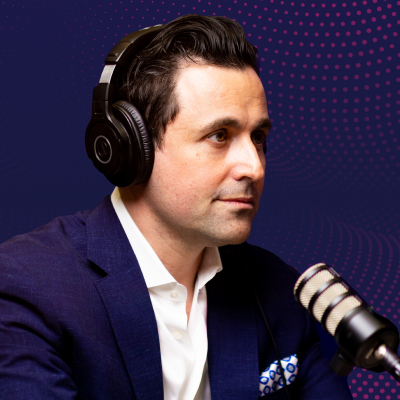
All right, all right, we're back at it, and this time we're here in beautiful Vancouver, Canada, where we're bringing you Next Level Practice podcast episodes live from the floor of The Aesthetic Meeting 2024. This is the annual meeting of The Aesthetic Society, for the American Society for Aesthetic Plastic Surgery. It's a meeting we never miss. Over these next few days I'm going to be interviewing our clients and friends from around the industry to bring you up-to-the-minute insights on what's working and what's not when it comes to patient acquisition and practice growth.
Here at Influx we're very serious about keeping up with technological trends and studying how these changes impact the way that our clients grow their businesses, but I for one, I'm a big believer that truly setting yourself apart comes down to the nuances. So let's take some time over these next few days to interview people on the ground floor of aesthetic medicine and see what we can learn from them to help you take your practice to the next level.
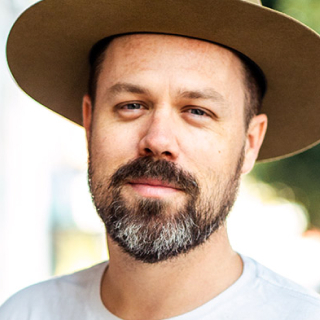
Okay, I'm back and I'm now joined by a good friend and client of ours, Dr. Ran Stark. Dr. Stark, thank you so much for joining us.
Dr. Ran Stark
Great, thanks for having me.
Max Baybak
Yeah, so I'm excited because one year ago — not here, it was in Miami I guess, right? — but at this very same meeting you sat down with us, and we talked a little bit about you being, I think at that time, about four years into private practice in Philadelphia. And I want to get an update today, so we're on year five now.
Dr. Ran Stark
Yeah, it's exciting.
Max Baybak
First of all, congrats.
Dr. Ran Stark
Thank you.
Max Baybak
And um, yeah, I'd love to kind of hear a little bit about what you're doing, how the evolution of the practice. Our goal here is to bring insights to people — maybe they're a little ahead of you or a little behind you or right where you are, but I think we can all learn something and we can all gain something from hearing, uh, from our colleagues and our peers. And sharing is just cool. I just think it's cool to share knowledge.
Dr. Ran Stark
I'd love to. I want to learn from you and your experience. The best way, right? You learn from others' mistakes and try not to make them, and you learn from your mistakes.
Max Baybak
100%. And I feel like — and this is, I feel like the spirit of the Aesthetic Society in general is to have a peer, is to be able to learn from your peers. And I feel like for everything you give, you get something, right? So that's why I think sharing what you've learned in your career is so cool, because inevitably, you know, you paid for it and you get it back, right?
Dr. Ran Stark
Yes.
Max Baybak
So okay, so I want to pick your brain for all those who are listening and watching—
Dr. Ran Stark
Sure.
Max Baybak
—kind of on what, uh, what you're seeing in year five. So your practice has grown. You were just telling me also that you've got a big, a lot more non-surgical happening these days, so let's talk about that a little bit.
Dr. Ran Stark
So you asked me earlier if I'm still doing non-surgical, where I am. And you know, as a young surgeon, when you're starting your practice, you're not busy operating, right? So you're really doing non-surgical things, so Botox or, you know, other neuromodulators, fillers, um, other non-invasive treatments like lasers. So you're trying to build a rapport with your patients, and that's really what I did initially. You know, I wasn't operating as much, you know, so I kept seeing these patients, started building rapport.
Next thing you notice, they start asking you for surgery, you know, breast lift, mommy makeover, facelift, and you're operating on them, you're building their trust. Next thing you know, they're sending their friends in. So definitely the core way you build a practice initially, you have to do non-surgical. You're not just going to come out from and start operating. I mean, nobody's going to trust you in your neighborhood yet.
Max Baybak
Yeah, so that was a bridge for you.
Dr. Ran Stark
Absolutely. And I still, you know, you asked me also, am I still doing non-surgical stuff? Of course I'm doing non-surgical. I like doing fillers, injectables, but I don't do it as much as I used to, cuz I'm busier operating now three days a week. I'm seeing a lot more patients. I have a larger staff, that we'll talk about in a second, that are doing injectables and skin care and, uh, non-surgical treatment as well.
So I've pretty much kept that core patient that helped me build my practice to myself, cuz you know, they — I hold them close and heart, you know, close to my heart. And um, some of them, you know, our schedules don't work that much anymore, so I have given my nurse, my nurses, to do, uh, but I still enjoy — I try not to take that many more patients on from a non-surgical standpoint unless they specifically ask for the surgeon. So that's kind of how the practice has evolved on that from my end.
Max Baybak
That's cool. So your OG patients that really helped you build it are kind of grandfathered in and they get that perk.
Dr. Ran Stark
You have to hold them close.
Max Baybak
I know, that's really cool. I think that's very special that you give them kind of that, a different — you hold them in a different, you know, esteem.
Dr. Ran Stark
At the same time, I wouldn't, if — as long as the patient's okay seeing the nurse, we're fine with it. But if they really ask to see the doctor, I will always see them.
Max Baybak
Will there be a different cost to them for injections, whether it be filler or neurotoxin, if they're seeing you versus one of your team members?
Dr. Ran Stark
So we actually have not done that. I kind of have our prices the same cuz I don't want to cause any issues, but it is something I've thought about, of increasing my pricing. At this point I do feel little — I just want to keep loyal to those patients who have followed me, and I don't want to suddenly come back and say, hey, I just increased my price by $5 a unit. So, and it's not fair to give one and not the other. So that has been a talk in the office, to do that, to try to help the nurses build their side a little faster. Uh, maybe it'll make the person think twice before asking, hey, I just want to see the doctor.
Max Baybak
Yeah, I think it's very cool of you to hold it there for as long as you can, but it seems like a day will come.
Dr. Ran Stark
It's coming, yes.
Max Baybak
Yeah, it seems like it is coming. So you went from non-surgical to surgical, and you're kind of pushing back into non-surgical even more so now, but now building a team. You said you have a pretty big team now on the non-surgical side.
Dr. Ran Stark
Yes, so we've kind of evolved. We have four nurse injectors, uh, two of them are also my surgical nurses, so it's back and forth. Uh, and we've grown out to three estheticians in the practice, so there's, uh, about seven, you know, non-surgical providers, and then there's one surgical provider, which is me.
Max Baybak
Yeah, that's a lot to keep busy.
Dr. Ran Stark
Yes.
Max Baybak
And something that you mentioned, uh, a minute ago when we were chatting before we hit record, that I really wanted to pick your brain on, is taking deliberate steps. Cuz you said — I think exactly what you said — of course it's every practice's goal to push from surgical to that repeat patient on the non-surgical side, and of course maybe back to surgery again one day where applicable. But I think that in my experience it can be easy to assume that the transfer or conversion from surgical over to non-surgical is just organic and natural, and it may occasionally come up where they ask, but there's got to be a lot of intentionality there. And I'm curious, and you were touching on this, I'm curious what you're doing.
Dr. Ran Stark
So sometimes it's organic, but sometimes you have to kind of, you have to engage the patient. So in our practice we always give patients a questionnaire to see if they have any other interests. However, when you have a surgical procedure in our practice, we try to make sure the patient gets perks, right? It's a big investment and we understand that, and we want to give back to the patient in a way, for trusting us.
So one of the things we do, we give them 10% off of all services within the practice. We used to do it for a year, and we changed that now for a lifetime, as long as they come once a year to continue getting, uh, a service. Uh, so that's one of the things, and they like it, you know, it's 10% off of pretty much anything in the—
Max Baybak
If they've done any surgery with you. And as long as they come back, as long as they kind of re-up, so to speak, annually, they can retain this 10% for life.
Dr. Ran Stark
Exactly.
Max Baybak
That's cool.
Dr. Ran Stark
Yeah, so that, you know, and then there's other perks involved of, uh, receiving different things within the practice from time to time. It's seasonal. There's packages with each practice, with each surgery. So it's definitely trying to keep the patient to come back, because it's very hard to acquire patients, right? And you want to keep that patient within the practice, you want them doing other services in the practice. You also get to see the patient that way from time to time.
Uh, and the key, retention is gold in our, uh, practice, because if you just operate on someone, a lot of times it's a one-time deal, or maybe they'll get another procedure in the future. But you know, I think sometimes people underestimate how important retention is, because coming for your Botox three times a year, I mean, that's consistent revenue in the practice. Getting your fillers, getting your skin care, those are key to making a successful practice.
Max Baybak
No question. I think people understand retention is the game, but I think they might overlook how much you bring your marketing costs down if you retain that customer versus one and done, right?
Dr. Ran Stark
I mean, you guys are expert in it. It costs a lot to bring one customer into the office, so you want to make everything out of your investment.
Max Baybak
100%. You said packages that go with surgery. Is that like a non-surgical package that kind of, that you recommend along with the — is that kind of what you meant, like per...?
Dr. Ran Stark
So we tried it, um, you know, let's say if it's a face procedure, we try to engage that. You know, there's a lot of talk always, it's not just about doing the facelift, you know, uh, it's 50% the facelift, but it's also 50% taking care of your skin, the quality of your skin and keeping up with it. So one of the things, we build a package: they see our esthetician two times before surgery. So now they're engaged to that esthetician, they're building rapport with her, uh, she's introducing them to different skincare, uh, different skincare regimens, um, and that already now builds a trust with the esthetician.
So for example, the facelift patient after surgery will now see her one more time for a complimentary skincare, uh, service, and they tend to continue with that esthetician, uh, because they like the care. Um, so there's always some kind of skin package within any kind of procedure. Uh, we always use Alastin, uh, repair and recovery product that we really like, especially for my body procedures. Uh, they get, uh, Silagen, which is a scar care treatment as well. We also, um, promote getting our lymphatic massages.
So there's always things coming with those procedures, and I think patients enjoy that. You know, they also get, um, skin, um, uh, VitaMedica vitamins as well — sorry, VitaMedica, uh, vitamins for pre-surgery and after surgery. So there's always things packaged into our surgeries.
Max Baybak
Sounds like the skin care can be a big bridge, and I think that's somewhat obvious, but actually I think it's important to look at the skin care that maybe is properly, uh, suited for that surgery, that you sort of prescribe or put together a recipe. And Alastin is great, I mean, they basically created that category, I guess they call it the sort of perioperative category of skin care, right?
And that's a bridge to all the other non-surgical, though, like you said. They'll then see that esthetician. Are they initially seeing the esthetician just to buy those products, and then maybe get some guidance on how best to use them, and then that esthetician becomes a trusted—
Dr. Ran Stark
It's not so much to buy those products, is really to prep their skin for surgery, to prepare them. You know, when we're talking about facelift, just to prepare them for the surgery. This is an ev— because a lot of these patients come in, their skin's not even conditioned, you know. They come in, they're dry, you know, they're not even on the proper — they, you know, you ask them where are you getting your skincare, they say, oh, Sephora or one of these, you know, uh, department stores, and they don't really know exactly what they're using. So you want to get them on the proper skincare because it makes a difference.
Max Baybak
Of course. Uh, and I think again it takes a lot of deliberate training and building out of SOPs to put this in place, you know, standard operating procedures, to have this be something that your whole team is dialed into, right? So it makes a difference, but it's easier said than done, I think, right? You can probably attest to that. I'm wondering where the patient connects with the esthetician. Do they give them guidance on how to — so where do they start to build that relationship with the esthetician if they're a surgical patient, that you're saying?
Dr. Ran Stark
I mean, if they sign up for the procedure right away, at the, you know, once they initiate the sign-up, right away they get an appointment with the esthetician.
Max Baybak
Got it.
Dr. Ran Stark
So my patient care coordinator already knows all the bundles, and she already knows how to direct them, right? Because it's key. A lot of times it doesn't need to come from me as the surgeon, it needs to come from my staff. So when the patient care coordinator is closing the procedure, she tells them, hey, don't forget about these perks, you're getting X, Y and Z with our surgery.
Max Baybak
So cool. So the product cost and the appointment with the esthetician is already baked into the surgical cost.
Dr. Ran Stark
Yes.
Max Baybak
So that's exactly where I wanted to go in terms of understanding how you're using the skincare to bridge. So you're bridging there. Are they by default, they always get an appointment?
Dr. Ran Stark
Always.
Max Baybak
That's really cool. Are you using any software to help you manage this, in terms of, like, especially I think about that one year thing. How would you — you have to keep track of if they basically, if they lapse over 12 months, then they no longer have that 10%. These are things that sound really cool, but like spreadsheets, I mean...
Dr. Ran Stark
We use our EMR and our point of sales. You know, we use Nextech currently in our office, and the — I'm not very familiar with it, but the front desk girls are, they have their ways of putting it into the system that there's alerts.
Max Baybak
Okay.
Dr. Ran Stark
Um, you know, and there's other ways to contact the patients. You know, one of the things that we initiate in the practice is, um, once every birthday they get a $100 gift card, come back, you know. So there's always engagement, so we continue our engagement with our patients consistently in any way we can. And there's little alerts under their name, so we know if they came back or not, and we have retention reports. So every six months, four months, the girls go back and see who has not come back, and they definitely get in touch with them in any way possible.
Max Baybak
So you're managing all that within Nextech, cuz I know some people are using other kind of membership programs and referral program type software. Nextech kind of powering all that for you. That's cool, that's good stuff. When you send out the, uh, birthday thing, is that usually an email or a text or both, do you know?
Dr. Ran Stark
It's an email.
Max Baybak
Okay. Are you doing anything with capturing SMS opt-in? I know this is big in med spa, it's a little less—
Dr. Ran Stark
No, we started, um, so we started using a Textly service in our office, and we're trying to use it and see how, um, it works. So when we have our monthly promotion, or, you know, every two months we do a promotion, we'll send it now through text as well, not just over email.
Max Baybak
It's really becoming a preferred method, I think.
Dr. Ran Stark
It is, right? I mean, a lot of times people get emails, they don't open them, or it goes to their spam. We know that when you text someone, they're looking at it, whether they open it, but they know that you sent them a text.
Max Baybak
Yeah, well, even if it's just to clear out their text, the open rates are really high on text because you don't leave text really unread, right? And that's been, I think, a really favored channel by consumers in the e-commerce space for some time now, but I think consumers are really coming around to it. It maybe seemed foreign from a medical vertical or something like that, but I think it's completely all becoming one, it's all coming together, where even plastic surgery patients might not be totally taken aback receiving a text, right?
Dr. Ran Stark
Uh, which is — but I believe it's interesting, because I was just talking to someone, there's specific regulations on, you know, texting people.
Max Baybak
Big time, which is why I was asking the opt-in aspect, right?
Dr. Ran Stark
So I believe there's an opt-in, and if they want to cancel, they can cancel and then we're done, right?
Max Baybak
Right. And we set that up too, with the leads that come in, where a person does put in a cell phone number along with the email, then we can make sure they go into those opt-ins, and you have those leads again that you can remarket to, instead of just, they didn't book this one time, whoops, we never hear from them again.
Dr. Ran Stark
Right. Well, and that's key. It's not even — if you don't hear from them, don't lose that patient, right? They're still in your system. Try to re-engage with them at some point somehow.
Max Baybak
Absolutely. So all those things that you're embracing, it's hard for practices to do at any stage. And even though, yes, you've been at it for five years, I have found that some of these things take a lot longer to implement, because you're just getting certain foundational things in. And first year you might, you know, kind of just, you're building your patient base, that you have to focus just on build, build, build. And as you start to get more established, you then have time to do some things that are a little harder to get around to.
So actually being able to get to some of these retention things, these loyalty things, these memberships at your stage, is actually I think quite impressive. I think people overestimate or underestimate how much effort they think they can do it. But I think if you're smartly just layering in more infrastructure, more stability, more repeated patterns of retention and SOPs, and you're — it seems like you're pretty far along in that.
Dr. Ran Stark
When you start your practice, you don't have time for it, and you don't have the manpower. And slowly you hire some more people and you're giving them more things to do. And that's definitely one of the things, I've always known how important each and every patient is that you have in your system, and you have to make sure that you have to somehow get them back into your practice.
Max Baybak
You said something that I think is actually cool. You said you don't — what were we talking about, with the exactly how your team manages a certain thing, that's good in my opinion, that you said they have this way of knowing if people have lapsed down their membership and they figured it out. This is something I need to learn to be good at.
And I think that plastic surgeons who I've talked to are so used to having to do everything themselves, and kind of — you got where I was going with it, and I want to talk about delegation and I want to talk about your team. I know that you've been very careful in kind of curating and handpicking the team that you built, and obviously that's like so crucial to the success of a practice. So if plastic surgeons are listening to this who are maybe early in their career or maybe not even in private practice yet, I'd love for you to share your insights on that.
Dr. Ran Stark
So hiring people is always the hardest thing in any business, corporation you have, and human resources plays a large part in that, but we're not experts at that. So one of the things I did was I found myself a really good practice manager slash patient care coordinator, and she was my first hire. And you know, a lot of people came up to me and say, I can do this for you, I can do that for you, you know, a friend of a friend. But I knew that I wanted someone with experience, and when I say experience, it's not someone with just two years of experience. I hired someone who had 11 years of experience, and she came, you know, she was in a, um, she was in an ENT practice, then she was in another plastic surgeon's practice. So I didn't just hire someone because they said I think I can do it. I knew she had experience in it. So that was the first hire.
The other thing is, we had a few interviews talking, and you know, you got to hire someone with a personality, someone who's energetic, someone who can talk to people, because she's your face. And after you're done your consultation, she has to close that sale, and um, if they can't talk or build a rapport or a relationship, you're not going to close. So she was our first hire, you know. Um, and then, you know, front desk, she initially was my front desk.
My second hire, believe it or not, wasn't a nurse, it was actually an esthetician in my practice, because I realized, um, how important skin care was, and I was able to do the injectable, so I didn't really need a nurse yet. And I wasn't busy enough from a surgical aspect that I couldn't handle the work myself. So I hired an esthetician, and same thing, um, I wanted an esthetician with experience, not just someone who had one or two years, who finished, um. She had already 10 years of experience, uh, she had a good following, her reviews were amazing, I looked them up. Um, I heard from one patient and other patients in the area how great she was.
Um, so, and she had specific experience and knowledge, she was smart. You know, I asked her about different things about skin care, I really tested her out to see that she was knowledgeable, um, and she was. And it came back to retaining the patient, cuz I needed to start getting flow in my practice. So I knew that I can have a surgical patient and I can transfer that patient to her to take care of skin. So that started the back and forth.
Max Baybak
That's a move you made pretty early on, then.
Dr. Ran Stark
Yes, so the retention came really quick, and we started getting a good flow, and we built her pretty quickly. I mean, within a year and a half, two years she has a full book.
Max Baybak
That's cool.
Dr. Ran Stark
She's booked a year at a time.
Max Baybak
We do have, uh, docs that we work with who say, okay, I'm bringing someone on, and the marketing strategy session we're having with them is how do we, how do we, uh...
Dr. Ran Stark
It really depends on, as a surgeon, you know, the people aren't just going to walk off the street, you know, and you have that way. I mean, we work hard to get the consultations in the practice, and as a practice we don't really spend, um, money on advertising for the esthetician.
Max Baybak
That's the challenge, is they question how much they should invest in that. And I think you're thinking about it holistically, right?
Dr. Ran Stark
So you need to think of the whole practice together, because you're building such a good rapport with that patient in your consultation on the surgical side. They'll, you know, they trust you, you know, and you want the very best for them. And if they ask you, you'll tell them, hey, I think you should go see my skincare specialist, my esthetician, she can further talk to you about this and she's really good at it. So that was a nice venue.
That's then, um, then my next hire obviously was a nurse. And I hired a nurse with both, um, um, actually my first hire, she didn't have any injectable history, um, knowledge. She graduated nursing school, but she was very smart, she had a prior career as a teacher, um, and also very energetic, very personable. I knew my patients would love her, so we brought her in, and my promise to her was that I would train her to become an injector. So I didn't need to rely that she was injecting somewhere else and she's not doing it in a safe manner. I taught her for an entire year until she was allowed to inject her first patient, and I mean, she was a rock star, um, and she's great, you know. Uh, and so that was kind of the path that started things going.
Max Baybak
Cool. Uh, there's a lot we could talk a lot about, training and growing your own, so to speak, making sure they have the foundation that they need, but then training them on your own or having to untrain them.
Dr. Ran Stark
And it's always the question, that's the hardest thing to do.
Max Baybak
I think the answer for me, in my domain of expertise in marketing, is to find certain things that you know signal the right foundation, and then bring them all the way there with your best practices and experience, is better than — you might find a rare gem who's honestly just smarter than you, which would be great to find, as much as you can, and who has the foundation. You know, cuz I don't have the time to do those things. So you know, that transitions now into how do you hire someone who's already trained that you can trust.
Dr. Ran Stark
Yeah.
Max Baybak
That's another question, we could have a whole HR conversation. But going back to this hiring and your first hire, um, first of all, I love that you built in the retention aspect, basically realizing you needed a sticky mousetrap with the esthetician early on, so that is in the DNA of the practice versus like this kind of bolt-on afterthought afterward. But it sounds like you had good luck in these hires. Do you have any tips for people who are looking? Cuz you found people with all this experience, happen to be on the job market, I don't know if that was timing or... What advice do you give to people?
Dr. Ran Stark
I mean, look at their CV. I mean, if they're jumping from one place to another with less than a year, a year and a half, yeah, I wouldn't hire them.
Max Baybak
Yeah. So were you — did it take a long — did you have to be picking and say no a lot in order to find them, or do you just happen to get lucky and find them?
Dr. Ran Stark
I found, I was lucky cuz I found them pretty early, but I had many other, um, people that approached me, and even another esthetician, a few estheticians that I said no to. Um, you know, I'm just, you know, even I was thinking of one that, uh, I specifically talked to a few times, and I was glad I didn't hire her, you know. I know that she joined other practices and she left right away, and you could see it in her CV. I mean, every two years she was somewhere else. So don't hire them.
Max Baybak
Okay. Are you working with a staffing agency when you do this, or what's your method?
Dr. Ran Stark
I don't.
Max Baybak
You just did it on your own?
Dr. Ran Stark
I did on my own. I mean, I get a lot of inquiries on my own into my office. But I just had one now, while we're just the other day, on my DM, a girl asking, you know, I'm an MA, front desk, you know, they just send me information. But just starting, I've been lucky with that.
Max Baybak
Yeah, sounds like it.
Dr. Ran Stark
But I definitely think using companies, um, you know, like Titan has a very good, um, report, you know, good reviews. I think it's smart, if you don't know how to hire someone, absolutely reach out to them, and you know, they can help you, and that's a very valuable thing. Don't think just because it costs a lot of money to do, don't worry about the money, because you're going to save a lot more money in the long run, uh, by hiring someone bad, losing them, hiring — because every time you hire someone it costs you money, right? It costs you to train them, it costs you, you know. So it's not an inexpensive, uh, thing to do.
Max Baybak
Yeah. And we're talking about doing the right things to build a successful practice, and what I'm hearing is that the team is just — and of course, of course this is true, but I don't think you can overstress how important team is to building a successful practice.
Dr. Ran Stark
Team is everything. You got to trust them, and you know, and they're there more than you are, right?
Max Baybak
Right.
Dr. Ran Stark
And the patients are engaged more with them than you are, so they are your face, and you have to invest, and they have to be good. And everyone, you know, there's a standard procedure from the minute that patient calls your office, from the minute they walk into your office, and you have to follow it, because if you don't, you're not going to close, right?
And it's, I just saw a lady, uh, that I operated on, and she goes back and forth, you know, from Philadelphia — a lot of people spend their winters down in Florida — and she came and she saw me in the office, and she was actually seeing one of our estheticians that day. And she came up to me and she said, you know, I just love your practice. And I was like, why? She's like, this service I get here, it's just unbelievable. I went to a practice somewhere in Florida, she's like, they made me put a large deposit on the phone, they couldn't find it, they didn't even know my name when I came in. So you know, service, you know, white glove service for every patient, treat everyone like they're your family.
Max Baybak
That's a common theme we hear with people who have successful practices, and it sounds obvious, but it's also hard to do if you don't have that team that you trust to build, right, that nice patient flow and experience that makes them walk away with that feeling of, you know...
Dr. Ran Stark
Yeah, it's — and you think it's an easy thing, but it's not.
Max Baybak
No, I think a lot of people can't do it. I've watched practices hone this for years, and I do think patience is a part of it, and kind of build it in layers, build the foundation, and then build the team, and then put in the systems, and then, you know, and kind of rather than thinking you're going to do it all overnight. That's how people I think fall.
Dr. Ran Stark
It doesn't happen overnight, it takes time. I mean, five years and we're still building systems, and we're getting better and better and better at it. And you know, I wish one day it'll just go cruise control, but I don't think you'll ever get cruise control.
Max Baybak
Yeah, I think that that's a mistake to think — this is my experience, I've been doing marketing in aesthetics, plastic surgery for 12 years, uh — that it is a mistake to, and it's true in any business, that you're going to sit back and it's going to cruise. But you can definitely get inertia, no question, that you build inertia to the point where you have velocity, and there's a lot of things that start to happen for you to take a lot less effort.
Dr. Ran Stark
It's positive energy. You know, you need good apples, get rid of your bad apples right away, don't keep them, you know. Um, uh, Erica was asking me, you know, when we were talking, uh, about people and retention, I've had employees that had to leave, and I already knew that I needed them to leave, I was just waiting, you know. And most of them, I've never had to actually fire an employee, they just quit, and it was okay. I was never upset that they quit, because they were the bad apples.
Max Baybak
This is something about good cultures in general. And it doesn't, you know, we could say that the bad apple was a bad apple, they also just weren't a fit. Maybe they're a good person, they just weren't a fit.
Dr. Ran Stark
They are, yeah, they're good people, but you're right, they weren't a fit.
Max Baybak
Right. It's a question about good cultures, and cultures that have a clear identity, so the people who know that they're kind of an outlier there, they kind of show themselves the door eventually. I've noticed this where cultures are clearly deliberately built.
Dr. Ran Stark
But it's like an athlete, if you're not good, you're not going to, you know, you'll fade away, right?
Max Baybak
Yeah, you got it, I agree. So I have two more questions, or one or two more things I wanted to pick your brain on, as we're talking about what can others learn in building a successful practice. One thing I know is that as you did start to transition, from like you said in the beginning you focused a lot on non-surgical, and into surgery, and I don't know if you would agree, but from kind of what I understand, you kind of didn't go in on a low price point, you kind of came in saying like, you know, I'm building a certain level of brand kind of right away.
And I think that that's a question we get with newer docs asking us a lot, like how do I kind of make that transition? So it's not the transition from how do I get people to trust me and let them, you know, let me be their surgeon, but how do I get to the price that I want to get? Should I start there? What advice do you have on that?
Dr. Ran Stark
So when I was a resident, I went to one of our, um, senior meetings, and they had one of the consultants, and she said something so important and I still hold it with me today: don't undervalue yourself. You just spent a decade training, you're worth a lot. And if you're going to undervalue yourself, people are going to undervalue you. So when you start practice, you know, of course you have to be competitive in your market, but don't be the cheapest person. You don't have to be the most expensive person, but put yourself smack dab in the middle or a little bit more than the middle, because you're more than that, you know.
Um, so don't undervalue yourself, because if you do, then the patient can see it and they're like, he doesn't even value himself, he's just, you know, doing a breast aug for so little, like why would I go to him? And don't be worried about it, put a price on it, and they'll come and they'll value you. Uh, one of the things we always see is patients try to, um, come and compare prices, you know, we were just talking about earlier. And you know, let them compare pricing. I will never price match them, cuz I value myself, I value myself, I value my training, um, I value the quality that my office provides them, the staff is great. So don't — just give yourself a value and go with it, and you don't have to make yourself cheap.
Max Baybak
Absolutely.
Dr. Ran Stark
And make yourself have a consultation fee, okay? I've never done a free console. If they're not willing to pay $100 or $200 to come see you, even $500, they're not serious.
Max Baybak
Yeah, we've seen some practices where they would have a console fee, but maybe turn it off if they wanted, so I call it turning it off, you know, go okay, we're going to drop it right now, we want to get consult rate up. But there was a much higher degree of no-shows in those consults.
Dr. Ran Stark
Free, I mean, and that's kind of, they don't have any skin in the game. I mean, in today's world you go get a haircut and they tell, if you don't show up we're running your credit card. If you go to a restaurant, you don't show up, they charge you. So why are you not charging the patient for a consult? You know, we're even going to start that I think with our injectors and our estheticians, because you know, you got to get the patient to have a skin in the game, because it's so easy for them to call and say, I'm not coming today cuz it's raining. You — what do you mean? You know, we saved you a spot.
Max Baybak
It's happening on the non-surgical side. Like you said, when I get my haircut, I love booking online, but I got to pay, and they're going to hold the spot for me, so I got to pay. And you're right, a lot of restaurants now through OpenTable and some of these other reservation apps. I got — the key point is don't undervalue yourself, put a price tag on yourself and make sure you're worth it.
Dr. Ran Stark
Absolutely.
Max Baybak
It's — you mentioned Erica. She just did a talk that was the title of the talk — she was asked to do it, so she didn't create the title — was something about should I price match, you know, I'm botching the name, but you know, if someone comes to me with a price from another surgeon, should I try to match it? That was the title of the talk she gave today. I'm talking about Erica Crawford, who's our president at Influx Marketing. Um, and so you just said you don't do that, so that's pretty clear. Are you seeing a higher prevalence of that these days, of people kind of asking you to do that shopping?
Dr. Ran Stark
Yes, I mean, there's different types of patients, and there's specific patients that do that. They'll go from surgeon to surgeon, price shop, and then they'll like you, you know, you give them a great console, they see your work, they really like you, and then they start, you know, you give them your quote and they're like, oh wow, that's a lot of money. Yeah, but you know, it's a lot of work and it's a lot of time, and I'm going to take great care of you, and you're going to have a good result.
And then they'll pull out this quote from another surgeon, like, I don't understand why, you know, he's this much and you're that much. You know, well, it's again, it's, you know, it's apples and oranges. I'm giving you something he's not giving you, and I, you know, I think my work's good, and that's the value I give to my work, you know. Um, it's, you know, and I know it's not — I mean, if you want a Mercedes, don't go buy a Ford, you know. They're both good cars, you know, but that's the way it is.
Max Baybak
And it sounds like they've already decided they want you, but they're using it as kind of a device to see if they can get your price down. But they decided on you already.
Dr. Ran Stark
And guess what, they'll sign up with me, right? And they did sign up with me, and this happens multiple times.
Max Baybak
This happens multiple — I mean, this is not an infrequent thing. You're calling their bluff, always, in essence. It's a poker game, and someone who doesn't value themselves enough actually loses maybe even more than just on, okay, I'll match you. They lose cuz all of a sudden confidence is out the window for the patient. It's kind of what I'm hearing you say.
Dr. Ran Stark
Exactly.
Max Baybak
Interesting.
Dr. Ran Stark
It's all psychological.
Max Baybak
But at the end of the day it's not a mind game, you're not trying to play games, you're just saying this is what I'm worth.
Dr. Ran Stark
And the important thing is, remove yourself from that equation. Don't deal with money. You have a patient care coordinator, and that's what I said, you got to make sure she's good, right? So my patient care coordinator Lori is amazing. I mean, when they talk about money, I just tell them, take care of it, you know, whatever you decide, you do. And she knows. And as a surgeon, I don't deal with it, she deals with it.
Max Baybak
And you really — I agree with you, you shouldn't. I don't know if there are maybe, starting out, some people who have less resources that are trying to do that, and you got to do what you got to do. But when you're removed from it, it elevates and it exalts you, and she can speak — your patient care coordinator can speak about you in the third person, and—
Dr. Ran Stark
Right, she's credentialing you, you know. It's easier for her to tell that patient why she should use you and not the other person.
Max Baybak
Yeah, absolutely. It's a little bit different.
Dr. Ran Stark
Yeah.
Max Baybak
Yeah. So in the evolution of your practice, I think I overheard you talking with Adam over here at our booth that you're working on building out your own OR.
Dr. Ran Stark
Yes.
Max Baybak
Is that right? Where — how far along are you in that process?
Dr. Ran Stark
We're in the very beginning process of this. Um, every state has different regulations, it's taking us a good amount of time, uh, with the Department of Health to get approval, but we finally got the approval.
Max Baybak
Oh, that's huge, so congrats. And that'll be right on site or at a separate location, or...?
Dr. Ran Stark
So it's right on site. It's, uh, adjacent to my office. It'll be a different entity. Um, I'm hoping other, you know, colleagues will come use it.
Max Baybak
I was going to ask if you're going to do the surgical center route like that.
Dr. Ran Stark
Yes, so you know, it has a different name. I have two ORs, you know. I really want to make it a special place for plastic surgeons, because it's becoming harder and harder to find good places to operate, at least where we live. Um, you know, pricing is going up, uh, we don't really take our patients to the hospitals anymore. Um, you know, it's also a little bit of uncertainty, what if the surgery center comes and tells me, you know, we don't want you operating, well, you know, we want to give it to someone else.
Max Baybak
Yeah, you de-risked. You have your own busy practice already.
Dr. Ran Stark
I mean, Monday, Wednesday, Friday operating days, I can't risk that anymore.
Max Baybak
So yeah, I think it's that natural evolution as you grow. We're seeing, I mean, years ago when I started in this business, not many, not a high percentage had their own ORs, but as they're growing, you just need full control of your schedule and of your time. But I think it's wise to open it up to your colleagues, as you said, cuz I've seen some who tried to create a really luxury experience, dedicated private, uh, but the cost, if you can offset those things, becomes quite a burden.
Dr. Ran Stark
And it's interesting, because when you talk to more senior plastic surgeons and you ask them, do you have one regret, what is it, they'll say, I didn't build an OR.
Max Baybak
Interesting.
Dr. Ran Stark
I've heard that multiple times.
Max Baybak
What do you think is behind that, in terms of that being such a heavy — I wouldn't necessarily have thought that that would be a big answer.
Dr. Ran Stark
I don't think it's about financials, it's, uh, about efficiency.
Max Baybak
Okay. It's about — so if there's one thing they could go back and do, that's kind of what you mean.
Dr. Ran Stark
I see. You know, and start it early, you know. Don't wait till you're in your last 10 years of your career, do it, you know, within the first decade of your career, because you're not going to be able to do it. And I wouldn't recommend doing it — don't build an office and build an OR right away.
Max Baybak
Again, that layering, it'll come, right?
Dr. Ran Stark
So it's year five, now I'm doing it.
Max Baybak
Cool. You know, that's what I love, cuz every year I'm going to talk to you and be like, okay, what are you doing now, what phase, what era are we in now? On the OR side thing too, I always encourage people, really our clients, to — it's a marketing opportunity, but it's hard to make sure that you're conveying that correctly and why that is such, uh, a benefit to the patient, from privacy to safety to discretion, and just all of those aspects. And I think sometimes it gets overlooked as a marketing opportunity to say, you know, this is just yet another reason, and not a small one though, that the overall experience here will be elevated from the comp—
Dr. Ran Stark
You know, at least in our situation, in my practice, it's a nice setup. It's, uh, a building right across from the hospital. They feel comfortable that there is a hospital across the street, but they also realize why we don't go to the hospital. And I think they experience — in a private surgical center it's a lot better than the hospital. You know, we have our own staff there, we have board certified anesthesiologists, they have the best care that they can ever think of, you know. Um, so I'm looking forward to it.
Max Baybak
That's amazing. Do you have any other advice you would give for, again, docs early in their career, or maybe not even yet out in private practice?
Dr. Ran Stark
Um, don't think that you need to come out with a big bang. Don't think you need to have a glorious office right away. It's okay to rent space, it's okay to take small steps. You know, don't feel, um, you know, one of the nice things is I didn't have to take a loan. I did it small, I rented small space, I got, you know, I got some patients, I started, you know, seeing patients, you know. I was smart about it, and um, you know, I found the right office space with, you know, a good lease with a good tenant improvement allowance. Uh, so just do small steps, don't think you have to come out with a huge bang.
Max Baybak
So what I'm hearing is slow and steady wins the race, kind of always. Yeah, that's amazing. And I don't know what percentage of docs, surgeons going into private practice take out a loan, but I feel like a lot that I talk to, seems to be a very high percentage. So that's impressive, right, sets you up for success. So congrats on five successful years and all that you have coming up, and thanks so much for sharing with us and our audience. Let's see what we talk about in year six.
Dr. Ran Stark
I'm excited.
Max Baybak
I'm excited. All right, man, thank you Dr. Stark, appreciate the time.
Dr. Ran Stark
Thank you.
Subscribe to Next Level Practices
Next Level Practices is the show where we discuss the ever-changing world of digital marketing and patient acquisition and bring you the latest ideas, strategies, and tactics to help you take your practice to the next level.