Embracing Offer-Based Marketing in Aesthetics
w/ John Wheeler, CEO of Esthetics Center
50 minute view/listen


April, 2022
Available everywhere you podcast


Offers aren't always discounts, they don't have to cheapen your brand, and every practice needs an offer-based strategy to capture and command the consumer's attention in this era of digital overload.
If it sounds unusual, it's only because incompetent advertisers have dumbed down offer-based marketing and turned it into a bargain-basement race to the bottom. But John Wheeler is no stranger to the unconventional approach. With a background in pastoral ministry providing a depth of compassion and empowerment to his work as the CEO of Esthetics Center, he has built his company around "creating the perfect patient experience." What that means for the rest of us is a case study in results-oriented marketing. In this episode of Next Level Practices, listen as John preaches his gospel of glorious design and manifesting the future of marketing.
Full Transcript
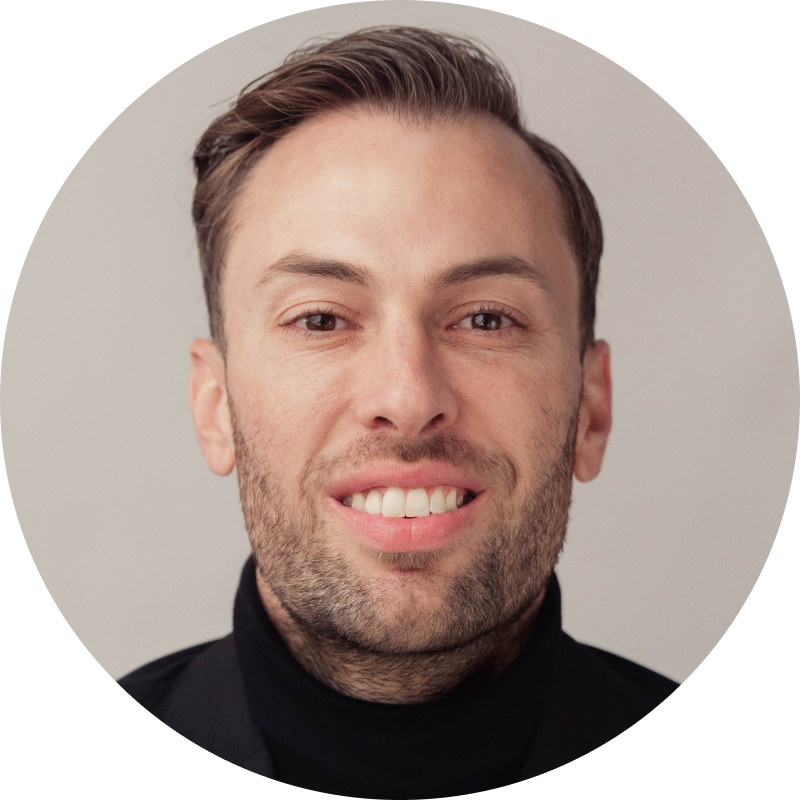
John Wheeler
First of all, we're not afraid to discount. That's the main tactic that we use, is—we call it an irresistible offer.
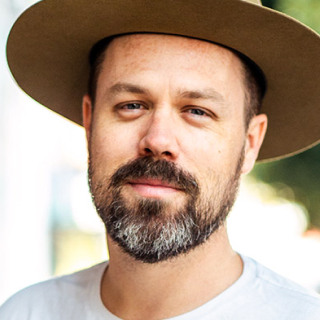
Max Baybak
I love that.
John Wheeler
And, uh, I—a lot of people in our industry are afraid of using irresistible offers. A lot of the consultants, which I always laugh when I think about these consultants, that to me they're like college professors that maybe did the thing that they're teaching about like 20 years ago, but they have no idea how to actually be boots on the ground in our industry today. Um, they caution people on stage all the time: never discount your product, you know. And obviously, like, you and I have a little bit different vantage point, being more in the trenches in this industry.
It's a law of economics. Like, if you took microeconomics, on the first day you learned about the law of demand. Law of demand is: the lower the price, the higher the quantity demanded.
Max Baybak
All right, hello everyone, and welcome back to the podcast. Uh, today we have a little bit of a unique episode for you. So more often than not, you know, my guests on the show are marketers and consultants, are people who are building tools and resources to enhance patient acquisition. But today we're going to break that mold a little bit, and I'm going to be interviewing a gentleman who sits on kind of a different side of the table. You may not know his name yet, but he's someone that I think you should get to know, and that's why I've invited him on the show.
My guest today is Mr. John Wheeler. He is CEO of the Sacramento-based multi-location medical spa brand Esthetics Center. Welcome, John. Thank you so much for joining us.
John Wheeler
Absolutely, Max. Thanks for having me.
Max Baybak
Yeah, man. I'm excited about our conversation today. And just to give everyone a little bit of context, John and I met actually really recently at VCS, the Vegas Cosmetic Surgery show, and we shared the stage there as presenters, and also we sat on a panel together during a session on marketing and practice management. And I thoroughly enjoyed the presentation that John gave, and later in this interview I'm going to unpack exactly what I thought was so special about it. But first, John, would you mind just telling us a little bit about yourself, how you got involved in aesthetics, and what you and your team are building at Esthetics Center today?
John Wheeler
Absolutely. So, kind of a weird background, especially in this industry, but I was a pastor for about seven years, and at the tail end of that time I actually went to seminary in Michigan, uh, and went, uh, straight away after my wedding. And I applied for all these different jobs and I couldn't find work anywhere. And so I thought to myself, hey, I just got married, I love music—I was always like the sound guy in the bands that I was in, uh, growing up—and so I was like, I'm just going to be a wedding DJ. That makes sense to me. I love to speak in public, I love music, I love, like, putting a set together.
So that's what I did. Started a wedding company, ended up growing it, selling that. My father-in-law is a plastic surgeon. We moved back to California, and he called me a couple months after we got back and he said, hey, I want you to do for this company I'm starting exactly what you did for your wedding company. And so that's kind of where it was born. And I started out as the guy that posted on social media for our company. But for me, I've always been kind of a big vision, big picture leader kind of guy, and so it just ended up morphing from there.
You know, he had an office manager—quote-unquote office manager—at the time, and I had a bigger vision for the company than she did, and so it just ended up morphing into where I took over the business. And now a couple years later, him and I are business partners, and, uh, we own at this point, uh, very soon three locations together in the medical spa, facial plastic surgery space.
Max Baybak
That's really cool. I knew part of that from your, uh, introduction when you spoke at VCS, but I learned more just now. And I think the pastor aspect and the DJ aspect, uh, make a lot of sense to me, because you had an excellent presence on stage. You seemed really comfortable, you really engaged the audience.
John Wheeler
Yeah, very much. There was a lot of weddings where I worked both as the officiant and the DJ, and that was always a weird experience, to go from double dipper to the party guy.
Max Baybak
Dude, I love that. Um, yeah, it's cool you mentioned being the sound guy. I wasn't so much the sound guy in bands that I grew up in. Actually, one of my business partners, who is our chief design officer, is like a legendary sound designer or sound engineer and producer and musician as well. He's really great. But I learned just enough doing music and being in a band with him back in the day, that that's kind of how I was comfortable around starting a podcast, and I helped some of our clients do podcasting. And I'm just—I know enough about audio to be dangerous. So that's awesome.
But I also love just—by the way, um, only in today's day and age can the person who's responsible for social media rise to become the CEO, just because, like, digital is such an important piece of a business today. And so I think that's really cool. I think that speaks volumes to, uh, just based on when I—because the reason I invited you and was so excited to ask you to come on the show, so I could pick your brain, was I think your take on it, it was really refreshing from what I see a lot of medical spas doing or surgery practices doing.
John Wheeler
So, well, the muscle that you work in marketing is a similar muscle to what I work now as CEO, um, which is: how are we going to build this brand, how are we going to grow this company? Um, and obviously as CEO, it involves marketing and branding and growing the brand. It also involves growing other things, like the team, the people, the locations, the offerings, and just casting the vision. But it's almost that same muscle, like I said, of like, can you cast a vision, can you see the future and bring it into the present? And, uh, I did—I learned that in the marketing space.
Max Baybak
That really, really resonates with me. Can you cast a vision, can you see the future, bring it into the present? You're so right. Marketers have to be able to deal in, like, kind of the ethereal, imaginary, and some people need to do something a little more hands-on. So you're right, it is pretty similar, actually. I didn't peg it that exact way, but that's cool.
Okay, so look, as I mentioned kind of earlier, I really enjoyed the presentation you gave. I think it was one of the most kind of valuable presentations I've seen at a conference in this industry.
John Wheeler
Thank you.
Max Baybak
And you know, yeah, no, I really mean that. And you said something when you first got on stage that I think was important. You said you didn't have anything to sell the audience. Now, I'm not saying this is always the case, but I often do see marketing companies pitching things that they know how to do, or that are easy to scale, or telling practice owners that they have to outsource all their marketing, or things that may not always be really in the best interest of the practice.
And as a marketing agency, I really try to discipline myself, or to test ourselves, to not do that—to always just figure out what really should a practice be doing, and can we either offer that, or should they be trying to figure that out in-house versus me trying to sell them that. And this whole show is about marketing strategy, so I prefer to talk about what practices should be doing, and then from there they can figure out the best way to implement it, whatever makes the most sense for them. So I thought that was really refreshing with the presentation you gave, and that's why I was really excited to pick your brain today.
And so let's jump in. Will you walk us through some of the kind of trial and error that you went through in working out how best to market Esthetics Center to get those first patients in the door, and kind of how you arrived at the formulas that you're using today?
John Wheeler
Absolutely. So the basis of our company, uh, from a branding, marketing standpoint, is a book by Donald Miller. I'm not sure if you're familiar with him, but he wrote a book several years ago called Building a StoryBrand. Uh, to me it's required reading if you're in the marketing space, and especially in the plastic surgery, medical spa industry, where every doc, every nurse, every surgeon wants to be the man, right? Like, Dr. So-and-so, doctor of this city, or, I want to build a brand around myself.
And for me, it's easy for me because I'm not a doctor, right? So I never had that temptation to be like, I want to build a brand around X. I always wanted to build an empire, and it's really hard to build an empire around one person. So that was kind of the starting point. Uh, but that Building a StoryBrand—inviting your patients into a narrative. What's the narrative that our brand is telling and selling? And it's this idea around, your customer is the hero and you are the guide.
And so that, for me, took plastic surgery and flipped it on its head, where everywhere I looked in the landscape of our industry, it was: the plastic surgeon is the hero, and the customer is not the hero, they're not the guy, they're just a person that needs a hero. But we all want to be the hero of our own story, right? I don't want a plastic surgeon to be the hero of my story. So just from day one, that was the DNA and the ethos that we adopted from that book. And again, it's required reading. If you're on my team in marketing, it is required reading.
So that's really the foundation for us. And then from there, obviously we built our website around that, our brand around that, our tagline around that. And, uh, but also just not settling for crappy content or crappy creative. Like, we wanted best in class graphic design, best in class everything. And so for me, with the last website that we made—we redid our website—that was like a year and a half process. Literally, it took 18 months to recreate our website, because we had to start from scratch and build a new logo. We went through three logos that we actually launched and then took back, and then launched, and it was this crazy, like, Steve Jobs Apple II experience, where it's just like launching, no, not good enough, rebuilding. And it just took forever. Not that I would recommend that.
Max Baybak
Yeah, I've seen, you know, rebrands and web buildouts go for a long time. I've seen some come together fast that are epic. But obviously the point is, you know, the care that you're putting into building that narrative and that story brand. I don't know if I'm familiar with that author, the book title sounds similar. I'm definitely familiar with the concept of sort of building that story brand or figuring out what your story is.
What I think is so intriguing about the fact that you brought that up is, I walked away from the presentation you gave thinking about, um, a presentation that I gave virtually last year, when there were no conferences, that was about what aesthetic brands can learn from e-commerce brands. Because we were smack dab in the middle of the pandemic, everyone was trying—if you didn't already have an e-commerce store, you were trying to throw one up, sell some skincare products. I think that's the most basic way you could sort of emulate an e-commerce brand. There's a lot more that I've been, you know, wanting to help brands implement for a long time, but depending on if they're insurance practices, or what EMRs they're using—and I want to get into this with you a little bit later, the siloed data that makes it hard for them to do those things—um, has been just something that I've been, you know, kind of passionate about, watching this space and how it can get closer and closer to what e-commerce brands do.
But a key thing that I'm hearing now when you're talking about this is, also the successful e-commerce brands do the same thing: they build a story brand. It's rarely ever about a single person or a personal brand or a guru brand. And it's really common for doctors to go in that direction, and it makes sense—they've worked very hard to become authorities in their field, and there is an era where you looked to that doctor as the expert, and that was kind of the totem of all of their marketing, and it made a lot of sense. I don't think that that goes away for everybody, but I think there's definitely a strategy here, um, that's coming. We're seeing a little bit more, especially with medical aesthetics, non-surgical practices. And I think you're right—you put it really well when you said the patient needs to be the hero of the story.
John Wheeler
Well, our practice is surgical, and at that conference that you're speaking about, I sat through so many presentations with doctors going up there saying, hey, I'm a few years from selling my practice. I look at the name of their practice, it's like Dr. Bob Stevenson Plastic Surgery. I mean, what's the ultimate goal of a business? Ultimate goal of a business, I want you—is to sell the business one day, right? That's your greatest offering, is the business. That's where you're going to make 10, 20, 50, 100 million dollars, depending on the scale of the business. How much does Jason McGee want to buy Bob Stevenson MD Plastic Surgery? Like, there's just no marketability. So that was even kind of a starting point for me, because when I took over, our business was named after our plastic surgeon, and that was one of the first things that we changed.
Max Baybak
I think that's also innovative thinking on your part. I actually have the same thing—I don't mean to keep saying I just had the same thought as you, but, uh, great minds think alike. And you were talking—
John Wheeler
No shame in that.
Max Baybak
I appreciate that. No, but when you were talking about the doctors building the brands up around themselves, uh, it's actually something we've seen for a long time, that problem, where when they're trying to figure out what they're going to do later in their career, they've now branded it around them. Um, and I would say that there are some people who want to be the owner-operators of their business forever, but it should still be occupiable by somebody else, it should be set up so that it is, uh, sellable. And if it is, then I think you've really built out the right model. So it's still a goal to strive for, but we're seeing more and more practices start up today, even surgical, like you said, not just medical spas, that are going with a name that is transferable. So that's also interesting.
Um, when you said something, uh, in your presentation, how you started out doing radio ads—is that something before, like, what's the path before you sort of honed in on the digital patient acquisition strategies you have today? Were you trying all different channels, including traditional media and so forth?
John Wheeler
Yeah. So when I first started, um, we had been—our company, even though we kind of had multiple iterations, right, there was—but basically, it's kind of confusing, but our plastic surgeon moved about 25 minutes down from where he was, down the hill, into a town called El Dorado Hills, and he had his previous practice for about 25 years. So while we're a new company, we're also an existing company. So I wanted to just clarify that before I say what I'm about to say.
So he, for years when I took over, had been advertising in like the local magazines that, you know, the ones that they distribute for free in every waiting—in every business, the regional magazines. So he had been advertising in there. And typically when you advertise in there, all of the other, like, legacy advertising companies look through those magazines to see who they can call and try to get to advertise for them. So all the radio reps read those magazines with the idea of, who can I call that might be dumb enough to advertise on the radio? Um, so it's just lead gen for them.
Max Baybak
It's just lead gen.
John Wheeler
Yeah. So anyway, we kind of got roped into one of those situations where it was like, hey, for ten thousand dollars a month you get this many spots on the radio, you get an endorsement deal from our morning show DJ host, and, you know, she'll come in as a patient, you can video it, she'll talk about it on air. And so that was our experience with radio. We went all in on radio. We were doing two separate stations, and we had an endorsement deal with the morning show host on both stations, two of the biggest in Sacramento.
And it was just crickets. Like, we would get maybe four or five calls a month from the ads. And I mean, looking back, it was like, of course—like, who listens to the radio in 2020, or 2021, or 2019, whenever we're doing it? Um, nobody. So that's why it just was such an easy strategy to get away from. I think I kind of got roped into, like, we can be on the radio. So much of advertising, right, in legacy media, is an ego trip. You know what I'm saying? Like, everybody wants to have their face on a billboard, everybody wants to see their ad on TV, everybody wants to hear their name on the radio.
Like, it's just—are you stroking your ego, or are you marketing your company? Because if you're doing digital ads, which you and I are so passionate about, you might never see those ads. Like, they're being served to people that are not you. I don't even have a Facebook. Obviously we're all over Facebook, but I'm not personally on there, um, other than just looking at our ad center. So when I advertise, when I spend ten thousand on Facebook ads, my ego is not being stroked in any way, but those ads are a thousand times more effective, literally, than the radio. So you've kind of got to get over yourself if you're actually going to market well.
Max Baybak
And I think people in the ad industry appeal to the ego, as like, we could put your face on every billboard in this town. You might get two calls out of it, but—right. Yeah. And if you're getting calls anyway from other places, and the attribution is sort of obscured and you can't even really tell if it came from the billboard—that's part of the trick too, so you feel good about it, you think it might be getting you something, you're not sure if you should cut it off, because what if it is, you know, bringing in business.
And that's the beautiful thing about digital too, is how much you can attribute dollar for dollar, that you know what's coming in the door based on what you spend on digital. I think there are some places—
John Wheeler
Measurable, right? It's changeable easily.
Max Baybak
Um, yeah, on the fly.
John Wheeler
Way more targetable, things like that. I mean, when you're talking about radio ads, they come to you with like, hey, here's our demo. That's all. Like, yeah, 40 to 60 year old female, women love the station. But like, that's all you get. You don't get the targetability that you and I get on paid social.
Max Baybak
A hundred percent true. I think there can be some uses for these traditional media channels, but I would say, like, you've got to be spending a lot on digital before you should even be thinking about it, before you've sort of saturated all your options there. And then there are ways to do it, but it's not what we focus on. There's very few practices that really should be saying, I've kind of, you know, done everything I can do here and I don't want to expand to more traditional media channels.
John Wheeler
I do agree with you, because I am saying this while I'm in talks with some billboard companies in our city to put our name up on, you know, eight or ten billboards all around. But again, that's because we're blowing the roof off on paid digital, and we only want the billboards to wag the dog's tail on digital.
Max Baybak
Like, yeah. Also, what's paying for the billboards?
John Wheeler
What's that?
Max Baybak
Probably the digital. What's paying for the billboards?
John Wheeler
Yeah, exactly. Digital's paying for the billboards. And the billboards for us are just going to be branding. They're not going to be direct call to action.
Max Baybak
That's kind of, to me, when you know you're putting your eggs in the wrong basket, when you're putting up billboards or bus shelter ads or magazine ads where you're trying to make money from those ads directly. Like, the difference between direct response marketing and branding, or just general advertising—so when you're trying to do direct response marketing, you need someone to take action right now. That's the last place you should be putting your money.
Once you've got that funnel down, then it makes a lot of sense to sort of secure your position, especially—you got two and soon to be three locations in a localized area, and you can actually do a lot of damage with those billboards, where you can get a lot of lift and brand recognition and retention. And then you're just kind of, uh, affirming that loyalty and bringing those patients to come back for their treatments. Obviously med spa is great business.
John Wheeler
So that when they see our digital ads, they're like, oh, these are the guys that were on the billboard, they must be legit.
Max Baybak
Yeah.
John Wheeler
But the click, the call, comes from the digital ad, not from the billboard.
Max Baybak
Yeah. Do you even bother putting tracking phone numbers on those billboards? Um, I've seen it go both ways. I've seen people just kind of know what they're doing, and then some people really try to measure it, but sometimes trying to measure it—
John Wheeler
We did that on the radio, we were all about the tracking numbers. Uh, yeah, for the billboards, we're just going to use—I mean, we're so built out with our EMR and our call recording, and the AI that goes into the call recording, that we're just not really—like, the AI that records our calls can tell us what is mentioned in the call from a really high level, like the acquisition, where the lead came from, what they're talking about. So to me that kind of does—
Max Baybak
Familiar with some systems that do that.
John Wheeler
What's that?
Max Baybak
Yeah, I think it's fascinating. I'm familiar with some systems that do that, and I think it's fascinating. There's this one, um, in Los Angeles, there's this one, uh, personal injury attorney that literally just owns the billboards in the town. And they went from—I just pay attention to this stuff, how are people doing tracking and so forth—they went from having a phone number to having a website. They don't even have a website on there. So they're looking at their—I guarantee you they're looking at their increase in organic search in relation to their billboards, and that's just how they're doing it. And they just know. They're spending millions and millions a month, so they don't even care to try to track it anymore. They know that the lift is coming in.
John Wheeler
And what's the expectation with your phone number on a billboard? Like, somebody's going to remember it and then 30 minutes later when they're at their destination they're going to—you know, you see these things two seconds.
Max Baybak
I think that's it, you hit the nail on the head. They know how people function today. They just go to their phone and they type in whatever they can remember about the brand name, and then they end up going through it through Google. So makes a ton of sense.
But, um, yeah, so obviously I'm a big fan of digital, as you said, but there's a lot more to digital than just, hey, social ads or Google ads, or, uh, just a lot of the surface level things people think about. And going back to your talk, you shared a couple things that I thought were key takeaways. You showed that one of your biggest successes was the use of remarketing. You also spoke about how you leverage automation. Um, you talked about—these are just the takeaways I wrote down after your presentation—um, you talked about offer-based campaigns, and then the use of SMS to re-engage those leads.
And this is all kind of what I would refer to as funnel thinking. Like, people sort of generally think of marketing as just talk to one big audience, but if you break it down and you talk to the right audience at the right time in the funnel, I think you can go so much further, and I rarely see it being done intelligently. Can you share with us just kind of some of the examples that you gave in your presentation of what sort of a typical campaign looks like, and how you utilize some of those things I just mentioned?
John Wheeler
Absolutely. So, uh, first of all, we're not afraid to discount. That's the main tactic that we use, is—we call it an irresistible offer. And I—a lot of people in our industry are afraid of using irresistible offers. A lot of the consultants, which I always laugh when I think about these consultants, that to me they're like college professors that maybe did the thing that they're teaching about like 20 years ago, but they have no idea how to actually be boots on the ground in our industry today. They caution people on stage all the time: never discount your product, you know. And obviously, like, you and I have a little bit different vantage point, being more in the trenches in this industry.
Um, it's a law of economics. Like, if you took microeconomics, on the first day you learned about the law of demand. Law of demand is: the lower the price, the higher the quantity demanded.
Max Baybak
That's an economic law.
John Wheeler
That's right, exactly. So we know based on economic laws that if I show a low price to an audience, there will be a high quantity demanded if I offer a discount. So now the question isn't, do I offer the discount or not, it's who do I offer the discount to. And if I'm good at targeting—obviously you and I are both targeting guys, like, that's what digital marketing is, is mastering the offer and the targeting and the distribution, right?
So, um, if I'm good at targeting, I can show my offer to the right audience, not the Groupon audience. That's the problem with Groupon, is the targeting, who it's targeting. I don't shop on Groupon. Our avatar sure as hell doesn't shop on Groupon. But if I show it to the right audience, I know that I'm going to get a high quantity demanded, and that's the law of demand. And it's like putting the freaking best bait in the world on a super stocked pond and going fishing. You know, the question isn't should you use bait or not, it's what pond are you fishing in.
Max Baybak
So I love the way you're breaking this down. And this is one of the things that I was really excited to unpack with you, because, you know, sometimes it's hard to get clients to buy in on having some kind of an upfront offer. If you don't mind, I think I'm going to steal—it's so obvious, I never really used that as an example though, to just say, hey look, it's supply and demand. The term I remember from economics is elasticity, right? So the concept is if you bring the price down, the volume inside of the demand curve should actually be the same, because the price will go down, demand will go up. So you actually can create the same total sales, in essence.
But you're even talking about using it as a carrot up front, and we see this with software brands, you know, you get a free trial or whatever, they kind of have to get you hooked. But you brought up, um, a really key point, and you just said it now with fishing in the ponds, which is that it's about how you target it. And again, this goes back to what I would consider funnel thinking. If you take this kind of spray and pray, which is the not very targeted, not very strategic marketing strategy, you're kind of hitting everyone no matter who they are and where they might be in the buying cycle with the same message, then it's wasted.
Um, so your concept of taking that offer and bringing it to the right person—you told me something, that you don't bother with any of these offers or anything on your own social media. That's really obvious when we talk about it, but I think a lot of practices, if they're doing some kind of an offer special, the first thing they think to do is rush to their social media and post it. And if you really want to think about, like you said, which ponds are you fishing in, those people are already in. So don't waste your free offer or your discounted offer, whatever you're going to be giving away or discounting, on them. Use it to bring new people in the door, right? That's kind of what you mean by fishing in the right ponds.
John Wheeler
Exactly. And if you're a client, a patient, at Esthetics Center, after your first visit you will probably never see another discount again. So when people are like, oh, but I don't want to be a Groupon brand, I don't want to get that type of people—uh, you can think that, that's fine, but I'm telling you from years of experience that you've got to get the right person in the door one time and then focus on retention. So what type of experience are you giving them to come back again and again and again? How are you locking them in, even from a membership standpoint, from an experience standpoint? If you can understand that you just got to get them in once, blow them away, then you'll have a client for life.
Max Baybak
And what would you say to a person who says, well, you've given them a discount and now they expect it? I think I know what your answer might be, you kind of just said it with the experience thing. But what would you say to someone who says, well, now they expect that—what if they ask for it again?
John Wheeler
It just—has anyone ever? No.
Max Baybak
Has anyone ever said—true. Okay, that's true.
John Wheeler
Like, it's just not a thing. When you're offering a high caliber avatar person the right reason, like a discount type reason, to come in once and try you, you're targeting people that are usually looking for an excuse to leave their current medical spa. For some reason they're not happy. That's all it is. They're not even necessarily bargain hunters, because again, if you're good at targeting, you're not targeting bargain hunters. You're targeting people that have a yearly income of typically a hundred thousand dollars or more, right, that have interests—like, we're teasing out all of the ways that people are not bargain hunters.
So then all of a sudden now we think that they see a deal once, they come in once, they're going to be bargain hunters, even though all the data around their demographic tells us that they're not going to be. We have their zip code, we have their interests, we have their income, we have everything about them reverse engineered. They just want an excuse to leave the med spa that they're at now, because they're not happy.
And I can tell you, every time I've ever asked any patient, hey, why are you here, I know it's your first time, tell me why you're here—they all tell me the same thing: because the place I was at before didn't listen, they didn't make me feel like I was valuable, like I was important. They just wanted to stick a needle in my face and get me out as quickly as possible. You learn how to listen to this client and they're going to be a client for life, whether you discount their subsequent services or not.
Max Baybak
This is huge. So, targeting—you said it a bunch and I just want to unpack it a little bit more. Because I was asking you, hey, when you do these kind of offer-based things, do you ever have a concern—I asked you after your presentation, we were chit-chatting—do you ever have a concern about sort of what kind of patient that attracts? And, you know, as a marketer I was like, why didn't I—you gave the best answer you could have. You said, no, because I target it right. So you're not targeting people who—you're talking to people who have, you know, theoretically the disposable income or the expendable income for this kind of thing. You're making sure that they fit your avatar, like you said, that's your marketing persona, that is really your target demographic.
And I think what you hit on is so important, is that there's a lot of other reasons people are maybe in market for something, and it's not always about price, but they need something—especially in the paid social medium, they need something to motivate them and move them. Google is very different, and we can almost do a different episode on the differences between paid social and Google, but I think it's very different in that the person is expressing intent through their search, but you're almost always looking at a higher cost per acquisition. So if you want to get best bang for your buck, it really makes a lot of sense to spend time on paid social. But you're pulling them out of something else that they're doing in the middle of their day, and you need something that motivates them.
But I love how you put it, where it's like they're already looking for a reason to leave, something has left them less than satisfied and they're looking for a reason to jump. Or maybe they've been a considerer of aesthetic treatments, uh, for some time and they're ready to take the plunge.
John Wheeler
Exactly.
Max Baybak
So, but you can also target people—so you can also exclude targeting of people who have already taken advantage of your services. That's another point about targeting, right? So you're taking these offers, and these people who are worried about cheapening their brands—first of all, we're not going after the Groupon demographic, or the Groupon—it's not even a demographic, an avatar is a better way to put it, because it's just a bargain shopper, that could be across all different demographics, but it's a persona, uh, it's a consumer trait.
So you're avoiding that, and then you're avoiding showing the same offers back to other people who've already maybe redeemed those offers, and then you're creating an undeniable experience and they want to just keep coming back. So the first thing, like I mentioned the software brand earlier, you got to get them to come and try your product in the first place. What's going to motivate them to do that? Why should they trust you? Why should they care? Why should they make the move?
John Wheeler
Exactly, so I couldn't agree with you more.
Max Baybak
Every SaaS product in the world that I've almost ever seen has a first month free for that, right? And they aren't worried about, well, they're not going to want to pay for months two through n at full price.
John Wheeler
No, that's it. You know, the thing about that strategy is—
Max Baybak
Go ahead, John.
John Wheeler
No, no, go for it.
Max Baybak
Go for it.
John Wheeler
No, I would say you have to be accountable to your product, right? That comes back to what you said. You have to know that they're going to love it. If you are worried that they're not, then you have a different problem.
Max Baybak
Take the SaaS brand analogy, or the SaaS company—they have to be confident in their product, they have to have listened to what their consumers want and know that they're going to stick. So marketing is not going to solve that.
John Wheeler
Exactly, exactly. So for us, I mean, I read a book a while ago—I believe this was from Blitzscaling by Reid Hoffman, where he says—I believe this could be a misattribution, but it's this idea that your margins are my opportunities. So I go to all these medical spa local meetings, but, we can't charge less than $12 a unit for Botox, let's all band together and not charge less than 12 bucks. And we charge 12 bucks for routine, but they're like, let's not advertise anything less than 12. Like, first of all, that's illegal, right, for all of us to band together and form this cartel. But second of all, you guys can all do that, because that's my opportunity to get somebody in my door and then keep a client for life.
So anyway, that's our strategy. Um, it's worked really well, we built a business around it. And what I'll tell you is, our brand in our local area has gotten to the point where people just want an excuse to come to Esthetics Center. Like, we are quickly becoming the go-to place for medical spa treatments and everybody wants a part of it. And they see—I mean, we literally have a monopoly, Max, on every single influencer in our area. Like, we have them all on our team and we love them, and it's probably my favorite marketing initiative that we've ever done.
We have 40 influencers that we work with, and we call them our extended family, because they are at this point. I love them to death, and, uh, it's the greatest. If you were like, what's the greatest thing you've ever done for your brand, it would be that.
Max Baybak
Okay, yeah. So you didn't unpack that strategy, and we probably don't have time to do it here—on stage there—but I think all of that follows from the brand anyhow, right? Like, the only influencer marketing I've ever seen work is when there is true brand loyalty between the brand and the influencer. Um, otherwise it's just inauthentic, it doesn't pan out, I've noticed.
John Wheeler
Yeah, I see a lot of companies use influencers as like a one-off. For our influencers, we've had 30 to 40 influencers come through our office consistently every single month for the last two years.
Max Baybak
Awesome. Yeah, the consistency is everything. Anytime I've ever worked in that strategy, it's like we work out a long-term relationship.
John Wheeler
Exactly, exactly.
Max Baybak
But to me—you know, I was jumping on here to talk with you about what you talked about at VCS, which largely related to targeting. You started off telling me about this book and building the story brand, and I'm now seeing how it kind of comes together, because like you said, you're building that brand around your local region, and then people are just looking for an excuse to jump. So then your targeting gives them that excuse, gives them that nudge, and the deal—it's what we call a buy now. It's something that they have to go, oh, let me just take advantage of it. And it's almost just psychologically important to give them something. They may not be deal hunters, just because they want to take advantage. And I love that—it's an excuse to jump ship, or to jump into whatever you're offering. And it's an excuse, because that's really great.
John Wheeler
Exactly.
Max Baybak
One of the things that kind of was the big takeaway from—oh, I already brought it up earlier, where I gave a talk a while ago about what med spas and aesthetic brands can learn from e-commerce. So I think practices today are really missing the mark when it comes to a lot of tactics that are so effective for what I would call a digitally native brand, e-commerce brand, software—we've been talking about both of those, they live online—um, like automation, like remarketing, and the other tactics that we've been talking about here.
I think there's a few reasons for that, and the first one, we talked about this a little bit in Vegas, is the siloed data in our industry. Uh, the second one we just talked about for a minute there, which was the being wary of offer-based, uh, marketing. And then I think the last reason—and tell me if you agree on all these—is that a lot of practices really kind of lack the resources or the drive or the skills to implement these types of systems that you developed. And I was going to kind of break down each of those with you, but we've already broken down offer-based. Do you have any thoughts you would share about kind of siloed data and how that makes it so hard to emulate some of these digitally native tactics that are so successful?
John Wheeler
Yeah, I mean, if you're a digital brand, let's say you're selling goods online, it's very easy to link your POS to your CRM, and that's kind of all you would need, right? Is a good payment method and a good CRM to keep track of maybe people that come to your page, fill out their information and they almost buy but then they don't, they abandon their cart, or people that have purchased in the past, and then you can target them with an email or an ad as soon as they abandon the cart. All of this data—as soon as these two points start talking to each other, the possibilities are honestly like exactly this: you can retarget and remarket to everybody who's ever bought from you or almost bought from you or whatever.
But for us in the medical spa industry, we have these archaic EMRs, most of which were built in the '90s. Today they're legacy software, and they weren't built for the demands of a digital brand, right? They weren't built to encompass or, uh, integrate with some of the best CRM and payment platforms available today. And like, most of the EMRs that I see are a full stack of like a payment system, a charting system, and like a really crappy CRM.
Max Baybak
Well, some of them are buying marketing companies and trying not to let other marketing companies even integrate, and saying you have to use our marketing company. And that kind of stuff is like these walled gardens. There's a little bit of an advantage, because there's only so many EMRs, at least in plastics, that are really popular, so they kind of try to use that advantage. I personally don't see it, uh, working out for them in the long term. It's been proven in these digitally native fields that you need to have an open system.
John Wheeler
Exactly, let everything talk to everything. Maybe what would be helpful though, Max, is if we define what a single source of truth is, and why—if we're talking about information technology systems, that's the gold standard. So a single source of truth is basically where all of your data is housed in one place and everything that you use talks with that source. So like your payment systems and all of your financial reports talk and integrate with your medical records and your inbound calls and your digital ads and everything, like all of your reports pull from the same place.
So where this gets hard with digital marketing is, most of the companies, you know, in our space that I see, have a silo within their Facebook and Instagram and digital ads and their Google ads and all of the reporting from there, and you can't see when those leads actually become a patient from one report. Like, you can see, hey, they called and they booked, so I can move them in my pipeline on my CRM from, you know, lead or opportunity to patient, but then I can't see what they actually did. All I see is that they became a patient.
So it's impossible to track the ROI for, hey, maybe they became a patient, but maybe they came in and got a lip flip, like six units of Botox, maybe we made 50 bucks from. Or maybe they came in and they did 20,000 in CoolSculpting. It's impossible to know how well your ads actually performed from an ROI standpoint. And so that's why this idea of a single source of truth is so important, and why we're paying, you know, a quarter to half a million dollars when it's all said and done to build a single source of truth.
Max Baybak
Yeah, I was going to ask you what you're doing to solve that problem. So you shared with me earlier that you're building a system. What made you decide to—there are some systems you can use, um, you know, you have questions about HIPAA compliance if you're in a practice that's collecting insurance, but there are a lot of systems you could try to skate by on. But you've decided to build your own, or customize.
John Wheeler
Yeah, custom version.
Max Baybak
Yeah.
John Wheeler
Yeah, and so just finding a way. You know, it's amazing, because in 2021 you don't need to be a coder to build a great product when it comes to a piece of software. You just have to be able to identify great products that integrate together, and we call that a tech stack. So you just have to be able to build a great tech stack, which involves ideally zero coding, and, uh, just taking a deep dive into API integration and middleware and products that integrate one platform to another, to build that single source of truth.
Max Baybak
Cool. I could pick your brain on that forever, probably. I almost want to ask you if you wouldn't mind coming back and we could talk about it once you've built that system. There are a lot of solutions—I think even though I was just talking about some of the EMRs being walled gardens, many of them are getting better with this and more savvy with this. And, you know, I'm curious to see what PatientNow does now that they've acquired, um, Crystal Clear, and now that they've acquired RxPhoto. RxPhoto is the other one.
John Wheeler
Yep.
Max Baybak
I'm curious to see if they really develop, like, a 21st century worthy single source of truth.
John Wheeler
We'll see.
Max Baybak
It's something I'm also watching really closely. I was just in Aspen at Cosmetic Boot Camp and I was chatting with some of their team about it, and, uh, they were able to say some things, you know. I could tell there's some stuff coming. I'm really curious to see, and I'm all for it. I think, um, my only hope is that they will also embrace other parts of the ecosystem. I think they need to have, again, some interoperability, and I think we can't move in a direction of closing that off, even if you maybe want to have some features that are only open to people who use your entire stack, if they're going to offer it from marketing company all the way through to EMR.
But I think at the end of the day, like, different pieces of that stack, um, when they're broken out and one company focuses on, let's say, marketing, another one focuses on CRM, another one focuses on EMR, you get better products in each category, and so they do need to be able to talk to each other. But clearly people know this is a problem, and there's all kinds of motion in that direction, so I'm excited to see where it goes. If people have questions about what stack they should use, you know, they can always reach out to us. We have recommendations. Depends on their workflows, depends on their budgets, depends on the EMRs that they're already locked into and how committed they are to those, depends on so many things. Yeah, it's hard to probably talk about it here.
But, um, I don't want to take up too much more of your time. I appreciate you jumping, uh, here to chat with me today. Um, let's talk about kind of just one last point here. You know, I want to talk about the trend of first party data. This is obviously really huge right now, and it's one of the reasons that I think your strategy of building up your own lists—and again, that's the strategy, I'm not saying you took it from e-commerce, but that's the strategy we see in e-commerce.
Um, going back to offer-based marketing: how many times have you been on a website and the little pop-up comes up and says, hey, take 10% off your first purchase, you put in your email, they're building that list. And this is the other thing that a single source of truth can help you do, is effectively remarket to those people who haven't yet taken action. That is really not happening in our industry, or hasn't been, I think, up until more recent times, and it's still not happening—it's only happening at a fraction of what it could be. So I think it's so important to build lists, to have a single source of truth, and I think that's why your strategy is really wise. Can you share your thoughts on that, kind of, um, where do you see things going as it relates to first party versus third party data?
John Wheeler
So, something that I feel like you and I have probably both read that we've never talked about, um—are you a Brunson guy? Russell Brunson.
Max Baybak
Uh, you know, of course I know ClickFunnels. I've not really read a lot of his literature though.
John Wheeler
Okay, so those are two more books that I would consider required reading for any digital marketer. Like, read those yesterday. Um, would be DotCom Secrets, which is—you know, you're talking about funnel thinking and building a funnel—DotCom Secrets is really probably like the bible on funnel building and funnel hacking. Um, and then Traffic Secrets is his newest book, and that's a lot of this thought around, like, traffic that you own and how to own more traffic. Um, yeah, that would be a great starting point, I think, for anybody listening to this podcast, would be reading those books. But beyond that, I'm happy to talk about any of this.
Max Baybak
Awesome. Well, I know you're not a consultant for other practices, but I don't know, um, if people ever have questions, if you're open to people picking your brain—I know maybe you won't give away all your trade secrets, all your hard-won—
John Wheeler
Absolutely, I'm always happy to chat. Um, and I love this stuff. I love list building. I love just seeing—it's funny, because I love the thought leaders in the marketing space and I don't always see that translate into our industry. But I love, like, the Russell Brunsons and the GaryVees and just the real down and dirty Ryan Deiss of the world. And yeah, anyway.
Max Baybak
No, I can tell you are. And I haven't read all the same books you have, but I'm also passionate about trying to get some more adoption of these types of strategies in our industry, and that's why I wanted to have you on, because I just knew we would nerd out. And even though this is not what you—you have no vested interest in sharing this information with others, you're just passionate about it, so I really appreciate you sharing it. Uh, what were the two books again that people should—
John Wheeler
DotCom Secrets, Traffic Secrets. Those are the two books by Russell Brunson. Um, check out his—another idea that he has that I love is this idea of value stacking and how you can use that in your digital marketing. You can see a talk that he gave in Miami at the 10X conference, and I feel like—it's the talk where he made like something crazy, like 10 million dollars in 30 minutes, and he unpacks how he does that actually in another book of his, Expert Secrets. Uh, but he's a thought leader in our industry for sure, and I love everything he puts out.
Max Baybak
I'll have to dive more into it. I don't know why I never really went down that route. Um, I think we've always been—from my partners and I that started our agency—we're always so focused on design first, and I think that's one of the reasons we really latched on to aesthetics and aesthetics latched on to us, because there's a lot of industries where the look and feel of your website maybe doesn't really matter so much, but in aesthetics I always say they judge you by your aesthetics and their first impressions. So people kind of came to us from design, and I think I was always a little put off by the look and feel of what I saw in a lot of the ClickFunnels stuff. But at the end of the day, these strategies work, you know. And at the end of the day, like, you're not building websites, you're trying to bring patients in the door, and the website is an aspect of that, it's an important piece.
John Wheeler
It's funny you mentioned that, because that's always the struggle I have with ClickFunnels, is it's a little bit more robust from a branding standpoint. And so I completely, uh, feel your pain on that one. But yeah, it's, uh—I would love to do this again anytime, Max. I always enjoy conversations together. And anything people need, they can find me on LinkedIn under John Wheeler. Um, check out our business, Esthetics Center, on Instagram—esthetics without the A. Uh, but I'm also happy, if you have any other questions for me, I'm happy to chat. We can sign off and say this was part one, we'll do part two down the road.
Max Baybak
You know, honestly, we could do a weekly podcast. Dude, you're a wealth of information. There's definitely a vibe when you just kind of get going about something you're passionate about with marketing, and that's what I'm passionate about, and clearly you are too, so I appreciate it. But yeah, let's definitely, uh, bookmark a time to do it again, do chapter two.
But thank you, John. Everyone, I hope you can see why I wanted to have John on the show. Like I said, he's a wealth of information, super passionate, super smart, really savvy. Next time I'll try to get even more secrets out of him. We'll have him back on the show soon. Thank you, John. Thank you everyone for listening. We'll catch you on the next episode.
John Wheeler
Absolutely. Thanks, Max.
Subscribe to Next Level Practices
Next Level Practices is the show where we discuss the ever-changing world of digital marketing and patient acquisition and bring you the latest ideas, strategies, and tactics to help you take your practice to the next level.