
Starting a Podcast for Your Aesthetic Practice That Returns Real Value
w/ Eva Sheie
63 minute view/listen


June, 2021
Available everywhere you podcast



In episode #10 of the Next Level Practices podcast, we chat with Eva Sheie of The Axis about… podcasting. Yes, that’s right, a podcast about podcasting. Eva has spent the majority of her career at the intersection of digital content creation and aesthetic medicine.
Most notably, she served as the Director of Practice Development at RealSelf, where she built out and scaled the RealSelf University customer education program, engaging with over 2500 practices along the way. Prior to her time at RealSelf, she held several different roles in digital marketing and practice consulting, including Director of Product & Online Strategy at Real Patient Ratings. Today she owns and runs a podcast production company that specifically caters to plastic surgeons. In this episode, Max & Eva discuss the nuances of how to make podcasting work for an aesthetic practice and why Eva believes that podcasting, while currently an under-leveraged channel in aesthetics, is well-positioned to become an effective medium for patient education and even patient acquisition.
Full Transcript
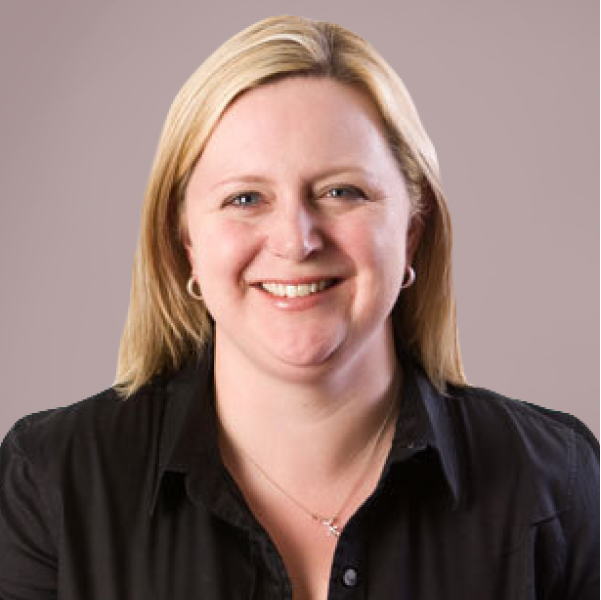
Eva Sheie
This format is just coming along and kind of filling in a gap that's there. And the biggest gap that I've been feeling for quite some time now is the difference for the patient audience between ephemeral content and permanent content. So what I started noticing was, you guys are spending a lot of time making Instagram stories or Instagram posts — it's been Instagram for a long time and now it's TikTok — and this stuff is so fleeting for the audience. They see it one day, they might react to it, and the next day it's gone, and you spent so much time and effort on it.
And I am not saying that you shouldn't be doing that. It's still great content. What I'm saying is there has to be a balance between things that are permanent, that deliver exponential results back to you, and things that come and go and are in the moment.
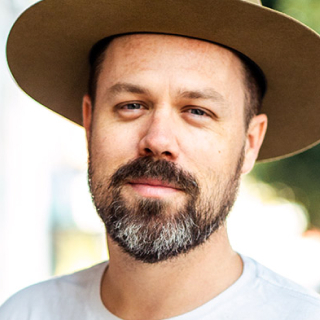
Max Baybak
All right, hello everyone, welcome back to the podcast. Today I'm very excited to be joined by someone who's a well-known name throughout the world of plastic surgery practice development and all things aesthetic marketing. She was previously the past director of practice development at RealSelf, where she built out RealSelf University, their customer education program, and created the RealSelf University podcast. Uh, prior to that she was the director of product and online strategy at Real Patient Ratings, and has been a longtime practice development consultant and veteran marketer in aesthetics. You probably already know who she is. Welcome to the show, Eva Sheie. Thanks so much for joining us, Eva.
Eva Sheie
Hey Max, thank you for having me. This is my favorite topic, is, uh, podcasting, so this is going to be good. We're going to podcast about podcasts.
Max Baybak
Yes, this is the meta podcast.
Eva Sheie
This is fully the meta podcast.
Max Baybak
So, so as I mentioned, you were — uh, people may know your work through, through RealSelf University, um, and, and the RealSelf University podcast that you developed there. But you've now recently — and this is why I thought it would be really exciting to have you on our show, because what we like to talk about here on the show is just to keep a lens on the world of aesthetic marketing and what's happening there, uh, what private practices can be doing to stay ahead of the curve and, and shifting with the trends in aesthetic marketing. And chatting with you a few weeks ago, you were telling me about what you were doing, and I thought this is perfect subject matter for our show, um, called Next Level Practices, about how you can take your aesthetic practice to the next level.
And I was really excited to hear about what you were doing. And so you've gone out on your own and you're — you've created — I guess you, you've been consulting for a long time, you're still doing that, and now you're doing podcast production for primarily plastic surgeons. Is that right?
Eva Sheie
That's right. So I sit sort of in the executive producer role. And I — what I discovered over the previous sort of year and a half at RealSelf, when I built the RealSelf University podcast and then Tom Seery's show called "Hey Seery," which he's still doing and is still — I think it's really interesting because he has such a great mind and he goes really deep with people on topics you would never expect. Um, so I'm already, um, saying go listen to somebody else's show, but it's a — it's a good show. And I developed—
Max Baybak
Well, you — you helped start it. It's got your fingerprints on it, right?
Eva Sheie
Mm-hmm. Yeah. And so what, what I found after maybe, I don't know, 10 or 15 shows, was that the podcast was really unique at creating content I could use in other places. So where — where you, when you're in a role where you have to create content all the time, you have to think up what are we going to talk about. So what I started doing was saying, what do I need to teach the audience, and who knows the answer to this? And then going out and interviewing them, and then using that content for lots of things — other social media and, um, presentations, relationship building. It had so many other uses besides, uh, "hey, listen to my podcast."
So it was a process that developed over time, and, and I really think ultimately the value is what you create from the podcast more than it is the podcast itself.
Max Baybak
I absolutely love that. That, that actually helps me answer questions that I'm asking myself all the time, because I've been — I've been in the last year or so, for, for our agency and a few other select projects, kind of been dabbling in podcasts. I've been fascinated with it forever. I know it's something that you really have to build that audience — but I've, I've kind of — and you have to stick at it for a long time, and you can look at your numbers and kind of go, is this worth it? But I've found, a little bit subconsciously — you put it into words better than I have — that there's so many offshoots of it that are valuable, and it is just valuable for content creation.
There's something to also just being on the spot rather than having to premeditate everything, and just kind of sitting down, like you said, with an expert on a topic and seeing what flows from it, and the amount of channels and places that you can distribute that content to. That's such a solid point. Um, so you're saying you started with RealSelf University with the goal of educating RealSelf's clientele, the doctors, and then that's what you gave birth to, the con— yeah, tell me exactly.
Eva Sheie
We, we were tasked with creating content to help practices from the beginning, and that started almost six years ago. And I was doing tons of webinars and experimenting with all these different formats and timing and channels and content, and, and we got pretty good at that. We got really good at webinars. We did a lot of webinars over the years. But creating the webinars was really hard, and it took — I always sort of gave feedback that these were too hard to put together. Like, there's too much work that goes into having a one-hour or 45-minute webinar that 200 people listen to.
And I know a lot of people would be thrilled with 200 people in their audience, but the lift that went into just that one-hour event just started to feel like it was — it could have been better. So Maureen, who was our chief customer officer at the time, she really championed this podcast idea, and she said, I really want you to do it. And at the beginning it was very like — my, my old coworker Scott would call it a skunkworks project, like I'm off here in the corner like doing this thing that we probably shouldn't tell anyone about. And, and it turned out — it turned out pretty well, especially when Tom Seery started doing his too. Then they, they were able to help each other.
Max Baybak
You got something started. You got the ball — I guess you inspired that in, in some senses with, with kicking off — yeah, the Real Patient, or the — I'm sorry, the, the RealSelf University podcast first. Yeah. And you were kind of early. I mean, podcasting had been around, but still, there's kind of a craze and a rush to it, and I'd say the last two years — and you were well ahead of all that.
Eva Sheie
Yeah. Um, the craze is a little bit funny because it's not really happening in our space yet. It's happening all around us. But I think what happens to doctors is they think, oh, I want a podcast, and they start doing it, and then they realize how hard it is, and they might keep going for a little while and then it kind of falls off, and they go, oh, you know, I'm not seeing anything from this. Because the — the stuff that you need behind the scenes to measure whether it's working, and the structure around it from a marketing perspective that you need to make the most of what you're creating, is not there either if you're trying to do this yourself.
So, I mean, if you are, by all means, it's great. There's some really good ones out there that are DIY, like, um, Johnny Franco comes to mind. He's been killing it. But he was already doing other stuff, and the podcast was an extension of what he was doing with social media. So for him it kind of grew organically in that direction. Instead of from podcast to social, he went from social to podcast. So his social audience then followed him over there.
And that's the trick to audience growth too, is you find your audience where they are. And almost everyone that we work with — you certainly, you, Max, and the clients I've had over the years — they have audiences already. And this format is just, um, coming along and, and kind of filling in a gap that's there. And the biggest gap that I've been feeling for quite some time now is the difference for the patient audience between ephemeral content and permanent content.
So what I started noticing was, you guys are spending a lot of time making Instagram stories or Instagram posts — it's been Instagram for a long time and now it's TikTok — and this stuff is so fleeting for the audience. They see it one day, they might react to it, and the next day it's gone, and you spent so much time and effort on it. And I am not saying that you shouldn't be doing that. It's still great content. What I'm saying is there has to be a balance between things that are permanent, that deliver exponential results back to you, and things that come and go and are in the moment.
So your website is a great example of something that delivers consistent inbound leads and consistent activity that's exponential over time. You do the work theoretically once — it never ends, let's be real, and that's true — but the podcast is sort of in that same category. You create an episode about something that can be listened to for years and years and years to come, and have the same effect on someone today that it does in five years, as long as the, the techniques or the stuff you're talking about hasn't changed. Now you have a piece of marketing that's an asset to you instead of something that's going to vanish.
Max Baybak
I think that's — everything you just said is so insightful. As a marketer, I'm, you know, obsessed with breaking down channels and looking at the, the different approaches and how you should weigh out your efforts and energy across them, and, and um, what kind of return you can expect from each, and really understanding those. And many people, uh — and you know, if they're not in marketing, I wouldn't expect them to, it takes a lot of time to study and keep up with these, I wouldn't expect them to think that way — but you know, we talk with a lot of people that are interested in marketing whatever business they do. In our case we focus on, on medical aesthetic practices, and they don't think that way. So it's really — they don't often think that way — so it's really great to hear what you're saying, and, and thinking about marketing in terms of efforts that you put across channels. It really is a science, marketing, and, and you have to think about — you just have to think in that way.
And I love that. Um, to your point on the ephemeral content, Twitter finally now has their own stories, but you know what they're called? They're called Fleets.
Eva Sheie
Oh, Fleet. Oh good, one more thing to do.
Max Baybak
Yeah, I've seen a few people on Twitter opting into it, but very, very little adoption.
Eva Sheie
I'm so grateful all the time that doctors don't use Twitter to market to patients. Not really. Um, and I — since the pandemic started, I've spent a lot more time on Twitter and understanding it better, and prior to that I just was not on it at all. And I still don't think it's the right space for doctor-patient communication, because it's just — it requires immediate attention all day long, and if you're not in the stream, then it just doesn't work.
Max Baybak
Yeah, I agree with you. Uh, again, it's the kind of channel that, uh, you have to — you have to weigh out if you can really get the return there. And so that's what I tend to tell people, to think about things in terms of a marketing ladder, where I've seen some people — this is my analogy, tell me if this works, I'm trying to perfect this — I see some people try to, if every rung on the ladder is some sort of a marketing channel that you can sort of work on, and, and you should theoretically be doing each of these things, but you need to build it sequentially. If you try to do all of them at once, you get nowhere. So it's like you kind of put the ladder sideways and try to do them all at once — well, you're not going to go up. But you just need — you need to pick each rung on the ladder and build.
So when we have people — I'm the same way, I'm very ambitious, so I'll say, you know, we should be doing this, and we need to be getting a strategy going on this channel, and we need to be doing that. But I've learned from myself that I would fall down by trying to do those, and I would back up and go, you have to build your foundation. So number one, if you don't have a solid website — and I don't just mean any website, really, I could make a whole — we could do a whole other podcast on what I think you, you have to have before you can say your website is really where it needs to be, all the content it needs to have, the user experience it needs to have — don't waste time on anything else until you have that. And like you said, it's an evergreen asset, or, or yeah, property that's going to be able to constantly drive in leads. And then up from there.
And I was speaking to — or I actually wasn't speaking, but I was listening to a prominent plastic surgeon, female plastic surgeon with a large audience on Instagram, who gave a talk recently saying that even despite having half a million followers on Instagram, it's something like four to one what she's getting off the website in Google versus her Instagram followers. So really evaluating that return on investment on each channel. And if you're to create content, um, most people underestimate how much work it's going to be. Like you said, they start and they kind of give up. If you're going to create it, create — invest where there's going to be sort of a perennial return, like you're talking about with these podcasts.
So I'm — that's why I'm so fascinated with what you're doing. And like you said, other people aren't really doing it. I'm also fascinated with seeing what's happening in spaces around ours that we haven't, we haven't really adopted yet, and going, oh, how do we co-opt that? So I love that that's what you're doing, and I want to hear more about kind of — yeah.
Eva Sheie
Yeah, let's go back to "everybody's not doing it." We actually went and found every plastic surgery related podcast in the world, and we made a spreadsheet.
Max Baybak
Whoa.
Eva Sheie
And we looked at where they were in the world, what, what the show was about, who was on it, all kinds of stuff — everything we could find, and, uh, whether it was active or inactive. And so when, when we got the whole list done, how many do you think were on it, Max?
Max Baybak
Oh man. I — I want to say under 100. I have seen a handful here and there, but yeah, I want to say under 100.
Eva Sheie
Uh, we found 31 podcasts. And then—
Max Baybak
Yes.
Eva Sheie
Yeah, and that's all of them. I'm sure we missed some, but we were using Apple Podcasts primarily, which is where most people listen. So yeah, you know, for, for our purposes, that was really the — the list was, like, 31. Then we went and, uh, eliminated anyone who hadn't recorded since 2019 — so more than a year — and we were down to 20.
Max Baybak
That kind of thing is common, what you see?
Eva Sheie
You see — very common. You can see the point of capitulation on podcasting, like, pretty crystal clear.
Max Baybak
Yeah, burnout is real.
Eva Sheie
It is real, yeah. Um, the cool thing is the content's still there and it's still delivering value. It's not like it's not still valuable. Um, if you didn't update your website for two years, what would Google do to it? It would probably make it go away. Yeah. So it still has an advantage, um, even when it's older.
But then we took out anybody who wasn't patient-facing or in the United States. And do you know how many there are left? There's 10 podcasts left in the whole world. And I didn't even get to audio quality, content, things like that. So what I was seeing was sort of this — I hate this cliche, but this blue ocean phenomenon, where nobody was using this channel correctly to talk to patients.
And because of what I've been doing for the last, like, 11 years now around patient reviews, I was really hyper-aware of the deficiencies with patient reviews, and I really wanted to fill that gap with a podcast. So when people read reviews, there's a number of problems they have. One is there's not enough reviews, and when there's not enough reviews they go, oh, that's nice, but you must not have that many patients. Um, when they have a lot of reviews, they're fresh — that's the ideal scenario. When they're — when they have a lot of reviews and then they stopped at some point, sort of like podcasts stopping, then they go, oh, something's wrong.
There's so many things in reviews that, that cause problems, and I have spent a lot of time fixing those problems too. But really, what I really wanted to do was both help doctors get to that place where people make decisions — and that's something that's super emotional for patients, where, where they do that — and it comes from the doctor making them feel comfortable. And so this is why they use reviews: they want to feel comfortable enough to pick up the phone, or comfortable enough to pay the deposit, comfortable enough to move forward, even comfortable enough to let them use your photos, or any number of things. They use reviews at every point of this journey and in every decision.
But there was still something always kind of missing from that. And so, you know, we were always kind of banging our heads against the wall like, how do we get people to convert? How do we get them to say, I'm ready to move forward? Because we know that the doctor making them feel comfortable is the reason they convert. How do we bring that forward? Lots of people have tried to do stuff like this. So there's been — I can think of one very well-funded tool, you know, in recent years — not that recent, but within the last five or seven years — that tried to replace the consult with software. And the moment I saw it, I kind of laughed out loud and said, there's no way anyone's going to do this, because you're trying to take away the moment that made the person feel comfortable, which is why they say yes.
So, just chasing this kind of for my whole career, like, to get to the thing so that consults are easier for doctors, so that patients feel more comfortable when they get to the consult, so that decisions are made before the moment that they're sitting in front of the doctor. Because if you stick yourself in that doctor's shoes, one of the things I've heard so many times — and as sort of an empathetic, kind of process-driven person, I want to solve the problem, which is, I have to repeat myself over and over and over and over all day long, I'm so tired of— and doctors end up saying the same things over and over every single day. And if you can take the load off them, they love you. And if you can help the patient feel more confident and more comfortable, they love the doctor, and everybody's happy and the whole world is perfect and we can all go home, right?
Max Baybak
Well, there's — yeah, you've really identified, um, a point of misalignment where there — but it's maybe not that far off to connect those two things. I've heard both sides of that equation, but I haven't really ever thought of what you're doing now with podcasting as a conduit or a connecting point for that. Um, you told me what you were doing, and then I heard an episode a few weeks later that you sent me, and — you didn't even tell me this, but I, I think I emailed you back — I felt like I was in a consult with the doctor. And if I put myself in the patient's shoes, I thought, Manny sounds really friendly, really approachable, I like this guy, if I was going to be considering a procedure.
It's one step closer. It's not that if I then went in to do it that I wouldn't have to go through the regular process, and that some of those things wouldn't have to be repeated. But I definitely could see — put myself in the patient's shoes, because I'm also the same type of, like you said, empathetic, process-driven person that's trying to think through, put yourself in different people's shoes and think through the journey. And I could go — and as a marketer, I think you have to be especially focused on patient acquisition. And so I put myself in the shoes of the patient, and I could see how much friction this could reduce, both for patient and for doctors. So I actually really get what you're saying, and it doesn't feel like pie in the sky to me now that I've seen what you did. Um, because I—
Eva Sheie
Because I — it got really good, to get a show live and out the door. Like, for several months there I was like, I don't do anything because I don't have anything live.
Max Baybak
I know that feeling.
Eva Sheie
It was good. It was like having my third child. No, not quite that hard. It was easier than having a child.
Max Baybak
Getting a show off the ground, or getting a new effort off the ground, getting a new company off the ground — it is like having a child. So I feel you. But here's the other thing that I think is so interesting about what you're doing. Like you said, there's only 10. I'm fascinated with that, because I do see those random here-and-there shows being done by plastic surgeons. I didn't really look at how consistently they're being done, but I do notice — you can look at the YouTube views if they're posting it, there's not a ton of traction. Um, you know, you can't always see what the views are on other various podcast platforms, but you can get a sense of how much traction there is.
And I don't think anyone's 100 percent figured it out yet, and I think that's probably the code that has to be cracked. Certain technological things I think are going to come along and make that content more discoverable — Google it, you know, there's things which we can talk about that we see coming on the horizon for Google — and I think that content will be, like you said, evergreen and useful. But I think that there's something to be said about sort of kind of cracking the code of how to make this useful.
Something that my, uh, director — a word that my director of media, who — we produce some podcasts, and he does all the videography and editing — that he used, that I actually hadn't heard before, was "a dense audience." And I liked that, because we were producing a podcast where, um, we weren't necessarily getting tons of views, but the feedback and the — and, and the outcomes from it, and like you said, the content, were well worth it. The payback was completely there. So there are times when — when you don't, you don't want to actually measure it by the same traditional metrics that you might measure other marketing efforts: reach, distribution, impressions, even views or, or listens. It all matters. What we really mean by "dense audience" is small but high value.
Eva Sheie
Yeah, it's heavy, right?
Max Baybak
And it, and it has — and, and it's the value of just a few listens can be really impactful. Is that something that you're thinking about in what you're doing?
Eva Sheie
It is. And when I talk about reporting, and when I start working with a doctor on building a show, um, I go out of my way to point out that the number one metric is people will come in and tell you they listen to it. And that podcasts are really sort of like — they're not new, they use super old technology, which means there are lots of advantages. You know, they use RSS feed technology, so they're super portable, they can be pulled into all kinds of different formats, and they're really lightweight, and you can do all kinds of stuff with the RSS feed. Um, but you can't get a lot of metrics.
And so — and if you're in every platform, you would have to get metrics from every platform and figure out how to roll those all up, and then you'd spend way more time trying to analyze your numbers than you would ever producing a show. So there just isn't anything really besides downloads and people telling you that they heard it. And I find that really refreshing, because it keeps us focused on the right stuff and not content for content's sake. You know, if my KPI is I have to get someone to say they listen to this and go in and tell the doctor they listen to it — that's pretty straightforward, right?
Max Baybak
Yeah. There's a lot of content for content's sake these days, a lot of noise. Signal versus noise happening. But, um, so, so on that — if I'm a doctor, surgeon today, there's a lot of people who have flocked into podcasting, like you said, maybe not so much in this space. So, you know, you are — I was going to ask you this question of, is it kind of too late to get in, or is it overcrowded? But you've already illustrated with that, uh, study you did, that kind of informal study, that it's not oversaturated. But what is the benefit? Why should I start one? Um, what can I get out of it?
Eva Sheie
Well, let's see, why should you. Well, I, I talked about the counterbalance to the ephemeral thing, and that's really one of the biggest ones — is long term you're building something that will continue to deliver value back to you. So it has the right ROI, is another way to put that. It gets you off the hamster wheel instead of putting you on another hamster wheel. So social media, anything where you have to come back and repeat a behavior over and over and over — that's the stuff I'm trying to get doctors away from, or balance to. Because otherwise you're just investing time and money in marketing that never has the right kind of return.
So one way that I've thought about it over the years — and I, if I'm sitting with a doctor, I like to draw this kind of on a piece of paper — is, in early in your career you spend this much on marketing, and what you want to see over time is that you spend less and less. And there might be points where you spend more or spend less based on what's happening environmentally around you, but I don't think it's anybody's goal to spend 10 percent of revenue on marketing for their whole career. So you want to taper that down over time.
That didn't come from me. This is something I've observed over the years, that early career doctors understand that they're going to have to spend on stuff. People understand they're going to have to build a new website every — what, how many years do you, uh?
Max Baybak
It changes so much, it's like — but I would say four or five, and you're — you're now, you're pushing it.
Eva Sheie
Yeah. And that — so that comes along, you have to keep up with that. Um, but no one wants to spend 15,000 a month on Google Ads forever. And also, if you've been paying for Google Ads, you know that it keeps going up and up and up and up and up, and they're gonna keep making it harder and harder, and try to convince you that you can't live without these things. And I am sort of putting my foot down and saying, yeah, we can live without these things, uh, if we're smarter than, um, Google — at least on that front. I don't know if we can catch them on everything. But I just — it's sort of like the stubborn part of me that says, I'm not going to let you get me. And I, I think a lot of doctors think like that too.
Max Baybak
For sure. Um, speaking of frameworks that I tend to use in, in marketing — I brought up that ladder kind of concept, and if you listen to content that I'm putting on, I, I kind of repeat a lot of these same things because they're frameworks, just the ways I like to approach it. And I like to look at marketing as investment. And you have short-term — uh, you, so you have certain capital that you need to get back quick, you can't tie it up for a long time, and you invest it into things that have a short-term return, but they also have a little bit of a hand-to-mouth: if you stop doing them, you're kind of — you're, you know, it stops. It is, in a different sense, it's its own hamster wheel.
And then you have long-term things you invest in that have really high upside. And so there's things like creating content that can exist out there on the web forever, like, um, SEO is one of them. Um, it takes a lot, it can take a long time, but if you're doing it right, that can really pay off. Granted, you still need to diversify away from it — another investing concept, diversification — because you don't want to have all your eggs in the SEO basket. But we tend to try to help people taper down on dependency — doesn't mean they can't do ads, but taper down dependency upon ads, and yeah, and have other sources. SEO is a primary one, but you can diversify it with other content that you're creating.
And speaking of seeing what other industries are doing and emulating that, what a lot of other industries are doing is they're creating content, they're creating brand loyalty and audience loyalty out of content that is actually of value, and they can retain a great rapport with that audience and draw on that. Um, very often content marketing — I, I stole this, but I love this — um, someone said you have to think of it like a bank account. Yeah, you have to make a deposit into your account before you can make a withdrawal. So what you're doing is you're depositing value into that audience, and then you can make withdrawals in the future and say, great, now they'll think of you when they're ready to do a procedure, whatever it is.
So — and public relations is another way. There are many ways you can diversify off of dependencies on short-term, uh, advertising and marketing strategies. So I completely see this as a, as a longer-term strategy where you're building up — you're building up content that, uh, you could get one patient in and it would pay back. Say you just do one episode. The episode — what I liked about the angle you did on the episode you sent me was that it was on a very kind of niche procedure. Um, so it definitely helped to frame that surgeon as someone that could help them with something that other surgeons may not always be comfortable doing.
And so I definitely see it as a discovery tool. I didn't really see that completely before, but I see it as a way that that doctor could actually be found by people looking for someone who does that. And if you got one person in, it would pay back, I don't know, probably 50 times — or, I don't know, you could do the math, right? Um, just the one patient. And then everything after that for years to come is gravy. So, so the ROI could definitely be there. And you might — it might, you might look at the listens or the views and go, it's not much. But that's not really — it doesn't matter, right?
Eva Sheie
It just doesn't matter. And then, so another angle, um, where this saves him a lot of money is, he's got a full-time in-house marketing person. But to hire a full-time in-house marketing person who knows procedures and who knows what's allowed, what's not allowed — because hiring a full-time marketing person for most surgeons is like a junior-level type of person, so you have to have resources for them to be able to do their jobs accurately. And what we found is that with him recording these episodes, now she's got it both from the transcript and writing, and she can refer to that, but she can just go say, um, she can pull — she's got more content than she will ever know what to do with for that topic now, instead of having to go ask him for it. So it also makes her job easier.
And then I'm starting to see — I'm starting to see that they're going to be able to use the podcasts when they send emails, the coordinators send emails to prospective patients. They can say, doctor just recorded an episode about the topic that you're interested in, if you want to check it out — and use it as a resource in that direction too. So there's so many places to plug it in.
Max Baybak
I love that concept, so many places to plug it in. I've — I, again, that's where I hadn't thought of using it in that way. And I — and I think after I listened to it, I thought, oh yeah, you could send this to them as the first touchpoint. They're considering coming in for a consult, you said, just listen to this right now. So again, uh, and there's a number of things in marketing that work this way. Like, your website might not be the first touchpoint. They might find you on social, but then they come there, and that website needs to represent you so that they — whatever confidence they got or interest was piqued from social, and they jump over there, and it's continued and it's consistent.
Eva Sheie
So it's amazing. Like, um, what are those dolls called where one fits inside the other?
Max Baybak
The Russian nesting dolls. Russian dolls.
Eva Sheie
Okay, so the podcast is the Rus— this is the tiniest doll. And then if the podcast is on YouTube, there's the second doll. And if the YouTube video is embedded in the website, there's the third doll. And then that link is sent out in the email, there's the fourth doll. So the whole thing goes all the way down to the one thing that you created, but it has solved all these problems all the way downstream. And I just sometimes can't believe I didn't think of it sooner.
Max Baybak
Well, I love it. It's, it's really cool when there's something that's already there — you're not really changing the basic format, but there's just a little, uh, a little bit of a different outlook on how to utilize it. That is the tweak, that is the aha moment. So it's all in the subtleties, and I think that's the case for digital today. We're not gonna have some new breakthrough that's like the internet. I mean, in years to come there's gonna be some interesting things coming, but for the most part it's now just getting down to the minutia of just tweaking how you do it that unlocks whole new worlds of opportunity, I think. So I think it's all about that, um, very detailed aspects of how you're considering this approach that I find fascinating.
Let me ask you something. You said it's something that you don't have to plug the doctor into a hamster wheel. It's really interesting how social media is almost entrapping, because, uh, as soon as you start, if you don't keep going, it's now bad. Now, now you've, um — now it looks bad to not be pretty consistent, people wonder what happened, etc. Same could be true a little bit for podcasting, like we talked about — you see the moment of capitulation. But if you keep any level of consistency, even if it's once a month you put out something, people see that you're still doing it. There's no necessity to say it has to be at any particular cadence, as long as there's — I just think some consistency.
So how do you do it so that they aren't all of a sudden in, you know, a huge demand for their time? And what workload do you take off their plate too, to help them? Because social media, they have — you can try to outsource it, there's only so much workload that they can actually outsource, and a lot of doctors learn that when they try to outsource, I've noticed.
Eva Sheie
That's right. That's, that's been happening for a long time. Um, I have handled everything down to the questions, and I've tried to simplify the process to the point where all they have to do is sit down and talk. And so some of that means there's more work to do at the beginning to get to the point where you can just sit down and talk, but I've hammered all of that out. I send all the equipment ahead of time, I test the equipment with a staff member so they don't have to do that, and just really get it to the point where they just walk into their office and they just sit down like you and I are right now and look at each other.
Um, the format of the show throws — I'm not going to say it throws a wrench into it, but it affects how much — you know, every time you add a layer, it gets more complicated. So the show we've been talking about, with the doctor that I, um, recently launched, is just him, and I'm actually asking him questions and then in editing I remove myself so it sounds like he's just talking. So that's worked really well because I can make sure we got everything we need, and he doesn't have to worry about editing or approval or any of that. So what I send back to him is maybe — usually the episodes have been 15 to 18 minutes long, and he listens in the car, and then he says, you're good to go.
Max Baybak
Now that makes a lot of sense. You know, for you to be able — because I know pre-production is kind of everything. Even if you're going to do it very casual like we're doing now, there — you just, there's a lot of prep work that goes into it so that the host or the doc can just kind of come sit down. And I listened to that episode, and I've — I've that you're mentioning, and I found that it worked pretty well. It almost reminded me of some of those sports — AM sports radio shows, where the host is just one guy or one person, and they often don't have a guest and they're just monologuing almost. And it works, it works really well. I mean, it's not a format that you think about with podcasting so much, but I know a few podcasts that do it, and that works really well.
And I could tell — well, because I know you and I know kind of what you're doing — that you teed that all up to make it really simple. The end product came out really refined, and it seems simple, but I know a lot of work goes into that. Okay, so you're there in Austin, and anyone who's listening who might be thinking about, uh, you know — or if anyone wants to work with you and do a podcast and they're not in Austin, how does that work, kind of? And do you have them purchase equipment, or how do you — walk us through that.
Eva Sheie
One of the funny, like, sort of oh-crap moments when COVID hit was, I had to figure out how to record all my podcasts without — you know, I had sort of the "I do this mostly in person" system, so I'd record it at ASPS and AAFPRS. And I had started recording some episodes online, but I had to figure out, how am I going to do this now? I'm just sort of like everybody had to figure out how to do virtual consults. And at the same time, right around then, Zoom added multi-track recording to Zoom. So for the most part I just use Zoom, and, you know, you and I are using Zencastr today — this is another system I like because it, um, doesn't rely on the internet to get the recording.
So most of the time I do that. But what I've been — what I figured out was to get a staff member who's helpful, to really help me get everything set before the doctor sits down, to minimize their time. And then we batch record, so I'll be ready to do three, four episodes all at once. And um, that's enabled us to move really fast and get a whole bunch of episodes in the bank. So like right now, with one of my shows, we don't have to record again until June if we don't want to come back to it.
Max Baybak
So that's awesome, that block recording has made all the difference. Yeah, we've done something similar on some of them.
Eva Sheie
So the gear itself, just in case anybody's wondering, it's not that expensive. And you know, so it's like a hundred dollar microphone and a fifty dollar pair of headphones, um, plugged into your computer, and a mic stand, is all you need. And my secret weapon is my audio engineer, who has been able to just make everyone sound like — even in tough conditions without microphones, he makes them sound great. And I'm not going to tell you his name, so don't ask.
[Laughter]
Max Baybak
You're right, you can start around 200 bucks if you have a USB mic and you're not going to go through an audio interface. And I always tell people, you know, you can start around 2, 300 bucks depending on which kind of mount or arm and thing you get. And then you can maybe, at the very high end, if you wanted to have like a four-person podcast studio and everything and all the best, you could spend 2500 and you'd be really well—
Eva Sheie
You could. But the other thing I discovered, which was a really happy thing, was there's a ton of these studios now where you just show up and the engineer's there for you, and if you have two, three, four, five people, you just sit down and let them do it — for much lower cost than it would ever be to do it yourself, to buy all the stuff and do it yourself. So Johnny Franco is actually building a studio here in Austin that he's promised I can borrow if I need it.
Max Baybak
Oh cool.
Eva Sheie
Um, you know, the scrappy way is just to have everyone in a different room. You don't need everybody to — have three people or four people on, you just have to make sure they're all not in the same place.
Max Baybak
Yeah, well exactly, they need to not be. The pandemic has really shown us that. Prior to the pandemic, I was really dabbling — whether I was entertaining whether or not Influx would get really into podcast production. And ultimately we've concluded, you know — I, we have a couple of things that are really a labor of love for me where I work on, you know, we produce, uh, The Technology of Beauty, Dr. Grant Stevens' show, and that's a great show.
Eva Sheie
Really? Yeah, I love it.
Max Baybak
And it's really me overseeing the production on that, and it's, uh, it's kind of my hobby horse. Um, and we've assisted on a few things here and there, and I have this show that I do because — because, like you said at the outset of this, I found that it's a great way to create content, it spawns so many other things. Um, but I thought — I looked at really rolling it out as a service, and I didn't solve the problem the way that you did. And this is prior to the pandemic, I was building a podcast studio in our office in Pasadena in the LA area, and I was getting that all going, and pandemic came, kind of changed — well, very much changed everything.
And, but by that time I'd already kind of decided we're going to just keep focusing on what we do, which is websites, lead generation, patient acquisition. Um, and I think it's great, I really believe in specialization, so I think it's great for people like yourself starting something that's really specialized and just partnering with the right specialists. So we aren't rolling that out as a service broadly, but, you know, we almost could now, whereas before I didn't even really see exactly how we could do it.
Um, and I can't believe how much in the last, just like, eight months, technology has — uh, not only is the technology getting cheaper, like you brought up the equipment, but the technologies like this platform we're using right now, we could — it gets a little technical, we can unpack that for someone later, why doing it through a platform like this is awesome — but it wasn't even here six months ago. I was looking for it. And, uh, COVID has — yeah, COVID has, uh, spurred all this innovation in podcasting that makes remote podcasting higher quality, easier, etc.
I mean, you can go on, you can do Instagram Live and those kind of things, and um, I think those things — but I still — those, although those things can be evergreen, I still think that they're very casual and they still are in that ephemeral category. Um, when you really do a podcast and you've got the equipment and you've got the — you kind of got the pre-production, it's a little bit of a different thing. And there's so many cool platforms emerging now to make that easier. I've been really impressed with how the world has adapted.
Eva Sheie
And maybe what we don't want to miss here is, you know, we have every channel in the world available to us, and doctors have so many choices. Uh, I can recall myself saying in a presentation at one point, pick the channel that you like the best. Do you like taking pictures? Use Instagram. Do you like — tweet, do you like writing? Use Twitter.
Max Baybak
I've been saying the same thing. I just gave a talk where I said the same thing, except for what I say now is, if you're — if you like dancing, use TikTok; if you like writing, use Medium, which is, you know, a longer format founded by this same creator.
Eva Sheie
Some of the same things, I think so.
Max Baybak
But you know, Medium was also founded by one of the co-founders of Twitter, oddly enough. So — and Twitter was supposed to be a blogging platform, but then it turned into this short format. I think Medium is now the long format of that. But what I also say — Clubhouse is a new one that's hit, and I say, if you're into kind of public speaking, try Clubhouse, although jury's out. If you have any kind of schedule that you live on, you can — Clubhouse is very hard to get on board with, because it all happens in the moment.
Eva Sheie
I had to turn the notifications off. I loved it for a few weeks and then it was just like, this person's going live, this person's, you know, starting a chat, this brand — I just went, I can't. And then the weird one is, I can see my kids' photographer going live almost every day. We had a photo shoot about three weeks ago and I went, why — where are my photos? And you're on here all the time doing Clubhouse when you should be editing my photos. And I thought, oh, this is not going to be good for people who have—
Max Baybak
Oh, in the service business.
Eva Sheie
Like if you're waiting on something from someone. And I thought, patients and listening to doctors — I don't know, there's lots of ways I could go wrong.
And what I want to point out about podcasting is why the format is so loved by me and why I think it's so great for doctors is, we've been telling you for how many years—
Max Baybak
All of the years.
Eva Sheie
All years! Video is so important, this is the year of video, you've got to do video, you've got to do videos. So none of us are really that good at doing stuff scrappy, or just turning on the camera and doing video. That's good for some people. That is not good for our customers. They are perfectionists. They want to look good on camera, they want to do it right, they want to be edited. So video ends up being so much work.
But podcasting — you know, we're using video now, but we don't care what we look like, obviously. It's not about watching a video, it's about listening to what we're talking about. And when you apply that to the doctor's sort of ability to get stuff created, it just is — it's so good for them. They don't feel self-conscious. Anything they say can be edited right out. Um, it's so forgiving. And it gets really at the heart of what the patient wants to hear from them when they're trying to make a decision, which is to know them. And so it strips away all that stuff that makes video difficult and just keeps the good part, which is what we were always trying to get to when we were, um, pushing video so hard. So, um—
Max Baybak
Again, again, really subtle but meaningful differences. That's really interesting insight, because yeah, how — like you said, all of the years, video has been the thing, like video, video, video. But uh, the barrier to entry, the pre-production, the perfectionism — I would have never put my finger on how important those subtle differences are between these two formats and how it unlocks it, the way that you did. But now that you said it, I couldn't agree with you more.
I know you're busy and I don't want to take up your whole day, but one question or one topic I want to talk about is near and dear to me, because, uh, SEO is not the only channel that we acquire patients through, or that we help our clients do, but it's definitely a core specialty of ours and it's an important one. Um, I want to talk about SEO and podcasting. I have a lot I could say about it, but you actually said it to me when we were chatting a few weeks ago and you were telling me what you were doing. You were saying there's kind of a whole SEO angle that you're looking at and that you're, um, feeding into with what you're doing. I'd love for you to tell us about that, and then I have some more questions on it.
Eva Sheie
Yeah. Well, once you're an SEO, you can never stop being an SEO, so of course everything I'm doing is coming from that foundation, right? So there's three big benefits, and I think what we should probably agree to do together is keep studying and measuring what's happening so that we really understand how podcasting is impacting SEO, traditional SEO metrics. But what I know so far is, the three big ones are the content, links, and reputation management, or rankings. So — and they're all related to each other, but you know, you can't separate them.
So the content, of course, is that every show has a transcript, and that natural language is then published with the show, and can also be published on your website or anywhere else that you want to put it. The transcript gets indexed by Google, and now you have fresh content going every two weeks — kind of like, does anyone remember me nagging them about writing blog posts every two weeks for the last 15 years? I gave up at some point. But it's that idea, but now it's getting done in a more automated way.
And then the second one is links, because now you've pushed a show out to all these different platforms — Apple, Google, Amazon, Spotify — and then there's a whole layer of other podcast tools and players that also pull all that content in automatically, whether you want them to or not. And now you have all those links back to your website out there in these really high-trust, authoritative channels. And they're high trust because — how do you spam a podcast? How do you create a spam podcast? That doesn't exist.
Max Baybak
Great, excellent one. I think in all SEO, looking at content where there's a higher barrier to entry that spammers are not going to really be able to easily just climb over that wall — that's often a very good, uh, yardstick or way to find, uh, new SEO tactics, or defensible SEO tactics. So I didn't even think—
Eva Sheie
That's a great point. There's probably a bunch of them out there trying to figure out how to do it right now, and I'm sure someone will get there eventually, but it's going to be a while before that happens. And maybe never, maybe we'll just stay— I hope you can't hear my calendar thing going off, I thought—
Max Baybak
No, no, I don't hear anything. No, I don't think — I don't think it ever will occur. And that's one thing about podcasts, is anytime people try to automate it, the authenticity goes away and it just doesn't work. Yeah, uh, you know, one of the things that — like, I think there's statistics, and at least anecdotally I know, that when the host reads any kind of sponsor messages it's really effective, anytime they do it, as a pre-recorded thing in podcasts. Um, for those podcasts that are monetizing in that way. I think, you know, the goal of everything you're doing is not for — it's really not that. They're going to monetize or draw value out of it in a different way. But authenticity really wins in podcasting, so I don't see that happening.
Eva Sheie
Um, the third — the third really big problem that I've been focused on is this reputation management situation. And in one case I've been trying to push something off page one that needs to be less visible, and so we're really watching closely to see how long it takes for podcast content to impact that situation. Because everyone knows when you have something on page one that you don't want people to read, that it has an immediate and a pretty noticeable impact on inbound leads. So there's also, uh, an aspect of the, um, creating more speech to drown out bad speech happening with this content too.
Max Baybak
It's a good point.
Eva Sheie
Crossing my fingers every day that that will happen quickly.
Max Baybak
Yeah, well, like you said, we should commit to, you know, staying in touch in terms of measuring. And I'm really interested to hear what you see, and to help draw insights out of what you're doing. Two aspects of the SEO thing that are interesting to me. One, the show that you sent me that was specific on a specific topic — it was plus-sized tummy tucks, which is, you know, it's niche, it's specific, it's not a vague keyword, it's almost long tail, you would say. And um, just like any content, you have to reverse — just like any kind of SEO, you sort of reverse engineer what's the search demand, how do I create the content for that. So you could podcast and just sort of talk about a bunch of things, but if you're deliberate about it, I'm really interested to see what we can do with your content in terms of driving discovery of people who don't know that doctor — they're not being sent it after they've already booked a consult and the front desk is saying, hey, listen to this before you come in, which is a great utilization of it. But also I'm really interested to see if, you know, the topic of the show is right there in the title, it's plus-sized tummy tucks — let's see what we can drive in terms of people, um, who are just searching that discovery keyword, I'll call it.
And you see Google, through the RSS feed, is pulling in podcasts now into search results. Yeah. Uh, so the other thing I'm interested to see if they start doing, which ties into this discovery thing I'm talking about, is they said some time ago that audio would be indexable and searchable. And um, you see it already — you brought it up to me earlier, um, YouTube videos are automatically subtitled, uh, the AI is pretty darn good. It's not crazy to think that they're already going to be doing that, or very soon be doing that, with podcasts. There are a couple other platforms that exist out there — I'm drawing a blank on the name right now — that make clips within podcasts discoverable. And you see a similar thing on YouTube, where there are certain clips, and sometimes these are done automatically, sometimes the creator has to bookmark those different spots. But that's the world I see coming, which is really interesting to me with podcasting.
And if someone like yourself is just getting it — you go back to that example of blogging, I've talked about this with doctors too, you just give up. And it's no— it's, you know, I get it, they're busy, it's not their fault. But if you can set it up and they can sit down — so many of them, any subject matter expert, you set them in front of a mic and they can just go, and you just sort of frame the conversation and tee it up. So to be able to convert that into content that is discoverable and might drive new eyes and ears — I'm just extremely obsessed with seeing, I'm fascinated with seeing where this goes.
Eva Sheie
Yeah, yeah. I thought, um, I thought I was being a little bit crazy, but you're making me feel like I am on the right track. Because one of the things that — I'll just be super transparent and vulnerable here — is when I noticed there were really only 10, I thought, well, why are there only 10? Is that because it doesn't work? And I just sort of had to throw myself out there. And I kind of looked back at my career and said, well, no one had a website either when I started, and I didn't have any problem convincing people that they needed a website. No one was on a directory — I mean, I built one of the first directories that there ever was, in 2003.
Um, all this stuff came along, and I watched it all come along. And if anyone in our space — I just kind of thought about everybody that we know. You know, you and I just met a few months ago, but I've worked with every web company in the space and I have great relationships and deep respect for everybody doing this work. Who is going to add podcasts to the mix without having to put a huge investment into it? And so it's my hope that whatever work I'm doing is supportive to everyone else and not competitive. And I'm not worried about anybody else coming along and doing it either, because there's so much work to be done, there's more than I could ever possibly do by myself.
Max Baybak
Don't you love that, when you know that — like, again it goes back to that spamming, there's no spamming it. So someone can come along, and you know, they're gonna have so much bandwidth, you're gonna have so much bandwidth. If two people, three people, 10 people are doing quality work, great. And everyone else who's not willing to do quality work, they're never going to be able to break into it. It's just not going to happen. And let's do it together and help each other.
Eva Sheie
So I want to give credit to — the plus-sized tummy tuck thing makes me remember that that's actually our friend Cage Moore who came up with that. And he saw it somewhere else that it was working, and he brought it to this account, and it's been very successful. So much so that he said, we have to figure out how to get less of these.
That's when you know you did it. This has happened, I think, twice in my life. This has happened — I had another account that said stop the lip injection leads, because I had written something that made people really want to go there. This is actually one of my great case studies from history: I realized that people weren't searching for Juvederm, they were searching for lip injections. So I stuck a lip injections page on a client's website, and like two weeks later she said, make it stop.
Max Baybak
Well, did we find something. I love those stories, when you tap into it. And shout out to Cage — he's actually an old and very dear friend. And that's awesome, he deserves credit for that. Because, you know, there's nothing cooler than, as a marketer, when you just tap into — when you connect the demand and the supply, and in the right way. And in internet marketing it's all about finding the way, it's the semantics of it, it's the context that people are thinking about. And there are also these little niche lower-hanging-fruit things that are not bloodied, that other people are not, uh, you know, saturating. And when you find that, and not a lot of other people have figured out that that's a term or an exact phrase the way the consumer thinks about it, it just unlocks something that's super cool. So that's awesome.
Eva Sheie
It's been great. We've — and he's helped a ton of patients with it. So for him it's been a really great experience to have gone through that. And it doesn't happen very often, but um, when you have people like your team and lots of other folks that I know who are really watching the data, that's when those things happen. And that's why it's important to work with people who have experience in our space, and not just anyone who can claim to do SEO or build a website.
Max Baybak
Yeah, I think industry knowledge — at this point in marketing, it was okay, you could apply these new technologies of digital marketing a little bit horizontally early on across industries, and now today it goes back to what I was saying earlier about, uh, you know, it's just more detailed, more nuanced now. So I think you have to be interested, focused. I think industry knowledge is the only differentiator you can really have.
Um, I feel like I'm running out of time with you, but there was something you told me that's sort of an offshoot of this podcast thing you're doing, which is your own show, The Before and After Stories. I really want you to tell us about that, because I think it's so cool.
Eva Sheie
Sure. Um, I figured out kind of when I got started that if I didn't do something to be creative myself, that I was — what would the point of being on my own be, if I wasn't doing something amazing? Um, and I knew really quickly that that was going to be a patient-facing show. And there's someone I've been working with my whole career who I call the patient whisperer, and um, between the two of us, you know, we just — I had this weirdly — it was like a domain name that I bought a million years ago and didn't know what I was going to use it for, and then this is what I decided to do with it. And so it's called Before and After Stories.
And um, I did an experiment on a friend who was having a septoplasty, to see if it would be interesting. And it's so good, it's turning out so well. It's interesting, it's funny, it's a little bit sad, you get right inside what they're going through. And so in his case I got him a week before surgery, a day after surgery, um, and then I got his doctor on the third episode. And then now that it's been about three months, I'll go back and talk to him, um, now that he's pretty much fully recovered with a nose — you know, it takes a long time. But um, that's gonna launch, I'm just waiting on art at this point, so it'll launch really soon, in the next couple of weeks.
Um, and the name of my company is actually The Axis — Axis, which is an Easter egg of a name, because uh, I had a friend who nicknamed me the Axis of Eva like 20 years ago. So it's a little bit of a "why did you name it that" kind of name, but I just wanted to get that out there and say that's why. And it's because I'm connecting all the stuff I've ever done and all the people I've ever worked with into this one little thing. And I'm really enjoying it, and I'm having a great time doing it, because I can see it having a very positive impact, um, already right out of the gate. And I'm able to have that time with my little kids, and uh, the space and the freedom to do the things that I want to do. And it's been awesome. And I got to meet you guys, which wouldn't have happened probably.
Max Baybak
Yeah.
Eva Sheie
Um, maybe eventually, but not—
Max Baybak
No, not this way. I'm so glad we did. And it's awesome, congratulations on starting your new endeavor. It's a big undertaking, and um, and it sounds like it's going great, and I'm very happy for you. And I totally see that — even more so after this conversation, it's just connecting so many things. So the Axis of Eva, I love that.
So speaking of that, um, you're still also doing consulting somewhat as well, right? Yeah. And so if someone has an interest in either practice consulting or this podcast, so where do they find you? What should they — where should they go?
Eva Sheie
Well, um, in true, uh, marketing company form, you know, my own stuff is not built yet. Uh, I have, um, a designer that I worked with at RealSelf who's just from another planet, he's just incredible. Um, he's been working on my company identity, and that's almost done. So everything's moving along, and I just inherently focus on my clients more than myself, so their stuff's all getting done and mine gets done when it gets done. Which is a long way around to say, just right now it's best to find me on LinkedIn and send me a message there. If you happen to go to theaxis.io, which is my eventual domain name, it points to my LinkedIn profile, and eventually will point to the website that I will eventually build.
Max Baybak
Yeah, okay. I did, I went there and I saw that. And so they can just — yeah, I did, I saw a couple weeks ago. All right, so look you up on LinkedIn.
Eva Sheie
Yeah.
Max Baybak
And definitely I want to keep in touch, and maybe even have you — ask if you want to come back on the show sometime and talk about kind of how this is developing. I'm super intrigued to hear what you measure, what you discover, what you learn about your thesis here of podcasting. But I'm right on board with you. Um, I think you're even a little early. Like you said, you wonder if you're feeling crazy — I think if you're early, you feel a little crazy, and it's weird to feel early to something that feels so late. But I'm noticing — right, I'm noticing that these days even the internet is early, and we think it's — you know, I think we'll look back in a long time and realize we were in the early ball game.
Eva Sheie
Honestly, it's actually a really good point, because when we started the RealSelf University podcast I thought, oh, we're just going to look like a bunch of copycats. And but there's nobody doing a lot of — I mean, there's not a lot of podcasting in our space, and there's no reason that there shouldn't be. There should be tons, and I think people are going to come to expect it at some point. So um, not usually an early adopter, but in this case we're going to have to call it something else, because it's old — it's as old as old can be, but it's somehow new.
Max Baybak
Yeah, just sort of adopting it in a new use case with a different objective and a different spin.
Eva Sheie
Yeah, we'll come up with a word for it.
Max Baybak
I love doing that. Okay, but uh — but either way, this has been a fascinating conversation. I know you have things you have to get off to, so thank you so much for giving me a big chunk of your time. And I enjoyed this conversation. Let's do it again.
Eva Sheie
Okay, thanks.
Max Baybak
Awesome, thank you. Thank you everyone, we'll see you next—
Subscribe to Next Level Practices
Next Level Practices is the show where we discuss the ever-changing world of digital marketing and patient acquisition and bring you the latest ideas, strategies, and tactics to help you take your practice to the next level.