

Is OpenAI About to Launch a Search Engine?
w/ Adam Daniells of Influx Marketing
45 minute view/listen


May, 2024
Available everywhere you podcast



In this episode of Next Level Practices, our CEO and Chief Growth Officer sit down live at The Aesthetic Meeting 2024 to cover some of the key news stories happening in the world of marketing technology.
Prime among these storylines is the rumor that OpenAI is about to launch a search product that would put them in direct competition with Google. Find out what we know about this story to date, and dive in with us as we cover other important news regarding the TikTok ban, an important subtlety in Meta's recent AI announcement, and more.
Full Transcript
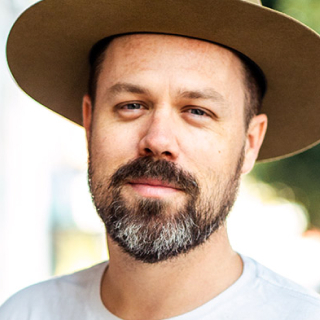
Max Baybak
All right, all right, we're back at it, and this time we're here in beautiful Vancouver, Canada, where we're bringing you Next Level Practices podcast episodes live from the floor of The Aesthetic Meeting 2024. This is the annual meeting of the Aesthetic Society, for the American Society for Aesthetic Plastic Surgery. It's a meeting we never miss. Over these next few days I'm going to be interviewing our clients and friends from around the industry to bring you up-to-the-minute insights on what's working and what's not when it comes to patient acquisition and practice growth.
Here at Influx we're very serious about keeping up with technological trends and studying how these changes impact the way that our clients grow their businesses. But I, for one, am a big believer that truly setting yourself apart comes down to the nuances. So let's take some time over these next few days to interview people on the ground floor of aesthetic medicine and see what we can learn from them to help you take your practice to the next level.
Okay, we're back, and uh, I have a very special guest for this sort of, uh, impromptu episode of Next Level Practices. Sitting down here with me is none other than Mr. Adam Daniells, who is my business partner, co-founder, and the CEO of Influx Marketing. If you ever listened to any of the way-back OG episodes of Next Level Practices, which we started right before the pandemic, uh, Adam and I actually did a few episodes, and since then he's mostly been hiding. But he's coming out of hiding to share with you on the podcast today. What is up, Adam Daniells?
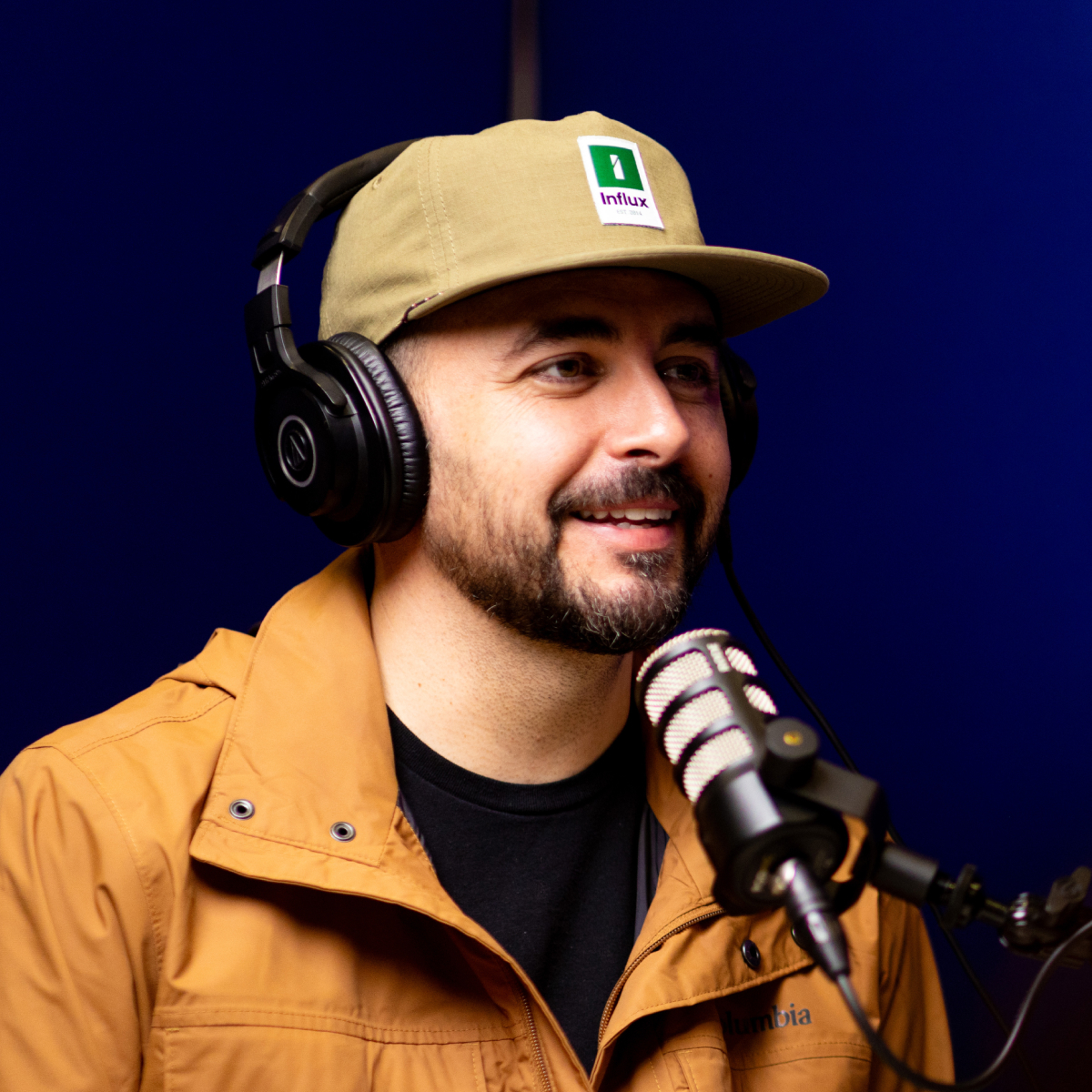
Adam Daniells
Hi, y'all. It's good to be back.
Max Baybak
Yeah, I'm excited that we decided to do this. We came here — we are here to interview our friends, uh, from around the industry, our clients, um, and kind of find out what people are seeing on the ground floor within their practices. But something that Adam and I used to do, and we've been talking about getting back to a lot, is just sitting down in front of the mics together to do a little catch-up on what's happening in the world of digital marketing. So we decided — there's a lot happening right now — we decided, why don't we just take some time while we're here at, uh, The Aesthetic Meeting, uh, the annual meeting of the Aesthetic Society, and let's talk about some of that digital news that's going on.
And if you like this kind of content, stick around, stay tuned, go to our site and subscribe, because we have some, um, some big stuff coming that's going to be, uh — to people who like this kind of thing, who want to keep up, who have a small business — small business entrepreneurs, definitely medical practices, uh, who are, you know, elective healthcare practices that are dependent upon marketing in order to bring in that next patient — uh, we have some content that I think you'll find very interesting coming up. And so this is just a little bit of a teaser. So you can go to influxmarketing.com, subscribe, and you can sign up and you'll get notified when we put out more content like this and other content.
But let's dive right into it. So Adam — Adam is, I think, uh, really excellent at staying tapped in — as you know, you really are — as it relates to everything kind of going on in digital marketing, since as long as I've known you, which has been, uh, 15 or so years, and we've been working together for 12 or so years. Adam is — you know, it's also an obsession for me to stay up on what's happening in digital marketing, but I think we each have our own strengths. There's certain things I pay attention to, there's certain things that you pay attention to, and then our other two co-founders, Zach and Bowie — we kind of have a text thread where we're just always dropping, you know, links to "oh my gosh, did you see this" and "did you see this," and there's good curation happening there. So I was like, Adam, let's have you — let's talk about this stuff. I think people will find it interesting; I certainly do.
And marketing is only getting more competitive. So if you're, um, marketing-minded, being ahead of these things and just kind of at least being thinking with it and seeing the changes as they're coming — whether it be AI changes with search marketing — a lot is changing with Google these days. Uh, I mean, the race is on with all of these platforms, because they enjoyed a nice fat decade-plus of kind of dominance in each of their specific lanes — you know, kind of talking about the FAANG-y stocks, if you will — um, the Meta Facebook, the Google, the Apple. Now there's a new, uh — there's a new player entering the chat, if you will, in OpenAI, ChatGPT, and other platforms. But those are kind of the dominant ones. We're going to talk about them all.
But there is one thing that you specifically texted me while we were here, that, uh, you found some rumblings about something that OpenAI, the company behind ChatGPT, is doing that may actually be a really interesting, very significant bit of news for anyone who relies on Google for their marketing, and could be completely disruptive to Google. Will you tell us a little bit about it?
Adam Daniells
Yeah, so from everything I can tell — and I normally go — I admit to being a, uh, a humanized technology consumer amoeba that stays up on all that kind of stuff — um, but yeah, so there was rumblings starting two days ago that, uh, OpenAI, creator of ChatGPT — famously, uh, in the last year and a half, that has grown tremendously and become quite a news topic, um, and a lot of people use — I use it all the time now, um, their ChatGPT-4 — anyway, there was rumors as of two days ago that they are on the cusp of releasing, allegedly on May 9th, which is only a few days from when we're recording this, uh, search — a search product. Um, meaning it would be something that in theory would directly compete with something like what Google has, where they have a search result page. Or if you're not just doing a knowledge search necessarily, where you're trying to get, uh, data that's a generated answer based on knowledge, like what you would get from Chat—
Max Baybak
A glorified Wikipedia — cuz that's kind of what Chat—
Adam Daniells
Well, it does more than that, but when it comes to search — when you're not asking it to generate something new, when you're asking it to reference historic or knowable information that exists somewhere—
Max Baybak
Yep.
Adam Daniells
—it is, what, basically a glorified Wikipedia.
Max Baybak
And as it relates to Google and Google's search — the value that Google provides — we talk about this a lot; we have been a lot recently. Google provides value in a couple ways. "I need to know something" — we would call that a knowledge-based search, and they've done a lot over the last many, many years to sort of consolidate and condense a little bite-sized nugget, which we call — it's kind of part of their Knowledge Graph, um, right at the top of the page — tells you the source, and it kind of tries to get right to the question you're asking. And that's the knowledge side. But then there's a whole other side of Google, which obviously in our business is very relevant to us and we think about a lot, which is the service side — service discovery, right? And then of course, if you're in e-commerce or anything like that, there's product discovery. Um, and there's a lot of other platforms I think already disrupting Google for many years now as it relates to product discovery — uh, Amazon being the number one that I'm referencing there.
But, uh, no one has really disrupted them on general service discovery. There are more and more specialized platforms coming out saying hey — whether that be, um, for home services, there's a whole ton of them—
Adam Daniells
Yep.
Max Baybak
—and what — the Angie's List, it's now rebranded to Angi — is like, you go there for your home goods, uh, your home services. Thumbtack is a similar one, so on and so on, so on and so forth. But general service — "I don't know where to start, let me just go to Google" — cuz people — yes, there are RealSelfs, and yes, there are other, uh, platforms for discovering doctors and surgeons, but I think that the general consumer doesn't always know — the average consumer doesn't know where to start, so they go to Google. And that's what becomes so relevant about Google for aesthetic medicine and elective healthcare.
Adam Daniells
Yep.
Max Baybak
And I don't know if what is about to happen with ChatGPT coming up — they're teasing or alluding to some search-based product — could that change that?
Adam Daniells
Yeah, I mean, I will say that there is, uh, there's a search product that has come out that's AI-based. It's a company called Perplexity AI, which has been around for a year or so — within the last year — and they've made an effort to try to create a search based within those three buckets that we talked about: product discovery, service discovery, knowledge discovery. Those are basically the three things that Google is providing as the predominant search provider in the United States, if not the world, for those three things. So Perplexity has tried to create a product that allows you to do some service discovery using AI. Their experience is, I would say, currently the best that's out there, although there's certainly some shortcomings of it in the AI space.
So this rumbling of them having — specifically, what was said is search.openai.com has been provisioned recently. So this is just internet kind of sleuths [who] have found this and are posting it on X — uh, by X I'm referring to Twitter; I still have a hard time calling it X.
Max Baybak
Yep. Uh, so that's where you came across this — people posting saying, hey, there's whisperings, there's something coming. And where is the May 9th — May 9th — where does that date come from?
Adam Daniells
That also comes from several posts. So I followed down a bunch of the people who were posting about this particular date and saying that there's something coming to search.openai.com as a specific search product from OpenAI. And some of those people seem to me like it would be on good authority, because if you click through and you look at who they are — provided they're not fake accounts — they look like they're people who work at OpenAI. So it seems like certain people are kind of teasing it out a little bit. Maybe they're, like, authorized to tease [it] out without giving much specificity. There's no specificity of what — all you know is there's a domain, which is search.openai.com, May 9th, and that's it.
Max Baybak
And, you know, May 9th — yep. Have you found any PR, any — anyone covering it press-wise, any articles on this?
Adam Daniells
No — other than people—
Max Baybak
Other than people?
Adam Daniells
Well, there's people who are kind of, um, citizen journalists, I guess you could say, on the blogger level, who are speculating on what this will mean. And, uh, so either this is all fake and someone is doing an elaborate, uh, scheme here with all the peppering this across the internet — seeding it, if you will — or you heard it first here on Next Level Practices. Or you heard it second, um, because we got it from the Twitter. Uh, but that could be really, really interesting to see what they do.
Max Baybak
So the other player in the search-based AI space is Google itself, with what they've been calling SGE.
Adam Daniells
Yep.
Max Baybak
I find it a little bit of a clunky name. I mean, one of the things that OpenAI did well is they managed to just really kind of totally penetrate the market and the average consumer mind with good marketing, and whatever they did, they did it right. Whereas Google is just kind of fumbling this. And what they have out now is what they call SGE, or generative search experiment, and I think it's still in beta, although I've seen it much more prominently rolled out as I search — I'm sure most people have now seen some — you get a little animation that shows, like, some text being generated, and then it gives you an answer.
But a couple questions that I've had are: how are they going to really seamlessly — they obviously need to continue to protect — support their advertising business as driven by search, and so they're peppering in some advertisements into that. I think the UI — I think they're making assumptions about what that UI is based on what their platform has been historically, and I think that those assumptions are not correct, because it just feels, again, like a glorified version of the Knowledge Graph and the kind of little nuggets that they would give you at the top of the page.
Adam Daniells
I agree — knowledge bits. You know, I think that, um — you know, I'm not the biggest Google critic, but I will say that I try to be objective on everything, and when I look at their implementation of it, there's clearly been certain user interface assumptions made. Like you said, I think a lot of it's based on the existing search engine results page that they've been using, with a modification. My blunt take is I think it's clunky, and yeah, it's kind of bolt-on instead of new—
Max Baybak
Uh, instead of a new paradigm. And I think that that's where, like, they're just really not well positioned to continue to innovate. It seems like they're the behemoth — or it has for so long seemed like they're the behemoth that could never be, you know, uh, dethroned. But now you're starting to see where being the juggernaut actually presents its challenges. ChatGPT — I said that they kind of broke through. Um, I think the real breakthrough was really the user interface of it — just AI, generative AI, as a chat interface. And I don't think people talk about that enough — that that was the difference. We've had — GPT was out — OpenAI's GPT product was out for a year and a half, or maybe more, before the viral explosion—
Adam Daniells
Before the viral explosion. But you had to be a developer, you had to have an API key, you had to kind of know how to access it. And as soon as they just said, look, here's this really familiar UI, this chat interface — just talk to it — we didn't think about that as the way to generate pictures, for example, necessarily, right? Or the way to — you know — I mean, [it] makes sense for just asking a question to AI. But anyway, the obvious isn't always obvious, and that's what I think they broke through on.
Max Baybak
So I think they've got momentum, and Google's trying to — despite all the money and all the resources theoretically in the world — seems to be falling behind. And that leads me to another kind of storyline that I wanted to talk about, which was just general Google search dominance. You were talking — again, in all your, uh, internet homework that you do, um, you were telling me about some — I don't know if you know the exact facts and figures, but I know them roughly off the top of my head — um, which is that, you know, for the longest time Google's been well over 90% of search, um, market share — search dominance — in the United States, with the secondary — with the last 10% being Yahoo, Bing. And maybe — I don't know — do you know if in those calculations they include things like — like, when you hear about product search, Amazon now gets credited for a lot of that, but that would be a huge amount—
Adam Daniells
I['m] talking about search engines in general — this is more search engines, search engine market — generalized, specific search engines.
Max Baybak
Yep. Yeah, cuz if you were looking at it in general — search as a product — yeah, no question, Amazon would be taken into [it]. It's just a different lens. But from just — still a search engine — but yeah, I got it, what you're saying.
Adam Daniells
Strict — that's why I said, uh, strictly speaking, search engines that — their primary purpose is a general search.
Max Baybak
Exactly. Yeah.
Adam Daniells
So Bing was the biggest — the number two — but only, you know, 9%, 12% — you know, [it] varied over time. And in the last year, uh, you know, Bing's search market share has grown a little bit — a couple per[cent], 3 or 4% more — but Google has eroded a decent amount. And the stuff that I was reading on didn't even clarify who the other — like, Bing's has only grown a bit; Google's has dropped by about 10% — I think in the '80s now — uh, and I can only assume that there's a whole series of other, uh, platforms out there — OpenAI, I think, getting a lot of search, ChatGPT specifically being a large amount of those knowledge searches moving over to that. I don't think OpenAI is considered a search engine yet, although the whole point — we'll see what happens. We'll do some more homework on this and we'll come back to you in terms of: what does 100% of search share look like? How does that break down? Is it just across the major search engines? There are DuckDuckGos of the world, which is a privacy-based search engine if you're not familiar with it, uh, and a number of other small players that could aggregate up that other 10% — and now more than 10% — which is going away from Google.
Max Baybak
Yep.
Adam Daniells
Um, but I don't know if ChatGPT in its current iteration, uh, represents any of that search traffic. But I do know, as you said, that many people are using it already like a search engine — just only for those knowledge-based searches. If I ask ChatGPT right now, um, it might have some answers, but it's really not built — like, "who's the best plastic surgeon to go to in my city," right? It will know some things about plastic surg[ery], but it's just not really built around that.
Max Baybak
I have a lot to say about how an AI-based search engine and interface will recommend services. I'll tease it with only this, and we'll come back to [it in] another episode, because I think we can dedicate an entire episode to this. I believe it will be very much review-based. If you look at it, it is fed by data, and in order for the data to be empirical and to be, you know, grounded in something — and theoretically, at least to some degree, an effort made to not have that data be biased — it's going to need to be based on reviews. That also means to me that those reviews — you're going to have to actually validate the fact that you've had service by that business in order to write a review, so that the data can be pure. And so I think your reviews are going to matter more than anything when it comes to AI-based search for service providers of any kind. I feel very strongly about [that].
Adam Daniells
I c[ouldn']t agree with that more. I think that is the direction things will go, and I think that the efforts put into review authenticity is going to be at — on a whole another level within the next few years.
Max Baybak
So, yeah, right. And then we aren't even thinking of all the ways that AI is going to make it so that — Google and other platforms have worked endlessly over the last two decades to prevent any kind of spam, to prevent any kind of gaming the system. I can't even wrap my brain around it yet, but I can just think that AI is going to make it much harder to game anything.
Adam Daniells
Oh yeah — right, yeah. I think that that is a very under-realized thing by people who have been, uh, using not the most forward methods in order to manipulate how they're doing on Google or other search efforts, like Yelp or other things like that. I think that we're moving into an era where, with the compute power that is coming, and the innovations that are coming with AI, the ability to check authenticity and run through and weed out those kind of things — it's going to be crazy. And it will be good — ultimately it will benefit the consumer, because we'll actually have, uh, true, or closer to true, metrics of how you can weigh something like that.
Max Baybak
I agree — it would be better for the internet in general. Um — sorry, excuse the, uh, the loud noise coming through. And if you don't hear a loud noise when you're listening to this — there's some, like, Fall Out Boy or something playing behind us at the conference — but if you don't hear it and this apology seems unnecessary, that's because we used AI to remove background sound, and it was successful. So, um, that's a little AI tidbit for you in real time.
Speaking of using ChatGPT for search — so, I use it for specific things. You're more of a power user. Like, you were showing me yesterday on your phone how — as you scan through your history, you had, like — you said, like, 50-some searches. Or — I don't know if we'll call [it] a search. We're calling it a search, interestingly.
Adam Daniells
Yeah, kind of by default. I don't — I wonder if other people use that in their natural language, or if they just prompt it, ask it — what are they, you know — cuz Google became a verb. Is it a search? It's not going to be called "let's ChatGPT it" — but I don't say that for sure. But I think that there's something — it kind of snuck up on me. That's kind of what I was explaining to you, is that I was reflecting, going, huh, weird — I guess that — like, how much do I really use it? You know, I know I have a subscription to ChatGPT-4. I use it sometimes. And then I scrolled back through to look at actually how much I've used it in the last, like, say, 6 months, and was surprised to see that I go to it far more now than I used to 6 months ago, and I go to it several times a week. So that's enough of an indicator for me to go: that's just how much I'm using Google less.
And it's a different interface, and — I'm not searching for something and then hunting and punching through different links and then finding data. It's just giving me — it's fulfilling what I need. If you think of a search as something that — you're looking for an answer and you get provided an answer — and what's a successful search? If I ask that question and I get a response and it's what I needed and it's satisfied — it's providing that better for me than knowledge searches on Google right now.
Max Baybak
Right. An example would be asking someone for something, and they come back with a platter of 10 options, and maybe they have, uh, a bunch of more platters behind that, all with 10 more options — each one being a search engine result page, or a SERP—
Adam Daniells
Yep.
Max Baybak
—with options. And then you have to curate, and you have to cull and distill from there and say, that's the closest answer to the one I wanted. What Google's long been trying to do is surface the top answer — the, you know, the best answer right at the top — match[ed] to your intent and your need. And the degree that they're able to do that — that's the degree that you'll continue to use Google, and they know that, and that's the whole game.
Adam Daniells
Yep.
Max Baybak
AI is doing that, I think, at a superior level — saying, oh, this is exactly what you need. And again, if they aren't doing that well, people will go away from it, um, because it really is only giving you one answer. It doesn't even give you — I mean, you can just ask again, but otherwise you're kind of — it's higher risk for them, because it's one shot, and then you might be like, ah, this is a bad experience. But AI seems to be able to do a pretty good job of it.
Adam Daniells
Yep.
Max Baybak
What percentage, though, do you feel like is a question you're asking it versus you're asking it to generate something? So, you know, I've used it a little bit — I find in short-form copywriting — which is my background, is copywriting, um, how I got into all of this in the first place many years ago — I find that it's not better for me. I just end up having to edit so much — there's an inhuman — there's kind of a — some — so I don't use it a lot. Although sometimes when I need an inspiration, ideas, I'll ask it to write a couple headlines, and then I'll sort of tweak them, or not use them at all — but maybe it opens up some ideas. So I'm using it more on the generative side than I am on the "hey, let me ask a question." I still go to Google to be like, who is the one actor in that one film — I'm watching this show and it's bugging me, you know. I go — we all have our ways of figuring those types of things out — you'll be like, "cast of blah," and then you'll kind of go to IMDb. So I still go to Google for all those little kind of curiosities of knowledge. What percentage is it for you?
Adam Daniells
It's probably — so that's actually the thing that I found myself being the most surprised about. Yes, I've used it for generative purposes — I've asked it for it to give me a 500 words on so-and-so, and I found that to be okay; I often end up making a lot of my own edits and so forth. I think I was mentioning to you, I've used it sometimes in writing certain things, as, uh, you know — to see how it is as almost like a thesaurus for me, to see if it can help me think of some other ways of describing something, or certain words. And I've actually found just going straight to a thesaurus on Google or something like that['s] better for me than something like that.
Max Baybak
I have used it for that purpose and sometimes had success, especially when I'm trying to name something and I just need a little bit more outside-of-the-box thinking than a thesaurus.
Adam Daniells
Sure — which is what it does. Yeah.
Max Baybak
Yeah.
Adam Daniells
I think that's probably where I've had success too — rather than just straight words, but, um, [I] mean, like, varying words of a similar meaning. Um, but for knowledge searches specifically — and sometimes, you know, I'm with my kids, or I want to teach my kids about something — hey, you know, explain to me how tides work — you know, how tides in the ocean work, down in Florida — and I want to explain to them [the] gravitational p[ull] of the Moon, all that. Yeah — and it gives a really robust answer on it. It really does — it does a great job of that. Yeah, so for those type of searches — which I end up using — it's probably 50% of my searches, weirdly enough. Cuz I'm always constantly trying to learn new things, and, you know, you obviously have to take in information, evaluate it for yourself as to accuracy — sometimes I'll go deeper and look further in other places — but generally I would say its answers are robust, helpful, and provide a real concept of what you're looking for, for those kind of things.
Max Baybak
For a long time it was only trained up until — I think it was September of '22 or something — that — November — September of '22. It only knew what was published on the internet up to that date, and that went on for many months afterward. So I just also ruled it out of my mind — it doesn't have that information. But now it's pretty much — it's up to date with the internet at any given point. Is that correct?
Adam Daniells
I actually don't know [where the] train[ing] is, correct. You know, I've tried to be, like — you know, use it as a quant — what stocks should I buy tomorrow to make a million dollars? It doesn't work for that, though. I mean, it's pretty — it will — but then that'll open up all kinds of new — who knows.
Max Baybak
Uh, I think it's interesting — I've heard some people use it for boilerplate contracts, which is interesting — just to get a starting point.
Adam Daniells
It is really good for starting points [on] a lot of things. And I think it's good for long-form content — if I'm writing a blog which I want to write that's based on knowledge that does exist.
Max Baybak
Yeah — or if I was a student and I was writing papers, it'd be pretty hard not to. Like you said — the gravitational p[ull] of the moon, or tides — I asked that — a question — just to test something, and I was like, you know, tell me about this, like, species of sea turtle, and it wrote essentially a very detailed paper that at least fooled me. Maybe it wouldn't fool a professor or something of biology, but I think, um, it's good for those things. When I want to put something that really just has my own point of view — from my own experiential, you know, point of view, in my life, in my career over many years — I don't even want to start with it, because it just already waters it down, and I can't then weave in my point of view without—
Adam Daniells
Yeah — I think in any use that a person will leverage it for in something like that — you know, cuz it is inherently derivative, what it's helping produce. So if you have an original piece that you're starting with, it can be something that can be a multiplier, or might help you [in] certain parts of it. But I think that there's a lot of value to original creation in it.
Max Baybak
Yeah, I think it's [a] very good point that it's inherently derivative. We'll come off this, cuz I want to ask you a couple other things. But one thing I was going to say — someone gave me an example — I'm forgetting who this was — this is a great example where it does — it helps to take it a lot further than Google and really find the answer you're looking for, instead of sort of giving you your — narrowing — that's really what it is. Google narrowed you in a little bit, but you still had a lot to weed through, and this is just going, yo, the needle and the haystacks are right here, right? And in the cases where it works, it works really well.
So somebody had — and I'm actually going to botch this, but I remember well enough — I think it was something to do with a social account getting — oh no, it was a review. It was a review on Google that they couldn't get removed — and it may have been on Yelp, but I believe it was on Google — and they were writing through support or whatever channels they could to try to get it removed, totally getting ignored. And I guess they had, like, one more appeal left, because you can only appeal it so many times or whatever. And I'm blanking on who told me this, but anyway — they asked ChatGPT, and it basically pulled up kind of all the legalities and, um, their terms, and showed where the review — it honed in on exactly where that review actually violated Google's own terms. And when they sent that in — exactly what was prepared by ChatGPT — the review just came down.
Adam Daniells
That's a great example of a use case for it. And to that point — [beyond] marketing, I've used it a lot for legal-related searches. I mean, it's essentially — we have to be real — it's been fed the whole internet, basically, correct? So it's got it all. So back in the day when — well, not in our lifetimes — but when the door-to-door salesman would knock on your door and sell you Encyclopedia Britannica — uh, then it was the internet; now it's AI and ChatGPT that will kind of put knowledge at your fingertips.
Max Baybak
Yep. All right — well, it'll be very interesting to see if something happens on May 9th. We'll try to get this episode out before that, so that people can — uh, some of these episodes are going to take a little bit longer to get out, from all the people we're interviewing here in [Van]couver at The Aesthetic Meeting — but it'll be interesting to watch that one, and we'll try to keep you posted on that story.
A couple other topics I'd written down here, Adam — I just want to talk about them real quick. The, um — the TikTok ban obviously has progressed now. I put up a very cocky post on our Instagram saying it's not going to be banned, and I still feel that, actually. Um, obviously I could be wrong, and I won't take the post down even if I'm wrong. Um, my main point in making that post is that I think some people were just sort of thinking that it's just an outright ban, and I'm like, it's not. I think people were oversimplifying it, and [it] was irritating me on the internet — on the interwebs, on social media. You saw a lot of creators creating sort of content just hook to hook people, saying, like, TikTok's going to be banned. It's not about TikTok being banned — it's just about who owns TikTok, right? It's about it being domestically owned and controlled instead of — I mean, at least on the surface, that's what the lawmakers who are putting this forward are saying it's about — it's a matter of national security, etc., right? So give — what's the update, though? Recently — I actually was busy prepping for this conference and didn't even notice that Biden signed it into law. You told me yesterday.
Adam Daniells
Yeah, I did, yeah. So, I mean, it got jammed through with other legislation and so forth — a lot of these super bills that happen[]. So in the last bill, uh — I think it was about 9 or 10 days ago — it got pushed through the Senate and signed by Biden into law. So, you know, I guess that triggers [a] 9-month timeline — it used to be, I think, six months, but in the new bill it's 9 months — that they have in order to either divest or be no longer allowed to operate, essentially, here in the country. There's broader wording in the bill — it's not only applicable just to TikTok, but it's related to platforms domestically that are controlled by foreign entities that could be considered hostile. That's, in a nutshell, what the issue is at hand.
And so, uh, you know, I don't know — TikTok has already responded — their CEO and their public relations team has already responded — that they're going to fight it, and I think that they will. There's no question that they will, uh, you know, use judicial means in order to try to sue to block the law, and they'll probably challenge it against the Constitution and so forth, because it could set certain precedents. Do I personally — this is my personal take, and I'll clearly label it as such — do I think that they will — in 9 months from now, we're going to see a determination of what happens on this? I personally think it's going to take a lot longer than that, because I think it's going to be tied up in some judicial stuff. There's already some precedent where the state of Montana attempted to do this, and that's already in different lawsuits and so forth, where it was sued to block that, and people are appealing it, and that kind of thing.
Max Baybak
So — that was the point I wanted to bring up. This is an article here I just pulled up from — well, this is back in November — there was a January article I found as well, but back in November of last year — this is on NPR.org — it says, "Federal judge blocks Montana's TikTok ban before it takes effect," right? And then the other one said Montana's appealing — this is Jan 2 — "Montana appealing ruling that blocks state from barring TikTok use." How's that for [a] headline? But, right — now Montana is saying, we want to ban it; federal judge saying, you can't ban it; and now Montana's appealing that and saying, we still want to ban it. So that's — and now we have a federal law that['s] essentially saying the same thing. This is all going to go to — the microcosm of what's going to happen — going to go to the Supreme Court. All this is going to go to the Supreme Court — that's where this will get decided upon, what's going to happen — and I don't think that's going to happen in the next 9 months. So I agree with you.
I think, uh, what's also interesting is this was kind of just packaged, as is as often occurs, into a larger bill. I don't even know what it was — you told me — what else was packaged in there?
Adam Daniells
I — you know, all of the nuances of the bill — there was — it's a spending bill related to defense spending and Ukraine and other things that there's been a lot of push on and priority on and so forth. So it got bunched in with that — which there was a lot of push to get that moved — and so that's how it ended up getting [through].
Max Baybak
It seems really smart — let's, uh, just lump it all together. We can't make — we can't take things on a case-by-case basis. If we want this thing, we got to approve that thing. Somehow that's where we're at.
Adam Daniells
Yeah, I know. That's how it goes.
Max Baybak
Okay, so — but it's been signed into law, and the law basically states they have 9 months to divest — and that's without any legal—
Adam Daniells
Yeah — it's like 275 days; it ends up being about 9 months.
Max Baybak
Okay. Yeah. What I think is interesting — and we should do an episode — this will be a — this is a little impromptu here, but we'll do an episode; we'll bring up the language, we'll read it, we'll unpack it to the best of our ability, maybe have someone with a legal insight come and discuss it with us. The, uh, thing that I find interesting is that it is not — the language [is] not specific to TikTok — and you alluded to this just a second ago — it's specific — it's more general, to any kind of platform.
Adam Daniells
Yeah, yeah. I mean, it could be a website, it could be an application, it could be a social media platform. Um, my personal take is I don't love how broadly the law is written. And I think that they — I get the intent, and I think that there are certain things that are positive about the intent. But I think if something like this — which inherently can remove, uh, a platform, in this case, which is easily arguably worth more than [a] hundred billion — not to say that that value matters — but there's, you know, the ire that it will create with the people that are power users of this platform, which is tens of millions of people in the United States — hundreds of millions of people — um, it's kind of interesting to see. And it sets a precedent — which is why, again, I say this is going to go to the Supreme Court. It sets a precedent—
Max Baybak
That's wild. And the potential precedent, from what I understand, is that you could simply say, like, oh, this, uh, country has this company that's maybe US-based, has foreign investment, and so we can enact these same statutes here.
Adam Daniells
The law is broad enough that, yeah, that could be given as a reason to shut down a platform that is US-based, US-domiciled, US-owned, but might have, let's say, a significant investment or significant ownership from [a] foreign entity that maybe currently isn't deemed hostile, but maybe becomes deemed to be — deemed hostile — and all of a sudden it's—
Max Baybak
Or just someone wants to—
Adam Daniells
Yeah — wants to shut it down, want[s] to silence it, shut it down — like, all these things. It can become a slippery slope really fast.
Max Baybak
So that's the concern. I feel like no one's talking about that, and I'm going to make a post — mark my words — where I start off by saying, "Why is no one talking about this?" — because that's the hook that I see a lot of creators using these days. So I'm going to make that, but I'm going to say, why is no one talking about that aspect? Because I think that's the broader story here. Of course, it's very sensational [to] just say TikTok's being banned, and, you know, whether you rely on it for your business, or you're a creator or an influencer, whatever, or you just love the platform — that is the most sort of relevant and near-term fear — uh, it's like, oh my gosh, it'll go away. But I think there's a much bigger story here, which [is] that if the language is so broad such that it could potentially have larger ramifications, I think we need to talk about that and unpack that and watch that.
Adam Daniells
I think we do too. I will say, on the other side of it — not to drag this on longer — but I get it, and I get the view that you also need to figure out a method to prevent, uh, foreign manipulation of a domestic audience. And how you do that — I just think there's other solutions. I'm obviously not a policy maker; I'm not the one looking at all the different ways to solve this kind of stuff. But I think that the last thing that you need, if that's the target you're trying to handle, is very broad language in a law.
Max Baybak
Yeah. I don't like that, but at the same time, I do agree with you. The post that I made about this [a] couple weeks ago that I threw up on our [Instagram] — and I'm working on putting out more content like that, where we just sort of share our ideas on what's happening in the world — I pointed out that US social platforms are all banned in China, so—
Adam Daniells
Right. That's true.
Max Baybak
I said, maybe they know something we don't. You know, maybe they understand how governments can potentially leverage these platforms. Uh, I don't want to get too fearmonger[-y] or too — uh, conspiracy — down the conspiracy theory, uh, sort of black hole, but I think you shouldn't be naive about it either. And I do think that it's okay to consider that we should have some measures, uh, in place that allow us to say how we want to have, um, platforms that are wholly owned by other governments—
Adam Daniells
Yep. Uh, yeah — something — how we want to regulate those. [It] arguably becomes a utility, and how — how much it communicates with mass populations. All I'm saying is, there's got to be a solution there, and I just think that — I don't know if this is it.
Max Baybak
Couple other fast things. One thing I will say on the TikTok thing is, I think if it were to actually go away, uh, it's going to be really interesting to see what happens to other platforms — uh, that I want to give some more thought to and come back here and talk about: where do we see those shifts?
Adam Daniells
I'm sure some are excited for that to happen — showing up.
Max Baybak
Oh yeah, no question. Where do they — where do we — which platforms will benefit the most, so that you can start to think about those now. And obviously I don't know if we'll be right, but we'll give that some real consideration, so that we can give some guidance on where we think that displacement, uh, shows up the most.
Adam Daniells
Sure.
Max Baybak
Couple other quick things. I, um — I didn't even really tell you about this yet, so I'll just mention it.
Adam Daniells
Yeah — we're going to have to just — there's so much here — we'll do another episode soon.
Max Baybak
But I'm going to mention one thing and tease another thing — tease another couple things. So Zuck, as we affectionately call him, uh, who's done an excellent personal rebrand recently — and it's a masterclass by his PR team, between all his martial arts and his beard — I'm just kidding, the beard is fake. If you've seen on social this picture of him — he's definitely moved out of being Zuck a little bit. He's working hard at it, but it's coming off pretty good. Um, but he put out this video, and a bunch of people used AI to put a fake beard on him — this gold chain — the chain was real, though, so he was rocking the chain in the video. And then people memed it with a beard, and then people who hadn't seen the original were like, oh my gosh — the beard — I thought this is real; you need to grow that beard. But that's all not the story that I'm here to talk about. In that video, he announces Meta AI — I guess powered by their AI, Llama — Llama 3—
Adam Daniells
Llama 3, yeah.
Max Baybak
And it was, you know, I think, a big step forward for them. They are — we'll unpack [it] in another episode — we['ll] maybe have our co-founder Bowie come on, who's our CTO — our chief technology officer — and talk about AI. They're doing a different approach — it's open — they're doing an open-source version, [an] open-source approach — and I think it's really cool, and I think that they are absolutely going to be a major player there. I think they've dialed back the whole metaverse — which is good. I still — you know, they're keeping the name Meta, but they dial[ed] back the commitment to [the] metaverse that they went a little early on. I think it was a good announcement, but there's two things in that announcement that I don't think — again, why is no one talking about this — but I don't think jumped out to people, that really jumped out to me. One: as he said, they're integrating Google and Bing searches into — and they've added the Meta AI search functionality into every search bar across all their platforms.
Adam Daniells
Yeah. Yep.
Max Baybak
And I did some playing around with it, asking it for local med spa, local plastic surgery — it's not perfect yet, but it's pulling in information from other search engines, and you're searching there. So, yeah — they entered a search component. They're smart enough to just plug into the existing kind of incumbents as it [per]tains to search, to make that experience a little better. But right now they're at least moving the cheese to — you are now doing the search on their platforms. And, um, I think that's very sneaky, because the next thing you know is they're going to power it underneath as well — they're going to build a layer under that [which] actually powers the search, and it's AI-augmented — going back to what we talked about earlier here.
Adam Daniells
Yep.
Max Baybak
So that's point number one. You want to say something on that?
Adam Daniells
I was just going to say — all of these — absolutely, on all those things. We've obviously talked about those, and those have all been moving — we've seen [them] moving forward. But all these things are just weather on the horizon for Google and their market share.
Max Baybak
Yeah, yeah, yeah — cloudy weather.
Adam Daniells
100% cloudy weather.
Max Baybak
And number two, that I think is extremely interesting — and it goes back to something, um — I did a podcast with our buddy John Wheeler earlier — early in '23, actually — and we were talking about how we think AI will affect marketing. And I said — what I expect, actually, is that we're going to see — this is me definitely claiming, like, I said this earlier, so I — I was right — I'm definitely doing that right now, just to be 100% transparent — and it hasn't happened yet, but I saw the next sign, and I know it's coming. So what I said was: you're going to have dynamic advertising. Ads have already been — the advertising world — digital advertising has already been using machine learning and AI for a long time for its targeting, right? But now the targeting will get even better, and we'll get hyper-personalized how it targets. But can it now hyper-personalize what you see — the creative — and not just the words; the images as well? So you can get an ad with an image, or a video eventually, and text below, that nobody else will ever see, and you will never see [again]. It is one-to-one.
So what's the biggest problem with that, though? Cuz we've already got things — um, if you're not familiar, there's Midjourney — that's my favorite, but there's a number of others — that you can create images with, uh, and you just enter in a few words and it creates incredible images. Some of them look very realistic, or some of them can look intentionally stylized, in different illustrated styles. Those can be made — but the time, right—
Adam Daniells
The time would be a problem.
Max Baybak
So — you mean the time to create the ad? You're scrolling on your phone — you're Adam Daniells — there's an open bit of ad space, and basically the platform that you're on — let's just say it's Instagram — is going to say, hey, we got this spot here to serve something, we got some inventory. Goes back to the ad servers, and it says, this — he's at them, he likes these things, he does this — what do you want to show him? And it has to make an image and make text and throw it up there, right?
Adam Daniells
Yeah — like, in 3/10ths of a second, [do]ing a thousand calculations to deliver that.
Max Baybak
So what Zuck said on this specifically is that not only can our AI — you can use it for search — it also is image generation. And he said — and I'm going to pull it up, and I'll make some content on this too — and it said specifically, "lightning-fast image creation"—
Adam Daniells
Scary.
Max Baybak
While you're typing in the words, the image is already showing up—
Adam Daniells
Crazy.
Max Baybak
And you can change it in real time as you're typing.
Adam Daniells
Crazy.
Max Baybak
Why do you think they built it that fast? Why do you think they put that stress on [it]? It's not accidental. You can't do that without intentionally focusing on how it was fast. It's not like this AI just happened to be better — that was an intentional move, because they're going to do 100% dynamic ad creation, where every ad you see will be tailored to that moment, to the person looking, to the mood they're in, so to speak — you know, or that they're likely to be in — at that time a day, or that day of week, in the location that they're in. And you may never see — and no one may ever see — that same ad again.
Adam Daniells
Yeah — it's a single — it's a single-use, single-generated, completely personalized, geo-specific, product-specific—
Max Baybak
Amazing[ly] specific. So — "I've engaged with these ads this many times, so I'm really close to [a] buying decision, so this is what you should see now, because you're that close, and this is emotionally what we know will push a person over the edge." It's going to get scary. I give it within the next — I mean, maybe it will be in the next couple years — in the next two to 5 years we'll have the compute power — cuz to do that at scale, the compute power to be able to do that — but we're not far from it. And the ability to generate images that fast, that are, like — even if you just look at the last two years, [it's] amazing how far it's proceeded — but in the next, like, another 12 months from now — anyway, that exact thing — it reminds me of the movie Minority Report, if you've seen that movie — of course, it's been a minute — where he's walking down the street — everywhere he goes, everywhere you go, they scan your retina, basically — cuz this isn't some — this is [an] augmented reality layer, dystopian future — but all the signs, all the billboards, everything that he sees is completely personalized to him. It's that exact circumstance — it's saying his name, it's talking to him personally.
Adam Daniells
Yeah. So that — in a version which is — as an advertiser or market[er], I always love that — I mean, it's a bit dystopian, or very dystopian — but the augmented reality layer of life, where everything is just kind of a gray slate, and then you can put signage and messaging and advertising on top of everything.
Max Baybak
Speaking of augmented reality — if you're coming to Vegas Cosmetic Surgery in the very beginning of June, we're going to be there, and we're giving away an Apple Vision Pro headset. So come by the booth, and you can, uh, try it out — we'll have one that you can try out — and then we'll be giving away a brand-new one, uh, if you want to mess around with, uh, augmented reality. So we thought that would be fun, just to kind of showcase some cool new tech. We'll be doing that at VCS in Vegas.
Adam Daniells
Um, I think it'll be — I think in the next 12 months we'll see the early signs of it, but I think you're right — it'll be about 2 years before — and I don't know what I'm talking about, but we're making our best guesses.
Max Baybak
Yeah, that's my best guess. So before we jump — I think that's really interesting. I also think that, um — speaking of AI — we'll talk about this in our next episode; I'm just putting some bullets here for us to come to next. There's a lot happening in AI video generation, which is getting scary good as well, and that's going to take these ads to the next level, by the way, because video often performs much, much better than images. When I said two to five years, I'm for sure thinking with video being a major component of that.
Adam Daniells
Absolutely. It's advanced so fast, just in the last few months.
Max Baybak
Um, we didn't talk about Apple search and Apple AI. Tim Cook finally said the word — the words. He got — he got pushed into [it] because their earnings weren't great, just a couple days ago — even though their stock popped after — but he got pushed into saying the words that Apple never wants to say. He mumbled it out with great shame.
Adam Daniells
I don't know — I think they just don't want to attach themselves to any kind of an expectation that's created around certain, uh, generic terms. So that with their headset, they don't — the Vision Pro — they don't call it augmented reality or virtual reality; they call it spatial computing. So they try to brand their own terminology. So they were like — I think he was forced into it, because that is the flavor of the moment — AI — and they are putting some investment into it.
Max Baybak
And then there's a whole other part — Apple search — which we're going to — we should probably do an episode on.
Adam Daniells
Yep.
Max Baybak
Uh, when we do more of this content, I'm going to call those unpack episodes, where we hit one specific, uh, storyline and really unpack it.
Adam Daniells
Great.
Max Baybak
Um, and then there's more happening with Twitter that we want to talk about — our X. I wrote, at the beginning [of] last year, a way-too — an article that was far too long — like 3,000 words — of my thoughts on how, with what Elon Musk was doing, how Twitter could actually become relevant for small businesses and entrepreneurs, for advertising, and for elective healthcare practices. We have more to say on that, so let's unpack it. This was a really good first kind of impromptu dry run. So — and I know you have to — you're about to head to the airport and get back out of here.
Adam Daniells
That's right.
Max Baybak
And I'm going to get, uh, my good buddy Dr. Gold sitting down here. But, uh, if you guys like this, head over to our website, influxmarketing.com, subscribe, and, uh, throw in your email — we'll send you more content like this. And like I said, we have kind of a surprise coming — it's along these lines, a little something different, shaking it up. Uh, so subscribe, and we'll keep you posted. We'll see you next time.
Subscribe to Next Level Practices
Next Level Practices is the show where we discuss the ever-changing world of digital marketing and patient acquisition and bring you the latest ideas, strategies, and tactics to help you take your practice to the next level.