

Live at The Aesthetic Meeting 2023
w/ Dr. Bradley Bengtson
minute view/listen


July, 2023
Available everywhere you podcast



In this episode, recorded live at ASAPS 2023, we caught up with Dr. Brad Bengtson, a board-certified plastic surgeon in Michigan dedicated to helping his patients achieve the surgical or non-surgical results they desire.
His reputation for excellence, state-of-the-art techniques, and compassion have created a large following of patients seeking to turn back the effects of aging. He has a true passion for making a difference in the lives of his patients. With his surgical expertise and over 20 years of plastic surgery experience, Dr. Bengtson travels the world educating other plastic surgeons on his innovative procedures and techniques.
Full Transcript
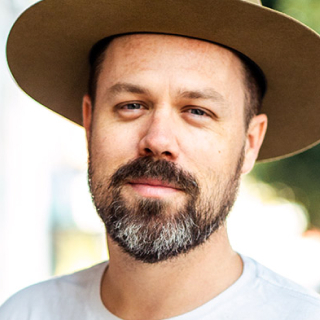
Max Baybak
Hello, hello out there. Max here, co-founder and Chief Growth Officer at Influx Marketing, and today we're at the Aesthetic Society meeting here at the Miami Beach Convention Center. This is the annual meeting of the American Society for Aesthetic Plastic Surgery. Every year I walk the aisles, and I end up spending most of my time chatting with industry peers and marketing-minded physicians, and I always walk away really feeling like I have my finger on the pulse of what's happening in our space. So this year I thought it'd be fun to take it a step further and have those same discussions that I always find myself having, but do it in a podcast format, so that I can bring them to you at home.
So if you're like me and you want to be dialed in on what's happening within the world of patient acquisition and digital marketing for aesthetic practices, follow along, and I hope to bring you some valuable insights through these conversations that you can use to take your practice to the next level. Can't take myself seriously. All right, let's roll with it.
All right, we're back, and I have the great pleasure of being joined by Dr. Bradley Bengtson of the Bengtson Center in Grand Rapids, Michigan, who also happens to be one of our awesome clients. Dr. Bengtson, thank you so much for joining us.
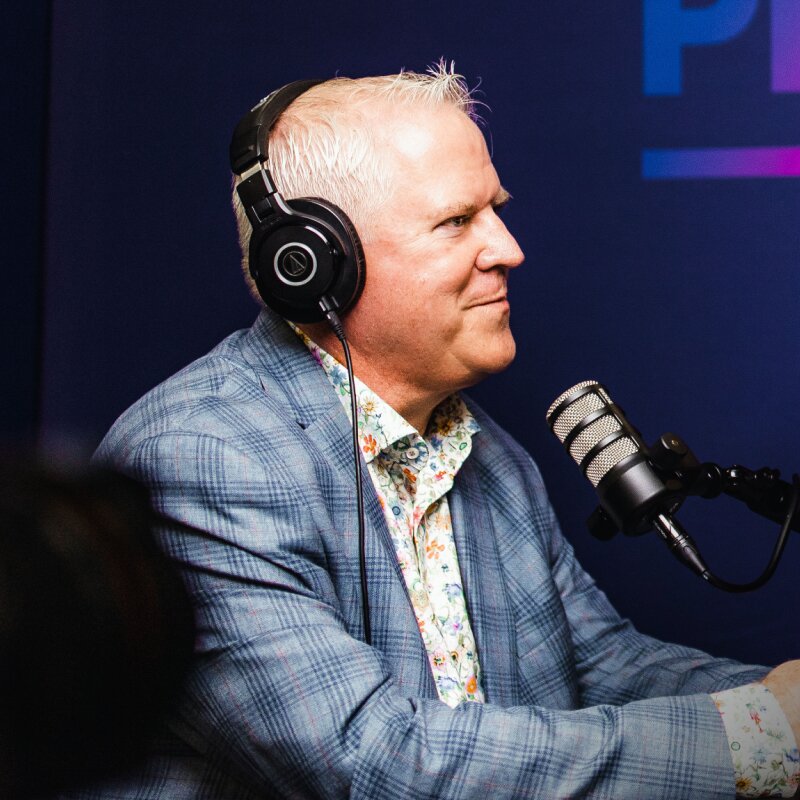
Dr. Bradley Bengtson
Thanks for having me.
Max Baybak
Yes, it's completely my pleasure, and I have so many things that I want to ask. I know exactly what I want to dive into. Okay — when a client sits down, and I go, oh, you know, we have different experiences on the marketing front, different, uh, projects we've worked on, and, um, different recent things that I know that we can unpack some insights for our audience on — and I know exactly where I'd love to pick your brain on.
Dr. Bradley Bengtson
Sure.
Max Baybak
But before I do, will you just tell our audience a little bit about yourself, your background, and kind of your practice focus?
Dr. Bradley Bengtson
Yeah, so I'm in Grand Rapids, Michigan, and, uh, after I graduated from my residency program, I did a fellowship at MD Anderson Cancer Center. So my first half of my practice and life was more reconstruction — cancer reconstruction — that I kind of folded into more of a 50/50 cosmetic-reconstructive. Then I got remarried and started a new life and really needed more time to focus on my kids and wife and all those things. And so, uh, just some internal things happened in our practice, and so I just wanted to kind of go in a different direction, and it was the most difficult thing that I did, but it was the best thing that I ever did. And it was right in 2008, which is like the worst time — my wife was like, are you serious? You know. But it has just been the best, um, the best choice, you know, for us, and just started me on this journey. It's just been absolutely amazing. Um, you know, God has really been in it, kind of driving, and we're doing all the work, but, you know, he's just kind of plowing all the field for us.
And, uh, so we started in a 16-by-20 room in the basement of a surgical center, and then we moved upstairs for about a year, and then built this incredible practice and women's health center. And then that was about 8,000 square feet, and then we just started growing exponentially. A REIT came in and bought our building, and the orthopedic surgery group — my friends, you know — came in, kicked me out of the ORs, and so I went to another surgical center. And, uh, then when the REIT came in, they jacked up our rent, the traffic, parking was a big issue. And so my buddy, who's a commercial real estate guy, took us out — and my wife and I — he's just like, dude, what are you doing? I mean, you're digging a hole and dumping money in the ground, you know. So he put me in touch with this amazing group called First Companies, and they have a building design management team, and we built this incredible practice building.
You know, so there's about 50,000 square feet, and then we own about 30,000 that we just took on, because we're growing more. You know, we just expanded to another 3,000 square feet. Um, after about two months, I told my wife Anna, I'm like, I think we need more space, and she's like, you're crazy, you know. So now we're expanding, we're putting more treatment rooms in. We have, uh, two amazing ORs — they're the nicest ORs in the world. I pinch myself every time I go in, you know — it just isn't really real, you know.
And, uh, so we expanded now to 72 staff. We have seven aesthetic experts to do injecting but also other advanced things, seven estheticians, seven kind of non-surgical — um, you know, like CoolSculpting, miraDry, some of the non-surgicals, lower-grade lasers — and a super active surgical center. We're doing about a thousand cases — major cases — a year. Um, it's just exploded into this amazing, uh, practice that, um, I just really had no idea or dreamed about it was possible. So I guess that's a little bit about — that's a little bit about a lot.
Max Baybak
Because that's, uh — first of all, an impressive meteoric rise. But your 72 staff and your two surgeons — is that incredible, yourself and one another? 72 staff, seven aesthetic experts, and you're doing — you have about 35,000 square feet of that building that you're occupying.
Dr. Bradley Bengtson
Yeah. So what's really interesting is, when I left my prior practice, I was kind of surgeon-averse, you know, and I was like, okay, I want to do a model that basically involves mid-level providers, and I want to develop all the non-surgical things that complement plastic surgery, without any other partners, because I was, like, partnered out. And so my goal was to grow about 10% or more a year, to get to the point where the non-surgicals actually cover our overhead. And remarkably, we're just about there — I mean, we're kind of dancing on that overhead line. So all the non-surgicals basically cover the entire overhead of the whole practice, including the surgical center. So it's fantastic, because it really takes the pressure off the surgeons to produce, right? So my prior practice, or large surgeon groups — competition for the same patient, and they're the producers. We're still the top producers, but it's more like 60/40, you know, versus like 95/5 or 90/10.
And I would really encourage plastic surgeons to really, you know, kind of develop a brand. You know, we have a very sophisticated brand — and fill up the brand, keep it very high-level, very educational-based. Um, they'll really embrace, you know, some of the non-surgicals that patients are actually asking for. I think the mistake — I was in Brad Calobrace's, uh, panel yesterday, it was amazing. Um, he's like the master, right? So it's unbelievable how knowledgeable he is about so many things, and, um, you know, he's really — one of his main points was: embrace technology that patients are asking for. Because there's so many really cool technologies that we might want to bring in for us — that, like, hey, we might project on a patient, this is really cool — but if there's no demand for it, then it's like, you know, why do it?
Max Baybak
Well, that ties right into marketing, because we see that all the time, where someone's purchasing a piece of equipment, but the manufacturer has not really done their part to get the story out. And then, you know, where that educational cost shows up is right in your cost per lead, right? Because, uh, it costs a lot more to get those leads, because there's an educational component that you have to get them through before they go, okay, I'm interested — but I first have to know what it is. And yeah, so that's — it's really a keen insight, to embrace the technologies that they're asking for, that are already driving them to your door, right? Uh, also, it seems maybe super logical now to embrace non-surgical and minimally invasive aesthetics so heavily, but you clearly did it ahead of the trend — yeah, and to the point where it's now covering, just about covering, your overhead. And we're not talking about a small overhead, where the team is 72. I mean, you must be — I can't really think of a peer for that size of practice and that scale.
Dr. Bradley Bengtson
I think Brad Calobrace's practice is probably the closest. Maybe Jan Turkle — probably not quite as many, um, things. But we're all good friends with Jan, and we've kind of mimicked her, uh, Ladies' Night Out sort of thing. It's a little bit different, you know — she has different vendors come in, and, um, they do consults, and it's more of a sit-down dinner sort of a thing. Um, we started, um, this — the Glow event...
Max Baybak
So this is the exact thing — okay, you're going right to where I want to go. Let's talk about this event, which, uh, we came in late in the game and helped you do some, uh, digital support on it — especially when you had to do it remotely during the pandemic.
Dr. Bradley Bengtson
Exactly right.
Max Baybak
But it started long before us. And so, yes, I'm sorry to cut you off, but tell me — tell us about it.
Dr. Bradley Bengtson
Yeah, first of all, kudos to you guys. I mean, we love Influx, we love you guys.
Max Baybak
Thank you.
Dr. Bradley Bengtson
It's, uh — it's been probably, from a marketing standpoint, the single most significant, uh, impact in our practice, so I really can't thank you enough. The quality of not only the product but the individuals that we work with are absolutely amazing. And we're doing a revamp of our website right now. Um, you know, I think our website's beautiful, but, you know, it's a little heavy, and I like, um — like Grant Stevens' sites and some other sites — a little more open, and a little more white space, and a little more interactive, and stuff like that. And then we're also launching a new hair site you guys are working on, of course — yeah, we're super excited about that.
But yeah, the Glow — it's just been a fascinating, uh, journey with that. We started about 10 years ago, and just in the lobby of our prior practice, and it was really, really based more educationally — so there's a huge educational focus to it. I think the definition of marketing, to me, is educating patients on what's possible, and then linking them up to the concerns that they have, and talking with them about the different options, surgical or non-surgical. To me, that's the essence of marketing. If you are marketing something just for marketing or making money, you're totally missing it. If you market it for education, then the patients really appreciate that, they gravitate toward it, and you're going to accomplish the same marketing money goals that you have. But it's really — the focus really needs — basically, the education and the technology education needs to drive the marketing. And so many people — I see colleagues kind of chasing things and dumping a lot of money in marketing, and I think if they just took half of that and made more of an educational focus, they would accomplish both goals. So that was really our goal.
Yeah, that was really our goal when we started. So, um, we started in our space — we had probably 100 people, you know, maybe, the first one. And then we, um, you know, really just started to grow as a practice, and our prior space had about 8,000 square feet, we had about 30 employees, and again, the non-surgical aspects of our practice were really growing. So we talked about the surgical things too, but we're really promoting the non-surgical things. And hopefully you guys will be able to make it, you know — this year it's the 21st night of September, so we're going to do the whole Earth, Wind & Fire theme, you know.
Max Baybak
Cool.
Dr. Bradley Bengtson
So I've been really excited about that. But really, it's grown, you know, just hundreds of patients per year. And, uh, like five years ago, pre-pandemic, it was maybe six, seven hundred people, and then COVID — we tried to do it virtually and sent out gift baskets to the people and that. And now, um, the last few years, it's been like a thousand, eleven hundred, twelve hundred. So, um, it's about six hours. So we revamped it a little bit — we have all of our specials and everything online, so you guys helped us launch that — you're kind of developing, uh, um, you know, an order sheet and educational pieces that kind of line up. So we have the best pricing for the year, and then, um, during the second week, we have a big event.
And last year we took a little bit of a different, uh, bet, and, uh, we had, like, food trucks kind of lining up. We have a big tent that extends out underneath this big, beautiful awning that we have, and, uh, we had, like, uh, margarita trucks and beer pretzel trucks and taco trucks, and, you know, just more casual things. Uh, we had a specific BCAPS martini and all these different, you know, really fun — so it's a really fun thing. And then inside, it's all educational. We're doing everything we can do discreetly, you know — so we're demoing CoolSculpting, CoolTone, uh, injectables, you know, all the toxins, all the non-surgical treatments. And, uh, it's really fun, because we get some of the physicians to come in, you know — like some of the anesthesiology guys — to come in and be, like, Botox, you know, candidates and stuff, and make fun of them. And I'm trying to get, you know, my partner to do CoolTone so I could see his abdomen, you know, and stuff like that. But it's really educationally based.
What we're finding is a lot of people now are ordering online and then just coming in for the party, and, you know, a lot of people come in for the party as well and order additional things. But at least half of the people are new to our practice. So what's really exciting is our patients are champions, you know — they're excited about our practice, all the new technologies, and the relationships that we create with the amazing staff that we have. And, uh, so they're bringing their friends in, and it's just something that's just, like, kind of, uh, expanding on its own. It's just really awesome.
Max Baybak
It's an incredible, innovative thing, unlike anything I've really ever seen. I've seen a few groups that do events — uh, some people have a patient appreciation day, and they'll bring patients in — but yeah, it's taken on a life of its own. Super fun. And I couldn't agree with you more that, uh, you know, if you think about marketing — it's kind of been a through line throughout these interviews that I've been doing here at the meeting — that if you just educate and inform, then that's the — that's really how marketing should be, and it's not about sales or being salesy. If you have information and match it to a need, and it happens and you care about what the person really needs, and you're trying to help them, then you're gonna get — they're just gonna naturally click, right?
Dr. Bradley Bengtson
I think the third thing to that, that I think a lot of plastic surgeons forget, is that the final chapter, episode, for that process or that relationship you just talked about is: I need to tell you why you should have it here. Because everybody comes in and they know they want a breast aug, or they think they want CoolSculpting, or whatever — they may be, you know, wrong, or not good candidates for it — but at the end of the day, when they come in and they're educated, you need to finalize the relationship and say, this is why you need it here: because of our experience, low complication rate, all the cutting-edge technologies. I always tell everybody — there's something out there that works and is safe and effective, we own it, you know. So our job is to try and pick through the things that people want, with technologies that really work, and then just have relationships and build relationships with our staff, that they can really show — okay, this is all the new things that we have for you, this is what I would recommend, and this is why you should get it today, or this is why you should have it here.
And just for instance, with breast augs, I tell patients: this is the state of the art of what a breast augmentation looks like — okay, it's pre-operative Vectra imaging, so I can take an image of you and simulate your breast outcome. I can show you that. I always tease patients, say, we'll print it out, you can go home and put it on your mantle, you know, when you go home, or your Christmas tree or whatever. And so pre-educating them, basing their implant naturally on their body proportions, and showing them what that looks like — they come back a year later, and if we're not doing a lift or a lot of things to the breast, it's exact — you match up the pre-op simulation with a 350cc implant with their one-year outcome, they overlap. So we can show them, you know, exactly the range that they can achieve. And then it's intraoperatively bloodless, meticulous surgery, uh, fast-track recovery — you know, getting them moving and active, um, doing some local anesthesia blocks and stuff, so it's relatively pain-free; they can recover in 24 hours. And then coming back — really advanced bra support with Shefit, and then a high-resolution ultrasound to follow up your implants for life.
The new technologies with breast implants — the SoftTouch and the highly cohesives that we use — I think in the last 30 years or longer now... I took my son, my 14-year-old, and we ran over some breast implants with my Ford F-150, you know. He thinks he's a movie producer now — I mean, he's, like, totally into it. He's like, do it again, you gotta back up over it, you know. So the technology is so far advanced. Yeah, I think we're creating outcomes and investments for 30 years or longer. So that's what the state of the art is, and it's the same with non-surgicals — we know there's longer and longer, you know, toxins coming out, better and better fillers. And so it's matching up the technologies, but it's also, like, okay, this is why you should get it today, yeah, or why you should get it here.
Max Baybak
Well, yeah, I think — I guess the component you're talking about is the differentiators, then, and the difference in educating them on that — yeah, of your commitment, educating them on your commitment to the state of the art, uh, to your training, to your, your expertise. Um, and I think what's really cool about this event is that informing and educating — sometimes you have to have people drop the — drop any kind of wall that they're putting up, right? In your case, there's a lot of trust that you've already built in your community and in your reputation, but — and doing this year after year, you only build that trust — but also making it fun. Yeah, that's what's a really cool idea. There's a lot of real great ways to get a person to be interested in learning, and not making it kind of arduous, or, I sit here and go through these kind of dull, right, teachings. It takes down the barriers.
Dr. Bradley Bengtson
Like, yeah — it's really — we forget, you know, as plastic surgeons in particular, yeah, that — if I see 50 people a day, see 12, 15 consults a day — you know, for me, it's like my 8,000th breast augmentation, right? For the patient — for them to get the courage and stuff to come in and be super vulnerable, right — I mean, right — and this is, like, my insecurities, what I'm concerned about, and I don't even talk to my husband about that, I don't let him see me, you know, all this stuff. Um, it takes a lot, you know. So whatever you can do to break down those barriers. And yeah, we used to do more formal seminars and educational things — we still do that occasionally, but they're not nearly as effective as, like, opening your doors: like, this is real, this is, like, who we are. And, um, you know, so they can really come in and experience our practice, you know, versus at first just walking by, like, oh, you know, should I go in?
Max Baybak
Yeah, almost an open house, in a sense. Yeah, and I guess there's probably some solidarity that they feel with others who are going through it, and they're kind of doing it together and learning, you know — that helps them to let their guard down.
Dr. Bradley Bengtson
Oh, absolutely. And patients will bring their friends. They're super excited about, you know, sharing our practice, and they're our biggest, you know, champions.
Max Baybak
So that's what I was going to ask, is: is there a percentage of new patients as well? So people do bring friends?
Dr. Bradley Bengtson
Yeah, it's crazy. I would say half the people that come are new to our practice.
Max Baybak
That's mind-blowing, Dr. Bengtson. And in terms of — think about it from a, from a marketing, uh, strategy — it's so genius. And not only are you making the revenue off of the specials that you're running in that window at the time, but I guarantee you — I would have to imagine — that has a remnant effect throughout the year.
Dr. Bradley Bengtson
Yeah, and I think that it's — it's interesting, the, the concept of growing the pie, I think, is super important for plastic surgeons. I think, you know, companies, corporations — there's a new product that comes in, they look at things like the pie is static — and maybe it might be in some, you know, situations — and so they look at it kind of carving up the pie, with the thing static. Usually, though, when new products come in, if they're transformational, um, the whole pie expands. I mean, we saw that with Juvéderm — you know, Restylane was out, and then Juvéderm comes in, the whole pie is just expanding. So I think there's room for everybody kind of in there, and I think competition is good, you know, from that standpoint. Yeah, um, but that whole thing about — it's not about carving up the pie that you have — the most important thing is expanding that pie and, uh, you know, getting more and more patients getting excited about it.
Max Baybak
Yeah, so I guess what you're saying is, if you're educating someone, they bring a friend — there's half the people there are new — they educate, they learn, and even if they don't take advantage of your services, there's another person out there who's maybe a little bit more considering aesthetics — growing that pie, right? But then I imagine you probably also get people who come to it, they learn, they don't purchase, but maybe six months later, they said, I came to your house — that's what I mean by this remnant effect, that there must be for years following some of these events.
Dr. Bradley Bengtson
Yeah, and we see that with surgery, too. You know, everybody talks about a conversion — like, what's your conversion ratio, right? Okay, to me, a conversion is a patient I see as a consult that eventually comes back and has surgery. I have so many patients — I've got 20 percent of the patients I operate on today, I saw, like, three or five years ago. You know, so, you know, now they're coming back — they've had kids, or they've thought about it, or, you know, unfortunately, they've had another negative experience at another practice. And so now about 30 percent of my practice is revisional from other plastic surgeons — uh, not that we don't revise our own patients occasionally as well. Um, so that's a really important thing as well.
But yeah, I mean, you know, to me, a patient is not lost. You know, I mean, you can get an immediate conversion — and one thing I really like to talk to you about is patient financing, so that really affects that immediate conversion thing — but to me, a patient is — they're not a patient until you operate on them. But if they had a great experience — and I would argue, if a patient comes into our practice, the experience that they get, you know, when they're there — cost is not a major barrier. I mean, I think it is, and I think the patient financing thing we can talk about — yeah, it's back in here — but, um, they're gonna remember that, and you just want to have them have the most amazing experience.
And so I think what makes our practice unique is that we are completely patient-centric. I mean, we are completely patient-focused, and a lot of hospitals, a lot of practices, they say that, but they don't really practice that, or they don't really bring that out. When you come to our practice, you're welcomed into our home. It's very informal. Um, you know, you're — you know, attended to, you know — it's just a great experience. Everybody is happy, they're totally focusing on the patient, and then each stage through it is complementing that, right? So our staff are people that love what they do, they're really good at what they do — so the technical outcomes are obviously really important, but surgeons come in all the time, and they're like, how in the world did you get such a great staff? And we just hire people that love people, and it just comes out, and patients feel that. Yeah, they definitely —
Max Baybak
Awesome. It's huge. What you're talking about there, too, is really the conversion window. And digital advertising — it's that conversion window; you have to assign a time, because we've got to do the math, we've got to tally it, absolutely, all right? And at the end of the year, you've got to tally up the financials — so, right, what did you spend to get that patient in? Oh, they didn't convert by this timeline. So there's reason to have to kind of put a window around it, right? But what you're — what I'm hearing, what you're saying, is it's taking the long-term view, right? We do that — I mean, we come to these conferences, right? I'm not tallying up how many websites — I don't care, right? Because I know that we will meet people, we will make relationships, and when they need something, then we'll be on their mind, right? And we want to be a presence here in the industry, we want to be a presence to — to supporting the whole industry, including the society — caring about the industry. And so you're taking a long-term view of the commitment to the patient, and understanding that, by not looking always at immediate return, you actually create sort of a flywheel that brings you a lot of return as it begins to gain momentum.
Dr. Bradley Bengtson
Yeah. I'd just encourage, you know, surgeons not to have too much of an immediate sort of thing. Um, in fact, what I tell our staff is: what you need to focus on is the patient, and with that patient that's in front of you, create the best relationship that you can, care for them the best you can, obtain the best results that you can, and forget about everything else. Because if you focus on money, or my time, or my, you know, expense per patient, and you get too caught up in the weeds, you're going to miss it. If you focus on that patient, you're going to get everything with that. So that's the real, you know, focus. So when the patient crosses the threshold, we want to have everybody on track, you know — just, how can we make this patient's experience as best as possible? So I love to focus on the patient.
Max Baybak
And I think it's sage advice just to mention that they shouldn't be too focused — that a surgeon maybe shouldn't be too focused on the immediate return. But it's also a little bit of a luxury, and I'm sure you, having gone into your own practice, know that better than anyone.
Dr. Bradley Bengtson
Sure.
Max Baybak
So what we try to advise is that there are tactics that can help you bring a long-term return, a short-term return. It's almost like an investment portfolio — put some of your capital towards these things that have an expected shorter time horizon, but make sure to also invest in the long term, and don't only invest in the short term, because it's a hamster wheel. It doesn't really allow you to stay patient-focused, right? And eventually you go, I only — I'm hand-to-mouth in my marketing, instead of building up these things that have their own momentum, right?
Dr. Bradley Bengtson
That's — so — but I think it's good, it's a really good point. And I think it's also important to stay consistent with your brand. I see — uh, I mean, I don't get on social media a lot, you know, but I see plastic surgeons kind of almost getting a little weird, a little fringy, and that might work in some cities, for some, you know, certain age groups or whatever they're trying to target. But when you have an older guy that's trying to do a TikTok dance or something — I mean, you know, just stay consistent to your brand. I mean, I think they're losing a little bit of the focus at the moment — the focus really needs to be on the patient, patient education, and those sorts of things, and I think those are the big payoffs over time.
Max Baybak
Totally agree. I've been hearing that with the doctors that I've sat with here — it's another through line that I think is a really important takeaway. Yeah, before we move on to patient financing — because you hit on the next thing I wanted to ask you about — um, you shared with me at some point that, you know, it's just a meaningful portion of your revenue that you actually produce from this event, right? Um, I guess I just want to give people a sense of the scale — as evident, yeah, you said 1,100, 1,200 people — but yeah, kind of, what does that actually look like, yeah, in return?
Dr. Bradley Bengtson
Yeah, so what's interesting about it is, our staff, and particularly my wife, who's really been the lead in this, you know — um, uh, I'll share a very interesting story for you about when I first got started, so hopefully we'll get back to that; maybe ask me that, okay. Um, but, um, really, it's, um — it's like preparing, like she says, preparing for, like, 10 weddings. I mean, this is something we start — right after we have our event, we download what we learned, and try to apply new things, and how are we going to mix it up and be fresh for the next time? And, um, so it's an unbelievable amount of energy and support and dynamic changes and stuff that happen. But it's such a significant thing, because patients will kind of — if they're thinking about having a procedure, you know, and then our event's coming up, they know that they're going to get the best pricing for procedures, uh, packages, all that stuff, so they'll kind of wait a little bit for that. And then they also bank a lot of product and stuff like that, because it's the least — um, you know, less expensive, you know, for that. So to give you an idea how successful it is: we expanded it again to more of a two-week ordering time, okay — then we have our event at the end of the week of the second week — and it's anywhere from 10 to 15 percent of our annual revenue.
Max Baybak
So patients will produce that in two weeks a year. Yeah, it's kind of like, you know, uh, maybe, you know, things that are seasonal, right? So, uh, Black Friday sales, or Black Friday or whatever. Yeah.
Dr. Bradley Bengtson
So, um, it's a very, very significant — an amazing amount of work goes into it, and to pull it off, you know, successfully — it's exhausting, you know, being there for six to eight hours and stuff. But, um, even the vendors and corporate sponsors, everything — whatever it's going to be — I mean, they've both really recognized it, because it allows them, uh, to engage with patients directly. And it's a very cool thing for a patient to engage with a vice president or a president of a company of the product that they're using. And so, uh, fortunately, I have a lot of relationships and am a key opinion leader for a lot of companies, and so we get the presidents of those companies in town for it — which is why you guys need to come in for it. Yeah, it's really cool, because they can ask the president of the company — of the product that they're thinking about — you know, what's different about this?
Max Baybak
That's such a cool patient experience. It would be, like — it would be like letting them walk around here, but except, for, you know, some of these booths might not even have the president.
Dr. Bradley Bengtson
It's like those guys in a movie — sort of like meeting the stars, you know, versus just watching the movie, right?
Max Baybak
So that's huge. Awesome — thank you so much for telling us about that event. That was the first thing that I really wanted to go into, and then patient financing. Um, I know you have a lot to say on that, and it's changing. And the biggest change that I've seen — and I'd be curious to get your input on this — is, um, I'm really stealing this actually from — so I produce The Technology of Beauty with Dr. Grant Stevens — yeah, it's our show Influx runs with Dr. Stevens — and we've had — we have tons of people on from industry, and we've had Todd, um, and Scott from PatientFi. Yeah, and they were just — they described it in a way that just really clicked for me, where they were saying, you know, before, it was sort of this last-ditch effort: okay, we've gone through everything else, your credit cards, right — oh, hey, we have this finance option, right? But in so many other industries, it's right up front, right? Um, you see — you see advertising for a car, uh, the car company, uh, whether it's leasing or purchasing — and many other industries where there's, um, buy-now-pay-later type, you know — your, your, um, Pelotons and so forth. Yeah, uh, and it's — the advertised price is baking in the financing, right? So it gives a person right away a concept of how they can actually attain that — it's obtainable, attainable, for them. And, um, and it's almost right at the point of lead gen, right — it becomes a lead-gen tool, right? I think that's already changing tremendously. Do you have thoughts about PatientFi?
Dr. Bradley Bengtson
Oh, lots of thoughts about that. Yeah, I mean, even with Amazon — you buy something for four hundred dollars, they're like, do you want four easy payments, or whatever. And I think that this is — it's throughout industry now, and it's just now that plastic surgery is kind of starting to figure it out. The cool thing about PatientFi versus all the other sort of financing programs — first of all, they have very high interest rates, it starts immediately, or it's like a layaway program, right? So you pay in towards it, and then you can have the procedure when you, when you, you know, have paid.
The cool thing about PatientFi, and why I think it's going to be the major hedge against inflation and the economy today — that we're so excited about it — as you said, we're kind of leading now with patient financing. You have to be extremely careful with that, because we have a very sophisticated brand, and things can go sideways if you start saying, $99 breast augmentation, right? So we want to be the opposite of that — we're kind of in the land of Miami, which is, like, the bevy of that, right? Yeah. Um, so we want to really kind of get away from that, and really — you're really experiencing luxury, but you can immediately experience it.
So how it works with PatientFi — so, like, our schedulers come in and they say, you know, this investment — because it is an investment, right — for a mommy makeover is twenty-four thousand dollars. So you can pay that if you can, or work out a payment plan, but if you qualify — we can find out just in a few seconds with you; it's not a hard credit check, so it doesn't affect that — and if you get approved for financing, there's an initial down payment, and then it's 249 dollars a month, or 199 dollars a month for a breast aug — 99 a month, right? So what they found — what we haven't studied yet, we will — uh, but what PatientFi has found is there's up to a 43 percent immediate booking rate over practices that don't offer financing like that. The cool thing about PatientFi is the doctor gets paid immediately. And so with all the other ones, you kind of build up equity and stuff and all that, or you keep your paper or whatever.
Max Baybak
Yeah, exactly — so they take the risk, if they accept it.
Dr. Bradley Bengtson
And, um, we get paid immediately, and so it really is a game changer. And where that changes from a practice standpoint: it locks the patient into your practice — particularly with PRIVI, that we'll talk about in a second — um, but it also eliminates a lot of the second shopping and stuff. Because, you know, say we're a thousand dollars more than a breast augmentation down the street — if you offer patient financing and it's 249 dollars a month, a patient's not even going to go anywhere.
Max Baybak
Or you've educated them on why you're —
Dr. Bradley Bengtson
Exactly, yes. They walk into our practice, and they're like, oh my gosh — it's a little bit of a double-edged sword, because they walk in and they're like, I'm not sure I'm gonna afford it. But when they experience it, then they're like, I don't want to go anywhere else, you know — so how can we work — and that's where the patient financing just seals the deal.
The most exciting thing, though, is PRIVI. And so we're just launching that next week, and it's a little bit different. It's a — it's the same company as PatientFi, but it's really — it's a product PatientFi is launching, right.
Max Baybak
I'm aware of it, and I'm really excited to see it roll out.
Dr. Bradley Bengtson
And so what's really cool about it is, it's like a VIP membership powered by PRIVI. And so what it allows the surgeon to do is to get the corporations out of the way and really engage with that patient directly. And so, you know, I love corporations and corporate sponsors and support, and all their rewards programs and everything, but they're trying to invade into that patient-doctor, you know, relationship. This locks — locks the patient in to you, so they can't take their Allē rewards down the street, you know, if they want to do that.
So, um, what it does — for six thousand dollars and less, mainly recurring sort of, um, you know, non-surgicals — they basically will say — our aesthetic experts will work out, like, uh, this is your annual treatment plan for your toxins and the fillers, and maybe forty-eight hundred dollars. So you can either pay that, you know, as you go, or, if you want, we can do a really quick — see if you qualify for patient financing by PRIVI — and it's 99 a month. And so, uh, it's just — it's really a membership, but it really locks the patient in. Um, and what I — I don't know, but what I think is going to happen, too — it's kind of like, um, for women, you know, it kind of allows things to kind of run under the radar a little bit. You know, it's like, a husband may say, honey, what's this PRIVI, uh, you know, whatever — you know, oh, I'm not really sure, let me check on that. Yeah.
Max Baybak
Well, just by — alone, by diffusing and spreading out the cost alone, then it's not showing up as one big —
Dr. Bradley Bengtson
That's right. So that alone is a huge — yeah — but spread it out, and it's just great. It's great for the patient — they're low interest rates, and, uh, PatientFi, PRIVI take care of everything — uh, and it's great for the physician.
Max Baybak
So it seems great for the whole ecosystem, in my opinion. Like you said, it's sort of a sophistication of the space, where we've seen it elsewhere, but we're seeing it here. And I think, just to be — to be clear, I think the distinction between PatientFi, which is offering financing and can help you break up a procedure, a surgery, into a monthly payment — that, kind of — the difference here with PRIVI is it's almost like their subscription model, right? So we've seen other subscription models in this industry, but I know from working with different surgeons that were using some of those systems that sometimes they're just carrying all the risk, right? And essentially the software is sort of a spreadsheet that says, here's who owes you what, right?
And then there's the banking model, right — um, where — and again, this is something I got from a conversation talking with the fellows, yeah — where they said, well, how much are you — the patient should be asking that practice, how much interest are you paying me for banking here as opposed to over here, when we are starting to get pretty good interest rates, uh, for a savings account or other products, other banking products. And really, the memberships — I've seen them always be a little clunky, because you're basically trying to get out of them on day one — yeah, your, your bottom line, right — because they're a risk: if they leave, you have to at least cover your cost. Whereas — you said this earlier with regards to their main financing product — they're taking the risk.
Dr. Bradley Bengtson
Exactly.
Max Baybak
So if they take the risk, my understanding on these subscriptions is the doctor gets paid on day one for the whole thing, right? But this person now, if they're going to be doing a certain regimen — let's say a toxin and filler throughout, and regular intervals throughout the year — they can break that up, right? But on treatment one, the surgeon is paid in full. Yeah, so now we have a true — we want to talk about Netflix for aesthetics — we've had a few products that have sort of threatened to be that, or promised, but they weren't really that. This is really that. Yeah.
Dr. Bradley Bengtson
That locks people in. And with PRIVI, they're lower dollar amounts, so I think they're going to allow more, you know, financing options. And with recurring things, if the patient defaults, then PatientFi gets all of them, and our practice gets to hold them — it's like, you know, you missed your payment last month, so you can't get your next treatment.
Max Baybak
Sure. All right, so —
Dr. Bradley Bengtson
Um, and even for patients that are super high net worth, it's so easy — I mean, the digital streamlined thing, yeah — just, like, you know, I don't want to deal with it, you know. So, uh, just the ease of use and function is a real important thing, too.
Max Baybak
That's going to be huge, and I agree with you that — that practices should be embracing these types of, uh, technologies and underwriting, financing, yeah, uh, tools — to weather whatever storms may be ahead.
Dr. Bradley Bengtson
That's right.
Max Baybak
Definitely should be thinking that way. Yeah, Dr. Bengtson, clearly we've only scratched the surface — with the practice of your scale — of your total marketing efforts, but I do want to be mindful of your time and places to be. But thank you so much for coming here and sharing with us and with our audience your hard-won insights.
Dr. Bradley Bengtson
Yeah, really appreciate the time. We'll have to do it again soon.
Max Baybak
And we will have to get out for one of those events — and I really mean that.
Dr. Bradley Bengtson
21st night in September, okay? Earth, Wind & Fire.
Max Baybak
That's right. Thank you so much, Dr. Bengtson, for your time, and I wish you safe travels home later today.
Dr. Bradley Bengtson
Thanks for your time. Take care. Appreciate it.
Max Baybak
Thank you.
Subscribe to Next Level Practices
Next Level Practices is the show where we discuss the ever-changing world of digital marketing and patient acquisition and bring you the latest ideas, strategies, and tactics to help you take your practice to the next level.