

The Future of
In-Practice Marketing
w/ Nick Magruder of FriendMedia & Special Guest Dr. Grant Stevens
73 minute view/listen


July, 2021
Available everywhere you podcast



In this episode, Max chats with FriendMedia CEO, Nick Magruder, about the importance of in-practice marketing and the work he and his team are doing to fix the outdated, untargeted, internal marketing systems used in aesthetic practices today.
Later in the episode, Max and Nick are joined by special guest Dr. Grant Stevens, who shares his experience using FriendMedia to upsell, cross-sell, and increase awareness of new service offerings in his busy practice.
Full Transcript
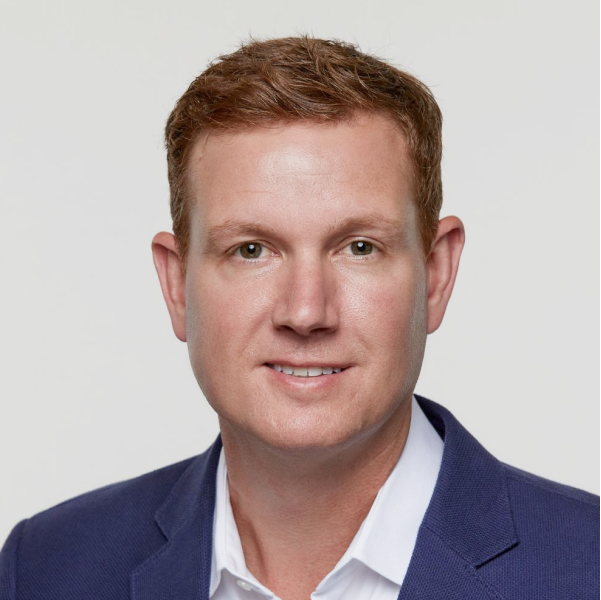
Nick Magruder
You think the general population, you know, kind of knows about aesthetics, you know, brands like Botox or injectables or CoolSculpting, but, you know, I can't tell you how many times, you know, I've been at a, you know, a happy hour or a barbecue and we kind of talk shop, and, you know, the concept of aesthetics comes up, and you talk about Botox, and then people are like, oh yeah, Botox, that's, you know, that's what you put in your lips. And it's just — they're just so — you know, that's the biggest, you know, brand that we think is just a household name, but there's still tons of education that needs to take place. So, you know, a lot of that is happening, you know, externally. We're just trying to focus on that best consumer that's already in the practice, and what a great time to reach them, you know, right before they're making decisions on, you know, what's next, you know, in their treatment plans.
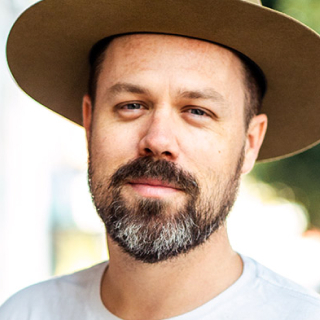
Max Baybak
All right, hello everyone, and welcome back to the podcast. Today my guest is Mr. Nick Magruder, who is the CEO of FriendMedia. I personally first met Nick about three years ago at one of the Aesthetic Society meetings. It was the one in New York at the Javits Center, and we had booths that were right next to each other. And since then I've gotten to know him better, and I found him to be a really solid, really smart guy, a great leader, and a great operator — a fact that's clearly evidenced by the awesome job that he's done at the helm of FriendMedia. So I'm really excited to have you on the show today. Thank you for joining us, Nick.
Nick Magruder
Thanks, Max. Really excited to be here. Appreciate it.
Max Baybak
Yeah, I think we've been trying to pull this off for a little while, so I'm really glad we're making it happen.
Nick Magruder
We have. It's an interesting path, right? From our booths lining up at the Javits Center to jumping on a podcast. It's great — I love it.
Max Baybak
Yeah, the world has changed since then, for sure. And tell me where you are — it looks like a beautiful day there, man.
Nick Magruder
Yeah, it is actually a beautiful day here in Kansas City, Missouri. This is the Brookside area of Kansas City, a really cool neighborhood — you know, very walkable, a lot of cool restaurants and bars and entertainment. We happen to sit above, you know, the Starbucks in the neighborhood, so kind of a cool place for people to meet and a cool place to build our team here in the Midwest.
Max Baybak
Looks awesome. I'm gonna have to get out there and visit you sometime.
Nick Magruder
Please do.
Max Baybak
Yeah, it looks great. Okay, so today I wanna talk about, you know, for those who don't know, what FriendMedia does, why I think it's important for aesthetic practices to know about it. And I want to get into and kind of break down how I think that FriendMedia — what they're doing, what you're doing with FriendMedia — is ultimately a lot more than kind of initially meets the eye. And then also, a little later in the show, we're going to bring in a special guest to share some of their experiences around using FriendMedia. So we got a lot of fun things today. But before we do all that, I'd love it if you would just tell us a little bit about yourself, your background, and kind of how you got into the world of aesthetics and what you're doing now with FriendMedia.
Nick Magruder
Awesome, I'd love to. And yeah, Max, thanks so much for hosting. It's great — I'm a big fan of the podcast. So a little bit on my background: you know, I came into this industry around 2005, to the medical aesthetic space specifically, with some of the medical device companies. I spent about 10 years with Solta Medical, but prior — excuse me — prior to that, I came in through Reliant Technologies. And if you can kind of remember back to Reliant Technologies, they actually invented the Fraxel brand, the Fraxel laser, and really kind of changed the way doctors were doing laser resurfacing by this fragmented or fractional approach. So that's kind of where I got my, you know, my kind of intro to the space.
And then a couple years after that, Reliant Fraxel was acquired by Solta Medical, and basically what that was was a combination of Thermage and Fraxel. So these two devices, you know, kind of came together. Later we introduced new technologies like Clear + Brilliant. They acquired the VASER technology for lipo — I mean, a couple others. So I spent about 10 years there in sales roles, sales leadership, and marketing. We were acquired by Valeant Pharmaceuticals around 2014, so I got to see what that was like when, you know, a larger company acquires several companies, and, you know, later we can kind of talk about that. But that's kind of what stemmed this idea of, you know, patient engagement and kind of fixing the bottleneck in in-practice marketing.
So that's a little bit about background, and then, you know, I found FriendMedia in around late 2016. And, you know, we kind of get into that a little bit, but, you know, essentially we set out to really fix this bottleneck in in-practice marketing and practice engagement, using technology like cloud and content management systems to make it really easy for both brands and their providers to keep their most profitable brands in front of their best consumers when they're in their practice.
Max Baybak
Yeah, that's really cool. I knew that you were at Solta, but kind of the way you just laid out your path there, I can see how it's kind of a natural path to FriendMedia. It might not seem like that from the outside, because you're talking about going to devices and then moving over to patient engagement, marketing technology, in-practice marketing. But I can completely see, because you had, in sales with those type of device companies, you really have the task of coaching your practices, your clients, to educate the patient on what all these new innovations are, and I know how overwhelming that is and what a challenge it is, and education being such a barrier.
So I kind of had a question here for you, but you might have already kind of answered it, where — well, actually, I think you told me once that FriendMedia didn't actually start out in aesthetics or even in medical, and you sort of pushed the company in the direction of aesthetics. And so I'm guessing your experience at Solta kind of played into that, but can you tell me more just kind of about the gap or the opportunity that you saw there?
Nick Magruder
Yeah, sure. So FriendMedia was founded in the Bay Area, in the city of San Francisco, around 2014. And the original concept was to use this really, really cool, easy-to-use content management system, and the idea of the concept was to go into these small neighborhoods — like Haight-Ashbury was kind of the first stop — where, you know, the FriendMedia team would go to all the local vendors or all the local business owners and help them put up screens and help them market services that they have, but also promote other vendors or other businesses in the neighborhood. So this term of FriendMedia really, you know, has taken a lot of, you know, kind of a lot of different directions over time, but the original concept was, you know, how can a kind of a micro, small group, you know, network not only promote themselves and increase, you know, their business, but also co-promote, you know, people that are in their network?
So that's kind of where it started. You know, later, FriendMedia did a little bit of work in educational, you know, universities, schools — they were doing like wall boards and, you know, wayfinding and things like that. And then when I came in, you know, we really kind of looked, you know, hard at healthcare, and specifically medical aesthetics, where not only myself but our, you know, other board members have a unique, you know, kind of, you know, deep experience there, and we really thought there was an opportunity to help industry and their providers to really grow the whole space.
Max Baybak
It makes perfect sense. It also makes sense when you kind of tell the origin story where the name comes from — I didn't know that it was intended initially. And there probably — I guess there could still be some future in it for it along those same lines. With the — well, it's what you're doing now, and I guess you're going to get into that — but the cross-pollination, or building a network for small business at that time to cross-promote, that's really cool, actually. It's a great concept.
Nick Magruder
Yeah, I mean, you know, the original concept, you know — the technology could go really wide, so many different verticals or industries. We made a decision to get really focused in medical aesthetics and get a really good use case here. We saw an obvious need in the marketplace. Later, I think we can expand back out — we've already started to look at some other industries and verticals — but certainly a long way to go here in our aesthetic world.
Max Baybak
No, I applaud that decision. I think it's really smart to just be focused, know your customer that you're serving, and really figure out how to just make it a complete home run, no-brainer, for one industry, to just say, like, why would we not want to have this? It's so dialed into our need and our use case. So I think that's really smart. And in many ways you are doing this kind of cross-promotion concept in a little bit of a different way, and I'll let you get into that. But for, you know, for those who aren't familiar, who haven't, you know, done a demo or don't use FriendMedia, I'd love it if you give us kind of a quick, just high-level overview of what the company does.
Nick Magruder
Sure. So listen, I think if you look at the marketplace, there's no secret, you know — aesthetic brands, manufacturers, doctors, they've always marketed or advertised inside of doctors' offices. The problem is, is it hasn't really changed in, you know, almost a couple decades. So you have a lot of paper trifold brochures, you know, these brands, you know, these doctors — there's, you know, the great news is that the industry is really growing. That means all this new innovation and technology comes into our space. That means, you know, thousands of more patient trifold brochures come into these lobbies. Then, you know, the challenge is that, you know, some of these core, you know, most profitable brands, they really get kind of cluttered into the sea of sameness.
So now with technology, cloud content management systems, and, you know, things that we bring to the table, it's allowed us to really build this media network — this in-practice or in-office media network — from the ground up, specifically for the aesthetic community, to help grow the whole pie. So really our technology is broken down into two components. First is hardware. So we have a HDMI 4K powerful streaming device, similar to like an Amazon Fire Stick or Apple TV. So this little stick, it plugs into the existing TVs inside the practice, and then it powers up to the Wi-Fi and connects to our really easy-to-use dashboard, and that's what really makes us different.
So what we've done, you know, to make us very unique here: one, we've gone out to industry, and now, instead of providers, you know, going into all their brand portals, trying to remember a user ID and a password, uploading and downloading the latest content, getting that to like a jump drive, doing that by, you know, 15 of their favorite brands, and then starting the process over as soon as they have a new monthly special or a new offering — you know, now all that sits in the cloud with FriendMedia. So we have this very robust aesthetic library. We have over 100 aesthetic brands represented. Now providers can search for their favorite brands, they can add that to a playlist, and then, in addition, we also allow the providers to participate by uploading, adding their own content.
So providers can add their before-and-after photos and outcomes, patient testimonials. They can promote patient events that are coming up, you know, special offers, introducing, you know, new technologies and treatments. So, you know, the cool part about it is it's a really easy, curated platform that brings in the industry content, the local provider's content, and it makes it easy to, you know, keep your, you know, your best content and tell your story to your most valuable client.
Max Baybak
Yeah, I think that's a great way to put it. So — but I know a question that a lot of people ask you, or maybe not as much these days, but I wondered it the first time that I heard about what you were doing with FriendMedia. I said, so are you guys bringing the TVs in? So you're not the TV — you're the platform, and then there's a device that allows you to basically stream all that content and get your platform on that TV. But you could almost — I think you said it to me one time as, it's like it allows the practice to kind of be their own DJ with all their content.
And we were talking a few weeks ago, and you told me sort of the first goal that you were doing with FriendMedia was to sort of fix the waiting — the old waiting room loop that's on the TVs, where they have just a dusty old TV playing the same thing for years. And I think that — that is an obvious need, but I think, like, now knowing what you're working on, it goes so much deeper than that. But I think right away, that's really cool, and you can stream in their socials and do all kinds of cool features that you layered on top of that old idea of a waiting room loop. You can prioritize what kind of procedures you really want to be — procedures or promotions that you want to be pushing in that week or month. You can, like you said, you can stream industry content on the devices — procedures and products that you're offering — and then actually have a place for your own content that you create to live inside the practice, instead of only on the internet or on your social media or on your website or whatever. So I think all of that is really cool, but it seems like that's just the beginning, from everything you and I have talked about.
Nick Magruder
It really is, and I can kind of expand on it. I actually — I'll kind of unveil a new project we were working on. So this is our third-generation FriendMedia streaming device. So this will be coming to the market this month and in the second half of the year — that cool branding, cool packaging that all aligns to a brand-new dashboard that makes it really easy for providers, you know, to use the system. And, you know, to your point, Max, you know, our first few hundred customers — 100 percent of our focus was taking over the lobby TVs, existing TVs that are out there. That, you know, when these providers or med spas, they do the build-out, you know, they all put up TVs, you know, around the office, thinking that, you know, at some point they'll get around to doing some cool loop or, you know, slideshow or something, and then, you know, they realize that they've got, you know, a thousand other fires to put out, and this just gets de-prioritized. So the reality is that, you know, these doctors end up playing a lot of HGTV and advertising products that they can't even sell or, you know, talk about in the practice. So I feel like it's a really easy fix, you know, for us to come with a solution that can allow them to sell and, you know, promote more of what they do.
I'll tell you, you know, I guess this is about a year ago, when COVID set in, we got a lot of requests from our clients, you know, saying, you know, obviously, you know, we're either shut down or now we're opening back up, but we're kind of limited. But right now, you know, really a lot of the wait time is ending up in the treatment rooms. You know, the patients are coming in, they're coming, you know, they're getting kind of shuffled right back to the, you know, the exam room or the treatment room. We had several customers that were using the FriendMedia platform in that treatment room, but it was a little cumbersome to be able to change that content on the fly — it was just basically a loop of all their, you know, selected content.
So what we did over the last probably, you know, quarter and a half, we've really optimized to bring a new offering and optimize for that treatment room, and that really kind of breaks out into two categories. One is, you know, instead of these patient trifold brochures, now we have built streaming brand channels. So we can go out to industry, we can allow them to participate and upload and manage their content, and then on the TV interface, just like you would use a normal TV or like a, you know, Roku stick or Apple TV, you can use the remote to toggle over to your favorite brand channel and allow the consumer or the patient to get to know brands like HydraFacial or CoolSculpting or the injectables or energy devices. Ultimately, you know, the goal here is to kind of reduce, you know, the burden of the staff needing to sell services. You know, these estheticians and nurses and providers, they weren't really, you know, hired and brought in to sell. They were there, you know, they're there to be, you know, caregivers and providers. So if we can serve up, you know, the relevant content, then we can open up a conversation on what's next in the continuum of care. Then the providers can jump in, they can educate — which they're great at — and they can convert the business.
So the first component is these brand, you know, streaming brand channels, and then the second component is more of a content-on-demand capacity for the local doctors. So, for example, you know, in the treatment room, with the remote, you could pull up a welcome-to-the-practice video and play that. You know, so when you bring a patient back to the treatment room, the staff member can hit play on the welcome video, the provider talks, you know, in this video for a few minutes before the, you know, provider comes in for treatment. This is also a great place for these providers to host their before-and-after photos, to have all their great content literally at a touch of a button. You know, we could talk about some other cool use cases we've done with both displaying and collecting Google reviews, using QR codes to take these customers to, like, before-and-after galleries on their websites, or to sign up for rewards programs. So we really just really opened up our whole platform and made it really intuitive and interactive. So lobby, you know — the lobby and the reception areas, it's kind of been our staple, but now we see a big surge in — with TVs going into the treatment rooms, really to kind of guide that conversation, and again, just, you know, ultimately trying to start the conversation on what's next for these clients.
Max Baybak
It's such a — I think such a logical and natural transition, especially with COVID. Like you said, we're doing less waiting in the lobby, and we're either in our cars or going into the treatment room. But I always find it fascinating — I have different guests on the show where we talk about marketing technologies or strategies or the products that they're bringing to market, and oftentimes the things that I'm really most excited about are like a subtle innovation on top of an existing technology, and it's just the nuances of your approach, just getting the right recipe. So you have the TV, you have the stick, you solve that first problem. Most people underestimate how much work content curation is, right, to keep it fresh all the time. So you solve that problem by giving them access to all kinds of videos and making it easy for anyone in their practice to kind of go into the back end and change which videos they want to show on any given day, from the cloud. Awesome.
But now, moving into the treatment room — let me tell you why I'm excited about this. Because as a marketing company, like you said, there's a lot of noise — the sea of sameness, I think you said it. But the reality is, like, there's a lot of cool innovation that's happening, and these reps have a task of all trying to be the noisiest ones so that you push their product in the practice. What we find is practices often get overwhelmed with it. A lot of stuff just gets pushed aside, and we have, or we'll have, multiple reps, like, talking to the client and trying to get us to run specials or promotions at the same time that might be kind of in conflict. So we end up having to help kind of calendar that all out and say, good, let's do this first and then let's do that also, so that it's done in a logical, smart way, where things are not overlapping too much on your marketing calendar.
But also, there's another challenge, which is just, as marketers, we see that, you know, a big part of marketing is education. You're educating — sales and marketing is education. You're educating the person on why your product and service is the right one for them and they should avail themselves of it. But when they're starting from a lower point of awareness, as marketers, our job is harder. And it's really always easy to see when there's less consumer awareness of a product, because the marketing costs just soar. So we often tell — I'm often counseling clients, too, to try to use those things for which there's larger consumer awareness as the hooks to get people into the practice, and then there's all kinds of opportunity once they come in to cross-sell or shift them over to another procedure. You might use a cellulite treatment that's got a lot of search traffic as the thing that gets them to come in as a lead, but when they come in, you might say, actually, I have a different procedure — a different product — that I think you should really know about, and then you educate them on it. And that is really sometimes what you have to do: use a different kind of hook, and then educate them on their options when they come in.
However, it's really hard to do. It's overwhelming for practices. Few really have the resources to do it. And you brought up a really great point about the providers — they're not necessarily hired to be salespeople. They are great at educating, but starting that conversation can be awkward, can be hard, it's challenging. So being able to sit them down and then kind of almost — I've seen a little demo that you showed me of it, but I kind of envisioned it sort of just like Apple TV. I'm just clicking on an app that's for a particular brand or a product, and I can walk away, let the patient see it, let them learn about it. I think, you know, you can go too far with automating things, and you can go — you can go too un-automated, let's say. And I'm a big believer in using technology and automation to scale all things within the patient journey where you don't lose quality in doing so. So certain things, you know, the client is gonna — the patient is gonna feel sort of pushed to the side if you automate the whole entire thing, but there's certain aspects that are actually better served through media. Like, let's have a video that hits on all these main points, and then the provider can jump in and continue the conversation. And how much efficiency does that create for you in the practice, and cross-sell and upsell and retention?
Like, mine's kind of exploding with the possibilities, because I don't only think about external marketing. I think about this in-practice marketing — even though it's not really where we focus, it's such an important part of drawing the full lifetime value out of a patient. So I'm constantly thinking about that, and I also just think it's amazing how many endless use cases there are for what you're doing, whether it be a QR code that's pushing them to a review. I mean, you could just really layer so many things on top of that screen once you just sort of hijack it with your device, so to speak. So it's cool.
Nick Magruder
We did — I had a couple of comments on that, because, yeah, it's a lot of fun to talk about, especially the technology and, you know, how that can automate or open it up for, you know, more customization. I want to touch on — you know, you mentioned the QR codes. You know, I think, certainly, FriendMedia, you know, is not going to be the company that changes consumer behavior to use QR codes, right? So, you know, before COVID, you know, QR codes were kind of hit and miss in the U.S., but huge in Asia. But then, you know, companies like Apple could change that behavior, and you couple that with a global pandemic, you know, and now the consumer is — if they're going into a restaurant, they've got to scan the code, the QR code, to get to the menu, right? So I don't think it's a technology that is going to go away, and I think there's tremendous use cases for our space.
One of the things we started looking at with one of our providers, Dr. Steven Dayan in Chicago — we actually started this in November. You know, the goal is to see how many patient reviews we could capture through this QR code method in 30 days. So what we did is we organized five TVs in five treatment rooms in the practice. We did a little lunch-and-learn with the staff — here's what a QR code is, scan it, understand how it works — and we, you know, we put together some messaging on the TVs to entice, you know, the clients to scan, to leave a review. I believe the month prior to this, the office did — I think they added like six new Google reviews to the platform. We were able to capture 35 five-star reviews within 30 days by simply capturing this patient or client at the height of excitement about their treatment. They could quickly scan it, leave a review, or, you know, walk out of the practice and do it from their car. But 35 five-star reviews within 30 days — and I think we're just scratching the surface there. I think there's so much more we can do to help industry, you know, get patients signed up on review or on rewards platforms. Or, you know, you see these really robust, you know, websites that have all these pages that sometimes don't get discovered, so you could, you know, scan to take them back to the website to explore before-and-after galleries or, you know, patient testimonials and things like that. So just a lot of cool things I think that we can do there.
You know, and then one other kind of — excuse me — component of this is that, you know, when we onboarded our first couple hundred customers, we really targeted, you know, the tech-savvy customer that has a marketing, you know, director or, you know, marketing personnel, you know, that has — you know, we consider kind of content-rich. They're, you know, creating or have their own content, and this was a great way to combine all that content with the industry content. As we look at scaling, we know there's two different profiles out there. There's that group, you know, kind of that super user or, you know, content-rich group, and then there's the others that, you know, they don't have that head count, you know, to be the DJ, if you will. And, you know, they might have not yet — you know, it might be early stages in their med spa or practice where they haven't built up that content.
So what we've done — and we're unveiling here in June — we have a new feature in the dashboard that we call autopilot mode. So autopilot — think of, you know, think of Elon Musk in the Tesla. You know, do you want to drive the car, or do you just want us to do it for you? So a lot of people out there want to drive the Tesla, and that's our bread and butter. But for those that just want to put it on autopilot, you can toggle back and forth in FriendMedia to go in and out of this autopilot feature. So when new customers now will come into our platform, they'll sign up on friendmedia.com, they'll — you know, we'll ship them all the, you know, the hardware, but we ask just a few easy questions. And these questions are like, you know, what is your specialty, what's your average wait time in the practice, what five or ten brands do you really want to focus on for the next 90 days — a couple other questions like that. It allows our back-end, you know, system to curate a content playlist that's in line with what they want to promote, their specialty, and the wait time. So they can literally plug this stick in, connect it to the Wi-Fi, and it's going to be a dynamic feed of their best, you know, brands, and always changing out, you know, content for those brands so it doesn't get stale. But it just literally goes on autopilot, and when they're ready to promote an event, they flip it out to, you know, to manual mode, they upload their content, and they can go back and forth as they please. So we're really excited to get that into the marketplace, to get, you know, some feedback on that. And, you know, we're all kind of placing bets on, you know, the next, you know, thousand customers and what they prefer. It's gonna be really interesting to see how it unfolds.
Max Baybak
I say that's a fun thing about building a product — placing those bets, making sure you're doing it on an educated basis, and then seeing what the market wants and trying to fill that need. And you guys are adding so many cool features that, again, are subtle, but I think that's where it really pays off, is when they may be subtle, but they're right — what the market needs. I agree with you. It's a cool case study — the amazing case that you mentioned on the reviews — and I totally agree with you on the consumer behavior shifts that were kind of ushered in by COVID and big tech and a number of other factors, QR codes being one of them, that I don't think is going anywhere now. So I totally agree, and you guys could iterate on this endlessly. Even though the main pieces of the stack seem all pretty simple, there's so many things you could do with it.
But I think, at the end of the day, the shift from this waiting room loop, lobby TV loop — and solving that problem — to kind of like an educational console is what is really cool. Because the reality is, with all the innovation coming into the space, just in the new procedures, new products, new devices, education is just gonna be massive going forward. We're gonna need to continue to educate. We know that there's really low penetration considering the amount of people who are considering aesthetics — you know, the ratio of people considering to actually doing these procedures — and education is going to be a super important part of it. And so I could just see this — I mentioned it already before — just education, repeat business, retention, lifetime value, bring them into the fold, whether it be through — you mentioned loyalty programs. It has so many uses. But at the end of the day, like I said, I love the educational component, and I think that practices that focus on educating their patients, not necessarily selling them — they inevitably will sell them, but if you're focused on bringing in great technologies and then educating your patients on why these things will help them reach their goals, it's going to fall to the bottom line. And so that's why I think what you're doing is super great.
Nick Magruder
I think there's some really cool data out there, you know, that shows — I believe there's around 65 million consumers that are in consideration mode for an aesthetic treatment, okay? So the market is about to explode, I think, for several different reasons that I think we can all agree: I think the technology, the non-invasive component, you know, people — men and women — on Zoom calls and, you know, kind of staring at themselves for hours. I've been looking at my 11s for the last few months, man, and I need some Botox. So I just think the market is in a great spot to really grow. There's, you know, there's big brands like Botox that are spending maybe 50 million a year to get those people off the fence and into this practice for the first time. But there's also 14 and a half million patients or consumers that are already visiting these aesthetic providers today, but there hasn't been a lot of focus on, you know, kind of stepping up, you know, their game on bringing a digital, you know, platform or media network to the practice. And I think there's a huge opportunity for us to align with industry and make sure these providers are able to grow their businesses by making sure they're highlighting and showcasing their most profitable, their stickiest, you know, procedures, you know, to their best clients that have already decided that they want to participate, they want to learn more.
To your point, education is key, but when you sit down with a client, you know, in the practice, there's just — there's only so much time to really kind of pull out what they want to accomplish. So serving up all these other, you know, treatment ideas and modalities, and kind of, you know, bringing, you know, them up to speed on everything that's out there — you know, the whole constellation of services — then they can pick and choose what they want to talk about, and providers can jump in and, you know, educate, and, you know, that leads to the cross-selling piece and retention and all these great things for our industry.
Max Baybak
Yeah, I think you put it best when you said that's your best customer. I think there was a presentation you shared with me where you said the 65 million, and then 14.5 million, or roughly about thereabout, is already visiting the aesthetic practices. But I think you also gave this fact of about — the majority of them only know about 20 percent of what you do, and they don't even know about the other 80 percent. And I think that's true. We have some practices that have — because we write and create all the web pages that feature these services, and some of them have massive websites, and I know, I'm like, I guarantee you a lot of these services, you know, get neglected in terms of how much revenue you could be producing off them. They just don't know — people don't know. But like you said, I think you put it as — I wrote this down, actually — your most powerful consumer is already in the practice, and that kind of says it all right there. They're already there, they're already bought in. They want to look and feel better, they're willing to spend money, they've already had maybe one or two treatments or categories of treatments, and certainly they're interested in learning more.
Nick Magruder
You know, I get kind of lumped into this, and I think our industry does as well, is that you think the general population, you know, kind of knows about aesthetics — you know, brands like Botox or injectables or CoolSculpting. But, you know, I can't tell you how many times, you know, I've been at a, you know, a happy hour or a barbecue and kind of talk shop, and, you know, the concept of aesthetics comes up, and, you know, you talk about Botox, and then people are like, oh yeah, Botox, that's, you know, that's what you put in your lips. And it's just — they're just so — you know, that's the biggest, you know, brand that we think is just a household name, but there's still tons of education that needs to take place. So, you know, a lot of that is happening, you know, externally. We're just trying to focus on that best consumer that's already in the practice, and what a great time to reach them, you know, right before they're making decisions on, you know, what's next, you know, in their treatment plans.
Max Baybak
Absolutely. It's a great place to focus based on all those numbers you shared. I mean, it's just a no-brainer — get that patient base that's already so powerful, it's right there in your practice. So I know that FriendMedia — you mentioned to me — have some big news that you kind of wanted to share here with our listeners. You gave me a little snippet of it, but I want to give you a chance to kind of break it down and let us know. Is this the first place that you're announcing kind of this news?
Nick Magruder
This would be the first place, yes. Yeah, so I'd love to share with you, Max, and thank you for, you know, hosting this, to allow us to share our news and our story. But yeah, so, you know, FriendMedia — we've, you know, we've grown to about 700 providers in the medical aesthetic place, and we've got some, you know, great channel partners. On July 1, we will introduce a new partnership with Allergan, specifically working with the CoolSculpting division for body sculpting. So a huge opportunity for us to work with that group.
It's interesting timing right now for CoolSculpting — they're launching a brand-new device called the CoolSculpting Elite. It's a, you know, a spectacular new device, has all these, you know, great new bells and whistles and technology that comes along with it. And then there's also a whole subset of, you know, CoolSculpting providers that have the traditional technology that we think we can come in and help drive the education, the awareness, the inquiries, and, you know, help, you know, convert more patients into body sculpting patients as well. So really excited about that. You know, it should really help us, you know, really start to scale our business very fast, very quickly, in the second half of this year. We have brought on some new skin care partnerships. You know, our original partnership we did with HydraFacial has, you know, really kind of paid a lot of dividends, you know, both for their team and ours. So yeah, we're really excited. You know, at the end of the day, it's all about the provider and getting the right, you know, treatment offerings to their patients, and one of the best ways to do that is to align with industry and make sure that we're delivering this content, you know, in a modality that's relevant to this patient — you know, video and patient testimonials and before-and-afters and outcomes — just so they can be more comfortable with the technologies and be excited about taking the next steps.
Max Baybak
That's huge, man. Congratulations.
Nick Magruder
Thank you. Yeah, we're really excited.
Max Baybak
Yeah, I mean, it's such a logical partnership. We're talking about all these non-invasive or non-surgical, device-based procedures that you need to educate people on, and we've been doing a lot of marketing for our clients that have already brought on Elite machines. And, you know, there's been a lot of interest in it from the consumer side, but still educating them on why it's different, why it's better, why, you know, they can get more areas done at the same time without six clunky machines around them, and all that. So there's a lot of awesome bells and whistles to it, like you said. Really cool on that partnership. So I guess it sounds like the goal will be that you're going to kind of roll out into practices that are offering Elite and just trying to drive more patients into that procedure?
Nick Magruder
Yes, and I just, you know, I want to be very clear — it will not be limited to just Elite. You know, I think there's a big focus for their team to support all their customers — the legacy customers as well as the new Elite, you know, providers — and just such a huge opportunity, you know, to drive more utilization, obviously, for the brands as well as the providers. You know, everyone wins. But yeah, it's, you know, it's a really cool opportunity for us, and it'll expose us to a lot of new, you know, new practices. And, you know, ultimately, these practices want to drive more of the CoolSculpting brand and treatments, but we also allow them to, you know, promote their other services and add their own content as well.
Max Baybak
Right. So as part of this partnership, does Allergan kind of have some sort of say on the content that's being put through the FriendMedia — through the platform?
Nick Magruder
Yeah, you know, at a high level, we really have two ways that providers work with us at FriendMedia. One is a premium offering, and the other is more like a freemium offering.
Max Baybak
Cool.
Nick Magruder
So the premium concept is pretty simple. It's a subscription-based, you know, agreement where they sign up on friendmedia.com, and they have plans starting for less than a hundred bucks a month to get started.
Max Baybak
Awesome.
Nick Magruder
And when our premium customers subscribe, they get access to all this great content, but we're not forcing, you know, any ads or, you know, we're not forcing — you know, we're not, you know, auto-playing, you know, any content from industry. They get 100 percent control of what they want to promote. In this freemium mode, when we partner with industry, then, you know, we do this 50/50 split, where the provider kind of enters in — kind of, we kind of liken this to like a Spotify model. So you've got, you know, these playlists that you can create, you've got all this great content, but it comes, you know, with ads, you know, kind of throughout the, you know, the process. What makes us different is that these quote-unquote ads, they're more, you know, educational, you know, components for services and stories that your practice already provides too.
Max Baybak
Right, so it's hardly as obtrusive as an ad in the context of, like, the Spotify model.
Nick Magruder
Exactly. All we're doing is promoting goods and services that these providers can actually, you know, sell and perform in the practice. So we give up, you know, a chunk of the play time to the CoolSculpting brand, and when they have, you know, new campaigns or seasonality that comes through, they can update that, you know, through the network, and it updates in real time. And then that provider, they can choose all their other favorite brands, they can upload their own content. So it's a nice combination of really everything available at that practice.
Max Baybak
I mean, it sounds like a win-win-win to me. You guys — awesome partnership, great opportunity for FriendMedia, amazing for Allergan, and amazing for the practice. And I guess they get some — I'm guessing, you know, they're going to do well — you said it's freemium, so the practice has the advantage of getting the system, getting their own Allergan — or, sorry, CoolSculpting — procedures that they offer promoted, and being able to use some of the air time for themselves. It's awesome.
Nick Magruder
Yeah, you mentioned the win-win-win — I mean, that's really what we're focused on. I think we can help the brands win, because they get access to these aesthetic consumers when they're in the office. The providers win, because they can increase cross-selling and up-selling and they can drive more procedures. And the patients win, because they become more educated and they end up, you know, with better outcomes along the way. So it's great — we do think everyone wins, and, you know, now it's just a matter of, you know, onboarding a bunch of customers and making sure they have a great experience with us.
Max Baybak
It's a good problem to have. I didn't think about the win on the patient side, too — it's a good point. But just speaking basic — going all the way back down to just basic business philosophy — you always know you got something when everybody's winning. When it's not a zero-sum game, but everyone involved, every stakeholder, is getting a win from it, then you know you've tapped into something awesome. And it's exciting, and it makes you want to get out of bed every day excited to work on it. And so congrats, man — you have something awesome here. Congrats to you and your team.
Nick Magruder
Yeah, thanks, Max. I appreciate it. We're certainly excited, and, you know, a lot of work to do. And, you know, the cool part about being in tech and startup is, you know, for all the headaches and all the hard work, you know, you really get to make business decisions based on the feedback that you get from your customers. And we're not a, you know, we're not a, you know, multi-billion-dollar, you know, company with, you know, several layers of approvals and decision-making. You know, typically the way that we built this platform is that we entered the market with a really, really simple feature set, and we would hear from our customers saying, hey, this is cool, but if you could do X, Y, or Z, it'd be great. And we throw that on the whiteboard, and if we heard it again, we put a tally, and if we got, you know, three tallies, we try to figure out, you know, if it's in our scope to do it. And that's really kind of what's gotten us to this point, all the way through. So, you know, building this from the ground up with the medical aesthetic community and provider and patient in mind, you know, is what's gotten us here. And, you know, we'll look for ways to enter new markets, but we love this space, and, you know, we think we have a long way to go to help this industry, you know, really optimize the in-practice marketing component.
Max Baybak
That's awesome, man. Well, that's huge news, and I think this might be a perfect time to take a quick break and then come back with our special guest, who is Dr. Grant Stevens. Because I wanted to kind of loop him in — I know he's been a long-time user of FriendMedia. Also, with your CoolSculpting news you just shared, he's obviously a pioneer there, so a perfect person to kind of loop into the show and get his thoughts on a few things. So thanks, Nick. We'll come right back with Dr. Grant Stevens.
Nick Magruder
Awesome. Thanks, Max. Appreciate it.
Max Baybak
All right, welcome back, everyone. So as I mentioned, we had a special guest that we wanted to bring on, who is none other than Dr. Grant Stevens. So we have him here with us. Thank you so much for joining us, Dr. Stevens.
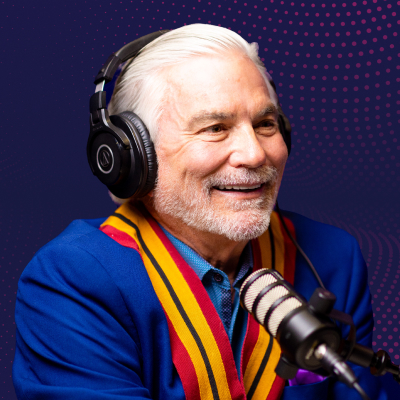
Dr. Grant Stevens
Thank you for having me, Max.
Max Baybak
Yeah, it looks like you are in — somewhere in Idaho, is that right?
Dr. Grant Stevens
Yes, sir. I'm in Sun Valley, Idaho.
Max Baybak
Awesome. Looks like a beautiful day out there — I see a little sunlight coming in through the windows out there, and you mentioned to me earlier, out in the garden.
Dr. Grant Stevens
Yep.
Max Baybak
Sounds nice. Well, I wanted to have you on because Nick has just told us about the news with FriendMedia's CoolSculpting partnership, and I know you are both a long-term user of FriendMedia and — also happens to work out pretty well because you're a pioneer within CoolSculpting, and really an early adopter of technology in general, whether it be on the device and product side, but also, I know, on the marketing side — always picking up new technologies, a lot of times before other practices are really adopting it. And I thought it would be most fitting to have you on the episode with Nick to talk about it.
And I also know that you're really passionate these days about technology that can help you to automate some of the repetitive aspects of a doctor or provider's job, and help you as a doctor focus more on those things that can't be automated. So another reason I'd like to pick your brain on this topic. So first off, let me start here. So as a longtime user of FriendMedia — and I know you have a practice that has more procedures than probably — products, procedures, and devices than any practice, really, I've ever worked with — I just wanted to kind of hear what you've seen, kind of hear a little bit about your experience with FriendMedia and what it's enabled you to do in your practice.
Dr. Grant Stevens
Well, thank you very much, Max, and hello, Nick — it's great to see you. And it's an honor and a privilege to be on your show, Nick and Max. I did get involved in FriendMedia years ago — and Nick could probably tell me how many years ago, I'm sure he can. I got involved with FriendMedia a number of years ago when I saw it was a more efficient way to communicate with my patients. Invariably, the patients spend some time when they're not in front of myself or my staff, and that may be in the reception area, it may be in the exam room before I come in or the nurses or the other personnel come in — it could be any number of places. And people love moving images, which is to say TV, movie, and so forth. And what Nick put together with FriendMedia was an easy, efficient, streamlined, frictionless way with which I could — and we could — educate our patients about not only what they were going to have that day, but, more importantly, to other things that would be available to them.
And as much as, say, they're there for CoolSculpting — your example — they're there in the room for an hour, or more frequently more than an hour, and during that time they're usually on their phone. But they also see these flat screens in every room, and I can customize what they're going to be watching through FriendMedia. And some people may think, oh, it's just like what they see in their hairdresser's or other places, but FriendMedia is very unique in that it's so customizable and it also stays current. Most waiting rooms or reception areas play either dated material or irrelevant material, or they're playing, you know, Oprah or The View or something, or CNN, or other stations not to be mentioned. In any event, with FriendMedia, I'm able to control what they're watching, keep it relevant and current, and also adjust it in the different areas. Because if someone's getting CoolSculpting, I'm not going to show them a bunch of CoolSculpting information — I'm going to show them injectables and lasers and surgery. And likewise, if they're in an injectable room, I'm certainly not going to tell them about Botox, because they're getting Botox, or whatever they're getting — Jeuveau or the other toxins — so, or fillers. So I love the idea of customizing it. The patients love watching it, and it's been very effective and efficient.
And I've also — we have hard data. For those of you that say, you know, you can't afford it, I would say you can't afford not to do it, because we have hard data, both in my practice and also other practices, with the HydraFacial experience, that demonstrated a significant lift — or, that is to say, consumption — up to 75 percent more revenue in a matter of a couple of months. And it pays for itself many, many, many times over, especially when you have a new technology. Let's say you're bringing in a new technology — the Elite, the CoolSculpting Elite, which you just heard about — the best way to introduce that is on FriendMedia, and some other medias that work with FriendMedia. So there are some other ways you can do it — I'm sure you'll ask me about that also. Absolutely. So I'll stop there and let you frame your questions.
Max Baybak
Well, you just touched on something that I didn't even think of — it seems overly obvious now. You know, in digital marketing, e-commerce, etc., we have this trend of personalization. Everything is really being personalized to that website visitor or to the person seeing the ad. It really happens — they're not just getting lumped into buckets or segments, but you're really saying, okay, this is — and there are questions about how much we're being tracked and so forth that, you know, we can have a different conversation about — but you're able to really personalize communication. Practices have no way to do that on an in-practice basis, until now. And when you just brought up the idea that you have your treatment rooms sort of separated by the types of treatments that will happen in them — it's such an obvious thing. It makes me think about e-commerce ads, where you don't want to show the ad to the person who already purchased it. It's automatically a waste of ad spend, and it drives your cost per sale up, because you're showing someone who's not going to repurchase again. So same idea here — don't waste your impressions. Show them something that's a perfect adjunct or kind of add-on service to what you're already doing, where you know typically people who buy this will buy this if they're informed about it. So, I don't know, I just kind of tweaked on that — it's really cool.
And yeah, and also, when practices — the practices we work with across the country — seems like every week one of our clients is getting some brand-new treatment or device, and they want to talk to us about how we can make sure that people know about it. They just made a big investment, they want to turn it on, they want to start generating revenue with it. And what Nick and I were just discussing is how the patients in your practice are your most powerful customer already, and you need to make sure you're not ignoring them in that whole process. And you can tell your providers and your aestheticians and so forth to educate them on it, but they're running a mile a minute, and it can be challenging to do. So it just seems, like you said, if you're making other investments in other devices and things, you can't afford to not add this on — nominal cost, and really necessary — absolutely a requirement, a component to add on to any device or technology you're investing in, to make sure you're educating people on it.
Nick, let me ask you this. When you first started working with Dr. Stevens in the Marina there, had you ever seen a practice that had so many products, treatments, and procedures on offer?
Nick Magruder
I think it's hard to duplicate what you see, you know, with Dr. Stevens and his group at, in the Marina. You know, I — sorry, I've got a storm going behind me.
Max Baybak
No worries.
Nick Magruder
You know, I look back at, you know, our customer list, and, you know, when Grant came on, it was in September of 2017. So we've had a lot of time to get to know each other and to get to know the technology and where to take it next. And I think one of the key learnings, you know, that I took from visiting the practice was this: you know, we set out to really first fix the lobbies, where, you know, you have these stagnant, you know, loops, or HGTV is playing — so a simple concept that could turn that into a real communication and educational tool. What I learned with Dr. Stevens and at the Marina was, you know, really the opportunity that lives in these treatment rooms. And I'll never forget, you know, just walking into Marina ManLand — where a man can feel good about looking great — no, not "looking great" — thank you — it's like, it's literally — you know, this is five years ago, and, you know, just a trailblazer in the space, and, you know, leveraging technologies to, you know, educate and drive more business.
But, you know, this whole concept — you know, Grant really helped us, you know, understand what the opportunity was in that treatment room, and that, you know, we don't necessarily need to continue to educate on CoolSculpting when they're distracted on CoolSculpting. You know, this is a great opportunity to introduce more goods and services — kind of like Amazon, when you check out for a product, you know, consumers that buy this also consider this and that and other things. So yeah, we really jumped on that and, you know, began over time to optimize our platform to have the flexibility and the customization to have a different subset of message or communications or advertisements in each part of the practice — not just a universal loop — which is really, really paid dividends for us and our partners and our practices.
Max Baybak
Super cool to think about how you can chop up the practice into these different segments and, like you said, not just have a big, universal, sort of broad-strokes application of your in-practice marketing — break it down. It's cool. You were talking earlier about how you listen to your customers and take that feedback and roll it into the product, so it sounds like Dr. Stevens and his practice has been a big part of that, and that's really cool to hear.
Dr. Stevens, let me ask you this. I know you're working, you know, with some other technologies that have a similar purpose, while they do it a little bit of a different way. But I talked about earlier sort of automating some of these repetitive aspects so that you as a surgeon, or your providers, can focus on the things that cannot be automated. And maybe even — and there might even be ways, because Nick and I were talking about QR codes, and I know that's a subject you're passionate about these days — there may even be ways with FriendMedia you can use a QR code to push people into other things that also automate those parts of the experience that can be repetitive. Will you tell us a little bit about how you're using that, or what your vision is for that?
Dr. Grant Stevens
Sure, I'd be happy to. But first, in general, we've all become much more familiar with and acclimated to QR codes since COVID — from restaurants to any number of things. And Nick and FriendMedia have incorporated QR codes into their content at different times, and those QR codes can take the viewer from that viewing experience to different websites, or to the various companies that have the products that he is demonstrating on the FriendMedia in that particular venue — because, as I mentioned, it's different content in different rooms. And those QR codes are really helpful in expanding the patient experience and learning about what's available.
Now, taking that a step further is this concept of Engage — Engage Technologies, in particular the aesthetic innovation part of Engage Technology, but it's true in the other parts, too — in the dental and in the eye, or ophthalmology, business also. And with that, the person scans the QR code and starts a process where they can, at their own discretion, without any sort of passcodes, without any sort of thick friction, in a seamless fashion, they can actually drip short videos to themselves on their most personal device — their cell phone. And right there, when they're there in the room, when they're in the reception area, or even when they go to the car or they go home, they can learn about the procedures in terms of, you know, the before, the first visit, the subsequent business. They can actually learn about different parts of the journey they're embarking on, or their options that they have. And we all like video, but we don't like it to be too long, and these are wonderful videos that are very provocative and excellent, and they're short — at least, I like 60- to 90-second short videos — and then, if they want to keep watching, they can.
And this has been something they've been using in the dental world and in the eye world, and especially in cataracts and that sort of thing, and we're now starting it in the aesthetic surgery and aesthetic medical world. So we're doing it with Allergan, Merz, Galderma, Revance, Jan Marini, and many others — and taking them through the process, answering questions. I mean, how many times do the doctors answer the same question about pre-procedure preparation, or with the day of the procedure, be it surgery or lasers or whatever, and then post-procedure — when can I get to the gym, when can I have a normal life, when can I have sex, when can I do this or that, how long do I have to take these antibiotics? There are so many questions that patients ask — and they have, and they should ask — and the doctor and his staff has to answer them. But what if we had a way to seamlessly answer those questions ahead of time, and then during, and then after? Because that's how we learn best, and then that would maximize the experience in terms of efficiency and, in fact, the outcomes. And that's what they've found in the previous verticals that they've been working on — they found that the patients do better, the staff is happier, the doctor's happier. It's a better experience all the way around. That's called Engage Technologies.
Max Baybak
Yeah, that's such a cool vision for how you can extend what FriendMedia is doing with what Engage Technologies is doing. And I got to know Michael and Lloyd from Engage Technologies when we had them on your podcast, which I was producing with you, and so I got to talk with them a little bit about it, and I've chatted with you about it, and I know it's something you're passionate about, and it makes a lot of sense. Nick and I were just talking about how there's endless kind of ways that you can augment what FriendMedia is doing, and just little things you can layer on top, whether it be a QR code that pushes to a patient review — a Google review or something like that. So this is a really interesting way — just to make sure I'm following with your vision here — where you can take the in-practice marketing and basically take it home with the person.
So if there's something they can watch — one video right there on FriendMedia's platform — fantastic. But if they want to know a little bit more, and there's maybe a bigger educational arc that takes a little bit more time — you're right, people's attention spans are short, and as Michael talked about from Engage, it's, like, all about delivering it right at the right time, when they're wanting to know, when that is the content that they need and want to know about. So it matches a need, and then they're more likely to consume it. So they can scan a QR code on their phone — and I saw the demo of it — it kind of just pushes them really easily into their text, and then they get a link back, and then they start getting these texts, well timed out, educating them more on a procedure. Or maybe — it could be on a procedure, it could be surgical, it could be non-surgical, it could be pre- and post-operative education — it could be a lot of things, but things that need to go over a larger arc. So you can kind of start there in the practice and then almost re-target the person in their life, right? Which is a really cool marriage, I think, of what FriendMedia is doing and what Engage is working on.
Dr. Grant Stevens
I couldn't agree with you more, and I'm delighted to be working with Nick and using FriendMedia in our offices. And I think the marriage of the two is perfect. It's a great vehicle — the FriendMedia is a perfect vehicle with which to inform the patients, the staff, the other doctors, and so forth of these other options on Engage.
Max Baybak
That's awesome. So, Grant, I think, if I'm not mistaken, you were the first practice to have Elite in your practice, right? The CoolSculpting Elite machines?
Dr. Grant Stevens
I was. I did the FDA studies for ZELTIQ, and subsequently Allergan, and then I had the good fortune of having the first install of Elite ever in the world.
Max Baybak
That's so cool. Yeah, it's always fun working with you and getting to be, you know, among the first — or really the first — that are marketing these new technologies, and sort of seeing how the consumers react to them, and road testing it. So it's fun. Are you using FriendMedia today to educate your patients about Elite?
Dr. Grant Stevens
Absolutely, we are. And the Elite launch has taken off and surpassed everybody's wildest expectations. The sales of the Elite device have outstripped by many times what they even thought in their wildest dreams. And then the consumption, the cycles — the patients love it. It's faster, more efficient, because you could do it twice as fast in terms of the two heads on each device. It's a better user experience. There's more fat captured — 18 percent more fat captured — so we have better results, quicker results. And when you couple it with the Alastin, and TransFORM over on a daily basis over the next, say, three weeks after they're treated, it's a remarkable change in the resolution of the fat and the tightening of the skin, the smoothing of the skin. It's a great marriage there with the CoolSculpting Elite along with the Alastin TransFORM.
Max Baybak
That's cool. And now, with FriendMedia, you don't have to repeat all of that ever again.
Dr. Grant Stevens
No, that's right. Basically, Nick has put that talk track in all the rooms for me — and a much better job, because there have been a lot of professionals doing it for Allergan, and Nick's tapped into that. But the cool thing also is he takes my stuff and he puts that — it's so customizable, it's cool. And if I decide — if I wake up today and decide tomorrow I want to highlight HydraFacial or Keravive, which I just did, and say, hey, I want to really inform the public of Keravive, Nick, can you help me — right there, right then and there, he can do it. Just be ready.
Max Baybak
Yeah, theoretically, you could do it too. You're also — you know, you just brought up the Alastin thing, which made me think of the fact that you're, I think, really an innovator and a leader in getting some of these — well, you're always thinking with how to cross-sell and cross-promote multiple different products that are so complementary. And we see a little bit more of that happening in the industry now, and I think it's really exciting that these companies are doing these partnerships. Nick, is that something that I could see FriendMedia helping to foster — more of those types of partnerships? Just like, for example, Elite and the Alastin — that promotional offer that I know Dr. Stevens has been offering in the practice — and you could have content kind of co-branded. And I know you have partnerships with a number of other companies, right, or industry manufacturers? So is that something that you're kind of looking at?
Nick Magruder
100 percent, yeah. I mean, we have, you know, we have over 100 aesthetic brands represented in our library —
Max Baybak
Wow.
Nick Magruder
— for providers to access and push out to any treatment room or lobby that they see fit. I think a lot of this, for me, became apparent, you know, when I got into this industry. I was working, as I mentioned earlier, for Reliant Technologies, and introduced the Fraxel technology into the marketplace, and then Fraxel was acquired by Solta to bring in Thermage. And, you know, there's an obvious reason why those two companies were brought together. One of them is the synergistic, you know, one-plus-one-equals-three, you know, mentality — that a deep heating and, you know, tightening with Thermage, with, you know, the resurfacing of Fraxel over the top. You know, the customers that really understood that could really extend and maximize outcomes and their, you know, revenue streams as well. And I am sure, you know, Grant was one of the first, you know, pioneers, you know, to run with that kind of concept, and I think the industry is following. So, you know, when we start to partner with, you know, the CoolSculptings of the world and their providers — those that are also, you know, offering and hosting, you know, Alastin in their portfolio — it's a perfect opportunity to cross-promote and add products, and in that treatment room is a great place to do it.
Max Baybak
That's cool. Yeah, I see so much potential for that kind of thing. So — you mentioned, I think I already asked, maybe I didn't — with the CoolSculpting partnership, if a practice is a CoolSculpting provider and they want to kind of get in on that premium model, what would they do to be part of this rollout? Where should they go?
Nick Magruder
Sure. So, you know, we'll kind of see when this is, you know, aired to the public, but on July 1 is our official kickoff with the CoolSculpting team. So if you're watching, if you have interest in participation, you know, the best thing to do is to reach out to your local CoolSculpting rep to see if you qualify, and then, you know, we can get you guys, you know, set up on the platform and have you up and running in, you know, a handful of days.
Max Baybak
That's awesome. I mean, if that's not proof of the value that FriendMedia is bringing — now the tables have turned. You get to decide — everyone wants your product, and they have to qualify for it, not the other way around. So that's pretty cool.
Nick Magruder
No, I'm not sure — I'm not saying that we are — do not take me the wrong way here, Max. We want all the customers, right? But it's more of — the reality is that CoolSculpting will bring us the customers that they want to partner with, and, you know, the goal is to identify, you know, really great CoolSculpting customers that have a chance to go from good to great in their CoolSculpting performance. And that's where we come in, to, you know, kind of stake our claim on in-practice marketing and drive awareness and utilization, both for the brands and for the providers.
Max Baybak
Yeah, I was just being a little bit cheeky, because I know you'll take everyone. But it's kind of my point — you know, Allergan, CoolSculpting, teaming up with you — clearly there's a lot of value in what FriendMedia is providing. If you really look under the hood, it's so much more than that waiting room TV, and so I just think that's a really cool opportunity that you're bringing to people.
Nick Magruder
Lots of — yeah, lots of opportunity, for sure. So we're excited about the partnership, and, you know, should be great for the industry as a whole.
Max Baybak
That's awesome. Dr. Stevens, do you have anything else you would add to any of this?
Dr. Grant Stevens
Well, I would echo the same thoughts, and I was just sitting here thinking about Nick having so many companies that work with FriendMedia, and the partnerships. And I was thinking — there's Sciton partnered with Alastin; there's Galderma, with their Kysse product for the lips, which was a huge hit — they partnered with Alastin as they did that rollout. Nick was talking about combining Thermage and Fraxel years ago — and he worked for them, and the Solta roll-up. And, Nick, I'm not sure if you were aware, but I coined the term ThermoFrax, and I own the website thermofrax.com to this day — and coupling those two technologies from the two different companies. I was just smiling about ThermoFrax, and now they're re-entering and they're reintroducing ThermoFrax, as you know — yeah, and with my blessing.
This kind of educational TV, if you will, placed throughout the office strategically, is a wonderful way to inform, to educate, to cross-sell, to promote. So I mean, I think Nick is really on to something with this FriendMedia, and I'm really happy I have it in my practice, and I have it in our OrangeTwist offices around the country. And if I'm building an office today, I wouldn't even consider not having FriendMedia.
Max Baybak
That's fantastic. Yeah, I mean, I just think — even, after talking to both of you — I know about FriendMedia, many of our practices use it, but I've gotten even more understanding on just how valuable it is. Everything from training your staff — you were just talking, Nick, a second ago, and I realized, gosh — or Dr. Stevens, you're talking about the talk track that's in there — so now you're kind of — it also acts as a training tool, right, for staff to understand what the value propositions and benefits are, for them to make sure they put it front and center in front of the patient. So, I don't know, the use cases and the benefits for it seem to be kind of never-ending, and I'm really excited to see what you do with it going forward, Nick, because I know you're not done. I could just tell — like you said, with these consumer behavior shifts, like QR codes, and so much coming, it's really well positioned to be a platform to do that — so many things could offshoot from it. So I'm really curious to see what you do with it. Congratulations on this CoolSculpting partnership, by the way — that's really exciting — and thank you. Look forward to seeing that roll out.
Nick Magruder
Absolutely. Yeah, it's very exciting times, and certainly appreciate being here with you, Max, and Dr. Stevens. It's an honor.
Max Baybak
Yeah, thank you both so much for taking the time out of your busy days to join us. We'll have to do it again in another few months. Thanks, guys.
Nick Magruder
Let's do it. Thank you, guys.
Max Baybak
All right, take care.
Dr. Grant Stevens
All right. Thank you, gentlemen.
Subscribe to Next Level Practices
Next Level Practices is the show where we discuss the ever-changing world of digital marketing and patient acquisition and bring you the latest ideas, strategies, and tactics to help you take your practice to the next level.