
Converting Your Aesthetic Practice Into a Data-Driven Business
w/ Terri Ross & Izhak Musli
65 minute view/listen


Nov, 2022
Available everywhere you podcast



With consumer demand for aesthetic treatments at all-time highs, it's easy to fall prey to the fallacy that a full schedule equals a successful practice, but, as APX Founder Terri Rosstells us, "Being busy does not mean being profitable."
This is but the beginning of the wisdom that Terri and APX CRO Izhak Musli share with us in episode #12 of Next Level Practices. While Terri and Izhak have each previously appeared individually on the podcast, they have now teamed up to combine their strengths in a powerful new venture: the Aesthetic Practice Accelerator or APX Platform.
APX aims to fill a distinct void in the aesthetic landscape by providing industry benchmarking data paired with the real-time business intelligence tools you need to see how your practice stacks up. The platform also provides valuable training and community components, which are the key ingredients necessary to help you close the gap wherever your practice may be falling short. In this episode, Terri and Izhak show us how practices are using APX to identify inefficiencies and maximize available resources. They also offer us a glimpse at the exciting plans they have for the platform's future.
Full Transcript
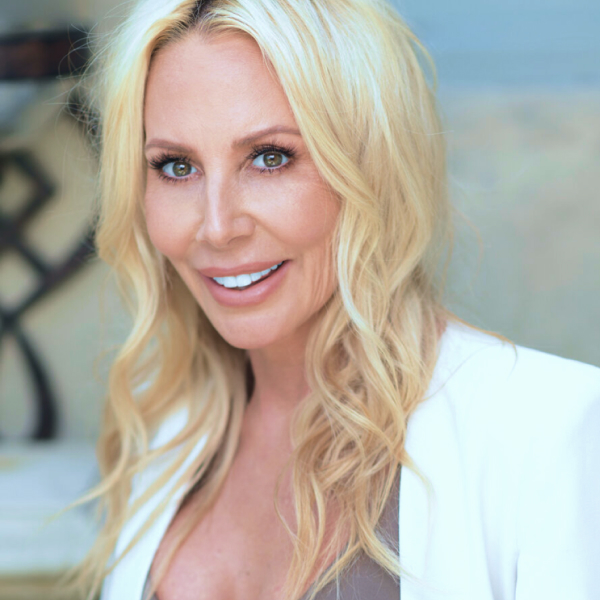
Terri Ross
Being busy does not mean being profitable. And I can't tell you how often we hear, "Oh my god, we are so busy, we are booked out two to three weeks." I'm like, fantastic, that's amazing, right? Kudos to you. What are your profit margins? Five percent. Clearly something is very wrong, okay? And you're not, right?
So, and truly, that is the epitome. That is the epitome, because I don't know what— there are almost 6,500 med spas, a little over 3,500 plastic surgery, that's just in the US. If we know that the average— the average profit margin should be 20, there is not a lot of people hitting that. So we know that there are fundamental problems.
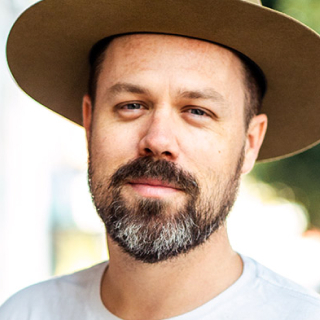
Max Baybak
All right. Hello, hello everyone, and welcome back to the podcast. I've really been looking forward to this interview today, and actually for a number of reasons. Today I have not one but two guests joining me, and now both of these amazing people have actually been on the podcast before, but this time around they're joining us together to share some exciting news.
I'll spare you the long introduction and I'll let them tell their own respective stories and kind of get into why they are now joining forces. But needless to say, they are both key players in the world of aesthetic practice management and growth, and over my years of knowing and working with them they've also become personal friends, and they stand among the people that I respect and admire most in this industry. Please welcome co-CEOs of APX Platform, Terri Ross and Izhak Musli. Terri, Izhak, thank you so much for joining us today.
Terri Ross
Thank you so much, Max. We're excited to be here. Always love chatting with you and, uh, just doing what we do best — gift of gab.
Max Baybak
Same. That's basically why I have this show, because it's fun to just chat with friends, and all I do is work and think about work. So I love— I love having conversations about it. So the last time I had you on the show, Terri, you were just about to release APX but it wasn't live yet, so we didn't really get a chance to go too deep into it. So today I really want to get into that.
And I was thinking about the best way to tell our audience about what you two are working on, what you and Izhak are working on, and kind of also the story of how it all came together. And I know bits and pieces of it, I want to learn more of that today. But I think I kind of want to do this in like a cold open style, if you will, you know, where like in a movie or a TV show where the episode starts out in present day and just kind of drops you right in the middle, doesn't tell you how you got there, and then they kind of rewind and take you back and tell you the story that led up to it. So if it's all right with you, I'd love to have you tell us what APX is at a glance, and then we can kind of unpack it from there.
Terri Ross
Absolutely. So I'd love to answer, and then I would love, again, my friend and co-CEO Izhak to say a few words as well. You know, APX is really a disruptive new business intelligence, training, analytics, uh, and coaching community, um, platform.
What we're doing is really democratizing what a typical practice manager would do and putting it into a platform that provides on-demand learning. We know that COVID has really allowed us to know that that is the future, right? Online education is the future of any growing organization. And when you look at the aesthetic market, um, APX really fills a huge gap in the market. And the gap was — and I say this often — there really is no MBA school of aesthetics, and we now can offer that to every practice of every kind at every level, offering them robust classes, uh, and educational courses around sales, finance, operations, much more to come.
Robust analytics, really taking, um, data from your practice management software and turning it into, uh, informed information where practices can make a difference. And then obviously Izhak joining me, joining us in the company, really helping to take APX to a whole nother level, right, with his, you know, significant analytical background, and really coming up with dashboards and just fundamental tools that every practice needs to be successful and to have a sustainable, profitable business.
Max Baybak
That's huge. Uh, Izhak, anything you want to add? I have lots I want to say, but I— this is— I'm supposed to interview you, so I want to hear from you too.

Izhak Musli
No, and Terri obviously covers that really, really well. There is very few things to add. Um, it's just— it's really the missing piece in the practices today. At the beginning I always used to think that just data, but training and data, it's really the combination together. Just data on its own and just training on its own really not completely helped the practices, and the two of them together, joining those two powers, I think that that is exactly the missing piece where you can take practices to a whole different level.
Max Baybak
Yeah, I couldn't agree more. And like I said, why I said that's huge is I really do think it's unique, um, and it's really something that's missing. And I think it's hard for people to— maybe it's hard to unpack how much there is in the platform and what it really is and why it's unique, why it might overlap a little bit with other platforms. Again, I'm still learning about it, right? I know a bit, but I could see people might sort of think it's a little bit of this and it's a little bit of that, but as far as I can tell there really is nothing like it.
And I want to take the time today — that's the whole purpose for me of this show is to let people do more than just the elevator pitch about their products or services. Um, and specifically I focus on products and services that can help aesthetic practices to either streamline workflows, processes, manage their practices better, but ultimately grow. And I think everything that APX stands for and does, it leads to those things. So I want to give you— I really want to kind of unpack it all, but first off I want to let you also tell us the story, kind of how it all came about, how you two came together.
And I'm going to spoil it a little bit here if I could, because I want to tell you why I was so excited when I heard that the two of you were joining forces and why I thought it was such a perfect fit. Starting with you, Terri: since I met you years back, you've been preaching just full-time metrics, metrics, metrics, KPIs, analytics, more metrics, you know. And you have your famous saying — I don't want to butcher it, but, um, you can't change what you can't measure. Is that right?
Terri Ross
Right, right, absolutely.
Max Baybak
Yeah, okay, good. And so there's that, right? And that's the ultimate simplification, but that's something that has always stood out to me, is you have to— from everything you've taught, is you have to know, you have to measure, and then you can make informed decisions. And I believe that wholeheartedly as a marketer in this industry.
And then Izhak, I met first, so now bringing it over to you: I met you about— I think it was about four years ago, ish, and at that time you were working on Atlas KPI, and I remember we talked about it when you came on to this podcast before. But I was so impressed and also so happy that someone was creating, was building a business intelligence tool for private aesthetic practices. It made a ton of sense to me and was so needed, and no one was doing it. And I know you ended up having an exit there, and that platform kind of, from what I understand, fell into the hands of a little bit of a different industry, and I was secretly a little sad about that, because even to this day there's nothing like it and it's still needed.
So when I heard you two were teaming up, to be honest, I was really hyped, and it just made so much sense. So now that I've completely spoiled everything, will you tell me a little bit about— Izhak, tell me kind of how the story, from your perspective, how you got involved? I'd love to hear that.
Izhak Musli
So, um, yeah, you kind of teased it a little bit with that Atlas KPI, and that's really where the adventure starts. That's actually when I met Terri. At the beginning she was one of my first customers in Atlas, gave a lot of feedback when she used to run her practice. Um, and we always had that bond, right? We always got it.
There was not— I'll say there are many people in the industry that really get data, but very few really know what you need to do with it. And that was one of my challenges seeing Atlas. When we used to run Atlas, give it to practices, they would get excited, right? Dashboard, I can see finally all my data in one place, they would love it. And then the second thing comes out of their mouth: what do I do with it? And I'm not a practice consultant. I can run business, I can run software business, and I can run even a retail business, but definitely not a medical practice, right? Um, and it's just not going to do to them justification if I'll give them the advices of what they need to do with it. And that was kind of like a missing piece that we always felt in Atlas that takes us down, or kind of like make it harder a little bit.
Um, later in time, like you said, we sold the company. There was an opportunity that we couldn't say no. And I even started after that medical PRM for lead management and stuff like that. And me and Terri always stayed in touch, we did podcasts, we always take friends, right, exchange some brainstorming about different data, different things to measure and how to practices. I think we are very aligned with the vision, and practices are not maximizing their potential, and it's so obvious. It's somebody that understands data to see it from the side and be like, what? You're leaving so much money on the table, you don't capture everything you can.
And when our ways crossed and I learned more about what Terri does, and she kind of like told me about APX and where it goes, I get very excited, because obviously there is module of the analytics part of it. And from there it just flew completely natural about, let's do something together, right? It just makes sense, it just made so much sense, which he was the missing piece that we didn't have in Atlas at the time. And I think when it comes and grows as a platform with multiple modules, I have a lot of things that I can bring on from learning curves that I got experience with. Um, so yeah, it's— for me it was like amazing opportunity, I couldn't say no. Again, I love those type of opportunities.
Max Baybak
No brainer. Yeah. Terri, anything you want to add to that as well?
Terri Ross
Yeah, I mean, I think, you know, Izhak hit the nail on the head. But if we, you know, dive into a little bit of, you know, more of my background and really why APX was born — and I think that thank you for the opportunity to tell the story, because, um, stories and from an emotional perspective, I think that's really what is powerful about why we did it.
Um, so I've been in aesthetics, you know, for about 15-plus years, both on the corporate side, you know, managing Fortune 500 teams. Um, I had a practice in Beverly Hills — obviously, Max, that's where you and I met and got to know each other, and that's where I also met Izhak. So this is now back in 2013, '14. And so I really like to think of myself as really a practice consultant that has tangible, practical experience, right? I've really done it all on every side: the corporate, I've had a medical spa that I scaled quickly in a very competitive market, um, I have 20 years of sales background from all of my history.
And, you know, when COVID hit, I was hit with a challenge of really looking at Terri Ross Consulting and saying, how am I going to impact more people, right? How can I scale and how can I help more practices, which was going to be hard to do? And our Terri Ross Consulting business went up about 70. And to Izhak's exact point, that these practices were not maximizing their profitability, they were in fact losing money, losing staff, not making money, not knowing what was profitable, not having the right onboarding and training in place.
And, you know, I met a friend who was a private equity guy, and he said, Terri, you really— you can't scale this way. Let's take what you do, let's take what's in your head and in your team's head, let's put it into a platform and, like, shake up the industry and really give them something that they've never had before. So, um, you know, for me it's our baby. I'm so proud of what we're able to do to impact aesthetic practices across the country.
And again, Izhak and I— I feel like he said, we have been great friends, I've always respected and loved what he's had to do. And he also said it: data is amazing, but it's not amazing if you don't know how to interpret it. And so we want to close that gap and provide all of the education around why do you do it, how do you do it, how do you take this data and then how do you make a decision that can exponentially grow and move the needle. And we've proven that. So I think together we are— I'm just so elated, and again, thank you for the opportunity for us to share our story with you and how we can help so many people. And that's really our mission and our vision as a company, is to really impact lives and practices with the tools and the resources and education they need to make the best decisions.
Max Baybak
I love it, from that perspective of helping you to kind of peer into your business in another dimension, and then all the dimensions that you can measure it by, and then giving you the training and the coaching you need to then figure out what you can do with that, and really figure out which of those things are going to move the needle. That's, um, really such a challenge, and it seems so simple, but it's such a challenge, and we see practices really reeling.
Um, or just, you know, we also have a unique industry where the key producers are also the managers and the CEOs, and so it's very hard. You don't get to spend all your time— and we talked about this when you came on to the show before, Izhak, how there's definitely a trend of more administrative, um, focused leadership coming into practices. But even they need those tools. But it's really hard if you're in surgery or seeing patients all the time, and you need to maximize your time and shorten the time to seeing the quickest, most meaningful insights that are going to move the needle. So, and then, as you said, you both touched on, show you what to do with that data. So, man, I just think it's so needed, and it's such a cool vision.
Izhak Musli
And it creates a really unique capabilities not just within the practice itself to understand their own data and what to do with it, but we also notice that it creates the same challenge to other providers in the industry, to be able to prove their data, right? And I'm sure you're familiar with that on the marketing side. You go over with them quarterly or monthly meetings, right, you show them the metrics, and they're like, so how many leads did you generate for me, right? But there is so much more to that story than just like how many leads.
Max Baybak
Oh yeah.
Izhak Musli
That type of challenges, those are the things that we're trying to solve.
Max Baybak
Yeah, it's huge. We spend a lot of time measuring, we believe in measurement. I will never ever— something I talk about with my team all the time is, let's not talk about how we feel about things, let's just look at the data. And that way we're not— the client's not— no one's saying how they feel or what they think, we're just looking at the data. But now there are gaps in that data which don't tell the whole story sometimes, so that's hard. Because just like you said, leads doesn't equal consults doesn't equal dollars. Um, there's all the nurture that happens in between each of those phases.
So sometimes we can't see all the data, for one. And that's something that, um, when you first were working on Atlas KPI, I worked with you and with some of our clients, Izhak, on building out essentially a dashboard that really monitored every point of that funnel, and that was awesome. But then also automating that collection of data is a nightmare. We automate it just as far as it really can be automated so far today, and then there's just a little bit of manual compilation we have to do if we need to present something that says, look, here's the full story. And I think we're pretty good at it, but, uh, the industry is missing some of the tools and integrations and things that are needed. So that part of the vision, like you said, it's not just for the practice, it'll be for their vendors, ourselves as marketers, um, and everybody who kind of fits into this ecosystem. So I think I see that vision from my conversations that I've had with the both of you, and that's what does get me really excited about it, selfishly, from our perspective, of how we'll be able to use something like this.
Izhak Musli
Of course. And help your clients convert more leads, Max, for sure.
Max Baybak
Show them exactly what the data shows and what they can do to convert more. Or if there's something we need to be doing better, let's expose that and let's fix it. I'm always for that. But we just— the data, it has to be borne out in the data, but it's not always there, or if it is there it's just a pain in the neck to go round it all up. Um, so both of those.
Izhak Musli
And imagine that you, as a CEO or founder of the marketing agency, you have the trust that the leads that you generate to the practice are actually being taken care of in the highest degree, right? They getting answered to the phone, they follow up on the emails, they are really maximizing every lead that you give them, and not just like call them after five days and then it's gonna be like, you don't give me good leads, right?
Max Baybak
Right, yeah. No, I was just talking to my business partner and CEO about how do we create business intelligence on the nurture side. So how many touch points, like if you could basically put all that into charts and graphs on an aggregated basis or maybe on a per-channel basis, like— anyway, I have ideas for you guys.
Izhak Musli
Bring it. Always, always.
Max Baybak
So you touched on something, um— both of you talked about what do you do with the data. I think, um, you can even take that a step back, and tell me what you think about this, Terri. Like, you can take it a step back from what do you do with the data, but first of all, what should you measure, and what maybe should you measure but kind of hide a little bit deeper for later on when you need to do a deeper dive?
I think, like, I look at it kind of like, um, like an airplane has the black box, and there's all kinds of stuff, there's everything's in there, and that's great, we should measure that all, but we don't put that all on the dashboard, right, of the— in the cockpit. That'd be overwhelming to do what they need to do in terms of flying the plane. And I think that that's such an important part. I've worked on building business intelligence tools for this industry and others, and I think that, like, the consulting aspect — and this is where I think this partnership makes so much sense — is, great, we're measuring it, but what should we be putting front and center, what should we be putting in the black box for when we need to do a deeper dive, and then what do we do with that data afterwards? So what goes in, where does it go, and what do we do with it after, is kind of super interesting. How much of your thought goes into like what we should be prioritizing metrics-wise so that people have that actual real-time dashboard that has the stuff that matters? Is that kind of a piece of this that you consider?
Terri Ross
Yeah, yeah. I think, um, what we did in APX was we took it a bit further. It's one thing to look at— well, I'm going to back up and I'm going to say, for one, the industry as a whole doesn't really know what the benchmarks in the aesthetic market should be, right? What should your cost of goods be? What should your cost of labor be? What is your profit per treatment? What should your revenue hour be? What is my capacity, right, based on hours worked? People just fundamentally don't know that.
So, you know, I might say, hey, what are your goals? And they're like, 4 million. And I'm like, how did you come up with that? I don't know, grow 10 over last year. Do you know— they're not taking into seasonality, they don't— so there's so many factors that just aren't happening. And then again with COVID it was like, they don't know what their profit margins are or what they should be, and then if they're not there, they don't know how to fix them to get there.
So we really— after working with practices now since 2014, hundreds of practices, and all of the challenges were fundamentally the same. So instead of just what you can run in your software, which again is raw data — sure, I can run what Izhak generated in 12 months or six months, and I can get a service by revenue report, I can get that. I can look how much he's working. I don't know how much I can squeeze out of Izhak, right? How much he could be maximizing in that room. Is he doing the right procedures in that room? Is he taking too long? Is he not charging enough?
And so to your question about the KPIs — that's a broad question about what you should measure — but what we broke it down to, and what APX can offer you other than the analytics that we're going to get to that are critical, we said, what can move the needle fast, okay? The couple things that are really critical, and where the financial calculators begin, is understanding what treatments yield the highest return, right? What is your profit per treatment? When you look at, you know, cataloging all of your procedures, you can see— and what people don't know is that your gross profit should be well over 50. People don't know that. So then what they're doing is, they're offering Botox and they don't realize that once you pay a provider, and maybe you're running a discount, you're significantly losing money.
So that's one of the things we show them in one place: what treatments are most profitable. And then it allows them to say, I either need to increase my price, I need to decrease the time. Now I can move the needle, but I actually know how to do it. And then you move that over into revenue per hour, and those are the two things I'd like to just focus on particularly for this podcast. Then you look at revenue per hour, and it rolls right over, and we need to understand what is revenue per hour for an esthetician, what is it for an NP or a PA or an RN, what is it for a surgeon. And there are benchmarks to know. So we don't just give you the data, we actually teach you what it is and what it needs to be.
And then you can see from the revenue per hour what you're actually producing as a practice, by service category, right — body contouring, right, injectables — and then by provider. Now I can actually coach. So if I see that, you know, Izhak is the nurse practitioner generating 450 an hour and he needs to be around 650, we have a problem. But now I'm armed with the actual data that APX kicks out in these calculators, to be able to say, now I know how to coach Izhak to fix it, now I know how to coach my provider to move the needle. I'm going to change this, I'm going to reduce the time, or I'm going to increase my prices, I'm going to eliminate these things. You have the power. It is so powerful what it's been able to do. Our practices have upwards of millions of dollars of growth last year in the middle of COVID. Um, you know, those aren't just a few.
And then it leads right into how to build a forecast and a budget — that's a real forecast and a budget based on seasonality. How do I pay my providers? Because we have built in to show you cost of labor. Cost of provider labor should be under 20 — I said provider labor, okay. And then that ties right into how your P&L should look. So we really get very granular in how a practice needs to set up their P&L, how do they set up their software in the right way, how do we maximize the opportunity on every level, right? Are they doing the right treatments? Are they charging enough? Is their time consistent? Are we pulling numbing out of the room, that, you know, reduces revenue per hour? And those are just a couple of things. I mean, it is so robust, it could go on and on. Um, but obviously I'm very passionate about the power of how it's helped people.
Max Baybak
It's, um, it's really fascinating. It's a lot of those things you just brought up. I think you're answering the question that I— the answer is kind of yes, you are telling them these are the things that you need to pay attention to most, where the needle will be moved the most. Um, and I have to imagine that all your years of working in practices, like you said, hundreds, and helping them scale and solve these problems, you kind of— it seems like you kind of just boiled these learnings and these proven sort of insights down into something that, like you said, can scale out to more people. So are these things that you were just telling me now— it sounds like these are things that you've really kind of figured out, they're kind of road tested through your former, um, you know, all the work you've done leading up to now, before launching this platform.
Terri Ross
Yeah, between myself and Robbie Grayson, you know, one of our senior consultants, numerous years of experience as well — her and I really hunkered down in the middle of COVID, and we just sat with papers on the floor and we really mapped out what were the gaps in the practices, and the challenges were the same. And between her background and mine — I don't want to age ourselves, I mean, we have an abundance of years of experience doing this — and so that is exactly what it is. We have built tools around the problems to solve it. So APX is going to give you the platform that's going to solve your pain point.
And we didn't talk about this, and we can get into it later, but, you know, we didn't just want people to buy a platform. You know, the community aspect and the coaching that myself and our team provides is just something, again, that we're very passionate about. You know, we are there to hold your hand, you know, to provide, you know, a weekly coaching call every single week, you know, um, whether it's about APX or just about your practice, to really make sure that you're accountable and supported, you know, to get your practice where it needs to be.
Max Baybak
Yeah, well, I did want to ask you about that. We've been talking a lot about metrics. What you said on benchmarking those metrics — I mean, it's so obvious, but it's kind of an aha moment for me — is like, not just telling them what to focus on, but where should it be realistically, that you might be shooting higher, so you need to benchmark against what's really actually possible and looking into what other practices or what the industry standards are. Or if you're shooting too low and you really don't know that you ought to be doing this or that. I mean, that frame of reference, so that you're not just doing this in a vacuum. Huge.
But we talked a lot about analytics, and I did want to ask you about the educational component. And I know there's kind of a— from the vision that Izhak has— you shared with me, Izhak, there's a technical component to this whole education, obviously the delivery system through which it will be delivered, and then there's the knowledge and sort of your brain trust, Terri. So will you guys— I don't know who wants to take it first, but I'd love to kind of hear about that part of APX, because I know it's not a small sort of section of it, it's really the other half of the platform, right?
Terri Ross
Yeah, I'll answer and then Izhak, you can chime in. Obviously, my staple sales training program I launched two years ago, and it was a very big success. And obviously with my entire career as a salesperson and working my way up into the Fortune 500 companies, I'm very passionate about that. And when I got to work in the med spa in Beverly Hills as a managing partner, that wasn't something that I was willing to settle, right, or have a mediocre team. And so I really developed an entire curriculum around best practices for medical aesthetics, you know, based on five key modules. And so that is in there.
Uh, Robbie and I wrote a finance course in the middle of COVID based around the problems that we're sharing today, right? We wrote a seven or eight, um, module course around, literally again, your entire financial aspect of running a practice and what that looks like. And we're ready to launch, uh, operations soon. And so, you know, we looked at the pillars, um, and so it used to be really looked at like practice foundational elements, but the pillars are, again, training, analytics and community, and we're trying to really, um, close the gap on what these pillars are and continue to provide these ongoing on-demand courses that allow people accountability. We have an enterprise learning management system, okay, so there's tests and worksheets and workshops and master classes all built in. And I'll let Izhak kind of chime in a little bit about the future of what we're doing with these courses, but it's a very robust in terms of what they have the ability to learn.
Max Baybak
Yeah, so that's awesome. Yes, Izhak.
Izhak Musli
Yeah, it's super exciting. I love speaking also about where are we taking it, right? Because as it stands today, already impacted so many practices, and we're getting amazing feedback. And where we're trying to take it and where the vision goes is really to collaborate with other experts from the industry to also provide more education, more content into that.
So when we see it, and we want practices to use it, is when they hire a new person, or if they have an existing staff that needs a little refresher, from all around the different roles, right? He can be the doctor himself, it can be the office manager, it can be patient coordinator, and even the front desk, right? And front desk is one of the roles that changed the most, and that actually the face of the practice, right, is the first person pick up the phone, one of the most important key roles actually in the practice.
And so our vision — and we actually even have customers practicing it and give us amazing feedback — is when practice hire a new front desk, for example, right? Before the front desk come into the practice and start to answer the phones, before they are completely ready to be trained and know how to answer the different type of questions, they actually going to start their training when they're still at home. Take a day, take two days, go over all the courses. Those courses are becoming now certifications, it gets seal of approval, they're going to need to pass a test that actually proved that they understand the content that was generated, whether it's by us, our content, or whether it's content it was generated by our partners, right?
So if they're using multiple tools, our vision is that the course is not going to be just what we teach them, but also the other tools that are using in the practice, and from their own role that they were hired for, what is relevant for them to know about that tools. And so then when they come to the practice, there is really minimal amount of in-person training that the practice need to invest in them before they can really be on top of their game and perform just like everybody else. So it's make this standardization of training. Everybody is on the high performance from education, and again, refreshers as often as they need. And that's really where we're taking all those courses, and it's amazing amount of education, it's a web of education.
Max Baybak
I love that. Um, the COVID aspect, like you said, people can start the training from home — that's, I hadn't thought about that at all. Of course, it makes so much sense. Everything's in the cloud now, so why do you need to come in to get started? Let's get you acquainted with what you're going to be doing. But also the standardization — there isn't anyone standardizing that or providing certifications for that, or really just putting all of that knowledge in one place and giving practices, uh, standard tools and standard training. So, um, that is a really exciting aspect of the platform, I think.
And then you couple that with the data, but there's a third component. I guess I know that's more than just three, but a third thing I wanted to ask you about, that we've said the word a few times: community. And I want to hear what you mean by that. I think I know from things you've told me, but I'd love if you would tell our audience here a little bit about what the community aspect is.
Terri Ross
Oh, thank you. Um, I think anyone who's ever seen me speak or knows me, um, and my team knows I'm very passionate about people and helping. I mean, that is really the ultimate goal of what we do, and I would not be where I am if it wasn't for everybody believing in me and supporting us. Um, so the community piece is really important for me, um, that myself and Izhak and our team has the experience in the aesthetic space, and our community is a huge aspect of what we're doing.
And that community piece is that, you know, as it stands today — which will be changing a little bit based on feedback — but every Tuesday, you know, at nine and at 12, we do group coaching calls where practices have the opportunity to join in, you know, every single Tuesday, whether it's about a topic that is, you know, on their mind or something that we're teaching. But what I love is that they not only learn from myself and my team, but they learn from one another. You know, we have a private Facebook group that's a very exclusive group, we teach two additional master classes in the month.
And so we are very— I know my people wouldn't like me to say this, but even, you know, while we're a platform, I am a very high touch, we are a very high touch company in the regard that we are here for you, our customer service, we're here to support you, we are here to make sure that you are successful. Again, whether it's using our tools, which we want you to, right, um, but using them correctly, and more importantly being there to support you on the journey, right, not just, you know, on the journey of your practice. And so we're super proud of that, and, you know, I love our tribe, that's what I call our people.
Max Baybak
I think it's so important, again taking it back to COVID, um, a lot of advantages, the convenience of doing things from home, but we do miss that community. So having that community and, you know, any way that we can kind of feel like we have a team, or a part of a team, or a part of this larger something, super important. And that support is so necessary for something like this. So to learn from others, like you said, how— what are you doing that's working? And, um, that kind of mentorship and sort of helping each other is really cool. So I love that that's a piece of the platform, because I do feel like that's always been a piece of what I've seen you, you know, with all the content you put out, Terri. So that's really cool.
Um, are there any pieces of it from a technological standpoint that will be there or will be built in in the future, Izhak, around that community component too, that you're thinking with that? I'm just— I'm talking down the line. Have you thought about that?
Izhak Musli
Yeah, yeah. Well, you're assuming right. Um, we also enhanced that module, and, uh, yeah, we're looking to offer better benefits to the APX users within our partners, and help our partners to get more exposures. We're really picking our partners one by one, like handpicks, really the top people, right, um, and the top providers that really care about practices, that are not there just to charge and do whatever, right, that really want to help them to grow, really want to give the service that we believe that practices should get. And we want to help to connect all of those dots.
So among the ability to share knowledge and share challenges, we also want to create this community with live events and put everybody together — partners, community partners, I'm sorry, industry, um, practices, everybody comes together, really on the virtual side and also in the physical world.
Max Baybak
Um, that's right, yeah. I think it's really cool, you just said about connecting those dots, because I do see APX as a platform that connects a lot of disparate pieces that there isn't really anyone doing. As I mentioned kind of earlier, there's like maybe overlaps here and a little bit there, and someone's kind of doing this — and you see this in software, and I think usually it means that there's a gap, right, there's an opportunity that someone hasn't quite just said, I'm going to be the best, we're going to be the best at this thing, and it can connect many things.
So that leads me to a question that I wanted to ask you, which is, do the two of you feel like— is there anyone that you would see in this space today as a competitor, or that's sort of doing what you're doing? Do you feel like there's anybody there?
Terri Ross
Ah, I'm gonna answer first. Um, yeah, yeah, yeah. I'm gonna say— I'm gonna answer it two ways. I'm gonna say no. No in the way that we have decided to move forward and do it. Um, people say, oh, are you like an EMR or a software? We're not. I mean, we're a platform, we're an educational training, right, analytics platform. We are not your practice management software.
Sure, could you go to a consultant? Look, I'm one of them, right, so I can speak, I'm one of them, and you hire us for a certain period of time. Some people do certain things. There's not many of us, in my opinion, that have the real world experience, right, to be able to, you know, coach you in the way that you need to know that can move the needle. So in reality, we are one of a kind, again, right? A really unique, disruptive place, an environment where for a very affordable fee, right, we can 20x, 30 — I mean, we've already proven that model — that you are getting all of the resources and the education, in lieu of just hiring this practice manager that, when they're gone, what happens? There's no pull through, there's no follow through, and now staff leaves, to Izhak's point, and then you onboard new people, and then what do you do? The execution piece, and start all over again.
Yeah, and I mean, like, I'm over the days — and clients tell me I'm over the days — of going to a conference and you bring a binder home and you're like, oh, that sounds great, and I have the best intentions to execute, but yet you don't even have the damn experience to do it. So like, if you don't have the knowledge in the coaching and the sales, right, how do you expect to come back to your practice and execute, and then do it in the right way? And so that's what I love. And so I'm going to say no, we don't have competitors.
Max Baybak
Yeah, well, I think, um— yeah, Izhak, let me hear what you think about that.
Izhak Musli
Yeah, I'll say exactly the same. I'll say no, we don't have competition, right? But we are a disruptive solution, and when you're coming with a disruptive solution, you're definitely bothering some things that are— I guess, been there for a little while, right? And Terri touched it, it's that standard, the traditional practice consultants, right? So we are not necessarily a competitors, because even in Atlas, many practice consultants use our tool to help them.
And that's really what our vision also from APX is, for practice consultants to use this tool to help themselves deliver more value to those practices, because they're not going to be there all year long, for years, helping train every new person. They're not going to be there all the time to do your analytics. So they can really use that platform for themselves also to scale. So we are disruptive in that matter, but definitely not make them competitors. And 100 not with any other software solution in the industry — we actually see them also as a potential partners. We want to work with everybody. So, right, the community concept, it works exactly the same on the as a whole of a platform. We are looking to partners with everybody.
Max Baybak
Right, there's a community of, let's say, vendors to the industry, and then there's a community of actual, um, providers and business owners in the industry too. I see. But all of that from my perspective — and I won't claim to know everything that's out there, but I do pride myself on kind of trying to be aware of everything that is in our space, software-wise and service-wise, and the tools that are there, and sort of I try to unpack them and understand if they're valuable for our client. And I just tend to be that way, but it's also useful when a client comes to us, says, hey, what do you know about this, I can tell them what I do know and what I think of it. And I think that's cool. Um, and I'm always excited about it. So like, and that's what the show, like I said, is about, is if I think something does have merit, then let's talk about it and let's bring that value to our listeners.
So I don't see anything that's like that just from the standpoint alone of the business intelligence tool that is specific to aesthetics — and I believe that you have to niche down in business intelligence, in BI, or in any, really in any software these days — and I don't see a platform that's giving standardized training. Both of those are unique, but what's really unique to me is bringing them together. Because if you take— you both gave great examples: the traditionally the consulting industry or seminars that you go to, lots of good information, great big pack, awesome. You come home, how do I implement this? I'm busy as hell seeing patients. I need my team to learn this. Even if you bring your whole team, at what expense, to the whole seminar? Still hard, still hard.
So you have that side, a lot of great knowledge, and on the other side of the software we have a lot of great tools. But I— and I say this so much, it's probably obnoxious to the people who hear me say it — but I feel like software has to, like, software for software sake doesn't— is not relevant anymore. Software with an opinion is what matters. Like, it needs to be niched down and it needs to come to you with a philosophy baked into it. So by bringing these two things together, I think that they're— I'm rambling here, but you know, they're both unique, but then bringing them together, to me, is what I see is what is truly unique. So I don't know if you agree, but I don't care, that's how I feel.
Terri Ross
No, no. From your perspective— I love it from your perspective, because you're on the marketing arm, right?
Max Baybak
Right, yeah.
Terri Ross
We all go hand in hand, and you are— you have hit the nail on the head. You're exactly—
Max Baybak
Yeah, yeah. So that's really cool, and that's unique. Um, let's talk about who it's for. I know— oh, so you told me before, APX. I know we say "apex," but it's, uh, APX, and it stands for aesthetic platform accelerator, is that right?
Terri Ross
Aesthetic, uh, practice acceleration.
Max Baybak
I'm sorry, that's what I meant. Sorry, aesthetic practice accelerator. So it's for aesthetic practices, but that can mean a lot of things in terms of the type of aesthetic practice or the stage of practice. There's obviously, you know, plastic surgeons, there's derms, there's med spas. So who's it for? And then could you also tell me a little bit about who it's for in terms of stage of practice, or what kind of phase they're in?
Terri Ross
Yeah, so you said it, Max. It's really for any aesthetic practice, um, whether somebody is— you know, and I'll use the med spa, obviously I speak at all their conferences. You know, almost 50 of the attendees that go to their boot camps are thinking about starting, there to learn. And so knowing that these people— I mean, everyone needs the information that we've built within APX. So it is really for anybody who's thinking about starting, so they can preemptively have the knowledge and education, the tools, to go into a business and know what to do, right? Not make all the mistakes and hire me later.
For people in business, you know, we've had some super high profile celebrity people that have been in business 20, 30 years. Um, it's for a solo provider. So again, anybody in the medical aesthetic space: plastic surgery, cosmetic derm, derm, med spa, solo person, um, franchises, really anybody who can. And then, you know, the verticals are exponential. You know, we have OB-GYNs that are building their med spa, we have a lot of dentists building their med spas, and it's really, um, it really can broaden the horizons, but we want to stay very niche in our aesthetic space right now.
Max Baybak
That's awesome. Well, that's good. Yeah, I can see, like you said, really, if you've been at it for a while and maybe you're running a successful shop, but, uh, you know, practice, but there's room for growth, or there's room to squeeze more and maximize out by getting those insights. Or like you said, someone just coming in, let's not wait to make the mistakes, we'll just show you exactly, like, right away what are the— let's set up the goals. When the new provider starts, this is what we were thinking you should be hitting, you know, per hour.
And so I love being on a team where all the expectations are clear. There's nothing better, right? If you work with someone else, you want to know what the success look like, not have the goal line moved all the time. So that really helps, I think, also for team morale, right, to just go, good, I know what success looks like, I can nail that, and you'll be happy, I'll be happy. So man, the clarity of those benchmarks, that I could see that brings so much unity to a team, that alone. But then you have to measure it, right? You can't just know what they are, you have to know if you're hitting them.
Terri Ross
So absolutely. Well, I'm going to make a point on what you do—
Max Baybak
Yeah, please.
Terri Ross
If I hear this— this is often, and I say it when I speak: being busy does not mean being profitable. And I can't tell you how often we hear, "Oh my god, we are so busy, we are booked out two to three weeks." I'm like, fantastic, that's amazing, right? Kudos to you. What are your profit margins? Five percent. Clearly something is very wrong, okay? And you're done, right?
So, and truly, that is the epitome. That is the epitome, because I don't know what— there are almost 6,500 med spas, a little over 3,500 plastic surgery, that's just in the US. If we know that the average— the average profit margin should be 20, there is not a lot of people hitting that. So we know that there are fundamental problems.
So back to everything you just said about the training and the analytics: you're busy, but I encourage you, anybody listening, take a look at your books. Like, take a minute, take a pause, right? Look at your P&L. Like, take the time to say, god, could I do it better, right? Am I, again, am I maximizing my team and my practice and my services? Because it's so hard, you're right, you're a surgeon, you're any kind of provider, busy all day.
And I think the sad part is that, you know, you didn't choose to be an entrepreneur, meaning to start your practice, to fail or to be mediocre. So as much as you are working in your business, you have to work on it. And I promise you, if you work on it the same way that you want to be that skillful provider, I'm sure you will have, you know, so much clarity and knowledge and power in a different way that will allow you to take your practice to a different level.
Max Baybak
That's huge. Um, you with the story you were just telling about people, you know, being busy — that should be like a t-shirt: "Being busy" and then "does not equal" symbol "profitable."
Terri Ross
APX, let's make the shirt. I think that's our tagline. I think— I'm loving it.
Max Baybak
Well, it reminds me of this. I haven't watched the show in a while, but I used to be in love with the show The Profit with Marcus Lemonis. You ever seen that?
Terri Ross
Yes.
Max Baybak
I feel like we need to do a version of that show, but it's you, and it's med spas and practices and you going in. But he went into this one, um— it's this florist, huge florist, they have delivery vans going out all day, they're busy, busier than ever. And he just said, cool, make me an arrangement. And he asked them how much each flower was as they were putting it in. He said, good, how much does this cost? And he just minused it off on a calculator, and they said boom, boom, boom, okay, this sprig is whatever, 10 bucks, boom. And he goes, good, you're negative. And it was— it's this awesome scene, it goes, like, you lost 20 bucks and that just went out the door. And they're like, you know, they're cash flowing, right, so it feels really good.
Terri Ross
But yes, and he— he's—
Max Baybak
Yeah, so that's why I feel like we need the Terri Ross profit edition, where you go in and show these people busy does not equal profitable. I think that's so important to understand, and you can get caught up and lose sight of that. So yeah, you do need to pause, you do need to zoom out, and you need the help and the tools and the technology and the knowledge to do that. So again, that's why I'm not just, you know, BS-ing when I say I'm really excited about this. These are things I think about a lot, and I see our— we talk to our clients every day. Every day the conversation goes past marketing to some degree or another, right? It just does, because it just can't end there. And there's so many things like this that I see that we need better tools for. So this platform is exciting to me in that regard.
Um, Izhak, can you talk to me about, like, integrations? Obviously you said you're connected, we talked about this earlier, your connection point, and there's obviously data from other places. Is that— that is so important to getting the full picture. Is that a focus of yours in your role?
Izhak Musli
So yes, we are. I'm going to speak to you— I'm going to already kind of shed a little light on what's coming very soon, and by the time probably listen to this podcast, it's going to be like maybe even there already, but if not, really close to that.
So on top of the financial and operational calculators that we have today, we also adding another layer which is very similar to what we used to have in Atlas KPI. It's a business intelligence dashboard, it's a visualization, right, where people can recognize trends, compare time over time and really see it. And we're going to take it to the whole— the full yard, right? Um, and they're going to be able to set goals and have the app. And everybody— people expect to— once I joined to APX, everybody were like, it's going to be Atlas, right? And I'm like, yes. The rumors started buzzing around the industry.
Right now, one of the things in Atlas that really slowed us down a lot was actually integrating with EHRs. Um, EHRs are very open systems today, and data can be flowed in so many different ways, so when you ask practices what's your revenue, you can get many different answers. But what's surprising is that everybody knows what's the revenue, right? They do the manipulation their own, they know if they want to not include a specific user, or they want to subtract the tips or whatever, each one of them do that.
So we are planning to get to the point that we are also going to interact with those softwares. We are planning to interact first, obviously, QuickBooks — everybody use QuickBooks, it's true source of data, accurate data, they pay taxes on it, so better be accurate. And once we find the right EHR system that also generate accurate, good data, we definitely— we're building our software with open API, so we'll be able to integrate with everybody, even marketing companies and phone systems. And we have conversations already with other providers in the industry that want to integrate, right? Like I said before, we are picking our partners very carefully. On the data side, we're going to be even extra careful, because I experienced it firsthand in Atlas, that if they put crap in, it's crap out, right? So we're really trying to keep APX clean and nice in data, and so they can go to that and they know it's true source of data that they can make actually decisions, and it's not going to miss them either. They're going to hit it right on the head.
Max Baybak
Yeah, I think that's huge. I've said it now several times in this, you know, hour that we've been talking, about you guys being this connection point. And there's overlap, we see EHRs that do have an analytics module or component, um, we see marketing systems or lead tracking systems that have some data. But I think it's really important for some platform that's kind of independent of all those things to say, hey, we'll kind of— uh, we'll sort of settle all of it in one place where we can reconcile all this information kind of independently. I think it's actually needed for it to be sort of separate. So being that open way that you're building it, I think is spot on and really exciting.
Um, I actually meant to ask you kind of earlier on about the co-CEO role and the choice, and kind of, you know, why co-CEO, what kind of— how does it break down? Obviously we've been kind of talking about that a little bit, but I'm actually curious, how do you guys find that that structure works, to be co-CEOs, and what do you guys each focus on?
Terri Ross
Um, well, I think Izhak said earlier, like, I founded the company, um, and really, again, took what I'm good at and what my team was good at and built this platform. And, you know, Izhak and I were talking— we've always talked and always been friends and kept in the loop, and things were moving fast, we were onboarding a lot of clients. And I don't even know really what it was, something hit me, I think I saw him at a conference. I was talking to our lead investor and I am like, you know, we are in it to win it, like, this is— we're making massive change in the industry, and I need someone like Izhak.
I wanted to take APX to the next level, and there's nobody better for me to partner with, that I again respect and admire, who has the brilliance and, again, the success. Uh, and I can speak, because again, I was one of his first Atlas clients. I know what that data was, but to his point, I also knew the other piece that was missing and what it needed. And I called him up one day and I was just like, hey, I'd love for you to like join me as co-CEO, like, are you in? And it— look, it was, you know, sort of a love at first sight kind of thing, I guess.
Max Baybak
Yeah, that's super cool. Izhak, what was that like for you, getting that phone call?
Izhak Musli
Yeah, well, I was— like she said, we've been friends forever, and I knew Terri's skills and strengths and always saw that. I always thought in my head, like, oh, if Terri was running as a consultant at the time we had Atlas, we should have partnered, right? But it wasn't the case at that time. But, um, so when that came around, it was almost natural, natural fit, right? Even the people that knew us, that used to be Terri's customer, used to be my customer, and we have a lot of those mutual, they say it's a yin yang, right?
And I think it works the same way when we also running the company, operating it as co-CEOs. There is very natural areas where I feel comfortable, very natural areas where Terri's feel comfortable, and we know each other for so long that we respect each other's own strengths and weaknesses, and it's really complementary. It's not like stepping on toes or anything like that. Everybody have their areas where they can really bring the— it's a team effort, right? And it's not just me and her, of course there is full team behind us, but also everybody brings their strengths into the picture. And I think that that's— it's just natural, it's the right way to do it.
Max Baybak
Yeah, yeah, it does feel that way to me. And I guess I kind of really didn't— you know, I said at the beginning that there was news, and to me it's maybe not super new, it's been a little while since you've joined, Izhak, but it's still— I don't know if everyone knows, and I think that is really the news that I was referring, is the fact that you teamed up. I think is really exciting. And I think it's, uh, like you said, you're in it to win it, Terri, so you're bringing in someone like Izhak. I just— there's no more perfect person from my perspective too. I'm one of those people that's seen the both of you from different vantage points in the industry, and then when I saw that I went, oh, I wish I thought of that. Perfect, you know, like, uh, perfect partnership from my perspective.
So also, um, also I guess also exciting news and even more fresh is— you, I know, Terri, you just successfully closed your seed round. So first off, uh, big congratulations on that, that's really exciting.
Terri Ross
So much thank you. Thank you, thank you so much. We are— there are no words. Like, I am so humbled and elated about the opportunities, and more importantly, just, yeah, the people that are backing us, that are supporting us, you know, who our advisors are. Um, I'm just— I couldn't be more proud.
Max Baybak
That's exciting, and that probably means, um, exciting things ahead in terms of all the ideas and now your ability to move forward and do those things. So I'm looking forward to seeing what you all do with it. And you mentioned just now your advisory board, and I also wanted to ask you about that, because I was talking with you a few weeks ago and you mentioned that you've put together— and you said some of the names. Will you tell us a little bit about— you put together an impressive advisory board. Will you tell us kind of who's on board and what you got there?
Terri Ross
Yeah, of course. And just even going back to the round, you know, it was a very soft open round, you know, we weren't aggressively going after a lot of people. Um, it's only been about 60 days, and I think that once we really looked at our number of users, which is, correct, maybe 150 users now we have, man, you know, the feedback's just been astronomical, um, in such a positive way.
And so, yeah, our advisory board is, um, some of the biggest names in the industry. Everybody will know who they are: Dr. Barry DiBernardo, Dr. Paco Canales, and Dr. Heather Furnas, and Dr. Renato Saltz, and Dr. Grant Stevens. So we— I mean, listen, we have a powerhouse—
Max Baybak
No kidding, no kidding.
Terri Ross
—powerhouse team. Um, and I really hope that, um, you know, it helps us feel like we're not trying to sell something or make people believe in something. I mean, we have it backed and supported by, again, the best in the industry, and we're really so proud that that speaks volumes about what APX can do for everybody.
Max Baybak
Yeah, it definitely does. Those are incredible endorsements. Um, so again, congratulations on that, and congratulations also on the round. That's no small feat, and obviously takes a lot of, uh, faith in what you are doing to have those people join and to have your round oversubscribed, I think you said. So that's— yeah, big congratulations.
So we kind of already talked a lot about what's coming, but Izhak, you know— well, you know, I want to hear from both of you on this. I know that you're already doing a lot with APX, and I know, but in terms of the grand vision that you have for it, it's kind of just the beginning. Can you tell us a little bit about, kind of, in a word, what's next, and then kind of what's the long-term vision for the platform?
Izhak Musli
Yeah, so, yeah, we touched it here and there, and I think that's kind of like more for the short term, right? And we're going to work our way through the longer term vision, and we're going to work it with our advisory board, with more feedback obviously from users. But for the more short-term, of course, start to generate a lot more educational content. We want to turn those certifications, standardization of training, all practices should really perform, starting from the team, starting from the front desk all the way to the doctor. They really need to know what they do. And that's where all those courses, all this education goes to, and hold them accountable for it, right? So the LMS is really tracking their, um, their progress, get them to answer tests. It's not just like, yeah, I'm watching it while I'm answering him, that kind of thing. It's really they really need to understand what they're watching and the materials.
Max Baybak
For those who don't know, will you back up and just explain what you mean by LMS? Because I do want to unpack that. It's not just, hey, we've got a bunch of information, but there's kind of a structured way that people learn, and you can see them advance through the queue. Will you tell us a little bit about what you mean when you say LMS?
Izhak Musli
LMS is really, um, it's a standard platform, so it's a learning management software. It's a standard way to go through videos or content. Normally it's virtual, right, they go during that. It's very interactive, so they watch a video, it can be short, it can be a little longer, then they get a little quiz to continue that education, and at the end of it there is a test. And all of that combined, multiple courses, creating that LMS. So they don't just learn one little thing like a YouTube video, but it's actually a lot more university style. So a lot of corporations use it in their jobs and when they hire new people, so it's a very standard way of teaching. And that's really what we're working to grow, right, the LMS of this industry. Really, that's kind of like the big vision of that aspect of that education, the training module.
Um, on the analytics, as you know, we have the calculators, we're building the dashboard. The dashboard is the sky's the limit to where that can go. When we're reaching the same level where Atlas used to be, I'm going to be a happy camper, because we used to continue get, of course, more feature requests, but our customers loved it. It was addictive, and people love it, in the virtual dashboard, to the different providers inside the practice you can see their own performance, setting themselves goals. It's almost a motivational data tool.
And then the community — we talked live events, really putting the industry together, the best people of the industry together with the APX user, um, connecting all of that kind of like within the meetings and also side meetings, um, and in the virtual world. Sharing the knowledge, sharing the, uh, the challenges that they're going through from different aspects, right? I think that derms, cosmetic derms and plastic surgery, they have so much in common, but they also experience different challenges, and they can learn from each other. Everybody can learn from each other. Nobody is master of everything, and that's what we're trying to create, right? The master of everything practice needs to know. Create this foundation of education, data, something that they can thrive and their practice can really grow. And so when they have the dream of taking over a state or open 100 practices, it's feasible, it's not just illusion, right?
Max Baybak
That's cool. It's a really cool vision. Terri, um, longer term— I mean, you guys are already— that's so much, right? Uh, so much value building these kind of— those, we talked, I guess, sort of boiling it down, I know there's more to it, but the analytics, the training, the community.
Terri Ross
Um, I think one thing to add to— we're excited about, and I can speak from it too, you know, I started off in my aesthetic career with Medicis, right? I was a West Coast director for about four years and was recruited to ZELTIQ, which is obviously now Allergan and CoolSculpting. But where I'm going with this is that we know that all of these amazing, right, medical device companies have fantastic lasers, or retail, or, you know, an injectable, and we are such an agnostic company that we know selling a box, right, selling this laser for $200,000 doesn't just cut it, right?
Back to really, literally connecting the— the connecting of the dots is in, and you'll hear me say it: the marketing is a moot point without the understanding of how to convert it, right? Because buying a laser for your office and having it sit there gather dust is a moot point if your team can't convert it in the consultation process, can't talk about the features and benefits, can't build a long-term plan. We really are that hub, to make all of those external things — your branding, your marketing, your lead gen, your social media, your new equipment, all that shiny stuff is amazing and every practice needs it, but you need the fundamentals first. Let's go back to the basics, let's go back to the basics and realize why you got into this in the first place, and say, wait a minute, let me understand before I go run out and spend 300 grand: can I afford to do it? Is that the right piece of equipment? Does the market demand it? Who can do it? I mean, there's so many factors.
So, um, we're really partnering with a lot of organizations. Obviously Izhak said we're being very strategic, but we have a lot of companies already interested, a couple NDAs out, where they really want to roll up APX. Like, forget the co-op dollars — well, who cares about marketing co-op dollars, right? That's, again, we're still missing the point of the foundation of the practice. They want to roll up APX into the sale, right? So that now every one of these companies is empowered to give these practices greater resources that they need, right, to do all the things we've been talking about on this podcast. And again, that's to help them maximize their revenue potential, right, have the ability to train and learn how to sell these things. So that's just another thing that's happening in the works that will continue to grow as we expand into our partnerships.
Max Baybak
I love that. I love when you get those kind of synergies that just fall together and it just makes so much sense. And that's what a strategic and awesome, uh, concept, and that you already have interest from industry on that. I've always wondered, because obviously when it comes to the marketing co-op that they do or whatever, I obviously— that, um, touches upon what we do. We've had clients come to us, say, hey, I just bought this device, I have X amount of spend, I want to do it. We— you know, I generally feel like we're guiding them right, but it's all about where and how do you spend those dollars.
And I often wonder if it's really the right investment for the box seller, let's call them, to be putting that money in, because it can easily be converted into nothing. And it's not a guarantee that you're now going to— I'm sure that it does help, just being transparent, the sale, because you go, okay, I'm going to have something to market this, so that's going to make me feel good. But does it really work? Is it enough? Um, you know, you really need a sustainable plan, and you need all the information and tools that you're providing. So that's again such a natural fit, and I love that big long-term vision, uh, yeah, for how APX can fit in with the whole industry.
Honestly, I could sit here and, like, um, pick your brain forever. I should probably— you guys are doing big things with APX, so you probably have other things to go and do. But, um, we'll do it all again sometime. And you know, honest, Terri, you were giving your background there and I didn't really give you a chance to talk about that, but I feel like everyone kind of either knows that, or, you know, you came on the show before and you had a chance to talk about it. But obviously all those things that you mentioned, from those insights you have from being a part of those, um, really revolutionary companies in our industry — Medicis, ZELTIQ, um — is another huge part of, like, the 360 degree view you have on the whole industry. So that's, I think, really unique.
But again, I ramble. If people want to know more about APX, uh, where do they go? Where do they go?
Terri Ross
Well, couple things. Obviously you guys can always— please, I encourage you, I invite you, please follow our Instagram, it's Terri Ross Consulting. Um, you can go to our APX platform, it's apxplatform.com. If you are interested to learn more, to see, you know, our team— listen, first and foremost, we want to learn about you, so, you know, you can schedule a live demo with our team, we really take the time to understand your needs and then show you how APX can support you. So again, that's apxplatform.com. Again, you can reach out to us personally: [email protected]. Izhak, is that right? Izhak, go ahead, what's your input?
Izhak Musli
APXplatform.com. So, I see, spelled always a little bit different for the first time.
Terri Ross
Um, yeah, you can— there's certainly enough great things, again, a lot of testimonial videos, a lot of information on our Instagram page and on our website as well. So thank you, Max, so much for the tremendous opportunity, for us being friends, for everything that you do. Um, Izhak, again, always so grateful to be supported and surrounded by brilliant people to make change in the industry. And thank you for letting us tell our story.
Max Baybak
Of course. Thank you so much to both of you. Yeah, thank you, Izhak, thank you, Terri, thank you for coming on. Uh, like I said, I have a great deal of respect for both of you. Thanks for taking the time to share with me and our audience what you're doing. I want to check in on again, uh, you know, with you soon, both personally but also back on the show, maybe when there's more news to discuss, which it sounds like there's going to be a lot of.
So everyone, you heard, check it out. At— you definitely want to at least go set up a demo and learn about it and figure out, you know, how it fits in for you. But you can kind of tell from here, from everything we just said, like, it really— if you run an aesthetic practice, this applies. So check it out: apxplatform.com. And thank you again both of you so much for, uh, taking the time to do this. We'll do it again soon. Take care, and we'll see you on the next episode.
Terri Ross
Thank you so much, Max. Take care.
Subscribe to Next Level Practices
Next Level Practices is the show where we discuss the ever-changing world of digital marketing and patient acquisition and bring you the latest ideas, strategies, and tactics to help you take your practice to the next level.