
Transforming Patient Experiences
w/ Chunner Nyberg of TouchMD
40 minute view/listen


Dec 2024
Available everywhere you podcast



In this final episode for 2024, we sit down with Chunner Nyberg of TouchMD to explore the intersection of technology, patient experience, and the evolving aesthetic industry.
Chunner shares how TouchMD’s solutions enhance patient journeys from consultation to post-treatment, emphasizing photo consistency, education, and integration with practice management systems.
Alongside trends like AI’s role in healthcare and the importance of personalized content, Chunner provides a detailed look at how practices can maintain competitive edges by prioritizing seamless experiences. His passion for coaching and community building adds a unique personal touch to the conversation. See you next year!
Full Transcript
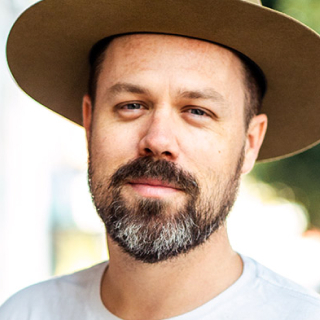
Max Baybak
All right, all right, we're back at it, and this time we're here in beautiful Vancouver, Canada, where we're bringing you Next Level Practices podcast episodes live from the floor of The Aesthetic Meeting 2024. This is the annual meeting of the Aesthetic Society, or the American Society for Aesthetic Plastic Surgery. It's a meeting we never miss. Over these next few days I'm going to be interviewing our clients and friends from around the industry to bring you up-to-the-minute insights on what's working and what's not when it comes to patient acquisition and practice growth.
Here at Influx we're very serious about keeping up with technological trends and studying how these changes impact the way that our clients grow their businesses, but I for one, I'm a big believer that truly setting yourself apart comes down to the nuances. So let's take some time over these next few days to interview people on the ground floor of aesthetic medicine and see what we can learn from them to help you take your practice to the next level.
[Music]
All right, we're back, and uh, I'm joined now by a friend of mine who I've made kind of just being at all of these conferences — has become a familiar face and sort of become friends with our crew at Influx. Uh, I've got Chunner Nyberg here with me, who's uh, with TouchMD and Nextech. Chunner, thanks for joining me.
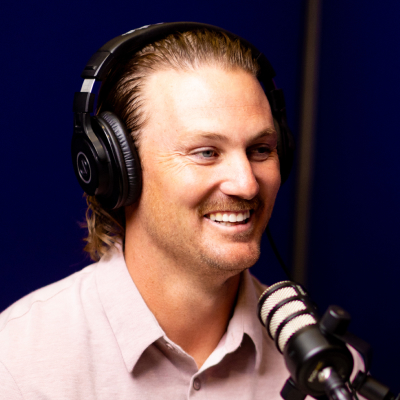
Chunner Nyberg
Yeah, thanks for having me, man. Super excited.
Max Baybak
Yeah, this is fun for me, cuz like I said, I feel like we've always had a booth not too far. We kind of started off just sort of like, up, kind of nodding at each other, and then over the years being like, yeah, I remember you, and then, you know, we become kind of industry buddies, I would call it. You know, you have these familiar faces at the show, but then during this podcast I get to know people more, uh, just even chatting with you a few minutes before we started.
Um, and last year, you know, last year uh, I sort of knew Tyler, but he got to sit down with me — your colleague Tyler Terry — we sat down for like 45 minutes, and I also learned a ton about TouchMD that I didn't really know. I really thought it was mostly photo-oriented, and I know that is like such a sort of focal point, but —
Chunner Nyberg
It's funny, cuz everyone we talk to, they'll hear like bits and pieces of what TouchMD offers, and I feel like everybody in the industry — not just the doctors and the providers and everyone involved — they hear one thing and they're kind of like, oh, that's what TouchMD is. And until you really like dive in and see what the full solution offers, you're like, oh, it does so much more than what we thought, you know. But photos is heavily what people perceive, and that is something we do amazing at, so yeah.
Max Baybak
Well, that was definitely the impact on me. I saw even more about the photo side, I saw ways that we could be integrating, working more together —
Chunner Nyberg
Mm-hmm.
Max Baybak
— uh, with Influx and TouchMD, and I saw a ton more that you guys are doing. But uh, and it's really good for me to do this, you know — we get to create some cool content, we get to talk with our friends, but also hopefully I can help our clients. Because our plastic surgery clients, uh, there's just kind of two EMR/EHRs they use, and I would say Nextech is the number one —
Chunner Nyberg
Absolutely.
Max Baybak
— of our plastic surgery clients, of which we have — we're not in every single state, but we have plastic surgeons all across the country.
Chunner Nyberg
Yeah.
Max Baybak
Um, so it's really relevant to us to have these conversations, and we might as well record it.
Chunner Nyberg
Yeah, and like I said, put it out there. Help everybody grow is the best way to be, so the more information you can get out there to the masses — that's why I love what you guys are doing. I've done a couple other podcasts with companies, and being able to share your message and your experience, that's what I love about giving back. You know, been with the company for 10 years, uh, with TouchMD — now almost two years since the acquisition with Nextech — but I love hearing from other company owners and hearing, you know, where trends are, what's going on in the industry, what's hot, what's not, you know, what's — what innovation is happening. Um, I love sharing my knowledge and learning more.
Max Baybak
100%. That's my goal every year, is to come back here to The Aesthetic Meeting uh, and get a pulse, you know, kind of tap into the pulse of what's happening —
Chunner Nyberg
Yeah.
Max Baybak
— from each person's unique viewpoint. So we think a lot about marketing all year, um, but there's all these marketing-adjacent sort of things — the software and the services that you guys provide are exactly that. But speaking of other podcasts, so I saw you did uh, my good friend John Wheeler's —
Chunner Nyberg
Yeah, yes sir.
Max Baybak
— great, and it's called — Great Friends, right? — podcast uh, with Tyler, at AmSpa, right? That looked fun.
Chunner Nyberg
That was — I love what they're doing with all the content they're creating. It's awesome. Yeah, John's awesome, man. He's like you guys — been friends forever. You rub shoulders, and it starts off like, oh, these guys look cool, their booth looks nice, it seems like they have a good vibe going on, and then, you know, after your first couple years it's like on a first-name basis, we're all dapping each other up. So it's been cool to see you guys grow as well, you know. As you grow within the industry, you see people who do a good job and things the right way, and you guys are definitely a company that does that.
Max Baybak
I appreciate that very much, man, I appreciate that. So okay, so let's get into that insight and that kind of up-to-the-minute sort of, uh, what you're seeing trends-wise in practices. So you're working with practices who are obviously interested in the product, in TouchMD — as you mentioned, Nextech, uh — TouchMD was acquired by Nextech almost two years ago, and I was asking you just before we started, so are you guys integrating? But you mentioned you've been integrated.
Chunner Nyberg
Yeah, we've been. It's really cool, uh, kind of full circle to see where we're at, cuz it's a funny story. Um, when I first started working with TouchMD 10 years ago, we were at a big trade — it might have even been ASAPS in San Diego, or I don't quite remember where — but we were talking to the old CEO of Nextech, and I remember he was in our booth talking to Carrie Smith, TouchMD CEO, Chris Orchard, Tyler Terry, Carson Smith — all of us at TouchMD. And we were over at their booth talking to him, and he said, you know what the problem is with your booth over there? And we're like, what? It looks busy, you know, there's a ton of doctors there talking to our reps and everything. And he was like, those are all our clients at your booth — none of them are at our booth. And we were like — that's when the integration happened.
It was like a total no-brainer: why are we not integrated and giving your clients and our clients the best experience possible by having everything synced and just giving everyone a good experience altogether? So that was kind of when that happened, and um, like I said, we've had that API integration for 10 years. We have it with a lot of the other EMRs out there, which is awesome as well, cuz it makes TouchMD a really plug-and-play system, um, for all these different practices, all these different types of specialties. It allows us to be fluid that way, where we can work with everybody and give them something to help them better their practice and better their patient experience.
Max Baybak
That's cool. Well, yeah, so it sounds like the marriage was kind of written in the stars from a long time ago with Nextech. But while that is — I think that's great — I'm a big fan of kind of the open philosophy of integration, and not the walled garden, and I think that's the future of this space and all spaces, even though it's a little harder to do where we have so much um, privacy in healthcare — uh, sensitive data that we have to deal with — so it's a little slower to happen.
Chunner Nyberg
Right.
Max Baybak
But I believe in it, and I believe that the — I say this all the time — I believe that the EHR of the future will have an app store, and there are already some that do. But I believe that they will have an app store that will feel maybe not quite as friction-free as the Apple App Store — that, you know, the iOS and general app stores that are across the different Apple platforms — but I think you'll have something similar, and Influx will be able to plug in, and you know, we'll have our own app in every EHR, and everyone will have their own apps in EHRs. So I like that you're — you're now not just part of the Nextech family, but you're still — those integrations with those other EHRs still exist, right?
Chunner Nyberg
Yeah, absolutely. Well, just like you said, we want to play nice in the sandbox. We don't want to handcuff anybody or stiff-arm anybody and tell anyone what to do, right? We just want to be an option for them to use, to better their patient experience and help their practice grow and help them do all the good things and reach all the goals that they're trying to reach, right?
Max Baybak
That's great. That's the right way to do it, and everyone can focus on what they're really good at. And speaking of focusing on what you're really good at — meaning, you know, the big — the big company, that maybe EHR that sort of wants to do it all — I think eventually they lose, because a small player comes along that just does one thing really well, and they would actually do better to just plug in and let them solve that problem for the practices. And the practices will speak — the practices will win. They will cast their vote by saying, well, we use this, and we need it to talk to this, and then those EHRs that maybe didn't plan to — didn't plan to open up and integrate — are like, their arm is sort of — their hand is sort of forced.
Chunner Nyberg
Oh, I couldn't agree more, and that's going to happen more and more. Mhm.
Max Baybak
And speaking of doing what you're really good at, you know, as I mentioned, when I sat down with Tyler — and I would encourage everyone to go back and listen to the episode we did with Tyler Terry last year, um, where he really walks me through, in detail, all the different parts of TouchMD, which is really cool. Um, and I want you to kind of maybe give us a little mini recap, and then people can go back and watch that whole thing. But you did so many things — this is what I learned — is that you guys did so many things that logically could happen inside a Nextech, but you guys were just solving really specific problems.
Chunner Nyberg
Yeah.
Max Baybak
I wouldn't call them features of Nextech, but I also wouldn't have thought of them all as their own platform, yeah, and you would think of them as something that a big platform, a big EHR, would build. So it made sense for them to acquire you, and that's an example of somebody else solving really specific problems and doing a really good job of it, and uh, creating a whole ecosystem that way. So will you tell us a little about what problems you solve?
Chunner Nyberg
Yeah, absolutely. So the innovation of TouchMD, from when I started to where we're at today, present day, has been so cool, because we started as a photo solution, right? And we wanted to be in everyone's practice to take photos — and not just — it's the best of both worlds with TouchMD. It's not just taking consistent and standardized, amazing photos; it's being able to take those and store them, right, but then being able to put them on different platforms — put them on your custom mobile app, put them on your social media. And not just put them on there — create, like, cool um, very visual, visually educating photos, like your before-and-afters, your collages, your unveiling tool, where it kind of, you know, unveils the results or the transformation, if you will, from before they had the surgery to after, right?
And so being able to showcase that to the masses, to attract uh, patients who maybe have been to your practice but they haven't had a facelift, or they haven't had a breast aug — maybe they've only had Botox and filler and CoolSculpting — but now they see how good of a job you do. And maybe they have a friend or someone in their family that has seen you guys or had a certain service done. Now you're being able to attract that audience to get more procedures done with your current database of patients, but also attract people through social media that have never been to your practice, right?
And so we started there, we grew that piece, and along the way we had thousands and thousands of clients that are saying, hey, you know, we have issues with this, with the patient journey before they come in; we have a little bit of an issue or a disconnect by the time they get in there. And so what we've become, essentially, is that full — at home, in the office, and then after the consultation — that full patient experience and that patient journey. We truly are a solution that gives them that best experience in all three spots, right?
So TouchMD — if I call in and I schedule, hey, I want a rhinoplasty consult for next Tuesday — at the click of your fingertips you can send an educational binder right to the patient through the mobile app or the web browser link, and they can pull that up, and it will prompt them instantly to go look at that content. Um, there's educational videos, testimonials, before-and-afters. Um, practices love to add their own video in there and say, hey, this is what we're doing, this is what separates us from the pack, this is what differentiates us. And the patient can view all that before they even come in, with the spouse or other decision-makers.
And then TouchMD, the consult portion, that lives on the iPad, that allows me to pull up uh, any content to run a consult while the patient's there, and it's a visual aid to show and to really get the point across and educate patients on their options, um, the game plan you guys come up with. And then all of that is stored not just on TouchMD but instantly shoots into the practice's EMR as well, under the specific patient that they're having this consult with. And then, at the click of the patient's fingertips on the mobile app — or, again, the web browser version — now they can go home with their consents, with all the education, and they can share that with decision-makers. So um, you know, the price tag is not a scare, uh, you're not getting a million phone calls. They can just click on there and see exactly what the provider went over with them, exactly what their options are, kind of what you guys came to a conclusion of — hey, this is what's going to suit my lifestyle best, and this is what the, you know, the implant size I want — whatever it is.
Max Baybak
So they have the whole consult sort of recapped and accessible to them at any point.
Chunner Nyberg
Yeah.
Max Baybak
That's really cool.
Chunner Nyberg
Which is great, cuz now they're not having to retain all that information, right? Uh, I don't remember the exact percent, but they say you remember, like, 8% —
Max Baybak
Or — I have a family member who just did a consult, was considering plastic surgery for a long time, finally decided to do it, and now that you're saying it, I remember that there were details that they were kind of like, you know, I got to call them back and ask them. Because it's an overwhelming moment, because they start asking, like, well, what did they say about this, what did they say about that, and you're like, I don't quite remember, you know, I think they said this.
Chunner Nyberg
And it's just a great way to have everything there, have all the questions answered. And then, if they want to go through with it, they say, hey, we're ready — you send them a consent, they can sign it from home or right when they get into the practice. It's a great solution for end-to-end, um, that full patient journey.
Max Baybak
So from a marketing, kind of positioning standpoint for what TouchMD does — like, I'm starting to see it differently the more I talk to you guys about it. Everything we do is to get a lead, right? And we do have, in some cases, a little bit of a consultative relationship with our clients as it relates to bringing that lead to an actual appointment, right, um, for a consult, or for treatment if it's non-surgical — in some cases they can actually book that right away. That little piece — we have different relationships with our different clients on how they do that, because some of them do a really good job of that, some of them need a little help with that, and we want to see it get over the finish line. So there's a little weird gap in between — but we get a lead, and then there's a little gap to get them to consult. From consult onward to treatment, it's basically all TouchMD.
Chunner Nyberg
Yeah.
Max Baybak
You could think of it that way — and I know there's other pieces that extend past — but if I think of it in the linear sort of continuum of the patient journey: how to keep that progressive patient interested, informed, to having the procedure done.
Chunner Nyberg
Yeah, you're spot on. Yeah.
Max Baybak
Cuz we start by contacting them for the first time on the interwebs, and then the practice, through using the tools that you provide, can kind of really make sure they stay in that pipeline. They have all the information at their fingertips that they need along the way — and, importantly, photos to help them make the decision to go with you, right? Even at that first touch point, actually, you're there.
Chunner Nyberg
Yeah.
Max Baybak
And then, yeah — so it's really interesting to think about it that way, and it's interesting that it started with photos, but it makes sense that that went into consultations. Tyler was describing to me —
Chunner Nyberg
The industry just led us there, too, which was cool, cuz it's like, um — and especially when we were a small company — it was just like so easy to hear from a client, hey, this would make my experience so much better, and it's like, hey, let's do this.
Max Baybak
Cool. That's the best way to build a product.
Chunner Nyberg
Yeah, it was awesome.
Max Baybak
Cool. Tyler was explaining to me, like, you know, there's a whole iPad — you know, you can set up iPads in all of your consult rooms and treatment rooms and go through really in-depth consultation. It's like a tool for sales, really, right? A sales —
Chunner Nyberg
For sure, a sales aid. A lot of practices — some have that down really bad, some of them maybe are a little more loosey-goosey — so giving your team, and maybe even just yourself as the doctor, some guide rails, and also making consultations formulaic and standard — not to say you don't personalize it to the patient, but to really have a track that you take them on — I think is a huge part of getting that consistent conversion rate. And you know what I tell practices all the time that we meet with — like, most patients, when they go get a surgery done, they're talking to handfuls of practices, right?
Max Baybak
Yes.
Chunner Nyberg
And so the experience that the patient has with your practice, uh, to me — along with the education, along with you being a great surgeon, along with all the stuff involved — that experience that it leaves them with, just by adding TouchMD alone, it's going to have so many more patients choosing you, because it truly does differentiate you. You know, if you go to a practice where they're drawing on paper, or, you know, they're just like showing, you know, pictures on a Polaroid, or, like, on a screen share that's just like a PowerPoint — you know, it's not that those things aren't great and you can't get the message across. But when they have the TouchMD experience, where it's on an iPad, it's right there, we take your photos instantly, it walks you through a full photo session — our app, you pull it up, it's — we say it's dummy-proof, for lack of a better term, but it literally has the outlines of the face, the body, the breast, shows you the perfect distancing, and it walks your staff through that photo session — not just how to position it, the distance — and then you take it, and it uploads instantly. And that whole experience that it leaves the patient — it just differentiates you guys, you know. It gives them that experience where it's like, why would I go to a different practice? I mean, I joke about it, but I always tell people: you're either practicing with it or against it, you know?
Max Baybak
So that's really interesting. Yeah — meaning you're practicing with or against the sys— TouchMD, the system, you know — cuz you can take great photos, you can uh, jimmy —
Chunner Nyberg
Oh — with it or against it: you either have the product, or your competitor does, or someone down the street has it, and if they see the guy with TouchMD or the girl with TouchMD —
Max Baybak
I was being a dummy — it wasn't dummy-proof. Um, no, I'm just kidding. But you went right where I was about to go, which was — what I noticed as a trend in the industry: we're seeing more and more — more so in non-surgical — the competition is ramping up. But even in surgical — obviously there are fewer surgeons, so the supply of great quality results is uh, less, and it's not growing at quite the same rate as non-surgical — but it's getting more and more competitive. More and more people coming to the market — uh, consumers coming to the market — and price shopping.
Chunner Nyberg
Yeah.
Max Baybak
Um, and looking — you know, going to this surgeon, getting a price; going to that surgeon, getting a price. So where you can compete — obviously it's still on your results, which you showcase in your photos, but you can also compete — and what I'm seeing, everyone is really trying to offer the best experience, and it's hard to do.
Chunner Nyberg
No, it is. It's just — from every touch point — again, going back to that word "touch," you know — just creating a really good patient experience, and having the whole experience be just tight, dialed — dialed in and consistent — and let the flow keep flowing, you know? Don't find those spots where it's that pause or that disconnect, right?
Max Baybak
100%. And it kind of fills that void, right? Yeah — uh, well, it sounds like it, and I'm understanding that more, because, again, I knew it as the photos. But still — and it's cool that that all was born out of the photo creation to begin with — but that's still kind of a big piece of it, right? So taking consistent photos and then distributing to all the places that you could need them —
Chunner Nyberg
Right, right.
Max Baybak
— and there's software for that. And, as I understand it, you guys do have some people you can set a practice up with, if they need to, some setup — some help on the setup of the hardware side of it, right?
Chunner Nyberg
Right. Okay, yeah — which is another thing we get asked about all the time.
Max Baybak
And we as marketers love it when practices really understand and are committed to consistent, high-quality before-and-after photos, because it makes all the difference in their conversion. Yeah, so that's huge, and anything that a practice can be doing to do better there is, like, absolutely vital. Your conversion rate goes up in marketing, and your spend — your cost per acquisition — just goes down if you can convert more people. Significantly.
Chunner Nyberg
I always get asked about — and you mentioned earlier, like, the trends in the photos — we get asked a lot at TouchMD, because we started with the photos, the biggest trends. And me and Tyler, we jam on it all the time, because Tyler kind of runs that med spa side, but the photos essentially are the same, right? Plastic surgeons are looking for the same thing that med spas are looking for. And kind of where I see that industry going, and the things that we run into all the time that make TouchMD a no-brainer — the trends I see is: they want it quick, they want it simple, they want it efficient, but they also want it to be accessible on multiple uh, pieces of hardware, right?
And that's what's always been cool about TouchMD, is if you have your traditional plastic surgeon that has a Canon camera, right — they have the $2,500, they have the $1,000, whatever nice camera setup they have — with TouchMD it's cool, cuz it truly is plug-and-play. They don't have to use this, they don't have to use that. They can use their Canon camera with our Canon Connect feature, is what we call it, and it allows you to use TouchMD's full photo solution with your Canon camera, with your DSLR, and it instantly uploads those photos that you take right into the patient gallery on TouchMD, and it — boom — instantly shoots into the EMR, under your patient photos, as well.
You can use it — and what's crazy is the pixel quality on the new iPhones, the iPads, and all the hardware out there that's Apple product — it's so good now. Where, I mean, honestly, the trend I see — probably 90% of the practices I sell TouchMD to, which is — every month we have a ton of uh, new clients that sign on, um — even in dermatology, plastic surgery, everything that you would think they only want to use the DSLR camera — majority of them are using iPads, iPhones, you know. And it's not just because the picture quality is getting so much better; it's because it's quick, and there's not that, hey, we got to book 30 minutes for a photo session, right? We got to take the photos with the camera, we got to unplug the SD card and plug them in the computer and download them.
With TouchMD now, the experience is: hey, if you want to use a camera, great — it's still that 30-, 45-second process where you snap the photos, they upload into TouchMD, and you have them there forever. You have them in TouchMD's cloud, in the EMR. There's no more of that headache and that hassle. That doesn't sound like a big deal, but you talk to these staff members that have been with the practice for 10 years, and they've been doing stuff the same way, and they're like, oh my gosh — they see just that one piece and they realize, oh, we're going to save 10 minutes, 15 minutes every consult; this is going to save me 5, 6 hours a day of work that I have to do. I mean, that alone — it's worth every penny when the practice actually dives in and sees how it can plug in and help all these pain points — some of them huge, some of them small, like we're talking about now. But it makes all the world a difference for the patient experience, for the practice experience, and keeps everything flowing, just like we were talking about earlier. It keeps that path on a pr— on a progressive journey, right?
Max Baybak
I couldn't agree with you more that it makes a difference, and sometimes it's not just a difference in saving time — it's a difference between it getting done at all. You know, when we create content — and this is just like the side hustle from running, you know, the day-to-day business — everything I have to do where I have to take a card out of this and connect — the steps that I can take out in between — I've had episodes we record and then they get stale, dated, cuz I just didn't have time, you know. And more and more things are going straight into the cloud right afterward in content-creation land. So if we can do this — before-and-after photos — then it can actually get done. Instead of — I mean, we had clients who used to have on-premises servers where all their photos went, and then we had to get them off that to the website, and it was the biggest difference-maker in them getting more patients: being able to show their work.
It's such a — and so it's pivotal — it's absolutely essential. So all that stuff is crucial work, and I love it. What are you seeing in terms of — and the DSLR — I love that people can use iPad and iPhone, and it's getting consistent, good, and the technology is getting crazy — what it can do in terms of recognition and contrast and lighting and all these things. But I also think the option is cool for someone who wants that DSLR quality to still be able to just plug in directly. That's really cool.
Chunner Nyberg
We want to give the practice something for everyone, you know. That's kind of a slogan we've taken on over the last year or two: we want to be something for everyone. You know, just like you said, every practice might have a little uh, different tick, or a little different thing that they are used to or that they keep consistent, but we want to be that solution that could come in and solve at least some of those pain points, if not all of them. We want to be something for everyone.
Max Baybak
I love that. I see something interesting — I'm curious to get your take on this. There's two different trends that I think are converging here. One is what we just talked about: technology is making things easier — it's making it still work, but it's making it possible for practices to do a much better job of consistently updating their galleries with new images. And some practices do that really well, some still don't do it very well at all, but some of them are adding stuff every week, at least every month. Um, so we see that.
And then, on the other side, we're seeing a huge democratization of our patient population — so many more people of different backgrounds, ages, um, ethnicities coming into aesthetics. And they want to see people that represent them in those galleries. I know I would. If I see something that doesn't look like me, isn't the same gender as me, uh, isn't the same age, isn't the exa— it doesn't tell me much. It tells me something, but not enough. And as we get more competitive, people are now looking more for the person that can handle — address — their specific issue and is a specialist in exactly what they want, and they're expecting, or hoping — uh, or at least they are more likely to convert — if they see something that represents them.
And so we have this convergence of these two trends. As I mentioned, technology is going to make that easier, I think, because I think there was a time when people said, you know, I'll just have 10 or 20 of each procedure that I do in each gallery. That theoretically would be enough if we were all identical — yes — but it's not enough. And so now, I think, you just got to add all the time in order to have all the options that you could ever need to represent — you get where I'm going.
Chunner Nyberg
No, for sure. You got to keep up with it. You got to have your before-and-afters updated consistently, because that's what everyone's doing, and if you're not doing those things, you're kind of falling behind. And it's just like you said — it's not that you're not going to have patients still go through with the surgery with you if you're not able to show them something that, you know, as a male — similar size, had a similar case, or something — they were going — your goals were similar, right? Um, being able to have that instantly on a screen, to show — and to show exactly what you did to achieve that result and give them a game plan — um, that makes all the difference, right?
Max Baybak
100%. Are you seeing — are — well, let me ask you this. I'm assuming — and I've never actually used this part of the TouchMD interface — but with the photo-taking, as soon as you take it, I imagine you can do tagging — all of that stuff that we just talked about, right, to make it —
Chunner Nyberg
You can title, you can tag — which is great, cuz when you have 20,000 photos in your system and you're, like, trying to find, hey, how did we do this tummy tuck, and who was it, I can't remember what date it was — you don't have to go search through a file of 10,000 random photos. You can search the tags that we had in, you know — tummy tuck before-and-afters. You can even put the date range; it'll compile them all in there, and you can find specific photos very quick and efficiently. So that's another thing with TouchMD's photos, just to piggyback on — it's very organized, right? It's very, very organized, so at a later date you can create those collages, you can share those before-and-afters.
And I feel like the conversation's moving a little bit — and I get asked this a lot, too — is, like, the AI aspect, right? Like, patients want to see what they're going to look like — what are my thoughts on all that? And what I always say is — I feel like, personally, and I know a lot of people agree, a lot of people disagree — but a lot of our clients, and literally thousands of them, they stay away from the morphing. They stay away from the, hey, let's generate a photo of what they would look like with this implant size, or what they'd look like with their nose done this way. And the reason — I think the best way to do a consult, and from colleagues and different people throughout the industry — to be able, like we were discussing, to show someone similar and to go through a game plan, not to change their body on a morphed system or to give them an idea in their head. Because, as cool as that might sound to a patient — they're like, man, that looks awesome, right — what we find, and the feedback I've gotten — and, again, this is from hundreds of plastic surgeons — when they go do an amazing surgery that has an amazing result, if the patient had an idea of what that looked like, even if it was just slightly different, right — you may do the best job you could have ever done with that patient, and it leaves a sour taste in their mouth. Like, oh, it wasn't quite what I saw in that morphed image, right?
So I am a big advocate to stay away from that, um — to do a consult and just to keep it — keep your patient — um, just keep it — I don't want to use the word "realistic," but you know what I mean. Let them have a good vision of what you're going to do for them, um, but showing them that morphed image — I just am not a huge fan of. Um, and that's a big thing going on right now — like, what do you think of that? I think the traditional way of showing work you've done in the past, to similar uh, sized, similar um, goals that you have — finding a patient with those similar goals and showing those results — uh, it's just going to keep you in that happiness, and keep that happy patient, and keep them excited, and doesn't have that detrimental opportunity, right?
Max Baybak
Right. It doesn't open up the door to a potential misalignment of expectations. We've seen it with the morphing things that have been around for a long time — that it can create an expectation. And "realistic" is the right word, only because — not to say that those results are unrealistic — but the most realistic thing you can show them is just your actual results. And if you just have a broader spectrum of results to show, so that they can find things that really represent — you know, we talked about broad demographics — how about the exact hump that they have on their — looks really similar, and look how you addressed that exact thing. So I agree with you: if you can show them real work, it'll align to real expectations.
Chunner Nyberg
Well, real work's the best, because I even hear it, like — uh, a lot of surgeons tell me, you know, these young women or these young men — like, just for example, uh, these young women come in with a picture of some famous model, and they're like, I want my nose to look like this. And it's like, I can tell you what they probably did to get their nose, but I can't put her nose on you, right? I can do a surgery on you to make you look your best way and to give you, you know, the result that you're looking for. But — and that's what I think the morphing does — is it places an image in their head of, this is what I'm going to look like, right? And it just leads to a — you don't want to set expectations wrong, you know. You could do the perfect surgery on someone with the wrong expectations, and it might be the best surgery they could have ever had, you know, but then it leads to this unhappy patient. So I try, when I'm explaining TouchMD and why our photo solution is the best and why they should go with us and do the patient experience in the office the way we do it — is to avoid those conflicts, right?
Max Baybak
So that's really interesting. And, again, yeah, I did say right before we started taping that I wanted to pick your brain on kind of what are the trends you're seeing now, and that's definitely a trend. We've had the face or body morphing um, software, to help a person sort of visualize results, for a long time, but now it's getting AI injected into it in a major way. Could that make it better than it was before, in terms of making sure that it creates a realist— a more realistic expectation, or a closer-to-the-potential, the likely outcome, expectation? Yes, it could. And while I think AI is powerful and we should embrace it for a lot of things, I would tend to — I'm not a surgeon, but I would tend to subscribe to your way of thinking, in that you should not lean too much into that. We'll see if that changes — maybe AI gets so scary good, right, that it — and the surgeons — and it gives the surgeon an exact, you know — spits out some parameters that helps the surgeon to make sure they nail exactly what the patient saw, right? I don't know. But where I see potential use for AI in what we're talking about is tagging your back catalog of photos, and that's — that's real. I think that will happen.
Chunner Nyberg
Um, we've kind of been experimenting and playing around with some ways of doing that. So if I do want to have — even just starting off with an age range — and it would be able to do this — if I just said, you know, put people from 30 to 35 in a bucket — you know, just do five-year increments — I think it would do it. It's scary enough that it can do that. Certainly uh, skin color, certainly uh, you know, gender — certain things that it could do a pretty good job of, and then maybe have to do a little bit of correction.
Being able to backlog and show history, man — I mean, I just look at my TouchMD sales presentation. You know, I have photos from 9 years ago, where I by no means was in terrible shape, but, I mean, I look now — as I've gotten older, I'm 33 now instead of 23, when I started — and a lot of times, when I'm looking at those photos, I'm like, man, I'm in better shape right now than I was back then, you know. And just even seeing those — when I show, hey, we do have this progression piece, you can add these photos in there and show that progression over the last years — even seeing my own, I'm like, man, that's powerful, you know. And I haven't even had any surgery.
But, you know, just if I look at that in a practice's uh, perspective, where they can say, hey, we started you — the first time you walked in our door was 5 years ago, right? You had a facelift, you had — we did your crow's feet, you know, we did some things to help you. As a patient, you're five years older, but you look five years younger, right? And that whole experience — and when you get a patient to that point, it's seriously, like — it's crazy to see the type of impact that you have on that patient's life, right? They love you forever at that point, cuz it's like, oh my gosh, you know?
Max Baybak
No question. And with the TouchMD app, they can kind of have all that history right there in their —
Chunner Nyberg
You have all that history, and what our clients love to do is, when we see that and you have that moment — capture a testimonial. And you can do that instantly with your iPad that you're running the consult with — that's a huge — right? So — and then you're sharing that testimonial through — with all your patients, through the mobile app, through the website — through, you know, hey, check out this patient we have, we just saw them for the 10th time over the 10 years, this is their progression, listen to their story, right?
Max Baybak
It's a great example of how TouchMD comes full circle and is much more than just the photos. I could pick your brain on that for a while, but uh, but I know you probably got to get back to your booth, so I'll leave you with this — two more quick things, okay? I was just talking with my colleague, CEO, partner, Adam Daniells — we just recorded a little bit, episode, talking about the future of marketing — and we were talking about — I believe reviews will be huge, uh, as AI helps us discover businesses, right? More so than the way we have, where it was just uh, Google, without AI necessarily powering it, to find businesses. I think the data that AI absorbs, or takes in, or learns — uh, is ingested into the AI — it uh, is going to guide that heavily, and, in the case of service businesses, reviews will be the key piece of data, right?
Um, and they have to be valid reviews — you have to know that the person went to that business. But it's been historically a little bit challenging in plastic surgery. Like, dentistry — you see that, you just get a text as soon as you walk out, you write a review. You're mostly primed — unless you're right in the middle of some sort of painful procedure, you're mostly primed to write a good review. Um, in surgery, the timing is everything. You cannot put it out — you can't ask — you can't try to ask for that review, or put that interface in front of them that prompts them to write a review, in certain parts of the post-op process. You want to wait till the right moment. So just even having that app, where you're now connected to that patient, they can reference their photos — you can then ask them for the review at the right time, right? Uh, pretty cool.
Chunner Nyberg
Pull it up right there and say, hey, do you mind leaving us a review? Do you mind, you know, giving us a testimonial? And 99% of the time, when they're pumped and they're in that moment — you know, whatever part of that uh, journey they're in — it does make it a simple, easy way to present that.
Max Baybak
I think that's really, really strong for the future, and I don't know — I could be wrong — but I would message this to our clients, and to yours, that, like, reviews have always mattered, and there was a time, uh, a little while back, where they became, like, absolutely everything, and every company was like, I got a review widget for you to use. It was definitely hot there — hot, hot, for a minute. I think it's going to — still is, but still is — but it's just sort of leveled out. I think it's going to become hot again in a whole another way because of what I just described. Um, so that could be a whole — I mean, just a litany of reasons to kind of look at TouchMD.
Uh, before I let you go — you were telling me something, that you have uh — I don't know if it's your side hustle — outside of TouchMD, as a baseball coach. Is that right?
Chunner Nyberg
Yeah, I coach baseball in St. George, Utah. Yeah, I'm our head assistant there — been doing that for 10 years as well.
Max Baybak
So at what — at what level? Varsity, high school?
Chunner Nyberg
Yep — a varsity baseball team, called Dixie High School — shout out to them. We're ranked number one in the state right now. We got the state tournament — starts when I get home from this show, so —
Max Baybak
Oh, wow.
Chunner Nyberg
The troops are ready, the hay's in the barn — we're ready to play.
Max Baybak
So that sounds fun, man. I think it's important — all this stuff that we do is a lot of fun — I'm a workaholic, I'm passionate about it — but it's cool to have uh, yeah, kind of, you know, those side-hustle things that are a passion.
Chunner Nyberg
You got to do stuff you love, man. I mean, I played baseball my entire life. I did football and wrestling. I um — little background on me — I actually was drafted with the Angels um, out of high school. Yeah, I was a pitcher, shortstop — really good hitter. Uh, I blame Mike Trout uh, for taking all the money. Um, he was the Angels' first uh, round pick in 2009, the year I was drafted, and so, ultimately, they came back and said, hey, our first pick signed for a lot more than he was slotted to sign for, and so I didn't have any money left. So thanks, Trout. They obviously knew something — he's a pretty good player.
But — so I love baseball. I played at Brigham Young University for 5 years — I had a surgery, so I was there 5 years — and then the Cubs and Brewers wanted me to come play afterward, and I didn't end up going and playing. I got married — my wife played college soccer at a school right there, close to, uh, Utah Valley. Um, so I quit playing and started coaching and moved home, and I've been working with TouchMD ever since.
Max Baybak
So — I had no idea. This is what I love — I get to learn more about —
Chunner Nyberg
Being able to coach still — my youngest brother, he just got done playing football at Brigham Young University, and he was playing baseball his first year up there — he was kind of doing both, but ended up just in the football route. Um, he was in high school, as a sophomore, I believe, when I started coaching, and so that was kind of why I got in, and I was super invested right away. Cuz I'm like, man, my younger — my youngest brother — after him, I don't get to really be around it till my kids get old enough and whatnot. Um, so, yeah — got involved and doing that ever since, and it keeps you tied to it, you know. It's like — it's that disconnect, where you're doing something where you feel like you're really making an impact and giving back in a valuable way, other than just, you know, making money and providing for your family.
Max Baybak
So that's so cool, man. I love — I love uh, I love learning these things uh, about my friends here at the show that I only know as, aesthetic, kind of, you know — in the industry. So that's really cool. Well, thank you so much for spending some time with us. I'll let you get back to things — I'm sure you got people to see and clients to talk to and so forth — but really appreciate you sharing, and uh, and I think a lot of people will find these insights really valuable. You guys all should go — where should they go, if they want to learn more about TouchMD?
Chunner Nyberg
Um, if you guys want to look up more about TouchMD, um, go to our website. Go to — we have a podcast with Nextech — Tyler Terry actually runs it — it's amazing. Um, really, just look for us — I mean, we're kind of everywhere, so if you want to find us, you can find us. Um, we've got different videos that showcase all the value that we offer — everything we talked about — and little mini demos.
Um, but before I jump off, too — thank you, guys, at Influx. I mean, like — like we talked about early on, you guys are all homies. Um, great company. These are real people — anyone that's out there that's heard of Influx, or that has talked to you guys, or looking into services you guys provide — these are real people, they're awesome, these are real relationships. It's not — it's not just a working relationship, and a lot of those companies and people are the best to work with, and that's how we've always been at TouchMD — and now Nextech, these guys are similar. So we appreciate it, and thanks for having me on here, man.
Max Baybak
You flatter us. No, I appreciate that — thank you much. We uh, we do pride ourselves on trying to create real relationships, and so I'm glad it's coming through.
Chunner Nyberg
Yeah, it's what it's all about, so — I couldn't agree more.
Max Baybak
Thanks so much for your time today, and thanks for the kind words, Chunner.
Chunner Nyberg
Yeah, thank you.
Max Baybak
Okay, take care.
Subscribe to Next Level Practices
Next Level Practices is the show where we discuss the ever-changing world of digital marketing and patient acquisition and bring you the latest ideas, strategies, and tactics to help you take your practice to the next level.