

Making Email Marketing Work for Plastic Surgeons & Medspas
w/ Drew Leahy of PatientNectar
49 minute view/listen


May, 2021
Available everywhere you podcast



Max talks with Drew Leahy of PatientNectar about the reemerging importance of email and how aesthetic practices can effectively utilize this channel to reach prospective patients their competitors aren't in front of.
They also discuss the changing landscape of digital patient acquisition and a specific email strategy that practices can implement to decrease dependency on paid media and time-consuming social media. PatientNectar is a first-of-its-kind content studio for aesthetic practices. Their goal is to help practices stay in the conversation by publishing high-quality content at scale without scaling their costs or time investment — starting with their first product: Email Serials.
Full Transcript

Max Baybak
Hey everyone, Max from Influx here. Before we dive into this next episode, I wanted to give you just a little bit of background. You know, the original inspiration for this podcast came from the fact that we as a marketing agency spend so much of our time every week, and really every day, keeping up with changes and trends within the world of digital marketing. And separately, we're always on the lookout for new marketing ideas and tools and products that we can leverage to give both ourselves and our clients an advantage in the marketplace. So we thought, why don't we package this up into a podcast so that we can help our clients stay ahead of the curve and take their practices to the next level? That's the name—Next Level Practices.
Now, this next guest that I'm about to interview, and the product that he's working on, for me are a perfect embodiment of that goal. You're going to hear me interview a fellow by the name of Drew Leahy from a company called PatientNectar. Now, Drew has been in and around marketing for aesthetic practices for just about a decade, but I'm particularly fascinated with what he's working on now, and I firmly believe that the philosophy with which he's approaching it is what the next era of digital marketing and patient acquisition is going to be all about. On the surface, it might not look like anything really new, and in fact I would characterize it as sort of a unique twist on one of the oldest forms of digital marketing that's out there. Now, I'm actually encouraging all our clients that they look at it and see if it might be a fit for their marketing strategy.
The truth of the matter is, like I said, we're always looking for new ideas, and I selfishly want everyone to know about this, because I think all of our clients should know about it, because I think it will give us an advantage in helping them with their marketing. Now, we're launching sort of a soft partnership with PatientNectar—and I say soft partnership because there is no official affiliation. We're not taking any commission, there's no kickback. I really don't believe in doing that, and I always say no to those kind of offers when it's purely monetary, when the incentives are purely monetary. My incentive is to help our clients get ahead, and when there's something that I truly believe stands a chance to give them a unique advantage, then I want to introduce them to that, and maybe form a partnership whereby I can bring them some sort of an exclusive offer or something like that. And that's what we're doing here with PatientNectar.
So I really encourage you to check it out. It may not be for everyone—it's a very unique strategy—but regardless of what you think about it, I'm certain that you'll get some really nice takeaways from this episode. So I hope you enjoy it, and as always, thank you so much for listening to the show.
Hey guys, welcome back to the podcast. So I'm super excited about today's guest. I have with me here Mr. Drew Leahy from PatientNectar, and I asked Drew to come on because I want him to tell us a little bit about what he's working on. I think it's pretty exciting, pretty cool, it's unique. And on the show, my goal is to have guests on and to talk about topics that will help us to help practices to elevate their marketing, and to kind of keep our finger on the pulse of what's happening in the industry and where things are going. And I think this company and this product that Drew's been working on for a while now, and he's kind of about to bring out to market, is really interesting. And so I wanted to get into it with him today, so I asked him to come on the show. So thank you so much for joining us today, Drew.
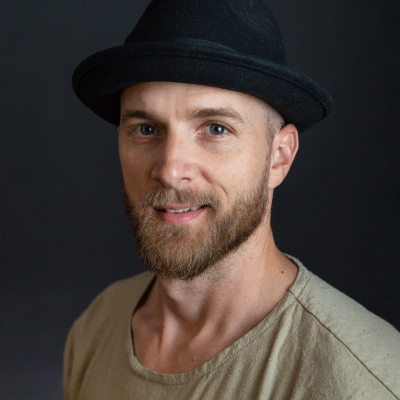
Drew Leahy
Yeah, thanks for having me. Happy to be here.
Max Baybak
Absolutely. So we've gotten to know each other here and there around the industry, being in aesthetic medicine, being in digital marketing, and I think the few times that we've chatted up until now, I've always felt like we're very like-minded—both kind of just like to geek out on what's next in digital marketing, or how to just kind of take a little bit of a different approach, do something a little bit different. But then when you came to me with this concept and you told me what you were doing with PatientNectar, I immediately got it. And I think I remember you told me, like, marketers could kind of tend to get it, but you're kind of packaging it up to sell it to the world. And right, I want to talk about it on the show so more people can know about it, but also because I really believe in the philosophy behind it.
So I kind of want you to tell me—I want to kind of pick your brain on how you got there. Because I think digital marketing is changing all the time these days, really rapidly these days, and people are going to need to stay fluid and not get stuck in ruts of what was working yesterday. And it's subtle, the nuances of what might work tomorrow, but I think you're really on to something with where your thoughts are here. So I want to talk about it. But first, just generally speaking—PatientNectar. The way you have it sort of framed on your website, what you've told me about it, is it's not a marketing agency that's creating websites or doing SEO or running your ads or doing your social media or any of those things. You're calling it a content studio, right? So is that right?
Drew Leahy
Yeah, yeah.
Max Baybak
So yeah, will you kind of just tell us a little bit about what you mean by a content studio, and kind of your whole idea for the model of PatientNectar?
Drew Leahy
So, as opposed to—a little background. So I started in the agency world. I was in the agency world for years. I've been on every part of the medical side of marketing, whether it was in the practice, consulting, in the agency. And forever—I've always been a content guy, trying to build audiences, grow communities. But you know, forever I try to find the best solution to help these practices who don't have a ton of money to really, you know, break through those thresholds that are required on the different channels—like the media thresholds. Like, if you can't produce enough media for certain channels, then you can't really play.
So the idea came to be, like, look, there's plenty of players in this industry, like Influx, who are great with service marketing and have great infrastructure to do that, but there's critical gaps in, you know, marketing—creative gaps that agencies aren't necessarily built to fulfill, because it's maybe not scalable or profitable. So the content studio is really—it's a different business model. And like I said, for the last eight years I've tried to figure out the best way to make content more scalable and sustainable so it works for marketing. And I tried every different way, and to me it was like, okay, it needed a different business model, and that's the content studio.
So as a content studio, what we do is we just produce the media, right? We're not selling SEO, we're not selling content marketing, we're not selling email marketing, we're not selling websites. But we're going to give you the supplemental content to make sure that all those different channels work for you and that they're sustainable. The real goal with the business model shift is what we're able to do is that we're able to actually dramatically drop the cost of producing this high quality content at scale, with speed. Because typically, you know, this content marketing thing is kind of—it's been sold, but it's kind of really been hard to deliver on, because it needs volume, it needs speed, it needs scale, it needs quality, and it's really expensive. So we're trying to make that a reality with the business model by dropping the cost of all that media, but also being able to invest a ton of money in creating that media, because what we do is we sell the media to more than one person. So the way it works is—
Max Baybak
If you take an example of the kind of the first product—because I'll tell you, when I first heard content studio, as a person who's been working deeply in SEO for many years, my first concept—and anyone hearing this might think—when you're doing content studio, you're going to create that content once and have more than one person use it. From an SEO perspective, it's immediately like, uh, that doesn't work, right? Because they're duplicative, you know, content. So when you then kind of unpack for me the actual idea of their first product, I think that's a perfect example that illustrates the innovative model that you have. So the first product that you're coming to market with is called Serials, right?
Drew Leahy
Exactly.
Max Baybak
So, a little bit about that.
Drew Leahy
Yeah, let's do that. So Serials is a perfect example to describe what the content studio does, and exclusivity and how it works. So first and foremost, you mentioned about SEO and there being a problem with duplicate content for selling blogs to the same people. So there are certain things that are off the table. We're not going to be creating content for everything. We're not just trying to give you bundles of media to help you scale anything. We're really trying to be strategic about giving you content to scale things that you currently can't do.
So Serials, for example—Serials are the first products that we're launching with, and they're email publications. So the publications are targeted towards very specific types of patients. They're written by real experts, real thought leaders in this space. We're talking like people like registered dietitians, estheticians, nurses, aesthetic nurses, skin care chemists. So we're working with real experts to produce these targeted publications. Now, what we do with these publications—oh, and by the way, these Serials, what they're designed to do is to help you grow your own audience. So whereas a newsletter would help you attract existing patients and then kind of push out offers and specials to people who already know you, the Serial is really more like a blog that lives exclusively behind email, so that you can attract new people and future patients to your practice, and marketing to that way.
So this is how exclusivity works. So if you buy one of these first products, then you'll buy a Serial, you'll get strict market exclusivity in your region. So it's not just your city, because we know most of these practices market to more than one city in their region. So you'll get to choose five different cities within 20 miles of your practice, and you'll have exclusive rights to use that Serial in that region—to promote it and use it and grow your audience in that region. No one else will have access to that.
And going back to that whole issue about SEO and duplicate content—we're not going to be writing blog posts, we're not going to be selling blog posts, because of that issue. But because email lives exclusively within email, there's no ranking to it. You can control the channel, and you have to subscribe to get the content. Well, then we actually can sell that content more than once. And because we can do that, we can go out and find really good writers, really good experts, spend a lot of money producing the content, and at the same time drop the cost to the practice, because we're able to sell it more than once.
Max Baybak
Yeah, it makes perfect sense. But I want to ask you a few questions to make sure anyone listening really is understanding the model, and there's a lot about it that—there's some nuances I want to make sure they understand. So yeah, you're kind of talking about—when you talk about you're working with dietitians and even skin care chemists—really cool—kind of influencers and professionals in their own domains. You're having them write articles, and you're essentially enabling the practice to put out their own—almost like a lifestyle magazine, right? But that's catered around beauty and well-being and aesthetics, right?
Drew Leahy
Exactly. So with Serials, what we're really trying to do is help practices build brands. So we're working with professionals who don't just have experience in the industry, but also have experience growing their own audiences. Because if you want to build brand, you have to earn attention, but you have to keep attention—it's got to be real thought leadership. So that's why we're working with the professional writers. But yeah, so ultimately the goal is to build brand through email—and that's a whole nother conversation we should probably dive into. But what was the other part of that question you asked?
Max Baybak
I think I was just saying, it's kind of like you're creating this—I think you answered it. I was just really saying, so you're kind of creating the ability for them to each have their own—each practice to have their own sort of online magazine, but it's behind email. So that way you're not worried about all these different practices, perhaps around the country, having the same content up.
Drew Leahy
Exactly.
Max Baybak
And you can brand it with their own look and feel. But I think it's important for people to understand why you would want to do that, and you touched upon that—yeah, brand building. And you said something else too earlier, which is the newsletter. So you have your existing patient database, or people who've opted into marketing, your existing mailing list. You might send them updates, you might send them content. Oftentimes people, I think, are not super thoughtful about this, and it's like a promotional offer—and there's nothing wrong with a promotional offer. But I think you had a line on your website, when I was first kind of reading up about Serials, that said you need to earn the right to make an offer. And that was one of those moments for me where I was like, no, I really get what you're doing, and I love it, because it's what I'm trying to encourage. It's how I want to encourage clients to think—right, build that audience.
And if you think about it—if you've ever had a friend who's gotten into like multi-level marketing, you know, whatever it is, it's all cool. But at the end of the day, it's like—if you have sort of a trusted—I always kind of—what you're doing ultimately with Serials, as I see it, is content marketing. And what content marketing is, is building trust and then saying, hey, now that there's some trust here, can I make a recommendation? And you'll hear it. And the reason I brought up the multi-level marketing is because someone kind of just cold pitches, even comes to your door and says, hey, I want you to check out this offering—you're not very apt to hear them out. If you have a good friend and they tell you about something, you might be a little more interested to go, okay, yeah, let's hear about it, because you've developed some trust with them in another way.
So I think what this does—and you can tell me if I'm, you know, understanding your goals correctly here—but practices have the ability to get patients in the door through what I would say are a little bit more hand-to-mouth strategies, particularly paid advertising, where the minute you turn it off, it's kind of gone. And it's great—you can get some very high intent leads, get them in the door. You have a short window of time to capitalize on it, and they kind of expire—they'll likely go somewhere else or lose interest. But how about building out a longer pipeline through content, through building trust? And this is what you see e-commerce brands doing, even software brands—brands that understand content and brand are giving you—delivering value to your inbox, usually through email, but other ways too—social media, etc.
Drew Leahy
Yep.
Max Baybak
Getting you to sort of go, okay, yeah, these are people who are thought leaders for me. These are people who are helpful to me and providing value to me. And then the door opens where you can make that offer. So what I hear, when you told me about Serials, is it's not just something that you blast content to your existing list. It's, okay, I want to get out of this hand-to-mouth strategy, I want to build a list. I'm always encouraging our clients to build a list. What I was so psyched on when I talked to you was the fact that this gives them something to build a list on.
So you start saying, sign up for our publication—this kind of online publication where we're going to give you beauty tips delivered to your inbox several times per week—immediately, and the value proposition is right there. I've got XYZ experts on these things writing about stuff. Awesome, I'm in. So I give you my email, and now I'm delivering that. And then interstitially, in between those, after maybe a few weeks, you start to say, hey, we're doing a special offer for first time patients who want to come in and do XYZ—probably a non-surgical to begin with, I think. It's definitely the right way to sort of ease them through the funnel, exactly. And then when they're there, maybe they can look at surgical options, if you are a surgical practice. That's how I see it. And then that's how it works to have it be exclusive—the same content being used in the different exclusive city areas that you set up. Do I have it right?
Drew Leahy
Yeah, 100%. Let's dive into the brand building part of it. So yeah, you nailed it when you were talking about the whole content marketing part—the building trust, establishing credibility, earning the right, delivering value to make an offer. You know, typically with a newsletter, it's just this deluge of offers that are unsegmented—they're spray and pray. And then what happens is, you know, I've had clients that had seven thousand, ten thousand people on that list, and their open rates are like one to two percent. Because what happens is, if people aren't currently in the active market—right, if they're not actively seeking treatments and procedures, even if they were a past patient—they're kind of tuned out to those, unless they see a headline come through an email that's like CoolSculpting, and they want to get CoolSculpting again, right? So ultimately the email open rates go down. And the problem with the newsletter as well, if it's done wrong, is that you're typically offering discounts to people who already have a higher proclivity to buy from you anyways, and you're just eroding profits from there.
So with Serials, we're bringing in the brand part of it—and I'll get into branding in a second. But like you were saying, the idea is that, you know, each one of these Serials is going to come with two to three emails every week, so there's volume there. So we're going to dominate in subscribers' inboxes with volume—and value in volume—so that when you do make an offer, it doesn't come off as like this constant sales pitch like a newsletter would. The other thing too is, because email is such a great channel for harvesting demand, where, like you said, you can make an offer—it's more of a direct response ecosystem, and someone could hit a call to action and purchase now. Because it's such a good channel with that already, when you add the Serial part to it, when you add the value part to it, the Serial is going to help generate demand. Like I said, it's going to dominate the inbox with value, so that when you make that bottom of funnel offer, there's more demand—there's more creating demand ahead of harvesting demand—so you have a higher likelihood of those people converting anyways.
But ultimately, the real thing that we're trying to accomplish with Serials is brand building. And brand building—we have to jump into this, only because it's so ambiguous to so many people. Like, I've talked to so many doctors, and they're like, brand building? Like, I'm not Apple, I'm not Google, I'm not Nike—like, why do I need to build a brand? It's because people don't understand what brand building means, and there's so many layers to it. So the first thing I always try to do is just try to clear that clutter and simplify what a brand is and what brand building is, and then kind of talk about how the Serials can do it.
So the thing with brand is, you know, brand can mean a few different things. So a brand can just be a moniker for a business, right? As in, like, hey, which brand of detergent do you want to choose? Right? Where people typically say, like, you know, mom's going grocery shopping and it's like, hey, what brand do you want—you want Tide, whatever. So it's a meaningless moniker. Or brand could also mean—I'm drawing a blank here.
Max Baybak
So a brand could also mean—I'll tell you what it means for me—it's a feeling. And I know that sounds—
Drew Leahy
I'm going to blow you up on that. Hold on, I just got my train of thought back. Let me—so the other thing a brand—another thing a brand could be is—oh my god, I just dropped it. I did—you threw me off track again.
Max Baybak
What I was gonna say is, a feeling is—
Drew Leahy
Okay, okay. Let me—the other—so the other thing a brand can be is like a literal brand, as in like a cattle brand, right? So you can literally brand your marketing communication—that's where it comes from, right—with your distinct assets, whether it's a logo, a tagline, typography, colors, mascots—where you're literally branding with your distinct assets, so that people don't mistake you for other people. But the brand we're really talking about is the type of brand—and you can throw out—the problem when you start talking about feelings and purpose and storytelling is it gets really muddled and ambiguous, and it doesn't provide like a practical map for how to build one, so I try to stay away from that. But you're not wrong—there is brand building, or that type of brand—it's really about improving and increasing positive sentiment and perceptions about you, so that people have a higher proclivity for choosing you.
But if you take it down to the first principles of what a brand is, and make it really simple—and this is kind of a road map for how to build one—a brand is a person or a practice that is known, liked, trusted, and considered before someone enters the market. And the most important part of that is the end part—before someone enters the market. Right? So when someone sits down and they have that moment of inspiration, and they decide to commit to solving a problem that your treatments and procedures provide, if they don't think of you automatically in that moment of inspiration as a possible solution—not as the one they're going to choose, but if they don't immediately consider you as one of them—then you haven't built brand for that person. Which means that brand building is all about marketing to the passive part of the potential market, not the active market.
Brand building kind of markets to all of the market, the whole market, which can also include existing patients and people who are actively seeking treatments today. But real brand building doesn't target—it's broad reach. You're really trying to go after that massive part of the market that aren't looking for treatments and procedures today, but will be tomorrow, the next day, a year from now, three years from now. So ultimately, with brand building, you're trying to corral the broadest audience of people in your locale and region that may potentially become patients, earn trust, establish credibility, and be memorable at the time they come—at the time they get to that moment of inspiration where they decide to commit to solving a problem.
So when we talk about brand building with Serials, none of the content is going to talk about your treatments and procedures. Like, if we have a Serial for a plastic surgeon, we're not gonna talk about face lifts and breast augmentations and Botox and injections. We're going broader than that. We're gonna cover the content that—you know, think about like the Allures and the Vogues and the Byrdies and the Healthline. These are the people that are dominating that top of funnel content that's really engaging the people who haven't entered the aesthetic market yet, but they will in the future.
Yeah, so that's where we're going with Serials. We're going to help you corral a bigger audience—a much bigger audience—earn trust earlier, before most of your competitors start marketing. And then, because you've built trust with these people before they enter the market, when they do enter the market, what happens is they're just looking to rubber stamp the preference that they've already made. So the Serial in this case, for example—you can do it in social, you can do it with blogs, but in this case we're talking about Serials—so the Serial is going to give the thought leadership. It's going to build the trust, it's going to associate you with the services that you provide, it's going to establish credibility. It's going to do all that. It's going to increase a perception—a positive perception—about you.
And that preference, once it's established, is so hard to overcome. So when that person already prefers you, and they get to the point where they're going to choose a treatment, procedure, or provider, all they're trying to do is look for a shortcut to say, hey, I already want this person—let's rubber stamp this preference by just looking at what is the price, let's look at their BAs—everything checks out, cool, they're my decision. Right? And there's only a few things—once you build that brand with that passive part of the market, you earn their trust, there's only a few things that can really overcome them from choosing you. And that's either like a definitely better product, or maybe like a definitely lower price. Like, there's only a few things that are going to cause those people who you've already built trust with to say, hey, maybe I should slow down, engage system two, start thinking a little more about—is this the most rational decision to choose Dr. Smith, even though I trust him, or should I look for more? It's only those like crazy drastic things, like, hey, it's gonna cost me ten thousand dollars less, or hey, like, I can tell this is a definitely better product.
So that's the big goal. We're trying to build brand not with people who are the active part of the market or people who are existing patients, but everybody—and most importantly, those people who haven't even entered the market yet. Because where people start marketing, especially in this industry—if you look at social, if you look at any service really, like even SEO—most of SEO strategy is to rank for purchase intent keywords. Most of social media—even though doctors have done an incredible job growing—not to target other things than purchase intent keywords, it just becomes far too expensive. So yeah, that's where all of the saturation and competitiveness is. That's where all the competition is.
Max Baybak
And as a marketer, one of the things you can do to try to reduce costs is to try to find channels that are not overly saturated. So an obvious one is people who are not yet in the market. And what I think you—that was a very good description of brand building. And I think what you've done, though—I think inherently brand building in private practice has just kind of turned into just this waste of money exercise—
Drew Leahy
Yeah.
Max Baybak
—because there isn't a cost-effective way to do it. Typically speaking, we think of brand building as the Super Bowl commercial. You know, to use your example, there's two options—there's brand building or there's direct response. And private practice, and aesthetic medicine especially, with other medical specialties and cash pay medicine, has had no choice really but to put all their eggs in the direct response basket, because it's too expensive. You're not going to run TV commercials in hopes that when someone does decide they want to maybe do a procedure, they're going to remember you—because you'd have to keep saturating them all the time with it.
Drew Leahy
100%. And I remember always thinking that when I was younger—like, how can these companies spend all this money on these—when I was getting into marketing, and even before I got into marketing, because I was just fascinated with this stuff—how they could spend so much money on these Super Bowl ads. And I can't even take action right now—most of them are not direct response. But the idea is, it's top of mind, so that when I do go to that grocery store, that's the detergent brand that I pick.
Max Baybak
So what you've done is even enable the way to hit that market. You are honing in—so it's not too broad, because I think if you're trying to do brand building too broad, you will also waste money. You have people interested in self-care and aesthetics, in beauty, in cosmetics, and they're taking them down the next kind of level of the funnel. So that's kind of—
Drew Leahy
Yeah. So basically, with the editorial, you know, I always like to describe it like this. So, you know, how many steps—if you're going to choose a non-invasive or surgical treatment eventually—how many steps come before that, to solving that problem you're trying to solve, that you can solve on your own? Right? There's a lot—there could be 10 different steps. So with the editorial, what we're trying to do is we're helping those people solve those problems—the people who are already in the market looking to solve those types of problems, they're just not yet in the market of aesthetics. And what we're going to do is we're going to help them solve those problems with the editorial and the Serial.
And when you do that, you're able to generate demand for treatments and procedures, because you're generating demand for solving the problem, and then you're giving them the tools to start solving those problems on their own. So ultimately, you're able to expedite, you know, problem or solution one through nine—which is to do it on their own, with professional skincare, with weight loss, things like that—and then option 10 is the next and best decision, or next and best option, which would be the practice. So with the editorial, we're going to generate demand for the practice, we're going to generate demand for solving the problems that the practice solves, and then we're going to expedite that journey from solving it on my own to solving it the best way, with a practice. So we can not only build brand, but we can also generate demand with editorial alone, too.
Max Baybak
That's really cool. There's a couple other things that I wanted to pick your brain on around this, but—yeah, really, give me a chance to expound upon my definition of brand, because I realize saying feeling is not really the right thing, but it isn't—intangible. So you talk about there's the name, and then there's the visual identity is another way to look at it—making sure your styles and themes are all kind of in line, which is important. That's more of like the branding—
Drew Leahy
Branding—which people say visual identity, yeah. Yep.
Max Baybak
So the third thing—when I say feeling, it's not really a feeling. What it is to me is, it's giving them something to associate that visual branding with, and that name with—that is intangible. So a perfect example—I told you, I mentioned to you before, like, you know, I grew up being in bands and playing music and stuff, and every time you come up with a new band name, they're all garbage.
Drew Leahy
Yeah.
Max Baybak
And some of your favorite bands—the names themselves, when you really just look at them, are awful. But you know why we don't care? It's because we're associating with the music. Right? It's like a great example—when you think about that name, you don't think about the name, you're thinking about the music and the feeling it gives you, and you're thinking about all those other intangibles that you're now associating with the name or the visual or whatever. So that's what you're doing with these Serials. If the content is of value—and I've also seen some of the stuff you've done, like, it looks like really nice graphics and imagery within them, it's really professional—so you just immediately get this concept of, oh, this is super professional, valuable, awesome content that helps me, that's giving me value. I'm now associating that intangible with your practice. So that's kind of what I mean by a feeling—is that, intended to connect.
Drew Leahy
Spot on. Spot on, totally. The other—another important thing too is, it's not—we're not just creating brand because, cool, we need to create brand. But there's a real financial business impact to building brand. Because what happens is, when you focus solely on excessive activation or sales—which is kind of working the bottom of the funnel and talking to those people who are actively seeking treatments today—you end up getting long-term sales decline, and growth becomes slower and less profitable. The path to long-term profitable growth is brand building, and we have so much marketing science to prove that. Because brand building and sales activation work over two different time frames.
So with sales activation, if you're just working the bottom of the funnel there, your leads and sales are only going to be present if you're putting money into it. Right? So it's kind of—you start to get peaks and valleys, but there's no sustained growth up into the right. Right? So what I always say is, like, if you're just marketing to people who are looking for you today, if you decide not to be there tomorrow, then you have zero percent chance of winning their business, because you have not built awareness, affinity with people before they entered the market. Right? Whereas if you built brand with these people before they entered the market, then you don't have to be in all the places that people are looking for you right now, today, because you've already carved out a piece of their mind. Right? Which means that you become less reliant on a number one ranking in search, or, you know, less reliant on like this perfect, timely direct response ad, because people are just going directly to their website—because you've already made it into their consideration set, too, you know?
Max Baybak
So this ties right into kind of one of the next things that I was going to bring up, which is diversification. So if you are only relying on paid sources, like you said, you stop tomorrow and it's done. One, I look at paid—let's just take search. It breaks up into paid and organic, and I look at one as a long term and one as a short term strategy. It's kind of like investment, too. You might take some percentage of your portfolio—I mean, marketing is investment, right? You're paying dollars to get return back. You might take a percentage of your portfolio and put it into longer term things that will have a higher potential ceiling, but are going to take a longer time to pay back—but you don't want to tie up that capital forever. So you don't put everything in that, and then you put more capital into things that are going to get you an immediate payback. To me, that's SEO, if I'm just doing it in the bucket of search—that's SEO on the long term side, and it's paid search on the short term side. And if you can secure those rankings, there's a great long-term benefit, where when you do take your foot off the gas pedal of ads, it doesn't just all go away tomorrow. But you run into a new problem there, which is diversification. You've now got all your eggs in that search engine optimization basket, and if Google—which, you know, is a fickle thing—changes its mind, you know, you're back where you started.
So the other things you can do to diversify on is your reputation, PR, things like that. But a model that I haven't seen really adopted in medicine, in private practice, is building the list. And everything I've ever done in e-commerce is all about building that email list. They come to your website, they may or may not be ready to make a purchase, but they will sign up for some—they'll give you their email to maybe get a discount, and they'll think about it, or to sign up to get some sort of other value. Now you've built this list. And e-commerce brands know this really well—they build these lists to huge amounts, and they print money every time they send. There's always money in that list, every time they send out a blast. Now, you have to make sure you don't over offer it, and you still provide value—and the good brands do.
But that to me is a strategy that I haven't seen come into private practice, and I think it's largely had to do with getting that marketing opt-in, or what are you offering them to get them to want to sign up on your mailing list. It's not—right, "for our newsletter"—there's a limited crowd that's going to find that interesting. So what I think PatientNectar and Serials does is unlocks the ability to do that. And going all the way back to the beginning of this conversation, you said you're able to do it at a cost—you can spread that cost out of creating world-class content, that they're not going to have, like, their own editorial crew come in. And I would say almost all practices—maybe there's some rare exceptions—that could build out a team to do that, essentially their own magazine. So right, that's how you're taking—right, is that kind of how—
Drew Leahy
Yeah—dude, you nailed it. Yeah, so, I mean, I'll just talk about pricing. So most of these Serials are gonna range between $240 to $300 a month. And all the Serials are going to have a minimum two emails sent every month—every week—for really 13 months, because there's, whatever, 54, 56 weeks in the year. But most of them are going to have three emails. So you're going to have the volume, because, you know, relevance is going to attract an audience, but in today's content saturated world, with so many different channels, with so many people competing for attention, you need volume to grow the audience. So that's a big part of why we've introduced volume for this. But I mean, if you do the math—like, if there's three emails every week, there's 12 emails every month, and it's going to cost you 260 dollars—like, I mean, that's less than twenty dollars an email. And the emails are, like you said—by the way, on the website, for the first three that we're launching soon—which are for plastics, medical spas, facial plastics, and dermatologists—there's example issues, so you'll get to see what one of these issues—email issues—looks like, how it's designed, what the content looks like.
Max Baybak
Yeah, they look beautiful.
Drew Leahy
So it's not—we're not just sending emails that are, like, text emails. These are really well designed, they're really well thought out, too.
Max Baybak
And this is what I mean by the editorial thing. It's like, you've thought of some really cool kind of themes to keep them thematic, and, like, their own column, almost, so to speak. Yeah, I would love it, actually, if you would talk a little bit about some of the concepts.
Drew Leahy
Let's talk about that. So, I mentioned earlier that, you know, we're really trying to go after the audience that is engaging with the Allures, the Vogues, the Byrdie—the people who are trying to solve their own aesthetic problems on their own before they get to the invasive, non-invasive stuff. So the problem is that there's so much information already available, right? It's hard to come up with original topics to talk about. Now, the writers we're working with, the topics we're curating—because they're experts in their field, it's a little easier for them to get creative with some new topics, and they have a pulse on the industry. But even still, like, there's going to be overlap. You can't just—this industry has been talked about for a while.
So what all those publications don't do, though, is—you know, if you look at those blogs, they're largely categorized by, like, okay, here—if you want information on hair, here's a category. If you want information on skin, here's the category. If you want information on wellness, here's a category. So they're just telling you, based on categories, what you can expect to learn. We're going to pivot that. So we're going to tell you—each Serial has a concept and a format that's going to tell you what you can expect to learn from this Serial, but it's also going to tell you how you can learn it. And there's value in that alone.
So what we're doing is, even if we cover some of these same topics, each one of these themes and concepts has a different way of delivering the content or teaching the content, to where, like, the how part of what you're going to learn—there's value in that. To where we've—say we want to talk about a topic like retinols, right, in one of the Skin Skin issues. Everybody's talked about retinols before, but because of the way we're doing it with Skin Skin, where it's really—Skin Skin is really about, like, skimmable information—where it's not—you know, if you want to read an article on retinol from Allure, it's like a 2,000 word article that's just got all this fluff in it. So Skin Skin is really skimmable issues that get directly to the points. So there's value in just pivoting the concept. Even if someone's read an article already, even if a subscriber has already engaged with something about retinol, there's still value in reading this about retinol, because it's going to give you punchy little notes in a different way that is easier to learn.
Max Baybak
Yeah, I think what you're saying, where you're going to tell them how they learn it—like, just to make sure I understand what you're saying—like, the name itself kind of tells you what you're about to get into, which I think it's—
Drew Leahy
Yeah, yeah, yeah—quarterly, so yeah. So the first one's Skin Skin, which is primarily for dermatologists, or plastic, or any practice that sells skincare products, which is about skins—it's kind of like skin care, too long didn't read. The second one is Peeled. And Peeled, actually—which isn't super descriptive about what the format or concept is—but the concept of Peeled is fact checking. So we've come up with 15 different labels, and we're going to take popular beauty, health, aesthetic claims, and we're going to label it based whether it's true, false, half true, you know, myth, worth the hype, not worth the hype—smile—whole bunch of labels. And then we're going to go into explanation about, you know, why we label it the way we do. So it's really fact checking.
And then the next one we're launching with is Face to Face. This is really for facial plastic surgeons. And as the name suggests—Face to Face—what we're doing is we're pitting two similar but different concepts related to facial aesthetics head to head, and then, through compare and contrast, we're going to kind of help subscribers come to a better understanding of both, by kind of weaving out, you know, how they're similar, how they're different, when you should use it, and things like that. So yeah, I think titles are pretty indicative of the format and the concept. Even if they don't tell you right away, once you read one, you get it. And then when it hits your inbox, it's like, oh, okay, I know what I'm about to get into.
Max Baybak
Right—is really important. Um, yeah, I think, too, getting a person to be in a mindset where they're ready to absorb information is to sort of tell them what the format's going to be, so that they're more open to it. So I think, like, your thoughts around how to make this digestible, so that it is actually value, not just clutter, is important. Because the concept's cool, but if you just sent them a big long article—
Drew Leahy
Exactly.
Max Baybak
Serials and PatientNectar and the whole concept—isn't the same as when you kind of Trojan horse it in there and give them some really good—
Drew Leahy
Right, right—it means so valuable. Also, the biggest—what we're trying to do with the Serial, and why we're branding it, and why there's a concept and format, aside from what I just mentioned, is that we want to make these easy for people in the local and region—or the doctors who buy them, or practices who buy them—to subscribe to them. So it's a much different call to action to say, hey, subscribe to our blog, versus, hey, subscribe to Face to Face. Right? Immediately there's going to be a connection of, like, whoa, this is different. So it's going to help increase subscriptions, too.
Max Baybak
Yeah, it's super cool. And then they can put their own—so it's Face to Face, brought to you by—and then it's their branding, their logo, their look.
Drew Leahy
Yes. So yeah, that's a good point, too. So if a practice buys Face to Face, for example, we custom—or we personalize them. So it'll have your image on there, it'll come from you, it'll have your logo on there, it'll have some boilerplate information about your practice. Inside, each email will have all the links to your social profiles, your website, schedule consultation, all that stuff. So yeah, that's actually something important to clarify—you may be buying the Serial, but you're licensing it from us, and you're sending it from you. So it's not going to look like it's coming from PatientNectar, and that you bought something from PatientNectar. It's going to look like it's coming directly from the practice.
Max Baybak
Right. And then, because you're selling it exclusively in different markets, really the potential for someone to—for anyone to think, you know, to get any clue that it's not original content, is really—
Drew Leahy
Very, very important. Exactly, yeah.
Max Baybak
Super cool. There's a final topic that I think—it's kind of looking a little more towards the future. At the beginning of this episode, I mentioned that digital marketing is always changing, and that some of what you're doing—one, some of the reasons I got really excited about it is because I think it's going to play a huge part in digital marketing moving forward. I'll explain what I mean. We have a lot of conversation happening in digital marketing right now around first party data versus third-party data. It's a huge hot button issue, no question. More changes are coming—changes are happening right now as we speak. We probably don't have time to get into all of that, but it's happening. Where if other websites—Facebook, Instagram—are collecting data and then sharing that data with you so that you can target people, that's been really pretty magical as marketers for a long time. But that's becoming more transparent—as it should, I think, for consumers. They're getting more choices about how they share that. There's more scrutiny and criticism of that. And what it's gonna be all about in the future—and I've been saying and thinking this—I wrote a little guide that we have on our website that's kind of like about how to future proof your practice, and I wrote it about a year and a half ago, and I basically said first party data is the new trend. So when you brought this to me, I was like, oh, it fits—slots right into that trend.
And so what do I mean by that? You can use this—you now have a hook with Serials to build your own list. That's your data. You're not asking Facebook or Instagram to share their information that they've gathered on Drew or Max and share it with the practice. You're getting your own data—they've opted in with you. And then there are some pretty innovative things you can do, actually, to retarget those people—not just through email, but also through advertising channels. Most platforms today—it was pretty much popularized by Facebook slash Instagram, but most platforms today have the custom audience capability, where you can upload that list, and then it'll match them to people with Facebook profiles that have the same email, and you can message out to them, too. So there's more than one way to reach people once you've begun to build this list.
And I think that we could talk about that as a whole another episode, but I think it's going to be so important for people to build their own lists. And if you're just doing enough—patients who walk in the door, who opt into marketing, which a receptionist has to ask them, do you want to—which is always an awkward conversation that probably never gets asked, or doesn't really—the answer is going to be no, or maybe rarely yes. I think this is content that gets them to say yes, and now you're building your list. And there are paid and organic ways that you could use this content to build a list. But I just think that, to me, is, yeah, the future.
Drew Leahy
So I love that perspective. Something to clarify, because some people might not know what first party data means—
Max Baybak
Yeah, yeah.
Drew Leahy
When we talk about first party data, we're talking about email addresses, phone numbers. So it's always been hard in aesthetic medicine to kind of retarget based on, like, people visiting your site, because usually Facebook or Google don't let you do that, because of whole HIPAA issues. But if you're collecting email addresses and phone numbers—and you can collect phone numbers over time from these subscribers, too, but obviously you're going to get the email address—you can take that first party data, like you're mentioning, put it in the Facebook—
Max Baybak
First party is you, and the data is yours—is the point. Versus a third party—there's the consumer, you, your business, and some third party collecting that data and then sharing it with you, or helping you to—they're not necessarily sharing with you; sometimes they're just using it to help you reach that person. But it's there—they collect it. So in this case, it's about collecting your own data. There's no other person in the middle collecting the data and then helping you to target the consumer. And I just think that's going to be so important. But if you don't have something of value to offer them—Facebook, Instagram, they have something to offer. They're letting people use their platform for free, so they're getting all this data. So how can you be more like them? Have something of value to offer them. How do you produce really valuable content on a budget? Serials. So that's what I love about it.
Anyway, you and I could chat about it forever, but if someone's interested, when are the first Serials dropping? Because I know you kind of pre-sell them, and then when they're gone, they're gone, right? You only sell a certain amount of them.
Drew Leahy
Yeah, so—yeah, good point. So obviously there's market exclusivity. So if you're interested right now, come to the website. We're not ready to launch content yet—we're still in the process of building all that out, which will be done very soon. But if you want to claim your region first—say you're a practice in Dallas, and you know you want to get Face to Face or one of the other ones that's about to launch—shoot me an email at [email protected], or you can fill out the form on the website, and at least claim that region. There's no pressure to buy, but once we do launch, our details first—and if you don't want to buy it, then no problem, we'll go to the next person in the queue in Dallas, wherever that region is. So I encourage you to do that first.
As far as the timeline goes, so, um—and I've been working closely with Influx as well, because we're going to partner on some things, too, to help roll these out to some of their clients—but we're really looking at April. So this next quarter—April, May, and June—as pre-sale time. So we're gonna start taking pre-orders, and we're gonna start polishing off the service and take our time to make this perfect, because there's all kinds of things we haven't done yet, like uploading the content to the clients—there's going to be a lot of hiccups we want to take our time on. So the next three months, we'll go through sales and finishing the product, and we're looking to deliver the content July 1st.
Max Baybak
Awesome. Well, I'm super excited. I want to tell all our clients about it. To be honest with you, we don't do too many partnerships, where—certainly a lot of people approach us, and they say, can you resell something to your clients, and you'll make a profit on—and I don't care about that at all. I don't want to do that. I only want to bring our clients something of value, and that I think will selfishly enhance our work—and this, to me, will. So I'm really excited for our clients to know about it for that reason alone. So we're definitely going to be telling our clients about it, and telling them to sign up while they can in the pre-sale window. But we should, you know, in another six months or so, when you kind of—it's more—it's rolling, and you're coming up with your next Serials and so forth, we should have you back on—kind of get an update here how things are going. I'd love to stay in touch on it.
Drew Leahy
I'm totally down. That'd be awesome.
Max Baybak
Awesome. Thank you so much for joining us today, Drew. I really appreciate it, and I hope everyone enjoyed the conversation. You heard the guy—check out patientnectar.com, right?
Drew Leahy
Yep, you got it.
Max Baybak
Go ahead and check it out for yourself, and hit them up if you have any questions or you want to claim your region.
Drew Leahy
Yeah, hit me up—just get on a call with me. Like, no sales pitches—like, we're not even ready to sell these things for a little while anyways. But there's so many layers to Serials, there's so many things, like, that you can't—I want to do a podcast, there's so much to talk about. It's not just—yeah.
Max Baybak
Right.
Drew Leahy
So call me, and let's talk about these things, because there's so many—there's so many layers to it. Especially, like, the sponsorship—there's a whole sponsorship part to this, where you can actually make money off of the Serial, to where it pays for itself, and you can generate a second revenue stream—which is a whole other conversation we won't have you—
Max Baybak
Big enough—that makes sense, yeah. Yeah, you've heard here—Drew's a laid-back, cool guy with just great ideas. And so hit them up, do a phone call—you'll get something out of it, even if you don't go forward with Serials. So, cool.
Drew Leahy
Thanks, Max. I appreciate it, man.
Max Baybak
Thank you, dude. Really appreciate you spending the time to do this. Thank you, everyone, for listening. We'll catch you next time on Next Level Practices.
Subscribe to Next Level Practices
Next Level Practices is the show where we discuss the ever-changing world of digital marketing and patient acquisition and bring you the latest ideas, strategies, and tactics to help you take your practice to the next level.