
Your
Expertise
when
AI
Answers
AEO Agency for Medical Practices

You might already have a good website and a steady stream of leads. But with AI changing how patients look for care, it’s important to know which updates matter most.
Running a practice means you have to decide where to spend your time and money. Influx adds answer engine optimization to your current efforts.
As an AEO agency for aesthetic and cash-pay medical practices, we look at how AI answers show your practice and help those systems find the right information. Our team manages the content and technical details, while your providers share their clinical expertise. We focus on helping potential patients understand your care and move forward.

An AEO agency helps medical practices show up where patients are increasingly turning for answers, including Google AI Overviews, ChatGPT, Gemini, and Claude. Whether someone is researching a treatment, comparing providers, or looking for the right specialist, you want your practice to be part of that conversation.
At Influx, we build on the SEO strategies that already help patients find you. By combining strong website content, technical SEO, and online reputation management, we help AI platforms recognize your expertise and recommend your practice to potential patients. The goal isn't just to show up in AI search. It's to turn that visibility into real patient inquiries and consultations.
Influx is a proud marketing partner and inc. 5000 winner




“Who offers this treatment near me?” and “What should I ask at my consultation?” are different questions. One calls for accurate local information. The other needs clinical context that helps a patient prepare.
Our AEO strategy addresses both kinds of questions. We consider what people ask before they know about you and what they want to confirm once they learn your name.
Our writers, search experts, and website team all focus on the same goals: growing your key services and reaching the right patients. We link your clinical explanations with the technical work that helps people find them.
Your providers share the expertise that makes your content unique. Our team uses that input to create helpful pages, link related information, and fix issues that keep important content from being found.
Before we can improve your visibility in AI search, we need to understand where your practice stands today. We look at how your practice appears across platforms like ChatGPT, Google AI Overviews, and Gemini, which treatments you're being recommended for, and how you compare to local competitors.
We also look at the types of questions potential patients are asking about your specialty, treatments, and location. This helps us understand where your practice is already being recognized and where competitors may be getting recommended instead.
From there, we identify opportunities to strengthen your visibility through SEO, website content, and other factors that influence AI recommendations. We prioritize these opportunities based on the services and locations you want to grow, creating a strategy focused on attracting more qualified patients and consultations.
Long-tail keyword research is our starting point. Real questions from your consultations make the content more helpful.
If someone is comparing two procedures, they need to know the pros and cons. If they ask about recovery, they want honest expectations. Our content strategy matches these needs to clear pages, so each service gives patients the information they want.
This approach also stops pages from repeating the same content. We strengthen helpful resources, find real gaps, and connect related topics on your site.
Share how you decide who is a good candidate, where a treatment has limits, and what shapes your advice. These details give patients a reason to keep reading.
Our in-house content writing team develops human-led copy around those distinctions. Provider input helps turn broad explanations into information that reflects your approach. Medical claims need appropriate support and clinical review.
We build authority by answering practical questions about treatments in detail, using clear headings and links between related pages. Sometimes a table works best for comparisons, while a timeline helps explain recovery. The format should help patients use the answer, but not remove clinical context or suggest a page can replace a real consultation.
Our website team and search experts handle the technical basics for your content. Crawl access, indexing, and internal links help search engines find key information.
Structured data, also called schema markup, can describe the providers, services, and locations on a page. JSON-LD is one format for implementing it. The markup must match visible content and follow the applicable search guidelines; FAQ schema belongs only on eligible question-and-answer content. We check the implementation for errors. Google requires no special AI schema for its AI search features, and markup cannot guarantee a citation.
Entity optimization keeps your practice’s identity and your providers’ details clear. Old addresses or outdated bios in directories can confuse patients who want to check your information.
“Influx has been a game-changer for our practice. They are consistently three steps ahead of the game. From the ingenious, creative collective to the breakneck turnaround times, Influx is here to stay.”

“We are very pleased with the service that we receive from Influx. Their team is professional, responsive, and does great work. They are next level!”


“Influx is an absolute treasure. There is not enough great things I can say about their work ethic and level of professionalism.”

“Over the past 25 years we have used numerous marketing agencies. I am extremely relieved that we no longer have to be in constant search of new marketing companies as we have found our match.”

“Influx knows aesthetic medical marketing like no one else I’ve seen. They are one part tech start up, one part design specialists and all parts marketing geniuses. Run, don’t walk, to hire them.”

“Amazing service, beautiful design, and incredible marketing; I see more new patients than I could imagine as a result of their creativity and market savvy. These guys are my secret weapon.”

“The Influx team is incredibly talented, creative, responsive and professional. They truly heard me and were able to take my ideas and develop a product that far exceeded my expectations.”
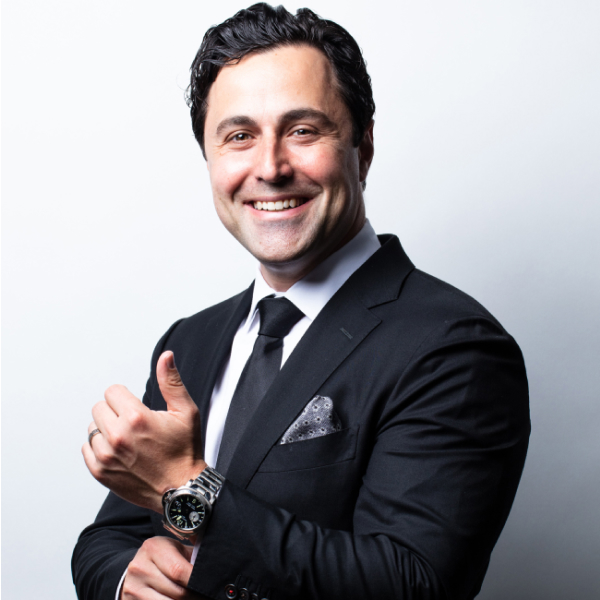
“Every company pitches the idea of getting you on page one — Influx makes it happen. Not only have they stood by their word, they have exceeded my expectations.”


Your team gives patients reasons to recommend you every day. These experiences should reach beyond the consultation room. A thoughtful review, a provider interview, or a patient sharing their story adds context your website alone can’t provide.
This helps build patient trust in AI search. When someone asks about your practice, they may see both what you’ve published and what others have said. Influx handles the content and visibility, but your involvement gives it real value.
Set up a regular way to ask for honest reviews. Recent feedback helps new patients see what your practice is like now, from the first call to follow-up care. Let patients share what stood out to them in their own words. Reviews that mention a provider, treatment, or specific moment give helpful context. Scripted praise doesn’t help people decide, and offering rewards or pressure can hurt the trust you want to build.
An interview in a relevant publication lets more people see your expertise. The best opportunities start with something valuable to share, like a common misconception from consultations, a treatment trend that needs context, or insights from your clinical experience.
Let us know about these opportunities. Media coverage, speaking events, and professional awards help us show a complete picture of your practice. If you need dedicated PR support, we can suggest partners and explain how it fits with your marketing.
Let us know when a provider joins, a service changes, or your practice gets recognition. These updates help us keep your website in line with what patients will see.
Share material from your care team as well. When a provider explains a common misconception or answers a consultation question, it gives our social media team something real to share. Your public presence should help patients see how you think and what they can expect.
These contributions also shape your website content. Your team provides the clinical perspective, and we turn it into information for people choosing a practice.
Patients might talk about your practice in reviews, forums, or conversations you never see. Their stories can cover everything—from how your team handled a concern to how prepared they felt and what happened after treatment.
You shape those conversations through the care and service you provide. Our job is to make sure the public image matches your work, using accurate information and real proof of your expertise.
Search engine optimization helps your practice show up in regular search results. AEO focuses on how answer engines present and mention your practice.
Traditional SEO and AEO both rely on strong, authoritative content. Separate plans can lead to duplicate work or conflicting pages. A coordinated strategy lets your clinical expertise support both search rankings and AI citations.
We evaluate AI search alongside organic search, paid search, and referrals. Your budget should reflect the opportunity for your practice and the evidence available.
If a page gets visits but patients can’t find how to book, the conversion path needs attention. Inquiries about treatments you don’t offer can point to unclear messaging. We look at the page a patient reaches and the next step it asks them to take, so the work supports consultations for the services you want to grow.
A brand mention is when your practice is named. A citation links to a source. Both help us understand your AI visibility, but they provide different insights.
Good monitoring also checks for accuracy. Does the answer name the right provider? Does the cited page back up the claim? Are the services and location correct?
AI models and their answers can change over time. To compare results, you need a set list of questions and clear testing details, like the platform and date. A single good screenshot doesn’t tell the whole story.
Google Analytics can help identify referral traffic from AI platforms when referral information is available. With appropriate conversion tracking, that traffic can be assessed alongside inquiries and other website actions.
A patient might read an AI answer, search your name later, and call from a different device. That influence may never appear as a separate referral. Google Search Console includes performance from Google AI Overviews and AI Mode within its Web reporting, rather than a separate AI-only report.
Our analytics and reporting distinguish AI-referred visits from qualified inquiries and booked consultations. Connecting those steps to treatment revenue depends on the conversion tracking and practice data available. We assess the evidence at each stage and make the gaps clear, so a rise in mentions is read in the context of business performance.
You’ve invested years in your practice. The information patients find should show the effort you’ve put in.
Let’s start by talking about what you want to grow and how your practice shows up in search now. We’ll help you see where AEO fits and which improvements to focus on first.
Google AI Overviews, AI Mode, ChatGPT, Perplexity, and Gemini are relevant places to assess potential visibility. The way patients use these AI tools should guide priorities. Some questions call for a quick explanation; others lead to follow-up questions that help someone compare providers. AI search engines and chatbots use different systems, so performance on one platform doesn’t establish performance across all of them.
No. AI systems control the answers they produce and the sources they use. We can improve the information available about your practice, address technical barriers, and assess changes over time. Guaranteed inclusion would be a promise outside our control.
Timing depends on your starting point and the work involved. Correcting inaccurate information is a different task from developing substantive treatment content or earning outside recognition. A practice with strong content and a sound website can spend less time on repairs before testing improvements. A site with thin treatment pages or technical barriers has more groundwork to complete. Platforms also need time to encounter updated sources. Agree on review milestones for implementation, citation changes, and qualified inquiries; each measures a different part of progress.
Scope should come before price. The number of locations, condition of the website, content needs, and reporting requirements all affect the work. Discuss how proposed AEO services fit your existing marketing agreement so responsibilities and potential overlap are clear. Contact Influx to talk through your practice and the support it needs.
Ask for an example of a problem the agency found, the work it completed, and the evidence it used to assess progress. A useful report distinguishes brand mentions from citations and connects available referral data with qualified inquiries. For medical practices, ask who reviews clinical claims and how provider input reaches the writers. The proposal should name the people responsible for implementation.
Yes. Agree on responsibilities for the website, content, and reporting before work begins. If another team handles implementation, establish how recommendations will reach them and who approves changes. Your existing marketing agreement may already cover some of that work, so clarify the scope before adding services.
Fill out the form or give us a call to get the conversation started — (888) 982-0775
Get the newsletter leading aesthetic practices read to up their patient acquisition game.
Pasadena CA
Salt Lake UT
Tampa FL
Get the newsletter leading aesthetic practices read to up their patient acquisition game.