
Building a 7-Figure Aesthetic Practice & What They Don't Teach You in Med School
w/ Terri Ross
51 minute view/listen


Feb, 2021
Available everywhere you podcast



In this episode of Next Level Practices, our Chief Growth Officer, Max Baybak chats with the one and only Terri Ross. If you’re in aesthetic medicine you likely know the names Terri Ross and Terri Ross consulting.
She and her team have recently released a game-changing training and growth platform for aesthetic practices called APX. Tune in to hear insights from Terri on taking your practice to the next level and her revolutionary new platform.
Full Transcript
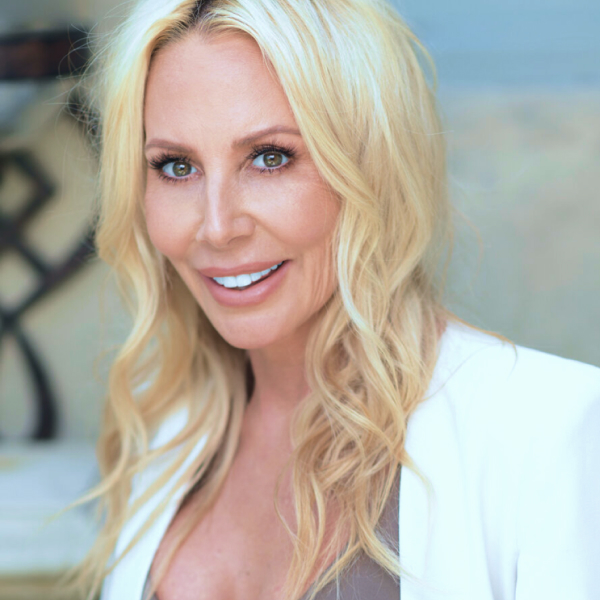
Terri Ross
And so people try a couple things here and there, and it may fail, and then they get frustrated and stop. They may do a whole host of things but aren't tracking and measuring what's really working.
And so, um, to kind of go back and just answer in terms of what I teach: I teach the seven steps of a multi-seven-figure business. And what does that entail? And I've realized, in all of these years and working with practices, hundreds of them, whether you're a startup or you're somebody famous, um, or you're middle of the road, the fundamental problems are all the same. They're all the same.
I mean, let's be honest: if you're a provider, you don't go to business school. Some are much more savvier than others. They don't get formal sales training, so they don't really know how to work with the patients. And at the end of the day, I say we're educating, but we are selling something, right? We're selling ourselves, we're selling value, results, experience. I mean, we go on and on.
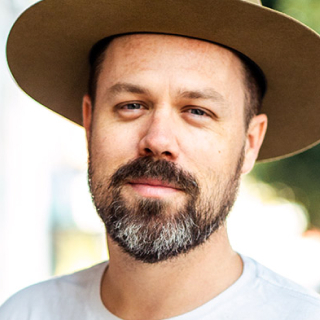
Max Baybak
All right, hello, hello everyone, welcome back to the podcast. So today I'm really excited about our guest. She's someone I've had a great deal of respect for since I first had the pleasure of working with her a while back, but you know, I haven't until now had the opportunity to sit down and kind of pick her brain in an interview format. So I'm excited to do that, and for all of you, and hopefully we can bring some value to you. I'm sure we will.
And if you're in aesthetic medicine, you undoubtedly know the names Terri Ross and Terri Ross Consulting. Simply put, if you don't know, Terri is the unrivaled queen of management and growth coaching for medical spas and plastic surgery practices. She and her team have worked with practices all around the country and have helped practices in some of the most competitive markets in the country to achieve as much as 600 percent growth. She's an international speaker, she's an official partner and trainer for the American Med Spa Association, and I could probably go on, but I think you get it. So let's get into it. Terri, thank you so much for joining me today.
Terri Ross
Thank you, Max, for reconnecting. You had me at hello. So it's so great to be here, and I'm excited to just get down and dirty with you.
Max Baybak
Yeah, I appreciate it, thank you so much. So for, you know, like I was saying, I think, um, if people are in this industry, you know, they've likely heard your name. But for those people who maybe haven't explored your offerings, or maybe have never hired a coach or consultant, management consultant — would you kind of start us off by just giving us a little bit more about what you do, and what do practices come to you for help with?
Terri Ross
Yeah, of course. Um, if you don't mind, I'd love to just take a little step back, because I think that what I'd like to share, something that makes me unique in the industry, is the fact that, you know, I've spent probably 15 years — I don't want to age myself — working for Fortune 500 medical device companies. And why is that important? I've really studied sales and behaviors and personality types and why people make a decision to do something, like, my entire career. So that's what I'm very passionate about.
And I started Terri Ross Consulting back in 2011. I had my little girl, and I had been working for Zeltiq at the time. I launched CoolSculpting in the US and Canada, and prior to that I was the director for Medicis, which is now Galderma. So that was my aesthetic start, back in 2007, on the corporate side, you know, leading high performance teams. And I think that goes a long way, because I have that corporate experience, I have the sales experience.
And then when I started consulting, it was kind of a fluke, right? You know, I remember Garth Fisher, Paul Nassif — and this is, geez, like 2011, '12 — like, "Hey, can you help me run my business?" And I had never done that before. What I knew I had, right, was business acumen. I had salesmanship, I had leadership, I had everything it took to sort of, you know, manage and lead teams and make money, if you will. But having the opportunity to go work inside of a practice is, I think, really what lends me to have the credibility from a tangible perspective, right? I'd like to say I walk the walk, I talk the talk. Like, I've freaking done it myself. I've done it myself. Everything I do and everything I teach is from learnings over time, right? Making mistakes, figuring out what works. And now having the ability to have worked with, as you said, hundreds of practices around the country.
And so we are a very, um, specific practice management firm that is solutions driven. You know, people hire us to launch, grow, or scale their practice, and I use those terms because we do get startup developments, truly from the ground up, needing construction, financial performance, um, you know, benchmarking goals, startup costs, all of that. And then we also get people that are within practice, in practice, and realize that they have a problem, and it is usually sales or finance related, and they need to fix it.
And then, um, I think that has what lended me, after working where we met at Lasky Aesthetics, um, and as a managing partner there. And this is you and I going way back to, god, 2014, which is amazing.
Max Baybak
Right, where does the time —
Terri Ross
Yeah, I know. And, um, yeah, and really, listen, me learning from you guys too, learning the importance of lead gen and websites and PP— like, all SEO, all of them, that is so relevant, that people sometimes put back, you know, on the side burner, or think they can hire their brother or sister or mother, you know, to do it.
Um, but again, you know, what we really do is focus on financial health of a business. We have a financial foundations course, sales training, which is the lifeblood of any business, um, and really helping understand how to run a profitable business, how to increase revenue, how to convert more patients, how to improve operating efficiencies, how to understand benchmarks, KPIs. I could go on and on, but you know, it's all clumped into one, but there's a lot of stuff to unravel.
Max Baybak
Yeah, well, there's a lot of things for a practice, um, for anyone who's — if also if they're actually practicing clinically and trying to manage a practice, it's just a lot for anyone to manage. And so, you know, from our vantage point, we definitely don't get into every aspect that happens after the patient acquisition, but we see a lot of it, and I can see, and I really see the need for someone like yourself, and why in those early days some of those big names were coming to you and saying, "Hey, I need some help." Because I think it's a unique thing in this industry, is that the person who owns the practice is also the key producer. So that's a really interesting thing that I've noticed, that I've observed about aesthetic medicine and private practice in general.
And so there's so many pieces that they need help with. But you know, the thing that I wanted to kind of pick your brain on today, it goes back to what you just mentioned, when we first worked together, which was almost a ground up — maybe it wasn't construction, but actually I remember you were doing a startup, you were doing renovations, you were doing furnishings. It was a full startup. And that was Lasky, and that always left a really big impact on me, because I was a marketer, but you know, I hadn't really at that time seen any practices that had such a focus on all the systems that are needed to really run a tight ship.
And for us, when we can take — you know, not all marketing is equal, for sure, but I've also seen good marketing go to waste when it's plugged into, you know, maybe a situation where all that order and systems are not there. And I've seen, like, mediocre marketing work pretty well when they really have all those pieces. You know, so it's a team effort, and when we can kind of hook into something where all those pieces are there, um, and it's really a well-oiled machine, it's all dialed in, that's when it's like really all systems go.
And so I kind of refer to it as sort of the post-lead experience, or the post-lead acquisition funnel or experience, where there's so many pieces that you have to focus on after that, and it makes such a big difference for us. So I kind of was wondering, you know, with all those things — there's the marketing aspect, and we could do a whole podcast on marketing, and our podcast is really about marketing, but I kind of want to talk to you about everything that comes afterward.
And I'm wondering, when there's so many pieces, like you said, finance — and I remember you had it down, you know, we spent time where I got to kind of witness what you were doing in terms of sales training, phone scripts, you know, systems for making sure before and afters, because to me before and afters are such a key asset, marketing, internal and external. You just had all these things down. But when you come into a practice, I guess — I guess we could start here — and a practice says, "Okay, I need assistance," how do you, where do you start in terms of figuring out where they need work and what to prioritize?
Terri Ross
No, great, great question. And, um, I actually just did an article on that specific topic which just got posted in the American Society of Plastic Surgery.
Max Baybak
Oh cool, so I've got to check it out.
Terri Ross
It's on my Instagram, um, their magazine, or article, the newsletter just came out. Um, so we have a very robust practice assessment. It's about a 21-page questionnaire that is pretty down and dirty. I mean, it's pretty heavy, and the client, the practice, has to fill it out. And it covers — there's nothing it doesn't cover. I mean, I have to understand the health of the practice, and that's what allows me to do that. So it covers every department: operationally, finance, sales, marketing, lead gen, system, structure, compensation, equipment, pricing, you name it.
Max Baybak
Wow.
Terri Ross
And it takes them, you know, a bit of time, because we want it to be thorough. And then, you know, me and my team take that, we analyze it, and from there we're able to basically, um, you know, dissect that. We call it the gap analysis, and we are able to write them a really high level action plan back of what they need to do to fix the problems — and I'll call them areas of opportunity. But we'll give them those directions, and then we'll coach them over a period of time, which is either three, six, or 12 months, uh, program, depending on what they need.
Max Baybak
That's really cool. I like framing that as areas of opportunity, because, you know, it all is — every little incremental improvement is going to fall to the bottom line. Um, in marketing, one thing we run into is there's so many things you can be doing, and if you don't really build, uh, kind of a nice sequential ladder of kind of put the foundation there and then kind of build, I noticed that you just fall down, you just don't do any of it.
Yeah, um, and so I think it's really important for us to create priorities. So kind of, is there a place where you focus or hone in on more than anything else, or kind of a, uh, a key?
Terri Ross
Yeah, it's interesting. Yeah, no, I love it. I love the methodology that you're taking to have this dialogue together right now. Um, because we've all heard of this whole spaghetti model, right? You know, you throw something at the wall and you hope it sticks. And it's funny, again, that you're asking me this question, because on Monday or Tuesday I always try to leave, you know, Terri's Tips, and I did a video, um — we'll digress for a second — but specifically about people that don't understand the verticals, and then they don't understand their avatar.
And so people try a couple things here and there, and it may fail, and then they get frustrated and stop. They may do a whole host of things but aren't tracking and measuring what's really working. And so, um, to kind of go back and just answer in terms of what I teach: I teach the seven steps of a multi-seven figure business. And what does that entail? And I've realized, in all of these years in working with practices, hundreds of them, whether you're a startup or you're somebody famous, um, or you're middle of the road, the fundamental problems are all the same. They're all the same.
I mean, let's be honest: if you're a provider, you don't go to business school. Some are much more savvier than others. They don't get formal sales training, so they don't really know how to work with the patients. And at the end of the day, I say we're educating, but we are selling something, right? We're selling ourselves, we're selling value, results, experience. I mean, we go on and on. And so I've realized that people would spend money in all the wrong places.
So to your question, you know, the marketing aspect is so critical, um, and often overlooked. And what I mean by that is, I say that literally I have the circles, and there's seven circles, and the website is my first circle, because I say that is your external brand. Right? That is your Chanel logo, your McDonald's, your Nike, your whatever, whatever it is that is your jam, right? And so that is the external branding component.
That, I think, people — this is my opinion, right, you can skin the cat however you want, I'm sure there's a lot of companies that can do good work. You know, I personally believe, right, that there are companies you have to pick in the aesthetic space — yours is one of them, um — that know the space, understand how to build beautiful sites, understand SEO, understand PPC, understand the strategy, understand how to make it work. Because at the end of the day, you could have a pretty, beautiful site, but if it's not performing and you're not getting leads, what's the point?
And so I coached from that, right? And now, even from working with you and other companies throughout the years, um, I can pick apart the site myself too. You know, think about Lasky. You know, think about that area where we were located: in a three mile radius there were 300 people. So then you have to say to yourself, how is Lasky going to stand out? How am I going to beat that? You and I can walk down the street and throw a stone and everybody's doing Botox and everybody's doing boob jobs. I had to figure out a way to do that, and that was a collaborative effort, right, with the team, and figuring out how to do that.
So I think that the marketing really has to come down to a client, the practice, saying, you know, who am I? Right? What is my why, and why do people want to come here? And you have to get very clear on that why. And then what do I want my brand to be? What do I want my external website to portray? Are we trying to be everything to everybody? Is there riches in the niches? And then can that company deliver, produce, um — this again — a gorgeous site that is indicative of who the company is, but more importantly is going to draw clients into the practice.
Max Baybak
Yeah, that's fantastic. I love — I've heard you say before there's riches in the niches. I totally agree with that sentiment. And in our — um, website, as you said, that's like the external face of your brand. And kind of my philosophy there is, uh, there's philosophy around niching down on a particular area of procedures, but there's also niching down on particular audiences that you want to reach.
And understanding that if that website really resonates with someone — that's, and it really resonates, and it's consistent with what the experience is when they'll come into your practice — uh, I think that's so important, because then the conversion rate from website to actually walking into your practice is much higher. And if they are going to say, you know, this just isn't for me, for whatever reason, they're a different — you're a different type of practice, they want a specific type of result that's not the kind of result you're focused on, whatever it is, they'll make that decision right up front on the website, and it's okay. And that's a little bit different than niching down, but I think it's also just fine to really say, here's who we are and here's who we serve, and if it's not you, that's okay. So that's something that's kind of a side option.
Terri Ross
Well, but I think it's important too. I think it's back down to, you know, the quality, right? What kind of leads am I getting? You know, is the site getting the Groupon shopper, or is the site getting the quality, right, of the candidate that I actually want to come in? And then there's a whole other cadence of how do we — right, in terms of timing — how do I respond to that lead? How quickly do I do it? What do I say? Right? And then tracking what those conversions are. And that's often another thing I see: people overlook the leads, or they call back in three days from now, and that's just not going to cut it in this space.
Max Baybak
100. And that's where I think there's so — uh, like I say, after acquiring the lead, all you got, you know, is some information. It's all about what you do from there. And the first part of that is responding quickly. I think that's a given — not that everyone does it, you're right.
But that kind of leads me to my next point, which is: I know that sales is a big, big part, a big focus of yours. And I think it gets lumped in a little bit, especially maybe, like you said, if you haven't gotten a lot of business training in school, and you went and you were kind of focused more on the clinical side. I think I've seen it where people in this industry might kind of lump sales and marketing together, but they really need to be separated out so you can understand the differences. And one really happens externally, one really happens internally. Of course there's some crossover, there's some overlap. But how important would you say sales is to the success and health of a practice?
Terri Ross
So when I teach, I always ask a question, um: why do people buy anything? Why do you buy anything? We buy something because I have a problem that I want to solve. I need a new car. I don't feel good about myself in my bikini, I need to get CoolSculpting. That's why we buy things. And we buy things from an emotional perspective. It's a transfer of emotion.
But people don't understand — if you've never truly, again, studied sales from that perspective, you don't know that. You think it's, I'm, you know, I'm gonna see, you know, I have 20 patients on the books and I have 10 consults and I need to kick through it. Not that, you know — and I don't want to segment anybody out or silo anybody — not that people don't give quality consultations, but it's often, and I've seen it so I can say it, um, it's often treated as a symptomatic approach, that, you know, you came in for Botox or your fine lines, and that's the only thing that I talk to you about.
And so if we understand the concept of sales — and so you ask me, is it important? It's without — without sales in any business, it is the lifeblood. Right? Without people, without patients walking in the door, you have no practice. Without people walking into the mall, there is no mall. If they're not buying a car, there's no cars to sell. I mean, and so I can't stress it enough that when your people are trained and confident, with clarity and speed of conviction, I mean, it is exponential growth.
I mean, we have proven the system. I have written a curriculum out of the necessity after working with practices, going, oh my god, this is what I've studied. How can I take what I know, how can I take my experience from, you know, working with surgeons in the beginning, and then, you know, Lasky for five years — how can I take that and build something and give solutions back? Because my whole intention is to serve and support, you know, the industry. And we've proven the system. The system works when people actually do the work. You've got to trust me. And so it's just, it's vital.
Max Baybak
Yeah, that's so cool. Do you find — I find that some practices, it's almost kind of a new concept to them that it is sales. Some really have a person, their patient care coordinator or whoever it is, that is really in a sales role and with a sales mindset, and for some that's kind of a new concept to them. And I think that even just that acknowledgement — like, they get scared of that word a little bit at first, sales, because they think that means that they have to be pushy or something. It doesn't mean that. It is emotionally connecting with people, like you said, and understanding the problem they want to solve, and helping them to understand how you can do that and bring that value to them. But I feel like sometimes they step back from it because they think that means something else. But as soon as they acknowledge and own that this is sales, and that's part of the job, I feel like that alone makes a difference. Do you find the same?
Terri Ross
Yeah, I do, I do. And I get it, it's, you know, it's not in everyone's comfort zone. And you know what I love that's come out of my trainings that I just did before — like, god, thank god I started traveling again, it was so fun — but I just did four, just in four different states over the last two months.
And I think that what I try to convey to people is that while we're selling — what I said, we're selling experience and results and expectations and skill set, um — you're educating. And so if you think about — I use this analogy too when I train — heaven forbid someone had cancer, if I go to see an oncologist, I have a team of people, and they tell me what my treatment plan is going to be. Right? I don't get to say, I want half the chemo and I'm going to skip radiation. Right? It doesn't work like that in any other medical therapeutic area.
But for some reason, in ours, this is where people still feel like they can haggle, and they want to get a discount, and they want to buy it on Groupon. Or I didn't build the long-term treatment plan because they feel that the patient can't afford it, or they don't want to be pushy. But it's still medicine. And so if I come in and I had a baby, and I have, you know, unwanted fat, and I'm going to have loose skin, I might need multiple things. I might need lipo, I might need CoolSculpting, I might need some skin tightening. I need a plan.
And so I try to really convey that as a provider, it's your obligation to tell me, to just educate me on what's possible. Educate me on everything that I can do at your practice. Otherwise I'm gonna go someplace else, I might say it didn't work. Right? I want to know what I can do to achieve my very best outcome. And if they can understand that mentality, people are like, oh my god, I get it, that's so much better, I feel better about that. And then you have happier patients, you know, they're going to get a better result, and ultimately you're going to make more money.
Max Baybak
Absolutely true. I think of sales — you said education a bunch in what you were just saying, and I think of sales as largely education. And you brought up a point where people still feel like this is one specialty where they can somehow haggle, or kind of, you know, come in with their own treatment plan to tell you what to do. And I think part of the important thing in educating people is educate with the rise, the surge of aesthetic medicine, is educating them on the fact that it's not the same provider to provider, or, you know, practice to practice, depending on many variables that they need to be educated on. So I think education is super key.
So, you know, obviously as marketers we're not professionals in sales, but there's, um, that's — the sales process is kind of the next link in the chain after us, so there's a little bit of crossover. Sometimes we end up sort of consulting on that sales side, and obviously we want to see practices get the most out of the leads that we're able to bring to them. And so sometimes we wear a little bit of a consultant hat. And our practices will sometimes ask us, um, you know, for help even helping to find the right salesperson. And so I guess my question for you is, do you feel like anyone can be kind of taught sales? Or what are the key sort of personality traits they'd have to have in order to be a good salesperson?
Terri Ross
Oh my god, I know, I love that you asked that question. I wrote that down. Um, I mean, no, I don't think that everybody can be a salesperson, maybe in the traditional ways that we're thinking. Right? I don't think everybody could go sell capital equipment, or go sell a car, or a house. Um, I think that, you know, it's really important — and one of the things I incorporate in my sales training program is really understanding personality types.
You know, if anybody's ever taken the Myers-Briggs, you know, or the DISC profile, you really understand, you know, there's drivers, analyticals, amiables, expressives. And, you know, as it relates to communication styles, whether it's with your child or your spouse, it's really understanding how the other person is. Because it's called, you know, mirror and match, right? If I'm a consultant, if I'm a provider, I have to mirror my method to the way that you are.
So, um, I think, to answer your question in short, it's understanding who you have, what kind of personality type you have in those respective roles. And if we think about it from the educational component, then I believe that people have more of an opportunity to be successful if they are very passionate about what they do. If they look at this industry as a job — that's what I say, you know. Aesthetics, aesthetic medicine, right, it's expensive, it's hard to be profitable, there's only so many hours in a day, right? So you either have to cut expenses, increase revenue, you know, increase your hours, and understand those KPIs.
And so I think that if people are willing to be committed to the process, and they invest in a sales training program, or invest in the consultant to teach them, or understand that having a website isn't just, you put this beautiful site up and, you know, poof, it's all going to be magic — I mean, there's work that has to be done. You know, it's understanding how that can function, how do you convert those leads. And so I think if people are willing to invest in their team, then people have a better chance of success. Um, and I think that you'll quickly be able to unfold if somebody's not going to be successful in that role. But, you know, again, I guess the takeaway is, as from a provider level, if you can think of this business as, I'm trying to educate my client on possibilities, that I think people can be successful.
Max Baybak
Yeah, I totally agree. I think, right, the fundamentals are just passion and commitment, and you can't overlook how important that is. Person needs to be there, uh, really because they're excited and really be willing to put in the work. If it's a job, yeah, it's going to have a lot less chance of taking flight.
So for me, I see sales, especially from our vantage point, as broken down into two stages, because there's that kind of initial sales process of getting the person to book that consultation, and then of course you need to actually get them to come in and close them for treatment. I'm curious how much you focus on training your clients to maximize kind of that initial point of contact, so they can, you know — for example, take a thing we see all the time, is someone calls, their casual price shopper. Is that a lead? How do you — can that be converted into a consult? To me, yes, but it definitely depends on the expertise of that person on the other side of the line. Curious for your take on that, how much you focus on that kind of portion.
Terri Ross
I love you, Max. I love you. That's the greatest question ever. I really built my program around five fundamental modules that, again, after Lasky — right, I mean, the fundamentals are the fundamentals. And so my program, yes, I think it's based on starting with the phone. Right? We'll start with the web, but, right, phone skills. So module one is phone skills, two is converting web leads, three is consultations that convert, four is the close, five is the KPIs. And I did it that way because of exactly what you just said.
I could be a price shopper, right? Maybe I am. But if you are that skilled on the phone, or if I did a contact form on the web lead and you are that skilled with your ability to build trust and rapport, to engage with me, to ask me the right questions, and not just give me the answer — if I ask you how much does it cost, and you're like, "20 bucks," bye, click, buy, what? Right? You can engage and ask me a series of questions, like uncover my needs and handle my objections. I might have been a price shopper, but I'm coming to you. And people just don't know how to do that. They're not trained to do that.
Max Baybak
100. You know, it's funny, as we're talking about this I'm realizing, I think one of the reasons why I think about so much of this part of the process after the lead acquisition is, I actually started in sales. But I was — when I was 18 years old, all I wanted to do was play music. I was in a band with one of my business partners today, actually.
Terri Ross
Oh, amazing.
Max Baybak
Yeah, so we've been doing creative things together.
Terri Ross
Music. What kind of music?
Max Baybak
It was just kind of indie, indie rock type stuff.
Terri Ross
Okay.
Max Baybak
And Zach, who is the designer behind, um, you know, all the sites you see of ours, was kind of our drummer and kind of a creative — he's an extraordinary creative fellow in general. But the reason I bring that up is that in order to facilitate pursuing music, I had a sales job. And funny enough, I just didn't even think about this — like, I was talking to you just now — I was selling, uh, skin cream, and I was 18 years old. Now, yeah, so all of the people I sold to were, you know, kind of middle-aged. It was largely a female audience.
Um, and I was the number one sales guy in the room, and I loved it, because it was a part-time job, and then I could make enough — what I thought was, you know, a nice earning — and then I would run off and go to band practice. But I honestly, I've always said, you have to have a sales job at some point in your career. And now I really learned a lot from that. And it's funny that I didn't even really connect until just now that it was somewhat cosmetic, somewhat aesthetic actually, in a sense. Yeah, selling to a similar audience. Um, but I learned a ton, and I always say, like, if you can have a chance to have had a sales job — some of them are grueling, some of them are not glamorous —
Terri Ross
Yes. You learn so much. Any good leader — I mean, Brian Tracy, right, one of the, you know, somebody I follow, Grant Cardone, I mean, you know, the godfathers of this whole sales space — that's what they say. Because if you can connect with people in that way, and understand, um, and really take it out of, you know — it's not about me, it's never about me — um, people will excel in so many ways, and just in their life.
Max Baybak
Yeah, I couldn't agree more. Okay, so we talked a lot about sales. We could probably talk for hours about it, but I know another thing that you're big on is measurements. Um, and I've worked a lot helping clients implement different types of business intelligence tools or analytics dashboards, and I've noted for myself that the key to the success lies not just — I mean, it's a big task just to get all the data in one place and constantly staying up to date. But then the next thing I see routinely is people falling down because they're focusing on maybe the wrong metrics, or they're getting obsessed with all the data points instead of really understanding.
Um, you had another — I was listening to another episode of your podcast where you had, um, the product manager from PatientNow there, and he gave a great example of the dashboard, like in your car. And I was thinking about that as I was listening to it, because it's kind of like, you wouldn't get a car that has different dials on it than a different one because the maker of this car says, you know, this is what we think you should pay attention to, and another one says this is what we — there should really be standards. And you need — but there aren't, I notice. There are some, but you need someone with an opinion to come along, and a proven process, to say pay attention to these things.
And then, yeah, to take that dashboard analogy further, all the analytics are really important to have. Like, to take it further, you could look at it as almost like the black box on an airplane: all that data is there when you need to do a deep dive to find out maybe why things started, why something happened. But if you try to look at all of that data all the time, you're also going to fall down. And so you need to really know.
And in the tech and business world there's this concept of a north star metric, and one of the things I love about it is that you hear a lot of tech startup founders talk about this, because it helps them focus, just kind of hone in on one thing that sort of monitors everything else, and then when that falters they can kind of do a deeper dive into the analytics. So I'm just curious if you have any strategies that you kind of — or you know, kind of what your thoughts are on that, and what's your approach to helping practices find their north star metrics, or the things that they should be laser focused on.
Terri Ross
God, that's such a loaded question, but like one of the most important. No, it's so critical. And I think, sadly, um — and I am a huge proponent, I mean, you know, I think that when I speak, you know, I'm very opinionated who I choose to work with, because it's also my integrity on the line, and what I believe, but it's also what I see that has worked and a lot of the people I have used in my past as well.
So I think that, you know, despite having some of the best software companies out there, they don't do what I do either, right? That's why I have relationships with them. They're not trainers. They do their part. And so I think that there is so much room for opportunity to work with practices, because I don't even think that they understand, number one, what reports to run. And then number two, if I do run them, what do I do with the information? And then three, how does that correlate to the KPIs? And then they don't even maybe know what that means, right — key performance indicators. And then again, which are the most important ones to look at?
So, you know, I have some great videos on YouTube, right, that I've done just on those things, because I want the industry to be educated on it. So you know, you have a couple things: do you either reach out to a consultant — you know, I invite you to kind of reach out to me if you want to learn more about that — or work with your software company, work with your website company, and make sure that you are really getting the most, you know, value out of that relationship, to understand the capabilities. I think that's the other thing, especially with software, is that it can do so much, and you know, there's only a fraction of them using it to its, you know, full capacity, um, of what it can do. So, you know, asking the right questions, and if you don't know, you know, reach out.
Max Baybak
Yeah, I think it's so important. Again, uh, not to knock anyone, it's just not the software company's job necessarily to do the job that you do. So, what you — like you said, a lot of that stuff ships in the box with a lot of options but not necessarily an opinion. I'm a big believer of opinionated software, it's kind of the term I use, where it says like, no, you know, we're gonna build it this way for you because actually this is real world results. But I think in order to do that, you can't be a software that serves every industry. You have to kind of serve your vertical. And in some cases you need someone who's a partner like yourself to come along and say, good, here's exactly how we're going to dial this in and make it exactly optimized for a process that's proven. So I just think that's so important as a part — this is an example.
Terri Ross
No, and it's a great point. And, uh, just within COVID — and I'm so fortunate, I mean obviously, you know, I'm the trainer for AmSpa, but I also speak for all the other societies — and the plastic surgery society reached out to me the past couple of months, and they have what's called an ANN, and data. It's an aesthetic neural network. And there's about 300 — I'm sure you're familiar with it, because they have APIs, right — they have 300 plastic surgeons on that platform.
And what it is, people get confused, it's benchmarking data. People say, well, you know, oh, does my PatientNow or Symplast or Aesthetic Record, whatever software you have, Nextech, you know, does it do that? It's totally different, right? If you have software in your practice that is measuring your own practice, it's not benchmarking you against anyone or anything else. And so the ANN data, it was built from this, you know, society's, um, looking at plastic surgery and medical spas as well.
But they approached me — I'm so honored and I'm so humbled, um — to say, hey Terri, we'd love to partner with you, because we have these surgeons, you know, we have these practices on it, but they don't do anything with the information. And I think it allowed us — and my partner Robbie Grayson, um, you know, she's one of our senior consultants in Connecticut, many many years of experience, she's amazing and really strong finance background — and what we did in COVID times is, we said we're not gonna fall down, and we're gonna, you know, rise above all this, and we wrote a financial course. Because we realized people were coming to us saying, I've lost hundreds of thousands of dollars, how do I make up for it? But more importantly, that the financial health of practices was so broken. And so back to your point about the data, you know, it's really just important to understand: what data do I run, and then more importantly, what do I do to make an informed decision?
Max Baybak
Yeah, super important. Again, something we could do a whole episode on. But the next thing I wanted to ask you, just because we get asked all the time — uh, we have a nice sampling of practices around the country through our clients, as do you. Uh, and so we have a vantage point where we're seeing what's happening in the kind of — I don't even know if we can say post-COVID landscape, but post the initial lockdown. Um, and I'm curious kind of what you're seeing, and especially a lot of people ask us, because they're curious what's happening in other parts of the country and with other practices, around virtual consults. And is that still something that a lot of people are doing that you're seeing? And how are you finding that's working with your clients, and do you have advice that you give to your clients on virtual consults?
Terri Ross
I think it's hit or miss. I think that I don't think anybody's back full speed ahead. Some practices are, um. You know, I think, you know, the tactics, the strategies, it's all the same. I mean, it's not — you know, what I would say is that, unfortunately, you can be that great, um, in your consultation or your sales process, but if you and I are having this dialogue right now, right — I'm not using myself — I can't touch you, I can't feel you, I can't hug you, right? We can't experience that physicality with our six senses.
Max Baybak
Yeah.
Terri Ross
Which is unfortunate, right? But I think that if you have the right trained person or provider doing these consultations, with the skill set that we could go on and on about that, amazing, you're going to have a high conversion rate, um, versus people taking up and wasting your time, right? Versus, you know, not having the ability to say, okay, is Max qualified? I'm going to spend 30 minutes with him, and is he going to be somebody that's going to move the needle, book the consult, you know, book to come in for the appointment? So, um, yeah, I still think it's happening. I'm not really sure how much, but.
Max Baybak
Yeah, I guess what I'm hearing you saying is kind of the foundational elements are the same regardless of the medium, regardless of the channel, whatever. And something that I encourage our practices to look at with regards to virtual consults is, um, to kind of think of it as almost a marketing endeavor, because in some cases they almost have to re-consult when they come in. But it enables them in this environment to give a patient — and there are some things, uh, which maybe we'll publish some things on, to help sort of screen and help people make sure they're not wasting those times on those consults. But I was just curious what you're seeing.
What I will say for sure, and I'm guessing you'll agree with me, but I'm very — I want to get your thoughts on this — I'm very much of the mind that it used to be that practices could be somewhat digital. You know, we've been helping — we still to this day, running, it's much rarer, but we run into practices that never really got 100 in the digital game and are coming to us for help on that. That is increasingly rare. But now today I would say you can't even be one foot in, one foot out digitally. And you've got to be, rather than just a somewhat digital practice, you have to be a digital first practice, I feel like. And that means everything from the initial patient acquisition, or outward-facing web properties, all the way through to the whole patient journey, your analytics and everything. I'm sure you'll agree, but I'm just curious kind of what you see as the future of the digital practice, and uh, where it's going after COVID.
Terri Ross
You know, I mean, amen. I think that I'm very clear when I work with clients. You know, I think that there's a reason you do what you do and I do what I do, right? And then there's a branding company, and um, you know, PatientNow, or whatever it is, right? People have expertise for a reason. And you know, that's one of the components we'll look at: the website, how it's built, what does it look like, how does it perform, are there the right keywords, is there enough copy, is there a gallery, is there video? I mean, there is a whole host to that, I probably learned from you guys and some other companies along the way, and I'm super proud of that.
But, um, I — you know, when I teach my sevens, I'm like, you can't skip. You can't do like three and hope you're going to have a seven figure. You just can't do that, right? If you want to play, you know, be in it to win it, right, and understand that this is a super competitive space and it's a commodity if you allow it to be. But if you go back to, again, why are you choosing to do this, like what is your reason people should come to you? I think that this digital space now, more than ever — look, we're all still sitting at home googling, finding you. I better find you, you better pop up. And so all of those, again, tactics and strategies that your company teaches are very vital.
And then just the relationship. I'm really big — and I think that's one of the things when you were with your other company, that it is a collaborative effort. Even if that practice — and I thought, right, I was super savvy, but you know, maybe I was smarter than most at the time because I worked for aesthetic practices — but, you know, I would bug the out of you guys, right? You need to make sure you're looking at those search terms, like in what mile radius, like are they working, do you have to change them? And I think that's so important. And what I've always enjoyed, right, from working with you back in the day, was that it wasn't like you left me. Like, we would have our monthly calls.
And so I think the digital landscape — I said it in the beginning of this podcast and I'll say it again — it's probably, you know, when we talk about marketing spend, the benchmark is around 10 of total revenue, maybe 20 if you're a startup. And so where does that money need to go? Mainly to the website, right?
Max Baybak
Yeah.
Terri Ross
Um, you know, people can choose to do PPC and all that other stuff if they need to, but I personally believe that that's your biggest opportunity for lead gen.
Max Baybak
Yeah, that's awesome. Um, well, yeah, I think also just coming back to the whole kind of digital first practice thing, I think, um, yeah, digital marketing, as you just touched on, is — I mean, I think it's been a foregone conclusion that as an aesthetic practice, you need to be out — you know, you're doing fee for service elective medicine, you need to be there. But it's just really driven that home. And even putting COVID aside, I kind of look at COVID as the great confirmer of trends, right? These things are already happening. All it's done is accelerated and just said, hey look, you were sort of dragging your heels, you can't anymore.
Terri Ross
Yeah. And if you look at the next — so COVID aside, even just the next generation, they're — I don't know how often you're going to be answering a phone, you know. They want a text, they want to book online, they want to do things so different.
Max Baybak
So we're really looking at what the next opportunities are and looking at the future and so forth. So it's just a really fascinating time. But, um, on another topic: I know you alluded to me a little while ago that Terri Ross Consulting was kind of launching something new and big, and you told me you'd be able to say more soon. Is that something that you can talk about now?
Terri Ross
I can say a little. And it kind of leads right up into what you just said. And so I think that you had a great point, Max, is that, you know, as unfortunate as all of this has been, it's caused us to be more innovative, use more tech solutions, be more online, um, you know, getting out of our comfort zone, you know, from doing everything the old way.
And so it's allowed me, you know — those of you, I'm pretty transparent, like, I'm a single mom, you know, and I love, and I'm super passionate about what I do. I love my customers more than anything. Like, they teach me — this is, I know this is why I do what I do. And I think it's allowed me to really say, how can I be agile? I'm not even going to use the word pivot anymore. Like, how can I be agile, in flow, and how can I scale my business? Because I can't be everywhere to everybody. Now I can't travel as much as I used to. Speaking engagements have stopped.
And so Terri Ross Consulting is launching a revolutionary new robust training platform. It'll be like a self-serve platform, really enabling practices to implement the key business sort of turnaround protocols that we teach, but in a much easier way. I mean, the platform is kind of what Marriott would use or Hertz would use. Um, you know, practice owners can enroll their staff, they can, you know, sign up for applicable training programs, all around tracking, accountability, metrics, measures, um, month over month, year every year. So it's not your typical, like, I bought a course, it's not going to work, right? Um, and it's loaded with incredible tools, a couple web apps that we're launching, um, all around, again, actionable insights around business metrics, finance, you know, key, you know, KPIs they need to measure, but all within a very robust, innovative tech platform. So I can't say more than that, but I truly believe — we've had some doctors beta test it — that it will be a game changer for the industry.
Max Baybak
That's really, really exciting. I didn't — you know, you're alluding to something that I can't wait to hear a little bit more on, because you mentioned the training component — I kind of knew that — and then you just said web app, software. So I'm really curious to get my hands on it.
Terri Ross
It's pretty — and yeah, I mean, two new web apps. I mean, it's pretty techy. Uh, not your typical, like again, like I said, you know, not like it's here's a course and go take it online. This is all trackable, all accountable, API, analytics, one dashboard, financial calculators. It's pretty insane.
Max Baybak
It sounds really innovative, um, and I think it's really cool, because yeah, obviously you can't be everywhere, and there are some people that are maybe starting out, or just depending on where they're at, they're not able to bring on a consultant to do one-to-one. I was actually just talking to someone who's opening a med spa in Denver yesterday. She has a medical director, she has a business background, but she's new to aesthetics. And I said — I actually need to do an introduction, by the way, so I told her I would — but I also said, I think she's got some kind of training thing happening, I didn't know much more, and it might just be perfect for someone like that who just needs to understand what's the process, what's a workable process, all the right benchmarks, all the right rules to live by as she's going into this new endeavor.
And so I think that's so cool, because it's going to make it much more accessible to so many people. You've taken the time to develop this process — why would you not put it in a format where more people can get their hands on it? I think that's phenomenal. So really exciting, thank you so much.
Terri Ross
Thank you. It's been a lot of hard work, but I'm like, risk versus reward. And, um, no, I'm super happy. I think it's truly giving back, and something that is — you know, enough to say our industry is archaic, but it is, in terms of the educational component and from what a consultant can do. Because you're right, like, trading time for dollars. I can't be everywhere. There's only so many one-on-ones I can take, or developments. And so how do I take all this knowledge? And that's what people have asked for: Terri, how do I get this?
Because, you know, somebody had just told me, hey, you know, I went and spent eight thousand dollars for a course in Florida. Say you're Dr. Max, right, and you came back — you have a manual. And how are you going to teach it to your staff? How are you going to execute? How are you going to have time to do all of that? It usually just collects dust. You can't. So I said — and I've done focus groups, I've had hundreds of clients that I'm so fortunate to have worked with — and, you know, putting it into this, again, this revolutionary platform that is based on accountability, but more importantly based on solutions. Not Excel sheets. Like, I'm giving you web tech apps to be able to run your business, keep a pulse, be lucid, be transparent, you know. And, uh, super excited, so stay tuned.
Max Baybak
That's exciting. I'd love to have you come back on the show and tell us more about it when it's, uh, when it's all the way out there. But that's, uh, yeah, a really awesome opportunity for people to get the Terri Ross playbook, and it seems like they'll be really guided in how to implement it and all that. So, wow, super, so exciting. Thank you so much.
Terri Ross
Well, listen, you're a big part of all that stuff too, you know. I think that's what — you know, I really need to keep the players, the players that play in the space, because again, I'm one piece, but them understanding the value of those seven components, um, you know, and you fall into a couple of those, is really critical. So I'm so honored to be on this podcast with you. Thank you so much for inviting me.
Max Baybak
Yes, always great shooting the with you.
Terri Ross
And uh, you know, getting the industry — or giving, you know, the industry information that I think is valuable.
Max Baybak
Yeah. And I know your time is limited and you're in high demand, so I really appreciate you carving out a little bit of time to come chat with us. Um, I learned a lot. I need to have you on mine.
Terri Ross
Yes, you did.
Max Baybak
Yeah, anytime, you just tell me when. I would love to do it.
Terri Ross
I will, I will. Let's make it happen.
Max Baybak
Awesome. All right.
Terri Ross
Max, honey, thank you so much, and uh, we will be in touch.
Max Baybak
Thanks guys for listening. Thank you so much, Terri. Take care everyone.
Terri Ross
Oh, by the way, I will say, can I just leave my info if any of you —
Max Baybak
Yeah, how do people find you?
Terri Ross
Totally. I completely invite you, reach out to me personally: Terri at terriross.com. Um, or go to terrirossconsulting.com and you can speak to one of our business advisors and learn more about our programs.
Max Baybak
And can they get on an email list there, in order to hear about the —
Terri Ross
Email list — you know, I do a podcast usually once or twice a month, I have vlogs going out twice a month. Um, if you're interested, I have a private Facebook group, it's the Aesthetic Accelerator. I hold, um, group coaching calls the last Wednesday of every month. Um, it's my tribe, that's totally free. It's actually this Wednesday at 11 o'clock, um, where, you know, it's just the community reaching out, educating, supporting each other. Um, yeah, so that's where you can find me.
Max Baybak
Awesome. All right, you heard it, everybody: go look for her there, and gain from all the wisdom that she has to offer. Thank you so much for your time today.
Terri Ross
Thanks, Max. We'll talk to you.
Max Baybak
Thank you so much.
Terri Ross
You.
Subscribe to Next Level Practices
Next Level Practices is the show where we discuss the ever-changing world of digital marketing and patient acquisition and bring you the latest ideas, strategies, and tactics to help you take your practice to the next level.