

The Digital-First Practice
w/ Izhak Musli of Symplast
49 minute view/listen


April, 2021
Available everywhere you podcast



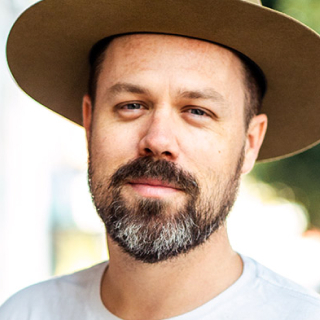
In episode #8 of Next Level Practices, Influx Co-Founder and Chief Growth Officer, Max Baybak, chats with Izhak Musli about the progressing digitization of the patient journey and how practices need to be thinking in order to meet the expectations of today's consumer.
Izhak is the Chief Revenue Officer of Symplast, the all-in-one, cross-platform, cloud-based solution for managing your entire practice.
Full Transcript

Izhak Musli
I always trying to look back and say, would Blockbuster would survive again? And every time the answer is not, right? It's always kind of like, don't stay a Blockbuster. Um, and and like you said, food is also a great example, or banking is another awesome example to see how they evolve. And COVID really came and put all the stress on, like, crushing this involvement, that it was anyway natural, because it's already unfolds into the expectation of the patient from the other side, right? What do they expect? What would they like?
And people want the comfort, right? People will pay more for a can of Coke versus a two-liter bottle, because it's more convenient to hold that can. And that's exactly how it works with any consumer. That's what we are being educated as consumers, and the market around us forces those — all the businesses really — to evolve to that same standards. And nobody can fall behind, because or else you're becoming a Blockbuster.
Max Baybak
All right, hello everyone, welcome back to the podcast. I'm really excited about our guest today. I have, uh, with us today Izhak Musli, who is the Chief Revenue Officer of Symplast. And I first met Izhak a while back, actually, at, um, one of the industry shows, and I was really impressed with what he was doing then, and we've stayed in touch since then. And I've bugged him a few times and said, hey, hey, we really got to get you on the podcast. And so you're finally here. Thank you so much for joining us, Izhak.
Izhak Musli
Thanks for having me. I'm very excited about our conversation. Every time we get a chance to speak in this conferences, it's always really good conversation, so I think we have a lot, a lot to share with the industry.
Max Baybak
Yeah, yeah, I appreciate it. I feel the same ways, and, and I, um, I agree, I thought it'd be fun for us to get together. The last time that we ran into each other was actually we gave, um, each gave talks at ABAM there in Park City, um, the American-Brazilian Aesthetic Meeting. And afterward, Izhak and I chatted, because our conversations were kind of about the progressing digitization of all things within the patient experience.
Um, the talk that I gave with my business partner and our CEO of our company, Adam Daniells, was kind of on the marketing side of it, whereas the talk that Izhak gave was on the practice management side. But, but they kind of meet in the middle, and we thought this would be a fun topic for us to kind of continue on on the podcast. So, so that's, that's why we're here.
But you know, going back really quick, I just wanted to say, when we first met, you were working — you were not at Symplast, you were working on a product that you — another company you had founded with, I think, another co-founder, right? It was Atlas KPI.
Izhak Musli
At that time, it was actually the industry first business intelligence dashboard. Um, obviously we didn't reinvent the wheel in business intelligence, but when it comes to medical practices, it was something that was completely missing in the industry at the time. Everybody was speaking about data, but nobody was able actually to analyze the data. And that's how we firmed that company. It was awesome journey experience. I think that we brought the KPI word into this, uh, dictionary of this industry. Everybody know what KPI means nowadays.
Max Baybak
You had it right in the name.
Izhak Musli
And then, uh, and we sold this company three years ago or so.
Max Baybak
That's so cool. Congratulations on — I know that I was impressed right away, and it was — how, you know, it was the product first that I was impressed by, and then I got to know you, and I was equally impressed with, you know, with your, with your knowledge, and, um, and just getting to know you more, in your, your mind, and how you've attacked and approached this industry.
But I had done some work in totally different industries on business intelligence, using tools that did exist, like you said. But what I found was that the tools are one thing, but the philosophy with which they're approached is absolutely everything. And I was really drawn to, and thought that you were spot on, to create industry-specific — uh, an industry-specific tool, because I think that that's the future of all this stuff. Like you said, a lot of people talk about data, but the infrastructure or the, or the tools are not there, or they're there but they are not really figured out for this industry.
I think it's important to apply an opinion. Like, what I always talk about is, opinionated software is a must these days. You can't have just generalized — yeah, throw whatever you want at it and it'll do it. It doesn't — you can, but, but there's downfalls to that. And so now the things that are winning are more opinionated, is my opinion.
Izhak Musli
No, I 100% agree. And the really the state of mind when — and really what was the differentiator between, even today, other softwares that I see, right? Whether it's Power BI, Tableau, or Domo, or all of those. It's really to think about who is the end user is that going to use it, and make sure that they will be able to use it.
So the approach that we took is, you don't even need to know Excel in order to create charts and graphs and analyze data. Where, where I see all those softwares, you almost need to be a developer in order to create charts and graphs and analyze data. And it's, um, I think that that's really — that was the more unique approach about Atlas KPI in that term, because doctors were able to actually run their own business, and didn't need now to bring on board another person that just gonna manipulate for them and create for them the charts and explain to them what it means.
Max Baybak
Right, they don't have to have a data scientist on, on staff. I got to work with it with some of my clients, and we were building out pipelines, uh, you know, so that we could understand at every stage of the way — you know, there's going to be some fall-off at every point, from lead to consult to booking. But we were able to actually see what the rate of conversion was every point of the way, and, and then make improvements, um, at each step.
And so a tool like that is really crucial, to be able to understand that. And you could see it by provider, you could see it by procedure. It was like, it was really my dream, really, as a marketer, in trying to help our practices take it to the next level, past the lead acquisition point.
Izhak Musli
It's funny that you say, because from that understanding — and that was exactly what most of the people focused also. Although we were able to integrate with the financial data and everything, one of the most interesting part of everybody was about the lead journey, all the way into a patient, and then obviously the upsells and the crosshairs. And from that, after we sold the company and I started to work on Medical PRM, that's really where the idea was born. Because of all the focus, out of everything that Atlas KPI can do, most of the people were focused on that aspect. I just took that aspect and start to maximize it based on my knowledge.
I'm Salesforce admin for the last 12 years, so I took a lot of inspiration from their workflow. It's obviously genius type of software — overkill for most practices, but there is some key components that really can benefit any business if they know how to track them. So that was really the purpose behind Medical PRM. That's how the idea was born. That's the approach for that product — was to really ease to visualize and manage that patient journey from A to Z.
Max Baybak
I forgot that you told me that you were a Salesforce admin for, for now, like you just said, 12 years, which I think is, uh, probably gives you awesome insight into — like you said, for some people it's overkill, um, but simplifying down what works out of that, and trying to apply that and bring that into practices, is really cool. I see that there's kind of two sides to these mega CRMs like that. There's the CRM side, and then there's the BI side. And really having them all together is certainly — the singularity is the dream, if you will.
But, um, so is that kind of what your approach is? So that was, that was the inspiration for, for Atlas KPI — was kind of taking the things you'd seen in, in Salesforce, but simplifying them and making them specific to an industry?
Izhak Musli
So Salesforce also gave me the almost the, the idea for Atlas, in a way. Because at the time I was working for a point-of-sale company, and I used to use Salesforce. Everything was integrated into my Salesforce, from the financial to the ticketing, phone system, sales, marketing — all of it. And I had my own dashboard inside Salesforce, but the dashboard was missing so many things.
And, um, and, and I figured that I was the only one in the company that knew how to keep enhancing that dashboard. Then I needed to create a dashboard for all the other departments, because they didn't know Salesforce as good. And that's where I started to think about, what if I had a simpler way to do all of that? And even a little bit more enhanced, with a different ability, like to set up goals and get notification and see where I stand and where other people need to stand, and try to make it a little bit more, um, I'd say intuitive and innovative at the same time.
Salesforce is such a monster system. So obviously that's not the only thing that they do, so they're not mastering necessarily dashboards. And that was the goal with Atlas — to really master that portion. So Salesforce was a good inspiration for different ideas.
Max Baybak
Yeah, I think these, these huge companies provide opportunities for, for more niche businesses to be born. Because they're — they have every feature, every switch you can turn on if you want to do this or do that. I mean, you usually do need to have someone who is technically knowledgeable with it, but you can do that. But taking something out and making purpose-driven, purpose-built, where you go understand what the needs are of a specific industry and bring them in, I think creates opportunities to have something lightweight, agile.
So I loved what you did with Atlas KPI. And so then your next venture was Medical PRM. And tell everyone what PRM stands for.
Izhak Musli
Uh, it's prospect relationship management. So it's kind of like a CRM, um, but CRM is really for more customers, right? It's the more traditional. Where it comes to practices, is really start from a prospect, um, and then that turns into an appointment, right? Which is then becoming to a patient or a loss — that's really the, the two outcomes that you can have out of it.
Um, so it was a different, a little different approach with, uh, from a CRM in that aspect. Just because it's not — the flow is not into an opportunity and then a sale, but it is into a consult or appointment, from different types, and then based on also different service types, right? So there is different, more variables coming into the game here. And the flow is not from A to Z, because you really need to take it from that lead management — once there is appointment, now it's inside the EHR, because that's really where everything else continue inside the practice, internally. And it's almost two different worlds, because one of them is owned by the marketing, and the other one is owned by the practice.
And what I realize is, many times, most of the marketeers don't even know what works and why they don't work at the end with all the leads that they generate. They can generate hundreds of leads to the practice, and if the practice don't follow up on those leads, or if those leads do not schedule appointment, or if they did schedule appointment, whether they converted or did not convert — if the marketeer don't have that knowledge, all that insight, all it is, it's really just to keep pouring money into the budget, and keep using and keep generating more leads. And all the marketing can show us, I generate for you 100 leads. Whether you worked or not, you didn't work on it — well, it's up to you, kind of thing.
And Medical PRM came to close that gap, and collaborate between the practice on a separate platform, where they can freely give the access to the marketeers, so they can see all the reports. The marketeer can help them to stay on top of their leads, to make sure that all that effort that they put in order to generate for them leads actually being followed up, right? It's, it's very known — well, I say I hope to be more known even, but among us it's very known — that you need to hit the lead at least five to seven times in order to really maximize the conversion to appointment. We're not even talking about conversion later to a patient, but just take it from a lead and convert it into appointment. If they didn't happen in the first time, most likely it's gonna happen in the fifth time or the seventh line. It's not gonna happen in the second or the third.
So the importance of that marketeers to stay on top of the practice, and help them to stay on top of the leads, really at the end proving the ROI the marketing generate for them, right? Because it's all goes at the end to lead acquisition costs and, and obviously marketing ROI.
Max Baybak
Yeah, that's huge. Again, another niche opportunity. I've seen a lot of people try to package up into a CRM your existing customers and your potential customers, or leads. And, and there's a lot of systems that, that do that well, and, and it's logical to put them both inside the same bucket, if you will. But the more you can address them separately and think about them separately, the better. Because it's really a different journey up until they've opted in and become a patient, or at least even come in for a consult. And, and I think it's important, again, to approach that with all the unique attributes and characteristics of that earlier part of the journey. So calling it the PRM instead of the CRM.
And as a marketer, again, that's always our dream. We do many different things depending on different practices' workflows. That's one of the challenges as a marketing agency, is every practice has a different workflow. We're always striving to understand, through different attribution models, in different ways, how valuable what we're driving — how valuable is what we're driving to the practice.
One thing that you can really easily do as a marketer is find — there are ways to find lower-cost, lower-quality leads. And if quantity is your only game, you can go, I got them for you, you know, and, and then, well, you guys just didn't follow up. And I try to warn clients when we're — when we — I say, we can put some budget on some channels that are going to be lower cost, but they're going to take way more follow-up, and so you guys have to be really prepared on the back lines to do that.
Um, but the more we can see inside and, and collaborate with them — okay, good, we see the lead, we see it came in, we saw it move here — um, and then ultimately tie that to dollars. And some practices have that down pat; some, it's not easy. I think one of the biggest things is that conceptually it seems simple — like, just can we just connect all these things? And so that by itself is probably one of the biggest barriers, because you think it'll maybe take me a few days or a week to set this up. And really, it's a — I don't know, I'd love to get your take on this, but I find that it's a progression of just getting it a little better and a little better and a little better, getting your data cleaner and cleaner, and getting these integrations set in stone. And if you approach it with the right level of, like — you're sizing it up as what a task this is going to be — then you might actually have success.
Izhak Musli
No, it's 100% correct. I'll say it's, it's almost work — it's not almost, it's really works like any other process in any business. Processes are made to continue to evolve, to become more efficient, more effective, all the time. And with that, the tools that you use, the way that the tools are speaking with each other. So it's an ongoing project that really will never stop. The same as the software, right? You develop a software, it's never end, the development of that software, because there is always more room to continue to grow that software and to continue to evolve it.
Um, and the same goes with the processes. So the more the processes, and the more efficient you want to become, and the more intel you have from your data on what works, what's not working, will help you to tweak those different areas in your process, which will then most likely require additional steps, or miss and tries, right? Then you create, and you see, okay, how that works, and then from there it keeps like a fork all the time, to keep involved that way. Um, the same — so really the technology is there to, to serve your, your initiatives or your processes that you have in mind that you want to execute on.
Max Baybak
I think you put it best — you hit it on the head when you said it's an ongoing process. And I think — I don't know, because I've run into this myself, with things that I'm trying to organize, you know, or, or kind of set up in a certain way, within — refine our processes in our own business, where I think it's going to be one and done. And then that's kind of the lie that sets me up to, to fail, because I think it's just one and done, or I'm going to bring in some expert and they're going to set it up, and it'll be one and done and you forget about it. But it's really an ongoing process.
Like you said, with software, once you develop it — I've had some experience developing software products, being a product manager, and I've seen people come in and say, I have a budget, I want to build this software. And I go, well, what's your budget afterward? You know, because I've — having gone through it, I tell them, and I liken it to having a child. You're, you're committed now to feeding and clothing and sending that kid to school for life, or at least till 18 years old. It isn't build it, forget about it. It now needs to be nurtured and cared for and, and refined. And, um, anyway, I could go on, you get one.
Izhak Musli
No, no, that's 100% correct. And, uh, sometimes people don't even realize that even Excel, right — it's been there all this time — even Excel keep having updates and releases constantly, and keep evolving.
Max Baybak
Yeah, not only — not to mention just to meet the market's changing needs and so forth. But okay, so, so, so Medical PRM — that's kind of how you came to join forces with Symplast, right? So they, they acquired you.
Izhak Musli
Yeah, they acquired the system. With that, they acquired me as well.
Max Baybak
An acqui-hire, we call it.
Izhak Musli
Yes, yeah. Beginning, obviously, I served as a chief product officer — I came from the product side, right? They took Medical PRM, I happen to connect the two together, so Symplast and Medical PRM can speak fluent between the two systems and flow the data. Um, and then I shifted a little bit into more of the marketing and the sales side, as you mentioned the beginning — chief revenue officer.
Max Baybak
That's awesome. Well, yeah, I think it's also super important to have people in that kind of a position who have such a deep product knowledge, so that that's probably just a logical fit for you. And congratulations on that, that's really awesome.
Izhak Musli
Thanks, thank you.
Max Baybak
Okay, cool. So going back to what I was saying the beginning, about the talk we gave — the very, the respective talks that we gave at ABAM. Um, we really were talking about, again, how it might seem like we're late in the game when it comes to the internet and digitization, but the reality is, like a lot of things, you look back later and realize, oh, that was only the third inning, and I thought it was the end of the ball game. But, you know, takes some, some perspective and some years later to realize that. And that's kind of the, the central point of our talk — is that we're actually really only in the maybe third inning, and COVID accelerated the digitization, and what I call the eating — essentially kind of consuming — every part of the patient journey, and for other businesses, just the consumer journey, that hasn't already been fully digitized, and, and any part that can be. Obviously there's limitations.
Um, you look at the food service industry, um, there's aspects of it that will never, ever be digitized, I hope not.
Izhak Musli
Um, well, that's going to happen when you start to print your own food, right?
Max Baybak
Well, that's exactly what my mind started going, right? We'll all have a 3D printer — fine, that's for next, another show. There's aspects of it that'll never be digitized, but every aspect of it that can be, has been. And, and that was accelerated during COVID. And it was just before COVID that Uber acquired Postmates, and I think a lot of us probably leveraged those food delivery services during.
And again, it's like they're prioritizing what these, what these digitally native brands — is what I call them. Um, is, you know, when I talk about that, I'm talking about e-commerce businesses, software businesses that live entirely online. Because basically, over the last 15 years or so, we've had two things occurring. We've had businesses that are traditionally offline moving online progressively, and then we've had the birth of entirely digitally native brands. But I've been looking at that and going, what can we learn more and more from these digitally native brands? And again, it's a good example, the food service, because I use that as an example because you're never going to digitize the whole thing, but every aspect of the patient journey that can be digital, or the consumer journey that can be, is being done.
And what — one of these things that's a hallmark — you said this to me before, but to me is a hallmark of these digitally native brands — is focus on the consumer. But before the — I stole that from you, because you said that, and I was like, oh, that's exactly what I've been trying to say. So I'm curious, from your perspective — you talked about a sim — I talked about that from the marketing side, and then afterward you talked about it in management, and we were like, hey, we kind of gave not the same talks, but corollary talks. And so I'd love to hear from your perspective, kind of, um, how — you know, what you see on the management side that practices can learn from these, these digital-first businesses, and how they can be — kind of become more of a digital-first practice, if you will.
Izhak Musli
I think the first, um — so the first thought that I have every time that we talk about evolvement, and it's something that I used to mention almost in every talk that I gave in any conference — um, I always trying to look back and say, would Blockbuster would survive again? And every time the answer is not, right? It's always kind of like, don't stay a Blockbuster. Um, and, and like you said, food is also a great example, or banking is another awesome example to see how they evolve. And COVID really came and put all the stress on, like, rushing this involvement, that it was anyway natural, because it's already unfolds into the expectation of the patient from the other side, right? What do they expect? What would they like?
And people want the comfort, right? People will pay more for a can of Coke versus a two-liter bottle, because it's more convenient to hold that can. And that's exactly how it works with any consumer. That's what we are being educated as consumers, and the market around us forces those — all the businesses really — to evolve to that same standards. And nobody can fall behind, because or else you're becoming a Blockbuster.
Um, and when I think it comes to practices, they really need to think about themselves as three different businesses, and then analyze each one of them from the digital side and say, okay, I have my clinical, right, it's a surgical side — how can I do more, um, I'll say, less contact, or, or contactless, right? It's the most — one of the key words, contactless, frictionless type of service, right? So people don't want to come and sit in your waiting room and fill up a deck of paper. They want to do it at home, in their convenience, and that goes to the, the digital intakes. Or they want to be able to — right now, obviously, COVID, right — they want to be able to let you know that they're in the parking lot, and they don't want to sit on the waiting time on the call. They want to be able to ping you from online, but, you know, I'm here, let me know when I'm — when I'm ready. And when they come in, they want you to know their name. They want it to be personalized, and they don't want you to hide behind the screen and say, what's your birthday, what time is your appointment? They want to do — they want to be welcomed into the practice.
Um, so, and that's what it comes — when I think about what is the patient want, and once you figure it out what is that the patient want, you start to modify your practice based on that, and you start to modify your tools based on that. That's really where Symplast come into the place, and, and, and take a huge lead in that role of giving that first patient-centric focus, looking in the entire patient journey — allowed to modify the different workflows, using your mobile device, use your iPad, use your computer, use your anything that you have inside your practice, really to help in closing those gaps, so you can modify your different workflows and make it a lot more personalized, a lot more patient-centric. And then I, I started to say three different businesses is really —
Max Baybak
Yeah, I was gonna ask you what those are.
Izhak Musli
The second one is the surgical one, that takes a lot less interactions, but a lot more frequent interactions, right? So you come, you see your provider, but you want to be able to speak with your provider directly. So like offering a secure messaging, where you can just take a picture, you can just communicate with them really quick, without, again, going through the same process that a surgical patient will need, that have potentially a lot more questions to ask, or a lot more concern, and a lot more documents to feel. On the non-surgical, it's a lot faster.
And then the last one is really the retail side. They all sell products in their practices. If practice at this point don't sell those products on an e-commerce, they're really keeping their products just like a Blockbuster. If I have to come to your practice to pick up a sunscreen or an eye cream, I'd rather to go to Amazon, right? I'll go to somewhere else that can provide me that. I will go and I'll search that brand, and I'll never come to your practice on that once a month that I can have interaction with your brand. So you may gonna lose the food traffic, but you can get it online. And then on that online, that's really where a lot of the marketing can play a huge role, with the different advertising. You have the data of what it is that they consume, you can offer different things. That's really where everything is getting evolved into.
So it's to think a little bit outside of the comfort zone of, ah, the patient will come to me because I'm the best doctor, and they will do whatever I want because they want to be my patient. It doesn't really work like that. Competition is rising every year. We know how many medical spas are now — way more than ever, right? Everybody is now offering lasers and Botox and CoolSculpting, um, and that's, that's a lot of the bread and butter for a lot of those practices.
So I think that when it comes to reconsider processes, it's the first to pretend to be the patient, and put the patient hat, and say, if I was a patient, what would make it the most convenient to me to communicate with you, to come to see you, to interact with your practice, and will give me the best experience that I can? And once you figure that out, then think, can my tools offer that? Do I need to change things? And those are really a to-do list. That's at least how I think about things.
Max Baybak
No, I think that's, um, a really nice distillation. So I have this — the presentation in front of me that I was — that I gave, and, and I talked about acting like a digitally native brand — what healthcare can learn from e-commerce. So, and the bullet points I put here were: prioritize the consumer experience, self-service — self-serve online experience, transactional versus informational web presence. So, meaning, practices these days, more and more progressively, are enabling you to do more on your website than just — it's not just a digital brochure, as I like to call it.
But, um, and, and that's, and that's advantageous to the practice too, because you're essentially always open and always accepting funds, whether that be for products or maybe gift cards. There's other ways you can take payments online, and, and we're seeing more of that progressing. So that's advantageous to you, because you can actually potentially earn revenue while you're sleeping. And that's one of the best things about being one of these digitally native brands, is that it can keep going without you.
There's other aspects to it that I noted on here, but I — and I was trying to unpack some specifics that people could take away at that talk. But I think it's a really nice distillation from you, and an approach that boils it down to just say, put yourself in the consumer shoes. And that is what all these startups have done. You know, if you look at the consumer space, they're going, what's adding friction to the consumer experience in this, in this business? How do we take it away? And we're, we're going to be the better mousetrap. At that point, they're going to come to us.
And I agree with you that the practices — there are many, you know, fantastic doctors out there who do have fantastic reputations, and will probably have business for a long time to come based off that alone. But if you want to stay ahead — and the practice of the future, I believe, is going to be the one that really is competing to serve that patient and give them the best possible experience. And it's more work. It sucks that you can't just say, okay, I did all this work to get here. It's a lot of work as a doc to get as far as you get, to even be able to open your doors, to be board certified, to do these things — it's unfathomable to me. But then to be like, cool, the hamster wheel doesn't stop in terms of how you, you have to continue to refine those processes and, and be competitive. But there are tools and companies and things coming, and I think that are here now and getting better every day, that'll make that part, that easier on you.
Izhak Musli
There is actually a trend that started years ago, right? Um, I was more exposed to that in Atlas days, but more and more practices are hiring CEOs to their practice. So the doctor is really says, I'm a doctor, I love to operate the patient, I'd like to interact with my patient on surgical discussions. But dealing with the employees, dealing with the processes, dealing with the financials, living with all of that growth and the involvement — it's really a full-time job. It's not something that you can just, as by the way — it's something that you need to keep in your mind and keep think about it every day, all the time.
Um, and that's when I saw a lot of practices just go and hire people that that's what they do inside their practice, right? Some of their office managers behave that way, and some of them are just going higher and completely external CEOs, that not even necessarily all the time coming from this industry, just to be a little bit more heavy on the processor side, on the efficiency, on the patient experience.
Um, and it's funny, because if even if we want to take a reference to a completely different, um, I'll say industry, different aspect — in the product, when you do a product samplers, and you're using different people to use your product, you really want to pick normally on the most lazy people, because the most lazy people will find the shortcuts. And that's really, most of the time, what you're trying to fit yourself into. So those shortcuts are really the easiest way to accomplish the same thing that everybody else accomplished, in less time, less effort.
And those are the patients that you really want to focus on, right? The ones that are complaining about waiting in your waiting room, the one that's complaining that they need to drive all the way to buy a product, the one that they complain about the waiting time. Those are really the — those are the patients that you want to focus on. Because if you're going to make them happy, think about the other ones that don't like to sit 40 minutes and then suddenly being answered in 30 seconds — that now turning into a huge wow factor.
And I think that all businesses — I read a book a long time ago about customer service and customers experience, that is at the end all about the wow factors. And I use it even in Symplast, on anything that we do, from the marketing to the sales, customer service — we always look for those wow factors. When can we wow? What are opportunities we have to wow our customers, to say, what an exceptional, right? One of the best example that we have, that I always recommend also practices to do — when we get a callback request on the website, normally they're going to get the callback request in less than 30 seconds. And they're like, wow — and it's weekend, and it's evening. But that's what we do, right? You asked for a callback request, you got a callback request.
And, uh, and I think that one of the companies that also found that, um, that it works almost that way, it's Amazon, right? You cannot call to Amazon, but you have a button that says, call me. And really naturally, as a consumer, we say, oh my god, this huge company, I'm gonna click on the button, they're probably gonna call me two hours later. You click on the button, and your phone rings like almost instantly. And it's making a wow, right? Although it's not convenient that I don't have a phone number that I can call myself, but if they can call me immediately, it's even more impressive. So I think that's something that all businesses need to thrive — try to look for those wow factors, and start to think, how can I implement more of those with inside my patient experience? And, um, that's really where they're going to stay on top of their game.
Max Baybak
Is that book that you mentioned — yeah. Technology, technology is how you can create those a lot. It can help you to facilitate a lot of those workflows, and/or streamlining of those workflows. But I know at first it can sometimes feel like a burden, to make those — some of those transitions to some of the technology. But once they're there, I think you can absolutely create a whole nother level of, like you said, wow.
I've seen what you were talking about, with more practices beefing up on the administrative side, if you will. Because it's literally an impossibility for the doctor themselves to be taking care of their patients and also truly being a CEO — I agree. So I've seen some practice managers that really put that hat on, I've seen people kind of with the chief operating officer — depends on the size of the practice and the structure of it, if they have multiple locations, if they have a huge focus on non-surgical. But I've seen that, and it's just a night and day difference in terms of being able to, um, again, realistically size up the job that needs to be done. You know, it's — you're going to be exasperated if you're trying to put all this — all these workflows in place, and constantly refine them, and you actually just mathematically do not have the time to do so.
Izhak Musli
It's a guarantee — busy enough, right? When you're in the operating room, you don't see what's happening. So that's your times that you actually there to observe how the business works — as a doctor, it's extremely limited, because you're, you're a provider. So you either need to be on the consult, or you need to operate in order to catch those deposits. Um, one of those two needs to — you need to do those things. So in between all of that, to really truly observe what's happening in your practice, and improve it, and find the weak points, it's extremely hard. It's, um, it's extremely, extremely hard.
I saw some other doctors that they pull the hairs out of the head and be like, what? And they go to the office manager, and office manager, most of the time, is a role that grow with inside the practice, and not just coming from on top — not all the time with the management experience. That even makes some more challenges, right? Because then you need to learn as you go, or he needs to learn — he can, it can, yeah.
Max Baybak
It's a solid point. I've had bosses in my life who are not there, and there's nothing that can aggravate, um, your team more than coming in and, and giving a direction that's based off of missing observations of what are actually going on in the day to day. And you can be a very well-intended, well-meaning person, but you're going to miss. And then the person who's sitting there every day is going, no, you're not seeing what I'm seeing, and you're going to create a rift. And I, and I have seen that between doctors and, um, office staff, and sometimes they confide in us the frustration on both sides of that equation, so I hear it.
Um, I think it's important to be honest and say, yeah, I'm not there, and I'm trying to do the best I can do as a surgeon or as a provider, and I need to focus on that. And I need to find something that I do conf— that I totally trust, that sees what's going on here every day, and can, again, realistically size up, and then create a strategic plan that's based in concrete reality, not a slightly detached version. And it's, it's amazing how you can — you can, just not being there — you're not equipped with the right information. Doesn't make — mean you're strategically off or wrong, it just means you're not operating up — you're not using the right information.
Izhak Musli
Correct. And that makes the change, or the evolvement, so much harder, right? Because then to think about, oh my god, I'm going to change my phone system, I'm going to change my marketing company, I'm going to change the software, EHR system, the practice management system that I use for the last 10 years, until I got that to work, with the limited time that I have — now to think about me need to make the change sound a lot harder than it actually is, in 99% of the times, right?
But, uh, but they just don't have the capacity to, to, to the adjusted, and say, okay, I need to do it. And in reality, they have to do it, because they're staying behind. And that's really what you see in most of the practices that are staying small, or they're not involved, or don't really maximize their growth. Is that challenging — they're really in their mind about, I'm already the one that do everything, everything is in my shoulder, I need to be the one that's changing the system. Which is not true, because if you think about the doctor, how much you really interact with their systems? It's so minimal. Um, I do my own business, I'm gonna, I'm gonna do that, don't worry, I'm gonna be in — it's just like, no, you're not.
Max Baybak
Trust someone who's actually there on the ground, who's, who's dealing with it every day. And I mean, I'm, I'm 100% involved every day, 15, 16 hours a day, in my business, but there's just certain aspects of it that I touch less, and I need to let somebody else just run with.
You know, it's interesting — perhaps an unpopular opinion, but you know, we get a lot of people who have burnout from marketing agencies when they come to us. Like, they've just been kind of — they haven't had a great experience, and, and I understand there's a bad — there are sometimes a bad reputation with marketing agencies. There are some great companies in the space, and I think it's pretty easy to figure out who those are.
But one of the things — like I said, maybe unpopular opinion, but I think that aspect that you touched upon is one of the reasons why companies that are maybe just not competent enough marketing agencies, or just don't really want to put in the work — why they're able to take advantage of this industry. Is because I've always said it's a unique industry, in that the doc is trying to be the sole — you might have multiple providers or docs, but really the doc is trying to be the sole breadwinner and the sole owner and manager. And there — it's like this proprietor, owner-operator situation that creates a really weird gap that allows companies to go — like, you know, especially if they only report just kind of vanity metrics, and they don't, um — and the doc doesn't really have time to do anything but skim it, and then it's really easy to kind of build a business around that opportunity, unfortunately.
So that's another reason that you put a team on that's going to really — you put someone on that can interface with your — all of your vendors and so forth, and really keep everyone honest. It's only going to make everything better for you. So I don't know, again, maybe an unpopular opinion.
Izhak Musli
I think it's not as popular, because there is more marketing companies that actually a lot less effective in this industry than companies that are effective in this industry.
Max Baybak
Sure, sure.
Izhak Musli
Um, and I used to see that all the time from Atlas. And I used to see some of the doctors used to just forward me the email that they get, with a PDF with 45 pages, that at the end of the line, at the bottom line of all of it, really, all you want to know is how many qualified leads did you generate for me, how many out of those are converted, how much each lead cost me. And it's the only figures that you don't see in all those 45 pages. You just see all the traffic to the website, from the different, from this and that. And not that it's not make a difference, but it's really for the marketeers to know that. For the business owner, the bottom line is really what's important.
So they use all that to overload the doctor with a lot of noise, and then, and a lot of numbers and graphs and pages and information that really means nothing to them, in order to cover up ineffective work. That's really, really what it is. Um, so, and though it's not — it maybe is popular, but it's the true. It's painful true, but it's true. I've seen that so many times.
Max Baybak
Yeah, it is, it is. Um, you know, you were talking about — we were talking about things that people can learn from other industries. I've, I've noticed that a lot of the technology that's in other spaces has been slow to reach, uh, healthcare, but particularly private practice. And I think a lot of that has been due — my personal opinion — is there's some — there's been some aspects around, you know, HIPAA that are vague, and, and there's some trepidation around exactly how do I move forward with these new technological advantages that are available to me, without, without potentially violating something.
You know, I even have practices who are unsure on certain things — that might — data that might come in from their website, because it could be a patient or it could be a lead, and, and there are two different categories of people. So how do I apply — you know, and there's just questions. And so I think some certain automation, and certain usage of data, and interoperability between software, has been really, uh, thwarted by that — as a result of that. But I think that's really breaking down these days, in a way that I think is great.
I do, of course, think it's important that we, we figure out how to keep patient data private and secure. But, um, you know, through COVID and other things that are happening now, I feel like that, that world is changing. What do you see in the future, in terms of automation, data sharing, interoperability, within all this, the system?
Izhak Musli
And I think the future is really coming upon us on the next month, when, um, there is a Cures Act. I don't know if all the practices are aware — I've met some practices that have never heard about it before, although it was supposed to be applicable and effective last year. Because of COVID, got postponed to this April.
And really, try to kind of like summarize the bottom line of all of it, is the ability to share freely and easily all your informations with your patient. And when say all information, means the EHR notes, their photos, their invoices, their estimates — pretty much any information that you collect on your patient needs to be available for your patient. It is your patient information.
Um, and, um, obviously in Symplast, right — just like in the telehealth, for the time — we had telehealth way before COVID. Then after COVID, the telehealth became to be a standard. Sharing information is part of our approach from the very beginning. Like I said the beginning, we are really all the time think about from the patient's side, and nothing makes patients more happy than the ability to secure messaging, and know that they can share anything on the text and keep it secure, then it's on their file. Same goes with ability for them to gather before and after photos — most practices cannot even share that today with them. So we make those things a click of a button, right, between the two apps — the patient app and the practice app — and they can just share the information.
And that Cures Act is really come and make it a lot more official, that this is really what expected from other medical practices. And it was unfortunate to see, as I did, of course, our research — because we're going to hold a webinar about it, and explain and share people how easy it is, and what does it mean, and what are the consequences — and it can be up to one million dollar fine if you don't do it, and if you don't try to comply with it. Now, it's very much like a HIPAA, just like you mentioned. It's a guideline. There is definitely ways to find an exceptions, and it's very unfortunate to see that there is online different companies, even in this industry, that are focused on those exceptions — how not to do it, how not to comply with it. Which, not just because of the legal matters, I'll say more from the approach, right? The approach should be to serve your patient in a better way.
And it is coming at the end for the patient. If you as a patient can see the information of what happened to you, then it's not a mystery anymore, right? Today, if I need to know exactly what happened last time I saw the doctor, it's very hard for me today to say, ah, this is what we discussed, and that's what happened, and that's what at the end he decided, and this was the name of the medication they prescribed for me. I don't remember any of it. I want it to be available for me. Patients wants it, and now it became a regulation.
Will probably will take a little bit more time until they will start to enforce it, and give fines to practices it will not comply with it. But it's just another step in that evolution of, think about your patient first. Make it available for your patient, think about how to share those things with your patients, and make it easy for them to work with you. Um, I think you just become more, more official with that act, but it's just the stepping stone into that greater collaboration between providers and their patients, and the technology that come in the way that makes all of it available, really, and enabling it. That act will force hospitals to move from softwares that they potentially used for 30 years — some of them were never even going to be able to do those kind of things, because they don't even have APIs and stuff like that. In their act, they force the softwares to make those APIs available and free, so even in third-party tools, we'll be able to close that bridge. That's how important it is to share your information.
Max Baybak
So that's what I was going to ask you, is are they just requiring — obviously there's a whole lot to unpack here, we won't. I'm assuming you're probably going to be putting out more content, and maybe webinars and things about this for, for practices, because I think there's a lot here.
Izhak Musli
We're actually going to hold the webinar at the very early in April. Okay. Um, we're probably going to join it with a couple of lawyers going to be on the panel. It's going to help to give it more from legal advices, because I'm not a lawyer, yeah. I — the information that I have is based on what I read on the government websites, and information that I can find online. But we'll have it all the way from the approach of the lawyer point of view, from a legal advice, but also from the technology, right? How easy it is to really comply with that rule, and how much more your customer be happy if you will do it, even if it's not the law to do it. But going back to that wow factor.
Max Baybak
But so, but the, the, the law — I didn't realize that — I actually didn't even realize that it, that it mandated certain API accessibility and so forth. Um, because I was assuming — and I haven't read the whole thing myself, but that is long — it's kind of like, there are some, um, some laws about consumer data that just require that when the person asks, you provided to them in whatever form. So I was assuming, like, maybe some of the loopholes people might have around it are just saying, okay, yeah, well, we'll give — we'll print — if we still have it in a — you know, god forbid, they have it still in a physical file — that they could copy it and hand it over to them. And that would — from your understanding of it right now, they have to actually provide it to them digitally, or they have to do it digitally?
Izhak Musli
Actually, in the act, it's even specify about the mobility, and make it available in a mobile device. So it's going to be as easy as just for you to go and check what's new on Netflix library. Um, that's how easy.
Max Baybak
Well, if you have the technology to do that. Because the most — I would say, like, 99% of practices don't really — maybe — I don't — I'm not familiar with the systems that hospitals are using and so forth, we focus on private practice. But, um, I would say the majority of them don't have any capability of doing that. They'd have to build a whole patient portal, or — well, I suppose some of these CRMs, um, EHRs do have patient portals, but they're rather limited in what, what's in them.
Izhak Musli
Yeah, yeah. And that's, um, that's really, um, on the fault of the systems, right? Because as a system provider, as a software provider, it's your responsibility to stay up to date. And we are, we are aware — it's not a secret in our industry — software's been developed 20, 30 years ago are still utilizing the exact same code, the exact same technology as they used 20, 30 years ago. Those codes are not fit themselves into this industry, yeah. So Symplast was evolving the cloud, so for us it's second nature to make all of that available, and to have a patient app, and to have the practice app, and software, and website, and all of that working together in collaboration, yeah.
For software that started from a server-based, unless they redevelop themselves, like you said, it's almost an impossible bridge to cross, to become now all this modernizing that is required — and was required, actually, from patient expectation a long time ago, now it's going to be required by law. Um, so all their focus is about how to not comply, how to find the exceptions, because there is some sentence — and it's kind of like the HIPAA, right, when people are like, ah, interpreting — everybody use text messaging — it's a lead, it's not a patient, right? So what if he asks me all about the procedure that he want to have, and it is a PHI by definition? But they finding those holes and loops that they can use in order to not comply with it.
Um, so for example, in the act they have, like, about the, an, uh, ability to provide information — if you're not able, you need to do your maximum. So that is not maybe well-defined enough, of what is the maximum that you have to do, and stuff like that. So I'm sure that people are going to try to take advantage of it. But — and that's what I'm trying to say — it's really not about comply with the regulation. It's more comply with the understanding of where everything goes, right? It's about making — it's where it's going.
Max Baybak
Yeah, yeah. For us as marketers, we'll let each practice make their own decisions about those things, but I'm excited about how it will push things forward. Because like I said, there have been certain legislation in place today that's been interpreted in ways where people are playing it safe — and that's good to do in some regards, but in other ways, it's slowed down and it's prevented innovation in the direction that it should go, that consumers have become essentially used to in other industries and now expect, and they don't get here because of that. So something like the Cures Act is actually pretty interesting, to see how that helps move things forward.
We — for a long time now, we've had Apple and other wearable companies talking, you know, about the ways that we can connect health data in the cloud. Uh, Apple's released HealthKit some time ago, and it's all both intriguing and a little scary to me at the same time. It's going to need to be done with all the right regulation and so forth. But, um, it's interesting, because I just think that the overall patient — if it can be done safely and securely — the overall consumer-slash-patient experience can be — can emulate more what people are used to in, in these other thriving industries. And I think that — I'm just really excited about that future. So exciting to hear, um, more about what you guys at Symplast are doing to push that forward, whether it's a legal requirement or not, to give that consumer, that patient, experience. Um, so I'll — I want to keep track of that, and I'd love to hear when you guys are having your, your webinars and content about that.
Izhak Musli
Putting out content about it, we'll, we'll send enough noise in the market, uh, whether it's email blasts or, or social media — we're definitely going to advertise it.
Max Baybak
Awesome. Well, I know you're a busy man, and so I should probably let you go, although I could sit here and, and chat with you forever. But, um, thank you so much for taking some time. And if people want to learn more about Symplast, where do they go, what should they do?
Izhak Musli
Go to our website — go to www.symplast.com, and send the callback request, and be ready for your phone to ring immediately.
Max Baybak
Immediately — I love it. Um, I'm sure most anyone listening to this has heard of Symplast if you're in the space, but if not, S-Y-M-P-L-A-S-T dot com, right?
Izhak Musli
Correct, that's work.
Max Baybak
Awesome, check it out. Okay, thank you so much, Izhak, really appreciate it. I'll let you get on with your day, but let's do it again soon. Let's keep — let's, uh, you know, kind of update our conversation as things in the world of technology and patient data are progressing. We can kind of check in every once in a while.
Izhak Musli
It's a passion topic, so for sure. Yeah, me too — I can talk about it anytime.
Max Baybak
Awesome. Thanks, Izhak, take care, and we'll catch up with you soon.
Izhak Musli
Appreciate it, thank you so much.
Max Baybak
All right, thanks everyone for joining us today. Catch you next time. Take care.
Subscribe to Next Level Practices
Next Level Practices is the show where we discuss the ever-changing world of digital marketing and patient acquisition and bring you the latest ideas, strategies, and tactics to help you take your practice to the next level.