
Surgical
Expertise
that
Patients
Find
Plastic Surgery SEO

Influx is a plastic surgery SEO agency for surgeons who want more qualified consultations. Before any keyword list exists, our medical marketing agency learns how your surgical practice actually runs. We bring your surgeons, board certifications, signature procedures, offices, before-and-after galleries, and original photography and video to the front.
Keyword targets come from the procedures you want to grow and the language prospective patients use when researching them. Calls and form fills are tracked back to their source, so you can see which organic visits turn into qualified inquiries, booked consultations, and scheduled surgeries.

One Influx team covers technical SEO, on-page work, surgical content, local search, development, and reporting. Each specialist works from a single procedure-focused SEO strategy, which keeps your project moving in one direction.
Our plastic surgery SEO services draw on more than a decade of work with over 3,000 providers across 500+ practice locations. That history shows up in careful site migrations, close working relationships with surgeons, original content for each procedure, accurate office details, and reporting that follows a lead well past the first inquiry.
Everything we deliver is built around how cosmetic surgery patients research, compare, and commit, and we hold ourselves to the growth targets your practice sets.
Influx is a proud marketing partner and inc. 5000 winner



Someone considering a facelift might start in Google, check a map pack, then ask an AI assistant to compare surgeons. The channels keep multiplying, but what earns visibility hasn’t changed: well-built pages, first-hand surgical information, and a technically sound site.
Classic SEO makes sure Google can reach, index, understand, and rank every procedure page you publish. That includes site architecture, load speed on gallery-heavy pages, mobile usability, internal linking, canonical tags, sitemaps, status codes, structured data, and topical relevance.
Rankings you’ve already earned stay protected during a plastic surgery website redesign. We catalog high-value URLs, carry over content that performs, map redirects, test the new build, and watch search performance closely once it launches.
Answer engine optimization shapes procedure pages so they address what prospective patients actually ask, such as downtime, scarring, or candidacy, in plain terms. Descriptive headings, short answer passages, defined terms, surrounding detail, surgeon bylines, and visible sourcing all make that content easier to parse.
The short answer gets a patient oriented quickly, and the fuller page gives them a reason to trust the surgeon behind it.
Generative engine optimization prepares your surgical content for AI-driven results. We emphasize surgeon input, readable copy, obvious ties between each surgeon and the procedures they perform, correct office facts, original case imagery, and structured data that mirrors the visible page.
No agency can promise a practice will appear inside an AI-generated answer, and no special file or snippet of code changes that. Our focus stays on a credible website and on monitoring the search data that actually matters.
Prospective patients weigh board certification, technique, recovery timelines, risks, financing, office location, and real results before they request a consultation. Search engines, in turn, need a clear structure to understand which surgeon performs what, at which office, and on which page. A publishing schedule on its own won’t create those relationships.
A rhinoplasty page might call for the surgeon’s perspective, case photography, candidacy criteria, recovery expectations, internal links, and a route into a gallery filtered by procedure. A body contouring page should connect related procedures, such as a tummy tuck or liposuction, without blurring them together. Our plastic surgery SEO work builds those relationships into your site architecture and content plan, giving patients real context and giving search engines a clearer picture of your practice.
Plenty of agencies hand strategy, writing, development, local listings, and reporting to separate groups, leaving your coordinator to relay messages between them. As a plastic surgery SEO company, Influx keeps that work in one room.
Our SEO specialist can troubleshoot a crawl issue directly with the developer who coded your site. Writers follow the same search intent and consultation goals the strategist set. What we learn about each office feeds its location page, its ad campaigns, and how its leads get routed.
When every person on the account shares the same context, the work moves faster and with fewer surprises.
A technical SEO audit can surface blocked procedure pages, duplicate gallery URLs, redirect chains, rendering issues, broken links, weak canonicals, oversized before-and-after images, or schema that contradicts what the page says.
We prioritize the problems that affect crawling, indexing, the patient’s experience, and consultation requests. The plan may cover Core Web Vitals, mobile rendering, sitemaps, robots rules, status codes, image delivery, structured data, redirects, and Google Search Console monitoring. Our own developers carry out the fixes inside the same engagement.
Volume tells only part of the story. It won’t reveal which procedures drive your revenue, where competing surgeons leave gaps, or which searches come from people ready to book a consultation.
We blend keyword research with competitor reviews, live search results, your current rankings, conversion data, ideal patient profiles, and practice goals. Opportunities are then sorted by procedure, body area or concern, surgeon, office, and how close the patient is to deciding.
On-page optimization assigns every URL one clear job. Titles, meta descriptions, headings, copy, internal links, images, and structured data all reinforce that job. Our medical content team layers in surgeon insights, case experience, original photography, and real consultation questions so each page earns its place.
Link building pays off when a source has a genuine reason to reference your surgeons. We look for credible mentions through specialty societies, physician directories, local partners, digital PR, original patient resources, and press features. A single respected citation can outweigh dozens of thin links, so we chase relevance over volume.
Local visibility gets complicated when surgeons operate at more than one office, procedure offerings differ by location, or a satellite clinic opens. Swapping city names into copied pages rarely moves the needle.
We align your Google Business Profile listings, location pages, surgeon bios, procedures, reviews, citations, and contact details. Each office gets accurate information and a genuine local story. Crowded aesthetic markets such as Los Angeles often call for deeper procedure content, stronger proof of each location, local authority, and a deliberate review strategy.
Positions and sessions show only a slice of surgical SEO performance. We combine Google Analytics, Search Console, call tracking, lead records, and other SEO platforms to tie visibility to calls, forms, qualified inquiries, consultations, and booked procedures.
Attribution is never perfect. Patients switch devices and channels, privacy settings hide some activity, and coordinators don’t always log every source. Our analytics and reports name those gaps openly and lean on the most dependable data available.
A technical SEO audit can surface blocked procedure pages, duplicate gallery URLs, redirect chains, rendering issues, broken links, weak canonicals, oversized before-and-after images, or schema that contradicts what the page says.
We prioritize the problems that affect crawling, indexing, the patient’s experience, and consultation requests. The plan may cover Core Web Vitals, mobile rendering, sitemaps, robots rules, status codes, image delivery, structured data, redirects, and Google Search Console monitoring. Our own developers carry out the fixes inside the same engagement.
Link building pays off when a source has a genuine reason to reference your surgeons. We look for credible mentions through specialty societies, physician directories, local partners, digital PR, original patient resources, and press features. A single respected citation can outweigh dozens of thin links, so we chase relevance over volume.
Volume tells only part of the story. It won’t reveal which procedures drive your revenue, where competing surgeons leave gaps, or which searches come from people ready to book a consultation.
We blend keyword research with competitor reviews, live search results, your current rankings, conversion data, ideal patient profiles, and practice goals. Opportunities are then sorted by procedure, body area or concern, surgeon, office, and how close the patient is to deciding.
On-page optimization assigns every URL one clear job. Titles, meta descriptions, headings, copy, internal links, images, and structured data all reinforce that job. Our medical content team layers in surgeon insights, case experience, original photography, and real consultation questions so each page earns its place.
Local visibility gets complicated when surgeons operate at more than one office, procedure offerings differ by location, or a satellite clinic opens. Swapping city names into copied pages rarely moves the needle.
We align your Google Business Profile listings, location pages, surgeon bios, procedures, reviews, citations, and contact details. Each office gets accurate information and a genuine local story. Crowded aesthetic markets such as Los Angeles often call for deeper procedure content, stronger proof of each location, local authority, and a deliberate review strategy.
Positions and sessions show only a slice of surgical SEO performance. We combine Google Analytics, Search Console, call tracking, lead records, and other SEO platforms to tie visibility to calls, forms, qualified inquiries, consultations, and booked procedures.
Attribution is never perfect. Patients switch devices and channels, privacy settings hide some activity, and coordinators don’t always log every source. Our analytics and reports name those gaps openly and lean on the most dependable data available.
“Influx has been a game-changer for our practice. They are consistently three steps ahead of the game. From the ingenious, creative collective to the breakneck turnaround times, Influx is here to stay.”
“We are very pleased with the service that we receive from Influx. Their team is professional, responsive, and does great work. They are next level!”


“Influx is an absolute treasure. There is not enough great things I can say about their work ethic and level of professionalism.”

“Over the past 25 years we have used numerous marketing agencies. I am extremely relieved that we no longer have to be in constant search of new marketing companies as we have found our match.”

“Influx knows aesthetic medical marketing like no one else I’ve seen. They are one part tech start up, one part design specialists and all parts marketing geniuses. Run, don’t walk, to hire them.”
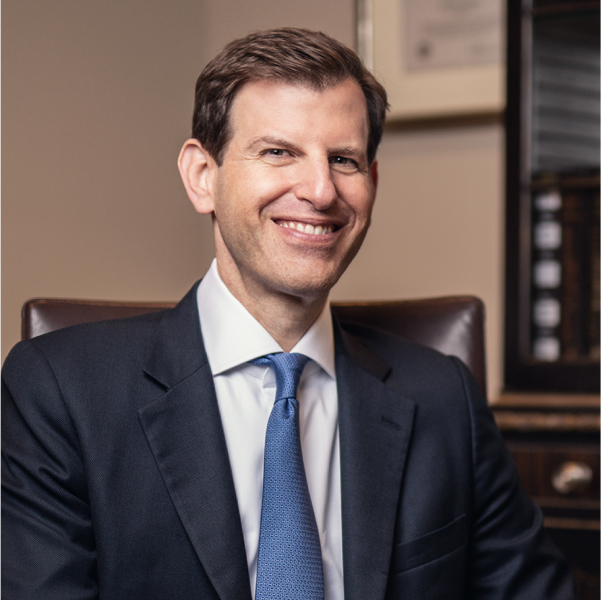
“Amazing service, beautiful design, and incredible marketing; I see more new patients than I could imagine as a result of their creativity and market savvy. These guys are my secret weapon.”

“The Influx team is incredibly talented, creative, responsive and professional. They truly heard me and were able to take my ideas and develop a product that far exceeded my expectations.”
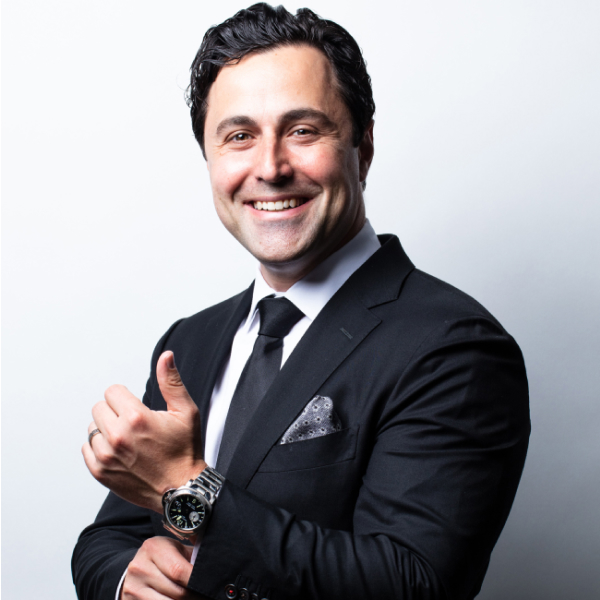
“Every company pitches the idea of getting you on page one — Influx makes it happen. Not only have they stood by their word, they have exceeded my expectations.”


We examine technical health, index coverage, procedure content, local listings, backlinks, analytics, and consultation paths, then weigh them against your procedure mix, markets, and growth plans.
Findings become a ranked, practical roadmap. Developers resolve technical issues, SEO strategists organize site architecture around procedures and surgeons, writers produce original surgical content, local specialists maintain office details, and project managers keep each piece on schedule.
Algorithms shift, competing surgeons adjust, patient interest moves between procedures, and your practice evolves too. We refine the plan using index coverage, rankings, local visibility, qualified traffic, inquiries, and consultation data. Reviews cover gains, setbacks, completed work, data limits, and next steps.
Our plastic surgery marketing clients include solo board-certified surgeons, facial plastic surgeons, and multi-surgeon cosmetic groups.
A solo surgeon’s plan often concentrates authority on a handful of signature procedures. Groups with several surgeons need visibility for each surgeon’s focus areas as well as for the practice overall. Practices with more than one office depend on strong local SEO, office-specific content, and consistent visibility in every market they serve. Each plan follows your practice structure, competitors, and target procedures.
The best plastic surgery SEO company for your practice will walk you through its methods, keep expectations grounded, and report on outcomes that matter to surgeons. Our SEO specialists sit in-house next to our writers, developers, and account managers, so strategy and execution are coordinated directly instead of passed to contractors.
Find out who implements technical changes, who writes and checks procedure content, how local work reflects your actual office operations, which accounts stay in your name, and how qualified consultations are counted. Ask, too, what happens when a recommendation requires web development or a site migration loses traffic.
Online “top agency” rankings can help narrow the field, but the final choice should rest on recent surgical work, references, account ownership, process, and fit with your practice.
Plastic surgery SEO cost varies with your site’s condition, how competitive your market is, the number of offices and procedures, content and technical needs, and reporting depth. Rather than fixed packages, Influx provides consulting and custom engagements. Each proposal spells out your team, priorities, deliverables, review cadence, and who owns what.
Search performs best when your site, ads, content, and intake all share one goal.
We tie organic search to responsive website design and development, digital advertising, surgical content, photography, video, social media, email, analytics, and lead handling. Paid campaigns can capture patients ready to book now while organic visibility compounds over time. Paid search data can also point to high-value procedure queries and landing pages that need work.
One partner across channels means insights travel between them.
Ranking well puts your name in front of patients, but a sound plan is what turns that exposure into consultations you can measure.
Share what’s holding your practice back, whether that’s slipping organic traffic, weak map visibility, inquiries for procedures you don’t perform, a redesign you’re nervous about, or procedure pages that sound like everyone else’s. We’ll point out the strongest opportunities and outline how to act on them.
Experience, expertise, authoritativeness, and trustworthiness have to be demonstrated. Surgeon bios, board certifications, clinical review, original procedure explanations, case details, before-and-after photos, video, correct office information, and clear authorship give patients and search engines something real to assess.
Our writers, SEO strategists, developers, designers, and media crew collaborate with your surgeons and staff to document that proof. Claims are supported, educational material stays distinct from personal medical advice, and structured data reflects exactly what each page states.
Your site should reflect your surgical judgment, not echo what every competitor has already published.
Technical corrections can help once Google recrawls your pages. Ranking for competitive procedure searches and building lasting organic growth takes time. The timeline depends on where you start, your market, content, authority, how quickly changes go live, and algorithm updates.
No. Our plastic surgery SEO commitment is to ethical methods, open communication, careful technical work, original content, and honest measurement. No agency controls search rankings or AI citations.
Engagements usually combine an audit, technical fixes, procedure keyword research, on-page work, content, local search, link building, reporting, and ongoing strategy. The balance should reflect your website, your market, and the procedures you want to grow.
Yes, once we know the cause. A diagnostic review can look at indexation, a recent redesign, algorithm timing, technical changes, lost content, backlinks, competing surgeons, and tracking. What we find shapes the recovery plan.
Fill out the form or give us a call to get the conversation started — (888) 982-0775
Get the newsletter leading aesthetic practices read to up their patient acquisition game.
Pasadena CA
Salt Lake UT
Tampa FL
Get the newsletter leading aesthetic practices read to up their patient acquisition game.